

Comprehensive Guide for LoRaWAN Enabled Agricultural IoT
Overview
The agricultural industry has been increasingly adopting smart technologies to improve efficiency, yield, and sustainability. The integration of Internet of Things (IoT) technologies has proven to be a game-changer for precision agriculture, with LoRaWAN (Long Range Wide Area Network) emerging as a key enabler in this transformation. LoRaWAN’s long-range, low-power capabilities make it ideal for agricultural applications, allowing farmers to gather valuable data from sensors distributed across vast areas, which helps in making informed decisions and optimizing farm operations.
This guide provides a comprehensive exploration of LoRaWAN-enabled agricultural IoT, detailing how the technology works, its applications, and the benefits it brings to modern farming practices. It covers a range of topics including how LoRaWAN facilitates real-time monitoring of crops, soil, and livestock, as well as its ability to support sustainable practices through precise resource management. The guide also delves into the technical features of LoRaWAN that make it well-suited for the agricultural sector, from its scalability to its low power consumption.
Furthermore, it explores the emerging trends in agricultural IoT, such as the integration of AI for predictive analytics, the role of drones for monitoring, and the potential of blockchain for secure data exchange. The guide concludes with insights into the future of LoRaWAN in agriculture, highlighting the potential for even smarter, more connected farming practices. By leveraging LoRaWAN, farmers can not only enhance operational efficiency but also contribute to the sustainability of the agricultural industry.
Below are products and systems related to this webpage:
- Urban-Optimized LoRaWAN Gateways & Hubs
- LoRaWAN End Devices
- LoRaWAN – Cloud, Server, PC & Mobile Systems
- High-Speed LoRaWAN Gateways & Hubs
- Indoors Only LoRaWAN Gateways & Hubs
Our products are in stock can be shipped to anywhere in continental U.S. or Canada from our local warehouse. To purchase or for any further information, please fill out this form or email us.
We are actively looking for partners who are like us located in the U.S. and Canada. For more information on partnering with GAO, please visit Partner with GAO Tek Inc. It lists various ways to partner with GAO, such as OEM Partnerships, Technology Integration, Distribution and Reselling Opportunities, Presenting at the Leading Event Tek Summit, Joint R&D Projects, Training and Consulting Services, Industry-Specific Collaborations, Research and Academic Partnerships.
1. Introduction to IoT in Agriculture
The integration of Internet of Things (IoT) technology into agriculture has revolutionized farming practices by providing real-time data that enhances productivity, sustainability, and resource efficiency. IoT solutions in agriculture enable the automation of routine tasks, remote monitoring of farm assets, and data-driven decision-making. These solutions help farmers optimize crop yields, manage livestock, and improve water and energy use, leading to more efficient farming operations.
IoT in agriculture connects a wide range of devices, from soil moisture sensors to climate control systems, forming a network that allows for continuous monitoring and management of various agricultural processes. With the rise of smart farming, IoT devices are becoming increasingly crucial in addressing the challenges of modern agriculture, such as climate change, resource scarcity, and increasing demand for food production.
The Role of LoRaWAN in Revolutionizing Agricultural Practices
LoRaWAN (Long Range Wide Area Network) is an innovative technology that plays a vital role in enabling IoT solutions for agriculture. Its long-range communication capabilities and low power consumption make it an ideal choice for remote farms and vast agricultural areas. LoRaWAN allows for seamless communication between IoT devices deployed across large expanses, such as sensors monitoring soil conditions or environmental factors, without the need for frequent battery changes.
LoRaWAN is particularly suited for agricultural environments due to its resilience to interference and its ability to operate in rural areas with limited cellular network coverage. By connecting sensors, actuators, and other smart devices, LoRaWAN empowers farmers with the real-time data needed to make informed decisions, automate processes, and optimize farming operations.
Benefits of LoRaWAN for Precision Agriculture
LoRaWAN technology offers numerous benefits for precision agriculture, where maximizing productivity while minimizing resource use is essential. Some of the key advantages include:
- Real-Time Monitoring: LoRaWAN enables continuous tracking of soil moisture, temperature, and other environmental factors, allowing farmers to respond quickly to changes and adjust irrigation and fertilization practices accordingly.
- Improved Resource Efficiency: By automating irrigation systems and integrating environmental data, LoRaWAN helps optimize water usage, reducing waste and conserving resources.
- Cost Savings: LoRaWAN reduces the need for manual labor and frequent trips to monitor crops or livestock, saving on fuel, time, and labor costs.
- Increased Yield: With more precise control over factors like irrigation and fertilization, LoRaWAN-enabled solutions contribute to healthier crops and higher yields.
Key Considerations in Implementing LoRaWAN for Agriculture
While LoRaWAN presents significant advantages, successful implementation in agricultural settings requires careful planning. Key considerations include:
- Network Design: A well-designed LoRaWAN network is essential for reliable communication across large farming areas. Proper placement of gateways and sensors ensures optimal coverage and minimizes signal loss.
- Device Selection: Choosing the right sensors and devices is critical for accurate data collection. These devices must be durable enough to withstand outdoor conditions and capable of operating over long periods with minimal maintenance.
- Data Integration: Integrating LoRaWAN-generated data into farm management systems (FMS) or cloud platforms enables farmers to analyze data, derive insights, and take action based on real-time information.
- Scalability: As farms grow, the IoT network needs to scale efficiently to handle additional devices and sensors. LoRaWAN’s scalability is one of its key benefits, as it can easily accommodate growing operations.
- Compliance and Security: Ensuring that the network complies with local regulations and that data is transmitted securely are vital for protecting farm operations and personal data.
LoRaWAN’s ability to address these considerations positions it as a crucial technology in advancing the IoT landscape in agriculture, driving efficiency, sustainability, and profitability for the farming industry.
2. Understanding LoRaWAN Technology in Agricultural IoT
What is LoRaWAN and How It Works
LoRaWAN (Long Range Wide Area Network) is a low-power, wide-area networking protocol designed for long-range communications between devices, particularly in IoT applications. LoRaWAN is optimized for scenarios that require a wide coverage area with minimal energy consumption, making it ideal for remote and rural settings like agricultural environments.
The primary appeal of LoRaWAN lies in its ability to transmit small amounts of data over long distances, using minimal power. This makes it well-suited for agriculture, where equipment, sensors, and devices are spread over large, often remote areas. For instance, LoRaWAN can enable sensors in the field to send data about soil moisture, temperature, or pest presence to a central system without requiring frequent battery replacements or high-bandwidth infrastructure.
LoRaWAN operates in a star network topology, where devices, or “end nodes,” communicate wirelessly with nearby gateways. These gateways, in turn, relay the data to central servers where it is processed. This simplicity and efficiency reduce the infrastructure cost, especially in large agricultural installations.
Technical Overview of LoRaWAN Components
LoRaWAN is made up of several key components that work together to create a reliable and scalable IoT network for agriculture:
- End Devices (Sensors/Actuators): These are the devices deployed in agricultural fields that collect data (e.g., soil moisture, temperature, crop health) or perform actions (e.g., turning on irrigation). These devices are designed to use minimal power, with some lasting for years without a battery change.
- Gateways: Gateways are physical devices that connect the IoT sensors to the central network. They forward data from end devices to the network server using LoRaWAN’s long-range capabilities. Gateways are typically positioned strategically to cover wide areas of agricultural land.
- Network Servers: These servers handle the data sent from the gateways, ensuring that it is properly routed and processed. The network server manages things like data packet forwarding and encryption to maintain security and data integrity.
- Application Servers: Once data reaches the network server, it is forwarded to the application servers, where it can be processed and integrated with farming management systems (FMS) or cloud-based analytics platforms. The application server provides the interface through which farmers can view, analyze, and act on the data collected.
How LoRaWAN is Used in Agricultural IoT Applications
LoRaWAN’s unique combination of long-range and low-power communication makes it a game-changer for agricultural IoT applications. In practice, it enables a variety of use cases that optimize farming operations:
- Precision Agriculture: LoRaWAN-enabled sensors monitor critical environmental factors such as soil moisture, temperature, and humidity. This data helps farmers make real-time decisions about irrigation, fertilization, and pest control, ensuring optimal conditions for crop growth.
- Livestock Monitoring: Sensors can be attached to livestock for tracking health, location, and behavior. This helps in monitoring the well-being of animals, detecting illness, and ensuring that livestock remain within designated areas.
- Weather Monitoring: With LoRaWAN, farmers can deploy weather stations to collect localized climate data such as wind speed, rainfall, and temperature, enabling them to predict weather events and plan accordingly.
- Smart Irrigation Systems: By integrating soil moisture sensors with LoRaWAN, farmers can automate irrigation systems, ensuring that crops receive the right amount of water at the right time, reducing water wastage and energy consumption.
- Fleet Management for Agricultural Vehicles: LoRaWAN is also useful for tracking the location and health of agricultural machinery. By monitoring fuel usage, engine performance, and operational status, farmers can ensure that their equipment is running efficiently and is properly maintained.
LoRaWAN’s wide coverage and low maintenance requirements make it an ideal solution for large-scale agricultural IoT applications. By enabling real-time monitoring and remote control of various farming processes, LoRaWAN technology helps optimize crop production, reduce costs, and enhance sustainability in agricultural operations.
3. Key Features of LoRaWAN for Agricultural IoT
Long-Range Connectivity for Large Farms
One of the standout features of LoRaWAN technology is its long-range communication capability. Unlike traditional wireless communication technologies, LoRaWAN can cover vast distances, making it perfect for agricultural applications that span large farms, vineyards, or livestock ranches. With the ability to transmit data over several kilometers, LoRaWAN ensures that remote sensors deployed throughout the field can relay valuable data, regardless of the size or layout of the farming operation. This wide coverage eliminates the need for costly infrastructure to support multiple access points and allows farmers to monitor environmental conditions across diverse terrains.
LoRaWAN operates on unlicensed radio frequencies, which are ideal for rural areas and large-scale agricultural landscapes where traditional connectivity options like Wi-Fi or cellular networks may be unavailable or unreliable. The combination of long-range coverage and low infrastructure cost makes LoRaWAN a key enabler for large-scale precision agriculture, where remote monitoring and control are essential for optimizing yields and resources.
Low Power Consumption for Battery-Operated Devices
LoRaWAN is optimized for low power consumption, allowing battery-powered devices to operate for extended periods without frequent recharging or maintenance. This feature is especially crucial for agricultural IoT applications, where sensors are deployed in fields, greenhouses, or remote environments. For example, soil moisture sensors, weather stations, and livestock trackers equipped with LoRaWAN can transmit data over long distances while consuming minimal energy.
The low power nature of LoRaWAN allows devices to last years on a single battery charge, significantly reducing the operational costs for farmers and the need for frequent maintenance. This efficiency is vital in agricultural settings where human presence is minimal, and the devices need to operate independently for extended periods in harsh conditions.
Secure Data Transmission and Reliability
Security is a critical aspect of any IoT application, and LoRaWAN ensures robust encryption for data transmission. This makes it highly suitable for agricultural applications where sensitive data, such as weather patterns, irrigation schedules, and soil conditions, is being transmitted. LoRaWAN’s built-in security protocols, including AES encryption, protect against unauthorized access, ensuring that the data collected from IoT devices remains confidential and secure.
Additionally, LoRaWAN’s reliability is critical in agricultural IoT. Farmers depend on real-time data to make informed decisions about irrigation, pest control, and other farming operations. LoRaWAN offers high network reliability even in challenging environments, ensuring that data is delivered accurately and on time. The network’s robustness reduces the risk of system downtimes, enabling continuous operations in fields and other remote agricultural areas.
Scalability for Expanding Agricultural Operations
Scalability is one of LoRaWAN’s most valuable features for agricultural IoT. As farming operations grow, the need for additional devices and sensors increases. LoRaWAN can easily accommodate this growth without significant changes to the infrastructure. The network is designed to scale up seamlessly, allowing for the integration of new devices such as environmental sensors, crop health monitoring systems, and asset tracking units without disrupting ongoing operations.
This scalability is particularly important for large agricultural businesses and cooperatives that require centralized management of a growing number of connected devices across multiple fields or regions. LoRaWAN’s flexibility allows farmers to start small and expand their IoT networks as needed, adapting to new technologies, increasing data requirements, and more extensive farming systems without overhauling existing infrastructure.
By providing a low-cost, energy-efficient, and easily scalable solution, LoRaWAN plays a pivotal role in enabling the growth of smart agriculture, empowering farmers to leverage data-driven insights for improved decision-making and resource management.
4. Applications of LoRaWAN in Agricultural IoT
Crop Monitoring and Precision Agriculture
LoRaWAN-enabled IoT systems play a pivotal role in crop monitoring and precision agriculture by providing real-time data on various parameters such as soil health, temperature, humidity, and light levels. These IoT systems help farmers monitor the conditions that directly affect crop growth, including irrigation requirements and pest control. By integrating LoRaWAN sensors with other precision agriculture technologies, farmers can optimize planting, irrigation, and harvesting schedules based on actionable data. LoRaWAN’s long-range connectivity allows for the monitoring of crops across large fields, making it possible to gather data from even the most remote areas of a farm without the need for costly infrastructure. By ensuring crops are managed efficiently and precisely, LoRaWAN helps improve yields and reduce resource waste, contributing to more sustainable farming practices.
This technology enables farmers to detect early signs of stress or disease in crops, providing them with the ability to take preemptive actions to minimize potential damage. With the increased accuracy and automation of farming practices, LoRaWAN also allows for greater scalability in agricultural operations, enabling large-scale monitoring without the complexity of traditional systems.
Soil Moisture and Irrigation Management
Managing soil moisture levels and optimizing irrigation systems are essential for maintaining crop health and maximizing water efficiency. LoRaWAN sensors deployed throughout fields measure the moisture content of the soil, helping farmers understand when and where irrigation is required. By using LoRaWAN’s reliable, low-power, long-range communication, these sensors provide accurate, real-time data even in remote areas, allowing for precise irrigation decisions based on soil conditions and weather forecasts.
Farmers can program irrigation systems to automatically adjust based on soil moisture readings, preventing overwatering or underwatering, which can lead to crop damage or water wastage. LoRaWAN’s ability to operate over long distances without relying on a central network or frequent maintenance also ensures that irrigation systems are cost-effective, scalable, and suitable for farms of all sizes, particularly those in areas where reliable connectivity is a challenge.
Livestock Tracking and Management
LoRaWAN technology is increasingly used for livestock tracking, improving animal welfare and farm management efficiency. Sensors attached to animals or placed in their environment collect real-time data on location, health, and activity levels. This data is transmitted via LoRaWAN to centralized platforms, enabling farmers to track the movements and well-being of each animal across large farming operations. LoRaWAN’s low-power, long-range features ensure that the tracking devices used on livestock can last for long periods without requiring constant battery replacement or manual intervention.
Using LoRaWAN, farmers can monitor parameters like body temperature, heart rate, and activity levels, helping identify potential health issues early on. This data-driven approach to livestock management reduces risks and improves overall productivity by preventing disease outbreaks and minimizing losses due to undetected health problems. Additionally, LoRaWAN’s ability to provide seamless communication across large rural areas makes it ideal for farms with vast spaces, enabling efficient livestock monitoring without reliance on costly infrastructure.
Environmental and Climate Data Collection
Understanding environmental conditions is crucial for effective farming, and LoRaWAN is an essential tool for gathering climate data. By integrating weather sensors and other environmental monitoring devices into LoRaWAN networks, farmers can track variables such as temperature, humidity, rainfall, wind speed, and barometric pressure. This data helps farmers make informed decisions regarding crop planting schedules, irrigation management, and pest control measures.
The ability to collect and analyze environmental data in real time is particularly valuable in the context of climate change, where unpredictable weather patterns can affect farming outcomes. With LoRaWAN’s long-range capabilities, even remote weather stations or sensors can transmit data over vast distances without requiring complex communication infrastructures. By leveraging LoRaWAN networks, farmers can better predict weather conditions, optimize resource allocation, and protect crops from extreme weather events, ultimately increasing resilience and sustainability in agricultural practices.
Through these innovative applications, LoRaWAN is transforming agriculture by making farming smarter, more efficient, and more sustainable. Whether managing crops, livestock, or environmental conditions, LoRaWAN’s ability to provide reliable, real-time data is empowering farmers to make better decisions that directly impact productivity, resource usage, and environmental impact.
GAO case studies
- USA – Case Study (California) In California, LoRaWAN technology was implemented to monitor soil moisture and automate irrigation for a large vineyard. By deploying soil sensors across the vineyard, the farmer received real-time data, which allowed for precise watering and conservation of water resources. This initiative reduced water usage by 20% and increased crop yield by 15%.
- USA – Case Study (Texas) A Texas-based cattle ranch adopted LoRaWAN-enabled livestock tracking systems to monitor the health and movements of their herd across a vast rural area. With sensors attached to the animals, the system provided real-time health data and location tracking, leading to better management of livestock and a reduction in disease outbreaks.
- USA – Case Study (Iowa) LoRaWAN technology was utilized in an Iowa farm to manage environmental and climate data. Using weather sensors placed throughout the field, the farm was able to track weather patterns, including rainfall and temperature, and adjust planting schedules accordingly, ensuring higher yields and reduced crop damage from adverse weather.
- USA – Case Study (Oregon) In Oregon, a large farm used LoRaWAN for precision agriculture by monitoring crop health. Remote sensors provided data on plant growth, soil conditions, and pest activity, helping the farm implement targeted pest control strategies, which improved overall crop health and reduced pesticide use.
- USA – Case Study (Florida) A citrus farm in Florida deployed LoRaWAN-powered weather stations to track real-time climate data, including temperature, humidity, and soil moisture. This allowed the farm to optimize irrigation and fertilization, significantly enhancing fruit yield and reducing water consumption during dry spells.
- USA – Case Study (Colorado) LoRaWAN was implemented on a farm in Colorado to automate irrigation using soil moisture data collected from IoT sensors. The integration of LoRaWAN with irrigation systems allowed for efficient water management, particularly in drought-prone areas, saving both water and operational costs.
- USA – Case Study (Nevada) In Nevada, LoRaWAN was used in desert farming to monitor soil temperature and moisture. The technology enabled farmers to control irrigation systems effectively, ensuring water was distributed based on real-time needs, thus enhancing water conservation efforts and crop production.
- USA – Case Study (New York) A smart farm in New York utilized LoRaWAN technology for managing greenhouse conditions, using environmental sensors to measure temperature, humidity, and CO2 levels. This enabled real-time adjustments, optimizing plant growth conditions and reducing energy consumption.
- USA – Case Study (Kansas) LoRaWAN-powered soil sensors were deployed on a Kansas farm to track nutrient levels in the soil. The data provided farmers with insights into the optimal times for fertilization and crop rotation, leading to improved soil health and better crop yields.
- USA – Case Study (North Carolina) North Carolina’s tobacco farms integrated LoRaWAN-enabled sensors to monitor air quality, soil conditions, and irrigation levels, which allowed farmers to optimize water use and improve the quality of tobacco crops, resulting in higher yields and reduced environmental impact.
- USA – Case Study (South Dakota) A South Dakota farm implemented LoRaWAN for livestock monitoring. Real-time tracking and health data were sent from IoT sensors on the animals, enabling farmers to monitor the well-being of their cattle and take immediate action when health issues were detected.
- USA – Case Study (Ohio) LoRaWAN was used to improve crop management on a farm in Ohio by monitoring soil temperature and moisture levels. The system helped the farm optimize its irrigation schedules and reduce water consumption during dry periods, leading to significant cost savings.
- Canada – Case Study (Ontario) In Ontario, a dairy farm implemented LoRaWAN-based environmental sensors to monitor barn conditions, including temperature and humidity. The data helped maintain optimal conditions for livestock health and reduced energy consumption in climate control systems.
- Canada – Case Study (British Columbia) LoRaWAN was deployed in British Columbia’s vineyards to monitor soil moisture and environmental conditions. The technology allowed for precise irrigation, optimizing water use, and ensuring higher grape yields despite fluctuating weather patterns.
5. Implementing LoRaWAN in Agricultural Systems
Site Survey and Network Design for Agricultural Areas
The first step in implementing a LoRaWAN network for agricultural systems is conducting a thorough site survey and designing an optimal network. This involves assessing the specific needs of the agricultural operation, considering factors such as the farm’s size, terrain, and environmental conditions. During the site survey, professionals will identify ideal locations for placing LoRaWAN gateways and sensors, ensuring that the network covers all critical areas such as fields, greenhouses, barns, and storage facilities.
The design process also includes ensuring proper signal coverage across the farm to guarantee seamless communication between devices. The choice of gateway placement is essential to prevent interference and ensure that data can be transmitted reliably across long distances, especially in large rural areas. Proper site survey and network design enable a high-performance system that supports scalability, flexibility, and reliability, essential for the efficiency of agricultural IoT applications.
Hardware Selection: Sensors, Actuators, Gateways
Selecting the right hardware is key to a successful LoRaWAN implementation in agricultural systems. Sensors are at the core of collecting data, and there are a variety of sensor types that can be used for applications such as soil moisture, temperature, humidity, pH levels, light intensity, and more. The choice of sensor depends on the specific monitoring requirements of the farm.
Actuators, such as automated irrigation systems, can be integrated with LoRaWAN sensors to take automated actions based on the data they collect. For instance, if soil moisture levels drop below a certain threshold, the actuator can trigger the irrigation system to activate and provide necessary water to the crops.
LoRaWAN gateways are the critical link that transmits sensor data to a centralized system. The selection of gateways involves considering range, power consumption, and compatibility with other network infrastructure. LoRaWAN is particularly advantageous for agricultural use, as it can connect large networks of sensors with minimal infrastructure, providing long-range communication without the need for costly cellular data plans.
Data Integration with Farm Management Systems (FMS)
Once the LoRaWAN network is in place and the necessary sensors and gateways are deployed, the next step is to integrate the collected data into a Farm Management System (FMS). FMS platforms are software solutions that help farmers monitor, manage, and optimize various aspects of agricultural operations. LoRaWAN-enabled sensors provide real-time data to FMS platforms, enabling farmers to make data-driven decisions that improve efficiency, yield, and resource usage.
Data integration also includes connecting the LoRaWAN network to other IoT platforms or cloud-based systems, which allows farmers to access insights and analytics remotely, whether through mobile apps or desktop applications. This centralized data repository facilitates real-time monitoring and predictive analytics, which are crucial for optimizing operations such as irrigation, fertilization, pest control, and harvest planning.
The integration of LoRaWAN data into FMS systems provides farmers with the ability to gain a holistic view of farm performance, leading to more informed and timely decisions that reduce waste and increase productivity. It also ensures the automation of certain processes, such as watering or fertilizer application, based on live data, which leads to more sustainable and cost-efficient farming practices.
Managing and Analyzing IoT Data for Improved Decision Making
Managing and analyzing the massive amounts of data generated by LoRaWAN sensors is essential for gaining actionable insights and improving decision-making. LoRaWAN networks generate real-time data streams, which are often stored in cloud-based systems or on-premise servers. The key challenge is managing this data and turning it into valuable insights that help farmers optimize their operations.
Advanced analytics platforms, powered by AI and machine learning algorithms, can be integrated with the LoRaWAN network to analyze historical data and make predictive insights. For example, machine learning models can predict crop yield based on weather patterns, soil conditions, and historical data, enabling farmers to make better planting decisions and resource allocations. Additionally, predictive maintenance systems can help detect issues with machinery or infrastructure before they lead to costly repairs or downtime.
Data visualization tools, such as dashboards and interactive maps, provide farmers with easy-to-understand representations of their farm’s performance. These tools can display data trends and patterns that help identify inefficiencies, forecast future needs, and optimize supply chains.
LoRaWAN-enabled data analytics also helps improve resource management. Farmers can optimize water use, reduce energy consumption, and ensure that fertilizers and pesticides are applied at the right times and in the right quantities, promoting sustainability and reducing costs. With accurate data, farmers can adapt more quickly to changing environmental conditions, improving both the profitability and environmental impact of their operations.
This section highlights the essential components and strategies for successfully implementing LoRaWAN in agricultural systems. By integrating IoT data into farm management systems and utilizing the right hardware, farmers can optimize their operations, reduce costs, and achieve more sustainable agricultural practices. With the data-driven insights provided by LoRaWAN, agricultural operations can be managed more effectively, ensuring both economic and environmental benefits for the long term.
6. LoRaWAN and Emerging Technologies in Agriculture
Integration with AI and Machine Learning for Predictive Analytics
Artificial Intelligence (AI) and Machine Learning (ML) are transforming the agricultural sector by enabling predictive analytics, and LoRaWAN plays a critical role in providing the necessary connectivity to support these technologies. AI and ML algorithms rely on large volumes of data to identify patterns, predict trends, and make data-driven decisions. By integrating LoRaWAN sensors into agricultural systems, farmers can gather real-time data on environmental conditions such as soil moisture, temperature, humidity, and crop health. This data can be used to predict optimal planting times, irrigation schedules, and even harvest windows, leading to improved crop yields and resource efficiency.
For instance, machine learning models can process data from LoRaWAN-connected sensors to forecast weather patterns or pest infestations, allowing farmers to take preventive measures. This predictive capability not only enhances operational efficiency but also reduces costs by optimizing resource use, such as water and fertilizers, which helps farmers reduce wastage and improve profitability.
Use of Blockchain for Data Integrity and Traceability
Blockchain technology is emerging as a powerful tool for ensuring data integrity and traceability in agricultural operations. In the context of LoRaWAN, blockchain enables secure, tamper-proof recording of agricultural data, such as crop growth, pesticide use, and harvest times. This is particularly important for industries focused on quality assurance, regulatory compliance, and consumer transparency.
LoRaWAN sensors can collect real-time data across agricultural operations, which is then stored in a blockchain system. Each transaction on the blockchain is cryptographically secured, ensuring that the data is authentic and cannot be altered without detection. This secure, transparent data storage system provides consumers and regulators with verifiable information on the provenance of their food, from farm to table. Moreover, blockchain can streamline supply chain management by allowing for better tracking of goods, reducing fraud, and improving logistics efficiency.
The Role of Drones and UAVs in Agriculture
Drones and Unmanned Aerial Vehicles (UAVs) are becoming integral to smart farming practices, and LoRaWAN technology is enhancing their capabilities. Drones equipped with various sensors can capture high-resolution images and collect data on crop health, soil conditions, and more. This data can be transmitted in real-time via LoRaWAN networks, allowing farmers to receive immediate insights about their fields.
By using drones, farmers can create detailed, accurate maps of their farms, identify areas of poor growth or pest infestations, and make informed decisions on where to deploy resources. LoRaWAN facilitates long-range communication, enabling drones to cover large agricultural areas, especially in remote or expansive fields where traditional communication networks may be unreliable. The combination of drones and LoRaWAN technology allows for more efficient resource use, better field monitoring, and enhanced decision-making.
Emerging Trends in Smart Farming and Automation
The rise of smart farming and automation, powered by IoT and LoRaWAN, is changing how agriculture operates at scale. Smart farming uses data-driven technologies to automate processes like irrigation, fertilization, and pest control. LoRaWAN-connected sensors and actuators allow for real-time monitoring and control of farm equipment, including automated irrigation systems, autonomous tractors, and drones.
One key trend is the increased use of autonomous vehicles for fieldwork, which rely on LoRaWAN networks to communicate with sensors and control systems. These vehicles can be used for tasks such as planting, harvesting, and monitoring crops, reducing the need for manual labor and increasing efficiency. Furthermore, automation in farming is leading to precision agriculture, where decisions are based on exact measurements rather than estimates. This results in higher yields, reduced waste, and lower environmental impact.
The adoption of LoRaWAN in smart farming systems allows for seamless integration of various automated technologies across the agricultural ecosystem. This interconnectedness leads to better coordination and synchronization, allowing farmers to manage large-scale operations more effectively. As these technologies evolve, we expect to see greater integration between IoT devices, AI, and autonomous systems, which will continue to revolutionize agricultural practices.
By integrating LoRaWAN with emerging technologies like AI, blockchain, drones, and automation systems, agricultural operations can become more efficient, sustainable, and transparent. These advancements hold the promise of addressing many challenges faced by the agricultural sector, including resource management, labor shortages, and food security.
7. Economic and Environmental Benefits of LoRaWAN in Agriculture
Cost Savings through Efficiency and Automation
LoRaWAN technology plays a vital role in enabling greater efficiency and automation within agricultural operations, leading to substantial cost savings. By integrating LoRaWAN-connected sensors, devices, and IoT systems into agricultural practices, farmers can automate critical processes such as irrigation, crop monitoring, and soil management. This automation not only reduces the need for manual labor but also enhances operational efficiency, enabling farmers to focus on higher-value tasks.
The real-time data provided by LoRaWAN sensors facilitates better decision-making, reducing the need for excessive inputs such as water, fertilizers, and pesticides. By using precision agriculture techniques, farmers can apply resources exactly where and when they are needed, significantly reducing waste. This targeted approach to resource management leads to lower operating costs, reduced utility bills, and improved overall profitability. For example, automated irrigation systems powered by LoRaWAN ensure that water is used optimally, avoiding over-irrigation and the associated costs.
Additionally, LoRaWAN networks provide farmers with insights that allow for predictive maintenance and monitoring of machinery and equipment. Early detection of faults or inefficiencies in equipment reduces the costs associated with breakdowns and extends the lifespan of machinery, further contributing to long-term savings.
Environmental Impact and Sustainability
LoRaWAN’s contribution to sustainable farming practices cannot be overstated. By enabling precision agriculture, LoRaWAN allows for optimized resource use, reducing the environmental impact of farming activities. The real-time monitoring of soil moisture levels, for example, ensures that water usage is minimized without compromising crop health. This targeted water usage reduces water wastage and conserves valuable water resources, which is especially crucial in regions facing water scarcity.
LoRaWAN also supports the use of renewable energy sources in agricultural operations. For example, it can be used in solar-powered irrigation systems, where sensors transmit real-time data to control water flow based on energy availability and demand. This synergy between IoT and renewable energy contributes to reducing the carbon footprint of agricultural operations.
The ability to track and control emissions from farm machinery also reduces the environmental impact, promoting more sustainable practices. Additionally, LoRaWAN-enabled systems can monitor carbon levels in soil, helping farmers take action to improve soil health and sequester carbon, contributing to global efforts to mitigate climate change.
Improving Resource Management and Reducing Waste
One of the most significant environmental benefits of LoRaWAN-enabled agricultural IoT systems is the ability to improve resource management, reducing waste and promoting sustainability. LoRaWAN-connected sensors provide farmers with continuous, real-time data about their operations, allowing for the precise application of inputs such as fertilizers, pesticides, and water. This reduces the risk of over-application, a common issue that contributes to environmental pollution and resource waste.
For example, LoRaWAN-based soil moisture sensors enable farmers to optimize irrigation, ensuring that only the right amount of water is used. This not only conserves water but also minimizes runoff, which can carry harmful chemicals into local waterways. Similarly, precision agriculture tools powered by LoRaWAN allow for more efficient use of fertilizers, reducing excess runoff into the environment and minimizing soil degradation.
Waste reduction is also achieved through the efficient monitoring of crop health. With LoRaWAN technology, farmers can quickly identify diseased or underperforming crops and take corrective actions early. This reduces crop loss, improves yields, and ensures that fewer resources are wasted on plants that are unlikely to thrive.
In addition, LoRaWAN can assist with waste management on the farm. For example, sensors in composting systems can monitor temperature and moisture levels, ensuring that organic waste is efficiently composted into nutrient-rich soil. This reduces the need for chemical fertilizers and supports the circular economy in farming.
LoRaWAN’s ability to create a connected ecosystem of data-driven devices in agriculture results in a more sustainable, cost-effective, and environmentally friendly approach to farming. As a result, farmers can maximize their productivity while minimizing their environmental impact, contributing to a more sustainable agricultural future.
8. Future Trends in LoRaWAN for Agricultural IoT
Evolution of LoRaWAN Standards for Agriculture
The landscape of LoRaWAN standards is rapidly evolving to meet the specific demands of agriculture, particularly as IoT adoption increases. The LoRa Alliance, which continuously enhances the LoRaWAN protocol, is working towards better supporting low-power, long-range communication in agricultural environments. The evolution of these standards is focused on improving network coverage, reducing latency, and enhancing data security, which are crucial for agricultural applications.
LoRaWAN is becoming increasingly optimized for high-density sensor deployments in agriculture, allowing more devices to connect simultaneously without overloading the network. As farming practices adopt more IoT solutions for monitoring crops, livestock, and environmental factors, the capability to handle more data from an expanded number of devices becomes increasingly critical. Future iterations of the LoRaWAN protocol are likely to offer improved support for high-throughput applications while maintaining energy efficiency, enabling large-scale smart farming operations.
Additionally, as precision agriculture continues to grow, the integration of LoRaWAN with other emerging technologies, such as satellite connectivity and edge computing, is expected to make agricultural IoT systems more robust and reliable. These advancements will enable farmers to better predict weather patterns, optimize irrigation schedules, and monitor soil conditions for enhanced crop yields.
Integration with 5G for Enhanced Connectivity
The integration of LoRaWAN with 5G technology is poised to significantly enhance connectivity for agricultural IoT applications. While LoRaWAN offers excellent low-power, long-range communication for a wide variety of sensors in the field, 5G will provide higher data throughput, low latency, and greater bandwidth for more complex applications. This combination will allow farmers to collect more granular data, such as high-resolution imagery or real-time video feeds, from their operations.
For instance, autonomous vehicles or drones used in agriculture could leverage 5G’s low latency to process real-time data on crop health, soil moisture levels, and more. The integration of LoRaWAN with 5G networks will allow for the seamless transmission of both sensor data and high-bandwidth content, thus enabling smarter, faster, and more efficient farm management systems. In the long term, the implementation of 5G networks in rural agricultural areas, in conjunction with LoRaWAN, will bridge the connectivity gap, bringing advanced IoT capabilities to traditionally underserved regions.
By connecting IoT devices on a larger scale, LoRaWAN and 5G will empower farmers to implement truly connected farms, with automated processes and integrated data-driven decision-making tools that span irrigation systems, crop monitoring, livestock tracking, and more.
Advances in Smart Farming and Autonomous Systems
The future of LoRaWAN-enabled agricultural IoT is closely linked to the ongoing advancements in smart farming and automation. IoT technologies are driving the shift towards autonomous systems that require minimal human intervention. With the ability to deploy LoRaWAN-connected devices, farmers can automate and optimize various aspects of their operations, including precision irrigation, fertilization, and even harvesting.
LoRaWAN networks will continue to enable the growth of autonomous tractors, harvesters, and drones that rely on real-time data for decision-making. These systems can adjust to environmental changes or optimize routes for planting and harvesting crops. By automating routine tasks, such as irrigation control or pesticide application, LoRaWAN technology is not only reducing labor costs but also improving operational efficiency and reducing the environmental footprint of agricultural operations.
Additionally, the integration of LoRaWAN with machine learning and artificial intelligence (AI) will pave the way for more advanced autonomous systems. These systems will be capable of learning from real-time data and adapting their strategies for optimal outcomes. For example, drones or autonomous vehicles equipped with LoRaWAN sensors could scan vast fields, analyze crop conditions, and automatically adjust their operation to focus on areas that require attention, ensuring more precise and efficient resource use.
As LoRaWAN continues to evolve, its ability to support and integrate with these autonomous systems will help drive the next generation of farming technology, further transforming agriculture into a more automated, data-driven industry. This shift will ultimately allow farmers to enhance productivity, reduce waste, and maximize profitability while adhering to sustainable agricultural practices.
9. Appendix
Glossary of Key Terms and Acronyms in Agricultural IoT
IoT (Internet of Things): A network of physical devices, vehicles, sensors, and other objects embedded with software, sensors, and connectivity that enables them to collect and exchange data.
LoRaWAN (Long Range Wide Area Network): A low-power, wide-area network (LPWAN) protocol used for long-range communication in IoT applications, ideal for large-scale agricultural systems.
Precision Agriculture: Farming management that uses information technology, IoT sensors, and data analytics to optimize crop yields, reduce waste, and improve sustainability.
Smart Agriculture: The use of IoT, AI, and data-driven technologies to improve farming efficiency, reduce costs, and increase agricultural productivity.
Sensors: Devices that detect and measure physical or environmental conditions, such as soil moisture, temperature, or light, used for gathering real-time data in agricultural applications.
Farm Management Systems (FMS): Software solutions designed to help farmers manage their operations by integrating data from sensors, equipment, and other sources for better decision-making.
Actuators: Devices that receive commands from control systems and perform actions, such as opening valves or adjusting irrigation systems, based on sensor data.
Data Analytics: The process of examining and interpreting data to make informed decisions and improve operational performance in agriculture.
Technical Specifications of LoRaWAN for Agricultural Applications
- Communication Range: LoRaWAN typically supports communication distances from 2-5 kilometers in urban areas and up to 15-20 kilometers in rural areas, making it ideal for wide agricultural fields.
- Frequency Bands: LoRaWAN operates in sub-GHz frequency bands, commonly used frequencies include 868 MHz (Europe), 915 MHz (North America), and 433 MHz (Asia).
- Low Power Consumption: LoRaWAN is designed for battery-operated devices, offering long battery life (up to 10 years) in field sensors, significantly reducing maintenance costs.
- Data Rate: LoRaWAN supports data rates ranging from 0.3 kbps to 27 kbps, which is suitable for transmitting low to moderate amounts of data typically required in agriculture.
- Security: LoRaWAN provides end-to-end encryption, ensuring that all transmitted data remains secure between devices and servers.
Recommended Tools, Hardware, and Software for Agricultural IoT
- LoRaWAN Gateways: These devices connect the end nodes (sensors, actuators) to the network, enabling seamless data transmission from the field to the cloud for processing.
- IoT Sensors: Essential for collecting real-time data on environmental factors such as soil moisture, temperature, humidity, and crop health. GAO Tek offers a range of IoT sensors suitable for agricultural applications.
- Farm Management Software (FMS): Integrates IoT data to help farmers monitor crops, manage irrigation, analyze soil health, and optimize fertilizer use. This software can be customized for specific farming needs.
- Data Analytics Platforms: Platforms that process and analyze collected data to generate actionable insights. These tools help farmers make informed decisions about irrigation, crop management, and resource allocation.
- Actuators and Controllers: Devices that implement decisions made by the FMS, such as controlling irrigation valves, adjusting lighting, or moving equipment.
Contact Information for IoT Solution Providers
For businesses looking to implement LoRaWAN in agricultural IoT applications, GAO Tek Inc. offers cutting-edge solutions for sensor networks, gateways, data analytics platforms, and farm management systems. Our team provides expert support, ensuring seamless integration of LoRaWAN technologies into your farming operations.
Contact GAO Tek Inc.
- Website: www.gaotek.com
- Email: sales@gaotek.com
- Phone: +1 (416) 292-0038
- Address: GAO Tek Inc., 128-2005 Sheppard Ave. E, Toronto, Ontario, Canada
- Support: support@gaotek.com
Our team is dedicated to providing comprehensive IoT solutions tailored to the specific needs of agricultural industries. Whether you are looking to optimize crop management, improve resource allocation, or adopt new automation systems, we are here to support your agricultural transformation with advanced IoT solutions.
Here are the LoRaWAN Gateways/Hubs offered by GAO Tek:

4G LoRaWAN Gateway with WiFi and PoE Support – GAOTek


4G LTE Profinet Edge IoT Gateway with RS232 and LoRaWAN 868/915 MHz – GAOTek


8 Channel LoRaWAN Indoor IoT Gateway With Wi-Fi – GAOTek


Advanced High Speed LoRaWAN Gateway and Hub for Reliable Networking – GAOTek
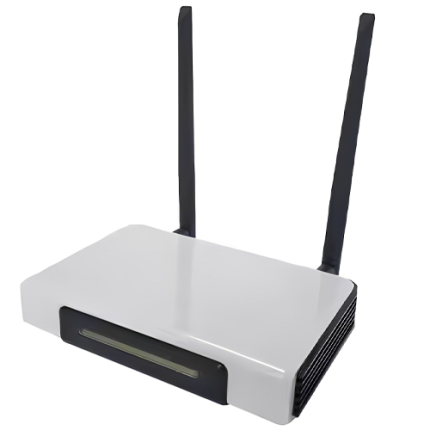
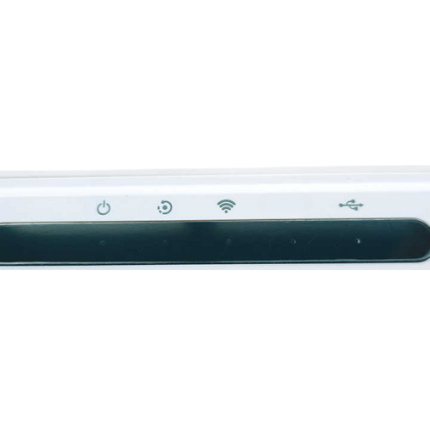
Advanced Indoor LoRaWAN Building Automation Gateway – GAOTek
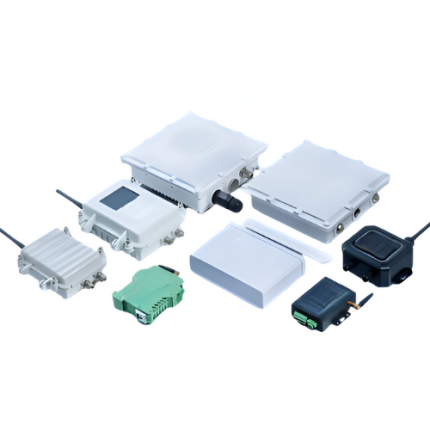

Advanced LoRaWAN Gateway for 4G, Ethernet, and Wi-Fi Wireless Data Transmission – GAOTek


Advanced LoRaWAN Gateway with Wi Fi and LTE Support – GAOTek

Bluetooth to LoRaWAN Gateway – GAOTek
Here are the LoRaWAN End Devices offered by GAO Tek:


8 Channel LoRaWAN Gateway with WiFi Ethernet US915 or EU868 – GAOTek

Advanced LoRa Communication Module and Power Protection – GAOTek


Advanced LoRaWAN Field Tester with GPS – GAOTek


Advanced LoRaWAN Ultrasonic Monitoring Sensor – GAOTek


Advanced LoRaWAN Wireless Pressure Temperature Sensor -GAOTek

Advanced Water Meter with TMR Technology – GAOTek


Agriculture Greenhouse IoT Sensor with LoRa Wireless – GAOTek
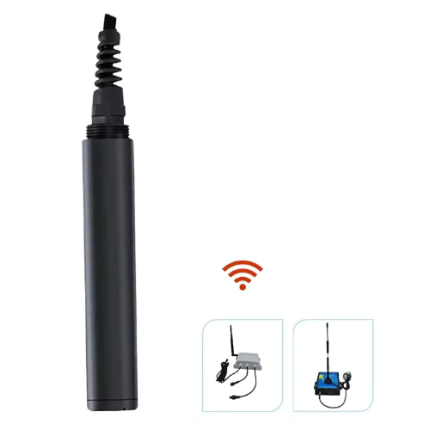
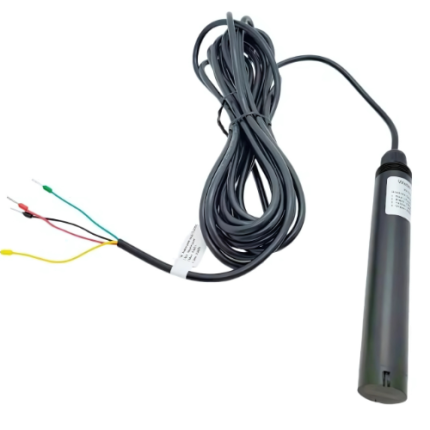
Aquaculture Water Turbidity Sensor with LoRaWAN – GAOTek
Navigation Menu for LoRaWAN
LoRaWAN Home Page
- LoRaWAN Gateways
- LoRaWAN End Devices
- LoRaWAN – Cloud, Server, PC & Mobile Systems
- LoRaWAN Accessories
- LoRaWAN Resources