

Comprehensive Guide for LoRaWAN Enabled Banking and Finance IoT
Overview
The Internet of Things (IoT) has rapidly transformed various sectors, and the banking and finance industry is no exception. As financial institutions embrace digital transformation, the need for more efficient, secure, and real-time solutions has driven the adoption of IoT technologies to enhance operations and customer experiences. One of the key technologies empowering IoT in this domain is LoRaWAN (Long Range Wide Area Network), which offers significant advantages in enabling connectivity over large areas with low power consumption. LoRaWAN’s ability to support secure, low-bandwidth communication in remote and challenging environments makes it an ideal choice for the financial services sector.
LoRaWAN is an open-source protocol designed for the Internet of Things, providing a reliable and scalable network infrastructure for various applications. In banking and finance, it facilitates the real-time tracking and monitoring of assets, enhances operational efficiency, improves security, and enables seamless customer experiences. By integrating LoRaWAN with banking systems, financial institutions can streamline operations such as ATM management, cash monitoring, and fraud detection, all while ensuring compliance with regulatory standards.
This guide aims to provide a comprehensive understanding of how LoRaWAN-enabled IoT is shaping the future of banking and finance. It covers the technological fundamentals of LoRaWAN, its use cases in the sector, the technical implementation of LoRaWAN networks, and the challenges faced by institutions adopting this technology. Additionally, the guide explores future trends and opportunities, including the integration of AI, machine learning, and the potential of hybrid networks. Finally, it offers practical resources and solutions to help financial institutions harness the full potential of LoRaWAN in an increasingly connected world.
Below are products and systems related to this webpage:
- LoRaWAN Gateways
- LoRaWAN End Devices
- Long Life LoRaWAN Gateways & Hubs
- ATEX LoRaWAN Gateways & Hubs
- LoRaWAN – Cloud, Server, PC & Mobile Systems
- Outdoor LoRaWAN End Devices
- Long Life LoRaWAN End Devices
- Rugged LoRaWAN Gateways & Hubs
Our products are in stock can be shipped to anywhere in continental U.S. or Canada from our local warehouse. To purchase or for any further information, please fill out this form or email us.
We are actively looking for partners who are like us located in the U.S. and Canada. For more information on partnering with GAO, please visit Partner with GAO Tek Inc. It lists various ways to partner with GAO, such as OEM Partnerships, Technology Integration, Distribution and Reselling Opportunities, Presenting at the Leading Event Tek Summit, Joint R&D Projects, Training and Consulting Services, Industry-Specific Collaborations, Research and Academic Partnerships.
1. Introduction to IoT in Banking and Finance
The Internet of Things (IoT) is transforming industries across the globe, and the banking and finance sector is no exception. In a rapidly evolving digital landscape, IoT is reshaping how financial institutions interact with their customers, manage resources, and ensure the security of financial assets. By connecting everyday physical objects to the internet and enabling them to communicate data, IoT creates opportunities for automation, efficiency, and real-time decision-making.
In banking and finance, IoT applications are broad ranging. These include advanced ATM monitoring, smart cash management, remote security systems, and the optimization of physical banking branches. As financial institutions increasingly integrate IoT technologies, they are unlocking new capabilities, including:
- Enhanced Customer Experience: IoT enables real-time personalized services, such as mobile banking, automated transaction processing, and smart devices for secure payments.
- Operational Efficiency: IoT systems can monitor everything from cash levels in ATMs to the health of physical infrastructure, helping banks reduce downtime, improve maintenance, and optimize resources.
- Data-driven decision-making: By capturing vast amounts of real-time data, IoT helps banks predict market trends, detect fraudulent activities, and offer tailored financial services.
GAO Tek Inc. is at the forefront of providing advanced IoT solutions for the financial sector. As one of the top 10 global suppliers of B2B technologies, GAO Tek and its sister companies within the GAO Group have been helping financial institutions unlock the full potential of IoT for over four decades. Our products and solutions are backed by extensive research and development (R&D) investments, ensuring that financial institutions receive the most cutting-edge technologies for their needs.
1.1 What is LoRaWAN?
LoRaWAN (Long Range Wide Area Network) is a low-power, wide-area network protocol designed specifically for IoT devices that require long-range communication but minimal energy consumption. It is an open standard, which means it is scalable and can be customized to suit various applications. LoRaWAN is well-suited for environments like banking and finance where secure, reliable, and cost-efficient communication is critical.
Key features of LoRaWAN include:
- Long-Range Communication: LoRaWAN can transmit data over several kilometers, making it ideal for wide-scale deployments such as ATM monitoring or smart vaults.
- Low Power Consumption: The technology allows devices to run for years on a small battery, significantly reducing operational costs for maintenance and energy consumption.
- Security: LoRaWAN provides robust security features, including end-to-end encryption, which ensures that sensitive financial data remains protected during transmission.
- Scalability: LoRaWAN networks can support millions of devices, making it a perfect fit for large banking networks and financial institutions with diverse IoT needs.
At GAO Tek, we are committed to providing our customers with high-performance LoRaWAN solutions that meet the demanding requirements of the financial industry. Whether you’re managing remote ATMs or optimizing cash logistics, our solutions offer the reliability and security needed to ensure seamless operations.
1.2 Role of LoRaWAN in Banking and Finance
The integration of LoRaWAN technology into banking and finance is paving the way for smarter, more efficient operations. From enhancing security to improving resource management, LoRaWAN provides a robust, scalable solution for financial institutions that seek to leverage IoT.
LoRaWAN plays a critical role in several key areas within the banking sector:
- ATM Monitoring and Management: LoRaWAN technology enables remote monitoring of ATMs, tracking factors such as cash levels, machine health, and user interactions. This helps prevent outages, reduce maintenance costs, and ensure uninterrupted service.
- Cash Management and Smart Vaults: By integrating IoT sensors and LoRaWAN, financial institutions can track cash flow in real-time, optimize cash deliveries, and improve security in vaults. This technology reduces the risk of theft and improves cash management processes.
- Branch and Facility Management: IoT devices connected via LoRaWAN enable the remote monitoring of a variety of environmental factors within bank branches, including temperature, humidity, and air quality. This contributes to both operational efficiency and customer satisfaction.
- Fraud Prevention and Risk Management: LoRaWAN networks provide the real-time data needed to detect suspicious activities, alert security teams, and activate appropriate risk mitigation measures swiftly. This is particularly important in the detection of fraudulent transactions and other forms of financial crime.
As GAO Tek continues to innovate, we are empowering financial institutions to make smarter decisions and enhance operational efficiency through our IoT solutions. We understand the specific challenges that banks face and work closely with our clients to ensure they have access to the most secure and reliable IoT technologies. Our long-standing commitment to R&D and quality assurance allows us to provide the best solutions for ATM management, cash logistics, fraud prevention, and more.
2. LoRaWAN Technology Fundamentals
2.1 Architecture of LoRaWAN Networks
LoRaWAN (Long Range Wide Area Network) operates on a simple yet powerful architecture that enables communication between IoT devices over long distances with minimal power consumption. The architecture of a LoRaWAN network consists of several key components, each playing a crucial role in data transmission and network management:
- End Devices: These are the IoT devices or sensors that collect data and send it over the network. In a banking or financial context, these could be ATMs, cash management devices, environmental sensors, or security cameras. End devices are typically designed to be energy-efficient, allowing them to run on battery power for extended periods.
- Gateways: Gateways are the intermediary devices that receive signals from the end devices and relay them to the network server. LoRaWAN gateways operate on a low-frequency range (typically 868 MHz or 915 MHz, depending on the region) and provide long-range communication capabilities. In the financial sector, gateways are strategically placed to ensure that IoT devices in and around bank branches or ATMs remain connected.
- Network Server: The network server acts as the central control point for managing the data traffic between gateways and the application servers. It handles functions such as routing, data validation, and network security. The network server ensures that data is correctly forwarded, and it can manage the communication protocols for multiple end devices simultaneously.
- Application Server: The application server receives the validated data from the network server and processes it according to the needs of the specific application. For example, in banking, it might process data from ATM monitoring systems or cash management sensors, triggering alerts or sending the data to core banking systems for analysis.
This architecture ensures that LoRaWAN can operate in diverse environments, from urban settings with high traffic to remote locations where traditional connectivity might be unreliable. For financial institutions, this flexibility means the ability to deploy scalable, cost-effective IoT networks.
At GAO Tek, we support the deployment of LoRaWAN networks with hardware solutions such as gateways and end devices, ensuring that financial institutions can build reliable and secure IoT infrastructures. Our products, backed by decades of research and development, are designed to seamlessly integrate into any banking or finance environment.
2.2 Key Features and Benefits
LoRaWAN technology offers several features that make it a compelling choice for banking and finance IoT applications:
- Long-Range Communication: One of the most significant advantages of LoRaWAN is its ability to cover large geographic areas. While traditional cellular networks might struggle to provide adequate coverage in rural or remote locations, LoRaWAN can deliver connectivity over several kilometers. This is crucial for banking institutions with widespread operations, such as ATMs or smart vaults in remote locations.
- Low Power Consumption: LoRaWAN devices are designed to be energy-efficient, allowing IoT sensors to operate on battery power for years without needing frequent maintenance or battery replacements. This results in lower operational costs for financial institutions, particularly in asset-heavy environments like ATM networks.
- Scalability: LoRaWAN is highly scalable, allowing banks and financial institutions to expand their IoT network as needed. Whether adding more IoT devices in a single location or scaling up operations across multiple regions, LoRaWAN networks can handle millions of devices without sacrificing performance.
- Security: LoRaWAN provides strong security features, including end-to-end encryption, integrity checks, and secure network access control. This is critical for the banking and financial industries, where securing sensitive customer data and transactions is paramount.
- Cost-Effectiveness: LoRaWAN is designed to operate in unlicensed frequency bands, meaning that institutions do not have to pay for expensive cellular data services. This makes it an affordable solution for IoT deployments in banking and finance, where cost efficiency is always a priority.
These benefits make LoRaWAN an ideal solution for a variety of banking and finance use cases, from ATM monitoring and cash management to branch security and fraud detection. GAO Tek offers tailored solutions that leverage the full potential of LoRaWAN to meet the specific needs of financial institutions.
2.3 Regulatory and Compliance Considerations
When implementing IoT solutions, particularly in highly regulated industries like banking and finance, it is essential to understand and comply with various regulatory and compliance requirements. LoRaWAN, with its global deployment and widespread adoption, must also adhere to a range of regulations that ensure the security, reliability, and legal compliance of IoT networks.
- Frequency Regulations: LoRaWAN operates in the unlicensed spectrum, meaning that it does not require individual licenses to operate. However, different countries have different regulations regarding the use of frequency bands, which may impact deployment. For example, the frequency range used for LoRaWAN in the European Union (868 MHz) is different from that in the United States (915 MHz). GAO Tek ensures that our LoRaWAN devices comply with regional frequency regulations to provide seamless operation worldwide.
- Data Privacy and Protection: Financial institutions must comply with data privacy regulations such as the General Data Protection Regulation (GDPR) in Europe, the California Consumer Privacy Act (CCPA) in the United States, and other national and regional data protection laws. LoRaWAN’s security features, including end-to-end encryption, are crucial for ensuring that sensitive financial data remains protected during transmission. At GAO Tek, we ensure that our LoRaWAN solutions support these privacy requirements and facilitate secure data handling.
- PCI DSS Compliance: For financial institutions, ensuring compliance with the Payment Card Industry Data Security Standard (PCI DSS) is critical. LoRaWAN’s robust security protocols help safeguard payment data transmitted over IoT networks. By using LoRaWAN’s secure transmission methods, banks can ensure that sensitive cardholder data is protected, even in remote environments such as ATMs or smart cash management systems.
- Operational Safety and Standards: In some cases, IoT devices used in banking or financial operations must comply with industry-specific standards for operational safety. This includes devices that monitor ATMs, cash vaults, or branches, which may need to meet certain regulatory guidelines. GAO Tek’s products are designed with these standards in mind, ensuring they meet safety, reliability, and performance requirements for financial institutions.
GAO Tek provides robust LoRaWAN-based solutions tailored to meet the strict regulatory and compliance requirements of the banking and finance sector. Our comprehensive approach ensures that financial institutions not only leverage the benefits of IoT but also meet their legal obligations, giving them peace of mind as they deploy advanced technologies.
3. Use Cases of LoRaWAN in Banking and Finance
3.1 ATM Monitoring and Management
In the banking sector, ATM monitoring and management are critical to ensuring uptime, security, and customer satisfaction. LoRaWAN technology offers a robust solution by enabling remote monitoring of ATMs over long distances with low power consumption.
With LoRaWAN-enabled sensors, financial institutions can monitor various factors, including:
- Cash Levels: Sensors can monitor cash reserves in ATMs and alert bank staff when replenishment is required, optimizing cash management and preventing downtime due to empty ATMs.
- Machine Health: LoRaWAN sensors can track ATM components such as card readers, keypads, and receipt printers, ensuring they are in working condition. Maintenance alerts can be triggered in real time, minimizing operational disruptions.
- Security: Motion detectors and environmental sensors, such as temperature and humidity monitors, can help detect potential threats or tampering attempts at ATM locations. In case of an emergency, immediate alerts can be sent to security personnel, improving the overall security of remote machines.
GAO Tek provides IoT sensors that integrate seamlessly with LoRaWAN networks, helping banks to remotely manage and optimize their ATM networks. Our devices are designed for low energy consumption, ensuring long-term, efficient operation without frequent maintenance.
3.2 Cash Management and Smart Vaults
Effective cash management is essential for financial institutions to reduce costs, prevent theft, and ensure operational efficiency. Smart vaults, combined with LoRaWAN-enabled devices, offer an ideal solution for managing cash flow across branches and ATMs.
LoRaWAN sensors embedded within cash vaults can provide real-time data on the status of cash holdings, alerting staff about discrepancies, temperature changes, or unauthorized access attempts. Benefits include:
- Real-Time Cash Tracking: LoRaWAN devices track the cash flow within vaults, monitoring the amount of money being deposited, withdrawn, or moved. This enhances accountability and provides a transparent record for auditing purposes.
- Security: With real-time alerts for unauthorized access or tampering, smart vaults equipped with LoRaWAN technology help ensure high levels of security. The data from the sensors can also be used for predictive maintenance, preventing failures before they occur.
- Operational Efficiency: LoRaWAN’s ability to remotely monitor cash management operations minimizes the need for manual checks, saving time and resources while ensuring the availability of cash in ATMs and branches.
GAO Tek’s innovative solutions, such as cash management sensors and vault monitoring devices, help financial institutions optimize operations and safeguard valuable assets.
3.3 Branch and Facility Management
The efficient management of bank branches and facilities is critical for optimizing operations and enhancing the customer experience. LoRaWAN technology facilitates comprehensive monitoring of environmental conditions, facility equipment, and energy usage across large networks of bank branches.
Key applications include:
- Environmental Monitoring: LoRaWAN sensors can track environmental factors such as temperature, humidity, and air quality within branches. By continuously monitoring these parameters, banks can maintain a comfortable and secure environment for customers and staff. For example, unexpected temperature changes could indicate a potential failure in the HVAC system, allowing maintenance to take place before more costly issues arise.
- Energy Management: LoRaWAN devices can monitor energy consumption across a branch’s lighting, HVAC systems, and other infrastructure, helping banks optimize energy usage and reduce operational costs.
- Asset Tracking: LoRaWAN tags can be used to monitor valuable assets within the branch, including computers, servers, and physical security equipment. Real-time location tracking helps prevent theft and loss, improving overall asset security.
GAO Tek’s LoRaWAN-enabled sensors and management systems provide real-time data, helping banks reduce operational costs, improve efficiency, and ensure the safety and comfort of both customers and employees.
3.4 Mobile Banking and Customer Experience Enhancement
LoRaWAN technology extends beyond physical locations like branches and ATMs to improve the mobile banking experience for customers. By enabling more personalized, seamless services, financial institutions can increase customer satisfaction and loyalty.
Applications include:
- Location-Based Services: With LoRaWAN, banks can offer location-based services that enhance the mobile banking experience. For example, financial institutions can send personalized promotions or alerts to customers as they enter bank branches or ATMs, increasing engagement.
- Proactive Maintenance: By leveraging real-time data from LoRaWAN-enabled devices, banks can proactively address issues related to mobile banking apps or services. For instance, if a specific region experiences a network outage, banks can quickly notify affected customers and provide alternative solutions.
- Customer Insights: IoT sensors can capture data on customer behaviors in physical branches (such as movement patterns or wait times). This data can then be integrated with mobile banking apps to improve personalized offerings and optimize in-branch services.
GAO Tek provides IoT devices that can integrate with mobile banking services to enhance customer engagement and operational efficiency. With our expertise and innovative solutions, we help financial institutions bridge the gap between digital and physical banking experiences.
3.5 Fraud Detection and Risk Management
LoRaWAN’s real-time communication capabilities can significantly improve fraud detection and risk management across financial institutions. By integrating LoRaWAN with existing security infrastructure, banks can enhance their ability to monitor transactions, detect suspicious activities, and respond to threats in real-time.
Applications include:
- Transaction Monitoring: LoRaWAN devices can track transactions at ATMs, smart vaults, and branches, alerting security teams to unusual or suspicious activity. Whether it’s a fraudulent transaction at an ATM or an attempt to tamper with cash vaults, LoRaWAN provides real-time alerts to mitigate risks.
- Risk Mitigation: By analyzing data from LoRaWAN-enabled sensors across a network, banks can identify vulnerabilities and potential points of fraud. This allows them to take proactive measures to mitigate risks and prevent financial crimes.
- Security Network Integration: LoRaWAN can be seamlessly integrated with existing security systems, such as video surveillance and motion detection. This integration helps create a more comprehensive risk management framework, where multiple data sources work together to provide enhanced security and faster threat responses.
At GAO Tek, we specialize in providing secure and scalable LoRaWAN solutions for fraud detection and risk management. Our IoT sensors and devices ensure that financial institutions can operate with the highest levels of security, helping prevent fraud and mitigate potential risks before they escalate.
4. Technical Implementation of LoRaWAN in Finance
4.1 Network Design and Deployment
When implementing LoRaWAN technology in the banking and finance sector, careful consideration must be given to network design and deployment. The design must accommodate the specific needs of financial institutions, ensuring reliability, scalability, and efficiency.
- Network Architecture: The first step is to determine the architecture of the LoRaWAN network, which consists of end devices (IoT sensors, asset), gateways (collecting and transmitting data), and network servers (managing data traffic). For banking and finance applications, this architecture can span geographically dispersed locations such as bank branches, ATMs, vaults, and smart safes.
- Gateway Placement: The optimal placement of gateways ensures wide-area coverage, which is critical in environments where devices are distributed over large distances. LoRaWAN offers excellent range, typically up to 10 km in urban environments and up to 50 km in rural areas, providing reliable coverage across large banking networks.
- Deployment Strategy: Implementing LoRaWAN in finance typically involves phased deployment, starting with pilot projects (e.g., monitoring ATMs or vaults). Based on these trials, adjustments are made, and the system is scaled across the enterprise. LoRaWAN’s low-power nature ensures long-lasting operation with minimal maintenance costs, making it an ideal solution for these large-scale deployments.
GAO Tek’s expertise in network design and deployment allows us to provide tailored solutions for financial institutions, ensuring a seamless and efficient transition to a LoRaWAN-based infrastructure. Our IoT solutions offer reliable data collection, high scalability, and low maintenance for mission-critical operations.
4.2 Data Security and Privacy in LoRaWAN
Data security and privacy are paramount when implementing LoRaWAN in the banking and finance sector. Financial institutions handle sensitive data, and LoRaWAN must be deployed with security best practices to prevent unauthorized access or data breaches.
- Encryption: LoRaWAN uses end-to-end encryptions for all communications between devices and network servers. This ensures that data transmitted from ATM sensors, cash vaults, or mobile banking applications remains confidential and protected from cyber threats. The encryption mechanism leverages AES-128 encryption, which ensures robust security for financial transactions and data exchanges.
- Authentication: LoRaWAN uses unique device identifiers (DevEUI) and an AppEUI for authentication purposes. This two-tiered authentication system ensures that only authorized devices are allowed to join the network, preventing unauthorized access to sensitive banking data.
- Secure Data Transmission: LoRaWAN networks are designed to operate in a secure environment. Data transmitted through the network is encoded and securely forwarded to the network server, where it undergoes decryption and analysis. This prevents the possibility of interception or tampering during data transmission, providing a high level of trust for financial institutions and their customers.
- Compliance with Regulatory Standards: LoRaWAN implementations must comply with regional data privacy and security regulations such as the General Data Protection Regulation (GDPR), Payment Card Industry Data Security Standard (PCI DSS), and other local financial regulations. Banks must ensure that LoRaWAN networks are designed with these standards in mind to safeguard customer data and comply with global legal frameworks.
At GAO Tek, we understand the importance of data security and privacy in the financial sector. We provide solutions that ensure encrypted, secure communications across all devices within the LoRaWAN network. Our products help you meet security requirements while minimizing risks related to data theft or system breaches.
4.3 Integration with Existing Banking Systems
Integrating LoRaWAN with existing banking systems is crucial to ensuring seamless operations and data flow between IoT devices and the financial institution’s infrastructure. LoRaWAN’s open architecture and flexibility make it possible to integrate with a wide range of existing platforms and systems within a financial institution.
- API Integration: Financial institutions can integrate LoRaWAN data with existing backend systems such as core banking software, payment processing platforms, and enterprise resource planning (ERP) systems. Using standard APIs and data protocols, LoRaWAN devices can transmit real-time data to these systems, providing actionable insights.
- Real-Time Data Syncing: One of the critical advantages of LoRaWAN IoT devices is the ability to transmit data in real time. For example, data from ATMs, vaults, or environmental sensors can be seamlessly integrated with the bank’s data infrastructure, allowing for automated decision-making, risk analysis, and predictive maintenance.
- Cloud Integration: Many financial institutions already use cloud platforms for data storage and processing. LoRaWAN can be easily integrated with cloud-based solutions, allowing for efficient data storage, analysis, and access from anywhere. This integration also provides scalability, enabling the expansion of IoT-enabled services as needed.
- Legacy System Compatibility: LoRaWAN’s versatility ensures that it can integrate smoothly with legacy banking systems without requiring massive overhauls. This is particularly important for banks looking to modernize their infrastructure without disrupting existing services.
GAO Tek’s integration expertise allows us to ensure that LoRaWAN technology can work alongside your existing systems. Whether it’s core banking, risk management, or ATM monitoring, our solutions are designed for seamless integration to enhance operational efficiency and data accuracy.
4.4 Scalability and Futureproofing
A key advantage of implementing LoRaWAN technology in banking and finance is its scalability and ability to accommodate future growth. As financial institutions expand their services and technologies evolve, LoRaWAN’s architecture ensures that the network can grow with them without significant infrastructure overhauls.
- Scalability: LoRaWAN’s architecture is designed to support the addition of new devices, sensors, and gateways without compromising the network’s performance. This makes it ideal for financial institutions that operate at scale or are planning future expansions. The low-power wide-area network (LPWAN) nature of LoRaWAN ensures that additional devices can be added with minimal cost and complexity.
- Low-Cost Expansion: Unlike traditional networks, where adding additional infrastructure may require significant investment, LoRaWAN offers a cost-effective solution for scalability. Banks can deploy additional sensors, ATMs, and security devices without significantly increasing their operational expenses.
- Futureproofing with IoT Evolution: As the Internet of Things (IoT) continues to evolve, LoRaWAN remains at the forefront, providing a reliable platform for new innovations in banking and finance. Whether it’s the integration of 5G technology, the advancement of smart banking applications, or the development of new AI-driven financial services, LoRaWAN offers a foundation that can easily support future advancements.
- Interoperability with New Technologies: LoRaWAN networks are designed to be compatible with upcoming technologies. For example, 5G and AI-based systems can seamlessly integrate with existing LoRaWAN infrastructure, providing financial institutions with future-ready solutions that enable them to remain competitive in a rapidly evolving market.
At GAO Tek, we focus on delivering scalable and future-proof LoRaWAN solutions that meet the evolving needs of the banking and finance sector. Our systems are designed to grow with your institution, ensuring long-term reliability, cost savings, and operational efficiency.
5. Challenges and Solutions
5.1 Connectivity and Coverage Issues
In deploying LoRaWAN technology within the banking and finance sector, one of the primary challenges is ensuring reliable connectivity and coverage, particularly in large, geographically distributed environments like branches, ATMs, and vaults.
- Challenge: The range of LoRaWAN is typically impressive, but it can be affected by environmental factors, including buildings, underground vaults, or urban interference. In densely populated urban areas or locations with thick walls, such as bank branches or security vaults, signal strength can weaken, leading to connectivity issues.
- Solution:
- Gateway Placement Optimization: Proper gateway placement is critical to ensuring maximum coverage. Strategically positioning gateways in locations with clear line-of-sight to IoT devices, or employing additional gateways, can mitigate signal loss and ensure consistent connectivity.
- Use of Repeaters: To extend coverage, repeaters or additional network infrastructure can be implemented in areas with weak signal coverage. This helps ensure that IoT devices can communicate effectively with the network, even in challenging environments.
- Hybrid Solutions: Combining LoRaWAN with complementary technologies, such as Wi-Fi, cellular, or Bluetooth, for areas that require high data throughput or where LoRaWAN coverage is insufficient, can provide a more robust and reliable network.
At GAO Tek, we help financial institutions ensure optimal LoRaWAN deployment through expert consultation on network design, gateway placement, and coverage optimization, guaranteeing reliable connectivity even in challenging environments.
5.2 Data Overload and Network Congestion
As IoT devices proliferate within the banking ecosystem, particularly in large networks of ATMs or smart vaults, the volume of data generated can cause network congestion and data overload, which can hinder the performance and responsiveness of the system.
- Challenge: With the increasing number of connected devices, financial institutions may face challenges in processing and managing large volumes of data. This can lead to slower network performance, delayed data transmission, and potential data bottlenecks.
- Solution:
- Data Prioritization and Filtering: Implementing intelligent data filtering and prioritization mechanisms can ensure that only relevant or critical data is transmitted, reducing the overall load on the network. For instance, environmental sensors in vaults or ATMs may only need to send data when an anomaly occurs, instead of sending continuous data streams.
- Edge Computing: Processing data at the edge, close to where it is generated (e.g., at the ATM or branch), can significantly reduce the amount of data sent over the network. Only important information or anomalies are transmitted to the central server, thereby easing the burden on the network.
- Network Segmentation: Dividing the network into smaller logical segments based on geographic areas, operational priorities, or device types can help manage network load efficiently. This segmentation helps isolate issues and ensures the network remains responsive.
At GAO Tek, we provide scalable solutions for data management and network performance optimization, ensuring that your IoT infrastructure handles data effectively and remains congestion-free, even as the number of connected devices grows.
5.3 Security and Risk Management
Given the sensitive nature of financial data, security, and risk management are critical components in the deployment of LoRaWAN technology in the banking and finance sector. Ensuring that IoT devices and the network are protected from cyber threats is paramount.
- Challenge: LoRaWAN networks, while secure, are still vulnerable to potential cyberattacks, including unauthorized access, data interception, and denial-of-service (DoS) attacks. Financial institutions must implement robust security protocols to safeguard data transmitted across the network.
- Solution:
- End-to-End Encryption: LoRaWAN’s built-in AES-128 encryption ensures that data transmitted from IoT devices is securely encrypted. Financial institutions should reinforce this with additional security layers, such as using VPNs or private networks to create a secure channel for data transfer.
- Authentication and Access Control: LoRaWAN uses unique device IDs (DevEUI) for authentication, ensuring that only authorized devices can join the network. Banks can implement multi-factor authentication and strict access controls to mitigate the risk of unauthorized access to IoT devices or network resources.
- Risk Detection and Incident Response: Monitoring the network for anomalies and setting up automated systems to detect potential security breaches is essential. This includes intrusion detection systems (IDS) and real-time monitoring of network traffic to identify suspicious activity.
- Regular Security Audits and Penetration Testing: Regularly conducting security audits and employing third-party penetration testing services can help identify vulnerabilities before they are exploited, ensuring that the network and connected devices remain secure.
GAO Tek ensures that all our LoRaWAN solutions are designed with robust security mechanisms in place. We work with financial institutions to implement secure communication, access controls, and risk management strategies that protect sensitive data and prevent unauthorized access.
5.4 Regulatory Compliance
Financial institutions are subject to a variety of regulatory compliance requirements, including data privacy laws, industry standards, and sector-specific regulations. LoRaWAN-based solutions must be deployed in a way that ensures adherence to these regulations.
- Challenge: The banking sector is governed by various laws and standards, such as the Payment Card Industry Data Security Standard (PCI DSS), General Data Protection Regulation (GDPR), and local financial regulations. Ensuring that LoRaWAN networks meet these compliance standards can be complex, especially when dealing with cross-border data transfers or different regulatory environments.
- Solution:
- Data Privacy and Encryption: To comply with data protection regulations, financial institutions should leverage LoRaWAN’s end-to-end encryption capabilities to protect customer data both at rest and in transit. Implementing data anonymization and data masking can also help reduce the exposure of sensitive data.
- Audit Trails and Reporting: Financial institutions must maintain detailed audit trails for all transactions and data exchanges. LoRaWAN can be integrated with systems that automatically log all data transfers and generate reports for compliance audits.
- Compliance with Local Regulations: Different regions may have specific laws regarding IoT data privacy. LoRaWAN’s flexibility allows financial institutions to customize their networks to adhere to local compliance requirements. This could include ensuring that data remains within national borders or providing mechanisms for user consent and data access requests under GDPR.
- Third-Party Auditing and Certification: Engaging with third-party auditors and obtaining certifications for security and compliance can help ensure that the financial institution is meeting industry standards. This also builds trust with customers, who know their data is handled with care.
At GAO Tek, we assist our clients in navigating regulatory compliance by offering tailored solutions that ensure data privacy, secure transactions, and adherence to financial regulations. Our experts help integrate compliance into every aspect of the LoRaWAN deployment, ensuring your network is always up to standard.
6. Future Trends and Opportunities
6.1 The Role of AI and Machine Learning in LoRaWAN IoT for Finance
As financial institutions increasingly leverage LoRaWAN IoT solutions, the integration of Artificial Intelligence (AI) and Machine Learning (ML) is expected to revolutionize the way data is processed and utilized, offering new opportunities for automation, analysis, and decision-making.
- AI and ML for Predictive Analytics: With the large volumes of data generated by IoT devices, AI and ML algorithms can be employed to extract valuable insights. For example, in ATM monitoring, AI can predict the likelihood of a machine failing or running out of cash based on historical usage patterns, enabling proactive maintenance and optimizing cash replenishment schedules.
- Real-Time Data Processing: AI and ML models can process data from connected devices in real time, enabling rapid decision-making and response. For instance, in the case of smart vaults, AI-driven systems can analyze data from environmental sensors to detect unusual patterns such as temperature spikes or unauthorized access attempts, providing early alerts to security teams.
- Fraud Detection and Risk Management: AI and ML models can analyze transaction data, detecting unusual patterns or anomalies that could indicate potential fraud. In real-time, these technologies can flag suspicious activity, ensuring that the bank can take immediate action to mitigate risk. AI algorithms can also improve credit scoring and loan approval processes by analyzing diverse data points that traditional systems might overlook.
At GAO Tek, we are integrating AI and ML into our LoRaWAN IoT solutions to provide financial institutions with enhanced predictive capabilities, real-time monitoring, and more robust fraud detection systems, driving efficiency and reducing operational risks.
6.2 The Potential of 5G and LoRaWAN Hybrid Networks
The combination of 5G networks with LoRaWAN technology offers significant potential for enhancing connectivity and supporting a wider range of IoT applications within the financial sector. While LoRaWAN excels at long-range, low-power communication, 5G can provide the high-speed, high-capacity connectivity needed for more demanding applications.
- Complementary Strengths: 5G offers ultra-low latency, high throughput, and large-scale connectivity, which can support data-intensive applications, while LoRaWAN provides reliable, cost-effective connectivity for low-bandwidth, long-distance communication. By combining the two, financial institutions can leverage the best of both worlds, using LoRaWAN for asset tracking, remote sensors, and low-data applications, while utilizing 5G for high-bandwidth tasks such as video surveillance, real-time data analytics, and mobile banking.
- Smart Branches and ATMs: A hybrid LoRaWAN-5G network can enable the smartification of banking branches and ATMs, offering seamless integration of IoT devices with real-time data processing. For example, ATM networks could use LoRaWAN to monitor ATM status and cash levels, while 5G handles transactions, video monitoring, and mobile app communications.
- Scalability: The hybrid approach allows for greater scalability. As the number of IoT devices within financial institutions grows, this integrated infrastructure will provide the flexibility needed to meet increasing demands for both low-power and high-bandwidth applications.
At GAO Tek, we are at the forefront of exploring hybrid network solutions, offering consulting services to help financial institutions integrate 5G and LoRaWAN technologies into their IoT ecosystems, ensuring the most effective and future-proof deployments.
6.3 Expansion of IoT Applications in Banking
The potential for LoRaWAN IoT solutions in the financial sector continues to grow, with new applications emerging that can enhance operational efficiency, customer service, and security.
- Smart Branch Management: LoRaWAN-enabled sensors can be used in banking branches to monitor temperature, humidity, light levels, and even the number of customers inside the branch. This data can be used to optimize energy consumption, improve customer experiences, and automate operational workflows. For instance, temperature control and lighting can be adjusted automatically to reduce energy costs.
- Intelligent Cash Management: Financial institutions can implement smart cash management systems where sensors on ATMs or cash vaults automatically track the amount of cash in real time. This allows for more accurate cash forecasting, reducing the need for emergency cash deliveries and improving operational efficiency.
- Enhanced Security Systems: LoRaWAN’s ability to provide low-power, wide-area connectivity makes it an excellent solution for security monitoring. IoT devices, such as motion detectors, security cameras, and smart locks, can be integrated into a comprehensive security system that continuously monitors bank premises, automatically triggering alarms or notifying security personnel in case of breaches or suspicious activity.
- Smart Lending and Credit Scoring: By leveraging data from IoT devices, financial institutions can refine their credit scoring models. For example, data from a customer’s payment habits or usage of certain financial services can be combined with traditional credit data to offer more personalized lending solutions. IoT-enabled sensors can also provide insights into the customer’s business or property, improving the accuracy of loan assessments.
GAO Tek is actively involved in the development of innovative IoT applications for the financial industry. We provide customized LoRaWAN-based solutions that enable banks to implement these smart systems, improving both operational efficiency and customer satisfaction.
6.4 Global Adoption and Market Growth
The global adoption of LoRaWAN technology is expected to accelerate in the coming years, as financial institutions across the world seek to optimize their operations through IoT-enabled solutions. With the growing emphasis on digital transformation, LoRaWAN’s ability to offer low-cost, low-power, and secure communication makes it an attractive option for banks and financial service providers.
- Expanding IoT Ecosystems: As more financial institutions recognize the value of IoT solutions, we can expect an increase in demand for LoRaWAN-based technologies in emerging markets, particularly in regions where cellular networks are less developed but IoT connectivity is still needed. This will open up new opportunities for banks to serve customers in rural and underserved areas.
- Integration with Global Financial Systems: The growing adoption of IoT in finance will also lead to better integration with global financial systems. Banks will be able to offer seamless, borderless financial services through their IoT platforms, whether it’s for real-time monitoring of global ATMs, enhancing mobile banking apps, or providing international cash management services.
- Market Expansion in the IoT and Finance Sectors: According to industry reports, the IoT market in the financial sector is projected to grow substantially in the next few years. The expanding use of LoRaWAN technology for applications such as asset tracking, predictive maintenance, and smart security is expected to contribute significantly to this growth. As IoT adoption increases, it will also create opportunities for new business models, including pay-per-use services and more customized financial products.
GAO Tek is committed to helping financial institutions navigate the global IoT revolution, providing cutting-edge LoRaWAN solutions that are scalable, secure, and adaptable to the needs of the global market. With our deep expertise in IoT, we help banks stay ahead of the curve, ensuring they can tap into emerging opportunities in the financial landscape.
7. Conclusion
7.1 Summary of Key Points
Throughout this guide, we’ve explored how LoRaWAN-enabled IoT solutions are revolutionizing the banking and finance sectors by providing enhanced operational efficiency, improved security, and better customer experiences. Here are the critical takeaways:
- LoRaWAN Technology: LoRaWAN (Long Range Wide Area Network) is an ideal solution for IoT applications due to its ability to deliver low-power, long-range connectivity, making it an effective choice for financial institutions that require real-time data collection across vast networks.
- Real-World Use Cases: The application of LoRaWAN IoT in banking and finance includes ATM monitoring, cash management, branch facility management, and fraud detection. These use cases demonstrate how LoRaWAN enables operational improvements, cost reductions, and security enhancements in financial institutions.
- Technical Implementation: Implementing LoRaWAN in finance requires careful consideration of network design, integration with existing banking infrastructure, data security, and scalability. Our expertise at GAO Tek ensures seamless deployment and integration to help financial institutions optimize their systems while maintaining robust security standards.
- Challenges and Solutions: While challenges such as connectivity issues, data overload, and regulatory compliance persist, these can be mitigated through the adoption of hybrid network architectures, advanced data processing technologies like AI, and careful adherence to industry regulations.
- Future Trends: The future of LoRaWAN in finance is bright, with AI and machine learning playing a critical role in driving innovation. Furthermore, the integration of 5G networks with LoRaWAN will enhance network capabilities, while IoT adoption across financial institutions is set to expand globally.
7.2 Final Thoughts on the Future of LoRaWAN-Enabled IoT in Finance
As financial institutions continue to embrace digital transformation, LoRaWAN will play an increasingly crucial role in shaping the future of finance. By leveraging the unique capabilities of LoRaWAN IoT solutions, banks and financial service providers can unlock new opportunities for growth and security. Some key future trends to watch include:
- Artificial Intelligence and Machine Learning: As the IoT ecosystem in banking expands, AI and ML will become essential for processing vast amounts of data collected from LoRaWAN-enabled devices. These technologies will enable predictive analytics, real-time fraud detection, and enhanced customer insights, thus improving decision-making and operational efficiency.
- 5G and LoRaWAN Hybrid Networks: The integration of 5G and LoRaWAN will open new avenues for providing faster, more reliable connectivity for IoT applications. A hybrid approach combining the best of both technologies will allow financial institutions to enhance their IoT networks, ensuring they remain scalable and flexible as their needs evolve.
- Global Expansion: LoRaWAN adoption in the finance sector is expected to accelerate worldwide. As technology becomes more established, its reach will expand, providing financial institutions in developing markets with the same advantages enjoyed by their counterparts in more advanced economies.
At GAO Tek, we are excited about the potential of LoRaWAN and IoT in the financial services industry. With decades of experience and a commitment to delivering cutting-edge solutions, we are well-positioned to assist banks and financial institutions in navigating these technological advances. Our expertise in R&D, network design, and secure IoT integration will help ensure that financial organizations are ready to take advantage of the exciting opportunities that lie ahead.
8. Appendix
8.1 Glossary of Terms
- LoRaWAN (Long Range Wide Area Network): A low-power, wide-area network protocol designed for IoT devices. LoRaWAN enables secure and efficient communication across long distances, making it ideal for applications in banking and finance, such as ATM monitoring, asset tracking, and remote banking services.
- IoT (Internet of Things): Refers to a network of physical devices, vehicles, buildings, and other objects embedded with sensors, software, and connectivity. In the context of finance, IoT enables real-time data collection and analysis, which improves efficiency and security in banking operations.
- RFID (Radio Frequency Identification): A technology that uses electromagnetic fields to automatically identify and track tags attached to objects. In banking, RFID technology is often used for tracking physical assets, enhancing security in financial transactions, and managing inventory.
- Edge Computing: A distributed computing framework that processes data closer to its source (e.g., IoT devices) rather than in a centralized cloud or data center. This technology minimizes latency, reduces bandwidth use, and allows for faster decision-making in financial applications like fraud detection and asset management.
- Blockchain: A decentralized digital ledger that securely records transactions across multiple computers. In finance, blockchain ensures the integrity of financial transactions, facilitates secure payments, and enables the development of smart contracts.
- Smart Contracts: Self-executing contracts with the terms of the agreement directly written into code. In the financial sector, smart contracts can automate and streamline processes such as loan approvals, insurance claims, and transaction verification.
- Data Encryption: A process that converts data into a secure format, ensuring that only authorized parties can access or decrypt the information. This is crucial for protecting sensitive financial data in IoT systems, preventing unauthorized access, and ensuring compliance with data privacy laws.
- Network Gateway: A device that connects IoT devices to a network and facilitates communication between devices and cloud platforms. In financial IoT applications, a network gateway ensures that data collected from various sensors and devices is transmitted securely and reliably.
- LPWAN (Low Power Wide Area Network): A type of network optimized for devices that require low power consumption but need to transmit small amounts of data over long distances. LoRaWAN is a type of LPWAN widely used in IoT applications for banking and finance due to its range and energy efficiency.
8.2 References and Further Reading
- LoRa Alliance: As the global association for LoRaWAN, the LoRa Alliance provides extensive resources on how LoRaWAN can be applied across various industries, including finance. It offers best practices, case studies, and standards that can guide the implementation of LoRaWAN networks in banking. Access more information at LoRa Alliance.
- IEEE Xplore Digital Library: A repository for cutting-edge research papers and technical articles on IoT technologies, including LoRaWAN. IEEE Xplore is a critical resource for professionals seeking in-depth technical insights into the integration of LoRaWAN in financial applications. Explore IEEE Xplore at IEEE Xplore.
- World Economic Forum (WEF): The WEF publishes research on global trends and technological advancements in industries such as banking and finance. It regularly discusses how IoT technologies, including LoRaWAN, can drive innovation in financial services. For additional reading, visit WEF.
- GSMA: The GSMA supports the development and deployment of IoT technologies, including LoRaWAN, through research, case studies, and reports. Their IoT resources are valuable for understanding how financial institutions can leverage IoT for improved security and operational efficiency. Visit their IoT resources at GSMA IoT.
- Blockchain Research Institute: A leading source for research and case studies on the application of blockchain technology, including in IoT environments like banking. Their work helps professionals understand how blockchain can enhance financial security and streamline operations. Explore their resources at Blockchain Research Institute.
8.3 Technical Resources
- GAO Tek IoT Solutions for Finance: GAO Tek offers a wide range of IoT solutions designed to improve the operational efficiency and security of financial institutions. Our LoRaWAN-enabled devices support real-time monitoring, asset management, fraud detection, and much more. For more information on our solutions, visit GAO Tek IoT Solutions.
- LoRaWAN Network Design Guide: For organizations looking to deploy LoRaWAN networks in the financial sector, this guide provides detailed best practices for designing and implementing secure, scalable LoRaWAN systems. Available through the LoRa Alliance, this document is an essential resource for IoT professionals in the banking industry.
- Security and Encryption in Financial IoT: As security is a critical aspect of financial IoT, GAO Tek specializes in offering devices with built-in encryption and secure data transmission protocols. Our IoT solutions are designed to meet the highest security standards required by the financial sector. Learn more about our security features at GAO Tek Security Solutions.
- Edge Computing in Finance: For real-time processing and decision-making in financial IoT applications, edge computing is a game-changer. GAO Tek’s IoT systems leverage edge computing to reduce latency and optimize operational efficiency, ensuring that financial institutions can make faster, data-driven decisions. For more details, check out GAO Tek Edge Computing.
- Blockchain in Financial IoT: GAO Tek integrates blockchain into IoT solutions to provide secure, transparent, and tamper-proof financial transactions. Blockchain can ensure that every transaction is verifiable and immutable, increasing trust and reducing fraud in financial services. Learn about our blockchain-enabled IoT solutions at GAO Tek Blockchain Solutions.
8.4 Regulatory Compliance Resources
- General Data Protection Regulation (GDPR): The GDPR governs data protection and privacy for individuals within the European Union. Financial institutions using IoT solutions in the EU must comply with GDPR to ensure the protection of personal data. Visit GDPR for guidelines on compliance.
- Payment Card Industry Data Security Standard (PCI DSS): PCI DSS is a set of security standards designed to protect cardholder data. Financial IoT systems must comply with PCI DSS to ensure that payment data is securely processed. For more details, check out PCI DSS.
- Federal Financial Institutions Examination Council (FFIEC): The FFIEC provides cybersecurity guidelines for financial institutions. Compliance with FFIEC guidelines is critical when implementing IoT systems in the financial industry, as it ensures that all systems meet federal security requirements. Learn more at FFIEC.
- Financial Conduct Authority (FCA): The FCA regulates financial services in the UK and sets guidelines for protecting consumers. IoT-enabled financial applications in the UK must meet FCA regulations. For further compliance information, visit FCA.
- Federal Trade Commission (FTC): The FTC enforces consumer protection laws in the U.S. and provides resources to ensure that financial institutions comply with regulations to protect consumer privacy in IoT systems. Learn more at FTC Cybersecurity.
8.5 Frequently Asked Questions (FAQs)
Q1: What are the key benefits of LoRaWAN for the banking sector?
LoRaWAN provides a low-power, long-range communication protocol that is ideal for financial institutions to monitor assets, track devices, and manage transactions in real-time. It reduces operational costs, enhances security, and provides reliable connectivity for remote banking operations.
Q2: How does GAO Tek support the implementation of LoRaWAN in financial applications?
GAO Tek provides specialized IoT devices equipped with LoRaWAN technology, designed to improve asset tracking, fraud detection, and transaction monitoring in the financial sector. Our products are tailored to meet the specific needs of financial institutions, ensuring seamless integration and secure operations. For more information, visit GAO Tek Solutions.
Q3: Is LoRaWAN secure for transmitting financial data?
Yes, LoRaWAN offers end-to-end encryption, ensuring that financial data is securely transmitted over the network. GAO Tek also provides additional security features, such as secure device authentication and data integrity checks, to safeguard sensitive financial information.
Q4: How can LoRaWAN improve ATM and branch security?
LoRaWAN-enabled IoT solutions can remotely monitor ATMs and bank branches for unauthorized activity, ensuring real-time alerts for any irregularities or security breaches. This proactive monitoring helps reduce the risk of fraud and enhances the security of financial assets.
Q5: What regulatory standards must be met when implementing LoRaWAN in financial IoT systems?
Financial IoT systems, including those using LoRaWAN technology, must comply with industry regulations such as PCI DSS, GDPR, and other financial security standards. GAO Tek’s solutions are designed to meet these standards and ensure that your systems comply with all relevant regulations. For more information on compliance, visit GAO Tek Compliance.
This Appendix is intended as a helpful reference for professionals and institutions working with LoRaWAN in the financial sector. GAO Tek offers advanced IoT solutions and expert support to assist with the successful deployment of these technologies in the banking and finance industry.
Here are the LoRaWAN Gateways/Hubs offered by GAO Tek:

4G LoRaWAN Gateway with WiFi and PoE Support – GAOTek


4G LTE Profinet Edge IoT Gateway with RS232 and LoRaWAN 868/915 MHz – GAOTek


8 Channel LoRaWAN Indoor IoT Gateway With Wi-Fi – GAOTek


Advanced High Speed LoRaWAN Gateway and Hub for Reliable Networking – GAOTek
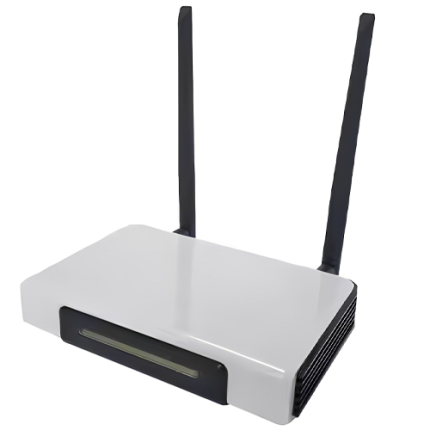
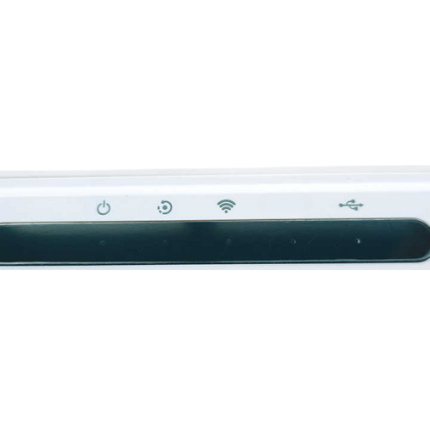
Advanced Indoor LoRaWAN Building Automation Gateway – GAOTek
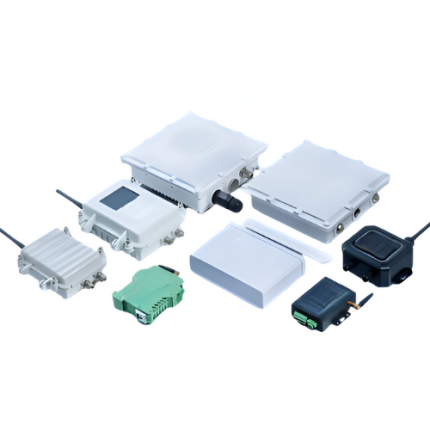

Advanced LoRaWAN Gateway for 4G, Ethernet, and Wi-Fi Wireless Data Transmission – GAOTek


Advanced LoRaWAN Gateway with Wi Fi and LTE Support – GAOTek

Bluetooth to LoRaWAN Gateway – GAOTek
Here are the LoRaWAN End Devices offered by GAO Tek:


8 Channel LoRaWAN Gateway with WiFi Ethernet US915 or EU868 – GAOTek

Advanced LoRa Communication Module and Power Protection – GAOTek


Advanced LoRaWAN Field Tester with GPS – GAOTek


Advanced LoRaWAN Ultrasonic Monitoring Sensor – GAOTek


Advanced LoRaWAN Wireless Pressure Temperature Sensor -GAOTek

Advanced Water Meter with TMR Technology – GAOTek


Agriculture Greenhouse IoT Sensor with LoRa Wireless – GAOTek
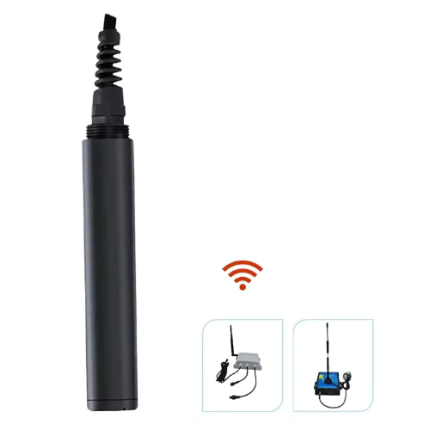
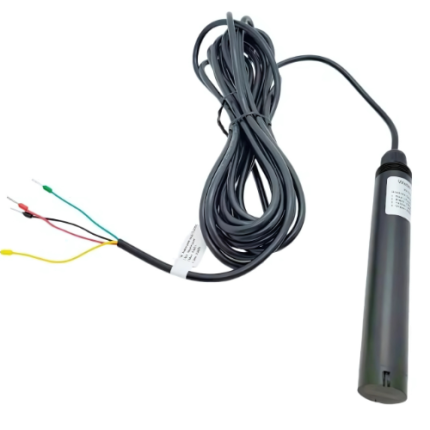
Aquaculture Water Turbidity Sensor with LoRaWAN – GAOTek
Navigation Menu for LoRaWAN
- LoRaWAN Gateways
- LoRaWAN End Devices
- LoRaWAN – Cloud, Server, PC & Mobile Systems
- LoRaWAN Accessories
- LoRaWAN Resources