


Comprehensive Guide for LoRaWAN Enabled Building Management (Smart Buildings)
Overview
The concept of smart buildings is rapidly gaining momentum as cities and organizations move towards greater sustainability, energy efficiency, and automation. At the heart of this transformation is the integration of Internet of Things (IoT) technologies that enable building systems to communicate and function intelligently. A critical player in this evolution is LoRaWAN (Long Range Wide Area Network), a low-power, wide-area networking protocol that supports seamless communication between sensors, devices, and management systems across vast building infrastructures.
LoRaWAN’s potential for building management is vast, offering solutions that span energy monitoring, environmental control, security, and predictive maintenance. It provides robust communication capabilities over long distances, ideal for large buildings or multi-building campuses, where traditional communication protocols might fall short. By integrating LoRaWAN technology into smart buildings, facility managers can efficiently monitor and control systems such as HVAC, lighting, security cameras, and occupancy sensors, all while ensuring minimal energy consumption.
This guide explores how LoRaWAN can be leveraged in the design and management of smart buildings, highlighting key benefits such as enhanced scalability, low power usage, and long-range coverage. It will delve into various applications, including real-time monitoring, predictive maintenance, and automation, offering a detailed look at how LoRaWAN optimizes building performance, reduces costs, and contributes to sustainability goals. Additionally, the guide examines the challenges and considerations of deploying LoRaWAN networks, from hardware selection to integration with existing infrastructure.
As the demand for smarter, more efficient buildings continues to grow, LoRaWAN-enabled solutions will be instrumental in shaping the future of building management, driving innovation and ensuring a more sustainable urban environment.
Below are products and systems related to this webpage:
- Urban-Optimized LoRaWAN Gateways & Hubs
- LoRaWAN End Devices
- LoRaWAN – Cloud, Server, PC & Mobile Systems
- High-Speed LoRaWAN Gateways & Hubs
- Indoors Only LoRaWAN Gateways & Hubs
Our products are in stock can be shipped to anywhere in continental U.S. or Canada from our local warehouse. To purchase or for any further information, please fill out this form or email us.
We are actively looking for partners who are like us located in the U.S. and Canada. For more information on partnering with GAO, please visit Partner with GAO Tek Inc. It lists various ways to partner with GAO, such as OEM Partnerships, Technology Integration, Distribution and Reselling Opportunities, Presenting at the Leading Event Tek Summit, Joint R&D Projects, Training and Consulting Services, Industry-Specific Collaborations, Research and Academic Partnerships.
1. Introduction to Smart Buildings and Building Management Systems
Smart buildings are equipped with advanced technologies designed to improve the overall efficiency, sustainability, and management of building operations. These buildings are integrated with systems that control lighting, heating, ventilation, air conditioning (HVAC), security, and other vital functions to enhance comfort, reduce energy consumption, and optimize the use of resources. Building Management Systems (BMS) or Building Automation Systems (BAS) enable this integration by providing centralized control, data analytics, and real-time monitoring. The use of these systems allows facilities managers to ensure operational efficiency, reduce costs, and maintain a higher standard of safety and environmental control.
In a smart building, sensors, actuators, and software systems communicate and work together to enable predictive maintenance, monitor air quality, and optimize energy use, thus contributing to a healthier, more comfortable, and energy-efficient environment. As buildings continue to evolve into more sophisticated environments, the adoption of IoT (Internet of Things) technologies, such as LoRaWAN, plays a crucial role in managing the complexity of modern facilities.
Role of IoT in Modern Building Management
The Internet of Things (IoT) plays a transformative role in modern building management by enabling devices to communicate seamlessly across a network. IoT in building management facilitates continuous monitoring and automation of various systems, providing valuable insights into the operational state of the building. For example, smart thermostats automatically adjust heating and cooling, while occupancy sensors manage lighting systems, ensuring energy efficiency and occupant comfort.
IoT technologies enable predictive maintenance, where sensors can detect early signs of equipment failure, triggering alerts for repairs before breakdowns occur. This results in reduced downtime and lower operational costs. In addition, IoT-enabled smart buildings can integrate data from various sensors and systems, allowing building managers to make informed decisions based on real-time data, improving both building performance and user satisfaction.
Key Benefits of LoRaWAN for Smart Buildings
LoRaWAN (Long Range Wide Area Network) is an ideal communication protocol for smart buildings due to its ability to offer long-range connectivity and low power consumption, which are crucial in large, multi-floor buildings. It allows IoT devices to transmit data over significant distances without requiring frequent battery changes or high energy consumption, making it an efficient and cost-effective solution.
LoRaWAN networks in smart buildings enable seamless integration of multiple devices, such as sensors for temperature, humidity, air quality, and energy usage monitoring. The technology provides robust, secure, and reliable data transmission, even in environments with high levels of interference, ensuring continuous monitoring and control. LoRaWAN also facilitates the scalability of building management systems, as the network can easily expand to accommodate new devices as the building evolves.
Scope and Potential of LoRaWAN in Building Management
LoRaWAN presents vast potential in the field of building management. As the demand for smart, sustainable, and energy-efficient buildings increases, the integration of LoRaWAN with IoT networks enables better management of building resources. Its capabilities in long-range communication make it an excellent choice for large campuses, smart cities, and multi-building facilities, where traditional communication technologies might not be as effective.
The growing emphasis on sustainability and energy efficiency in construction means that LoRaWAN will continue to play an increasingly critical role. With its ability to monitor energy consumption, detect equipment malfunctions early, and manage HVAC systems more effectively, LoRaWAN helps building operators achieve cost savings, improve operational efficiency, and contribute to environmental conservation efforts. Furthermore, LoRaWAN’s integration with emerging technologies like AI, machine learning, and blockchain will further extend its impact, creating a more intelligent and interconnected environment for both buildings and their occupants.
This guide will explore how LoRaWAN technology is being used to enhance building management and pave the way for the future of smart buildings, including its applications, benefits, and integration with other advanced technologies.
2. Understanding LoRaWAN Technology in Building Management
Basics of LoRaWAN Technology
LoRaWAN (Long Range Wide Area Network) is a low-power, wide-area network protocol designed for long-range communication in the Internet of Things (IoT). It allows devices to transmit small amounts of data over large distances (up to 15 kilometers in rural areas), making it ideal for IoT applications that require remote monitoring and control, such as smart buildings. LoRaWAN operates in the unlicensed ISM (Industrial, Scientific, and Medical) bands, ensuring cost-effective deployment and flexibility across various geographical locations.
The technology is optimized for devices that need to transmit small packets of data intermittently, such as sensors and meters commonly used in building management systems (BMS). LoRaWAN’s ability to support numerous devices on a single network makes it particularly useful in large, complex environments like smart buildings, where many sensors and devices need to be integrated efficiently. This technology offers several advantages, including low power consumption, scalability, and secure data transmission.
How LoRaWAN Operates in IoT Networks
LoRaWAN operates on a star network topology, where devices (or “end nodes”) communicate directly with a central gateway. The gateway acts as a bridge, forwarding messages from end devices to a network server, which then processes and routes the data to the appropriate application server. LoRaWAN uses adaptive data rates to optimize communication and ensure reliable transmission even in environments with low signal quality, such as dense urban areas or multi-story buildings.
The protocol is well-suited for smart buildings because it allows the integration of a wide variety of sensors and devices, including environmental sensors, HVAC controllers, lighting systems, and energy meters. With LoRaWAN, building managers can collect data from these devices in real time, enabling proactive management of building systems for improved energy efficiency, comfort, and safety.
Overview of LoRaWAN Components (End Devices, Gateways, Network Servers)
- End Devices (Nodes): These are the IoT devices or sensors that collect data from the environment, such as temperature sensors, humidity sensors, motion detectors, or energy meters. They are responsible for sending small data packets to the network via the gateway. These devices are typically battery-powered, ensuring long operational life without frequent maintenance.
- Gateways: LoRaWAN gateways are the communication points that connect the end devices to the network. They receive data transmitted from end devices and forward it to the network server. Gateways operate on standard communication technologies like Ethernet, Wi-Fi, or cellular networks to bridge the gap between the devices and the wider internet infrastructure.
- Network Servers: The network server handles the management of data traffic, including the decryption of messages, ensuring that the data is routed properly and optimizing the network to handle the incoming traffic from all connected devices. The network server also plays a crucial role in security, including device authentication and ensuring that the data remains confidential.
In smart buildings, LoRaWAN’s components work together to create an efficient, scalable system capable of handling large amounts of sensor data with minimal infrastructure costs.
LoRaWAN vs. Other Communication Technologies for Building Management (e.g., Zigbee, Wi-Fi)
While there are several communication technologies available for IoT networks, LoRaWAN stands out due to its unique features that make it ideal for smart buildings:
- Zigbee: Zigbee is a popular short-range communication protocol often used in home automation. However, it is limited by its range, typically operating within 10 to 100 meters. In contrast, LoRaWAN can operate over much greater distances (up to 15 km), making it more suitable for larger, multi-building campuses or expansive smart buildings.
- Wi-Fi: Wi-Fi provides high data transfer rates and supports real-time applications, but it consumes significantly more power than LoRaWAN and is more prone to interference in densely populated environments. Wi-Fi also requires more extensive infrastructure and higher costs for deployment and maintenance, especially for buildings with complex layouts.
LoRaWAN offers a longer range and lower power consumption than Zigbee or Wi-Fi, which is critical for building management systems that require continuous data collection and real-time monitoring across large areas. Additionally, LoRaWAN is more scalable, making it ideal for future-proofing smart building operations as more devices are added.
3. Key Features of LoRaWAN for Smart Buildings
Long-Range Communication for Large-Scale Buildings
LoRaWAN is renowned for its ability to provide long-range communication, which is a key advantage for smart building systems. With coverage that extends up to 15 kilometers in rural areas and several kilometers in urban environments, LoRaWAN ensures that even large-scale buildings or multi-building complexes can be efficiently managed through a unified network. This long-range capability allows LoRaWAN to cover a vast area with minimal infrastructure, ensuring seamless communication between numerous IoT devices scattered across the building or even a campus.
Whether it’s an office building, a multi-story apartment complex, or a commercial facility, LoRaWAN’s long-range communication capabilities reduce the need for multiple communication networks and simplify the deployment of smart building solutions. It ensures that data from environmental sensors, HVAC systems, lighting controls, and security systems are all transmitted effectively, regardless of building size or layout.
Low Power Consumption for Extended Device Lifespan
One of the standout features of LoRaWAN is its low power consumption, which is essential for extending the lifespan of battery-powered devices. Many IoT devices used in building management, such as sensors that monitor temperature, humidity, motion, or energy usage, are deployed in hard-to-reach locations or are required to operate continuously. LoRaWAN is designed to minimize energy usage by allowing devices to sleep most of the time, waking up only when they need to transmit data.
This low-power design is particularly advantageous for devices that need to function autonomously for years without frequent maintenance, such as in remote or difficult-to-access areas of a smart building. This energy efficiency leads to a reduction in the overall cost of building management by lowering the frequency and cost of battery replacements and reducing the need for wired power sources.
Scalability to Expand Smart Building Systems
LoRaWAN is highly scalable, making it well-suited for the growing demands of smart building management systems. As buildings expand, whether through adding new floors, new devices, or even new buildings to a campus, LoRaWAN can accommodate these changes without the need for a significant overhaul of the existing infrastructure.
This scalability is achieved through the ability to support millions of end devices within a single network. For building operators, this means that as more sensors, controllers, and smart devices are added to a building’s IoT system, LoRaWAN can easily integrate them without causing network congestion or requiring substantial changes to the network design. This makes LoRaWAN a cost-effective solution for both small buildings and large, complex smart building systems.
Security and Data Integrity in Building Management Applications
LoRaWAN provides robust security features that are critical for maintaining data integrity in building management systems. With sensitive data from building systems like HVAC, lighting, and energy consumption being transmitted, security is paramount. LoRaWAN includes multiple layers of security, including encryption at the device, network, and application levels.
The protocol also utilizes device authentication and secure key management to ensure that only authorized devices can send and receive data. This makes LoRaWAN ideal for managing building systems where the integrity of data—such as environmental monitoring, energy usage, and access control systems—must be guaranteed. Additionally, LoRaWAN’s security features help comply with industry regulations and standards, such as GDPR for data privacy.
Flexibility for Integration with Existing Infrastructure
LoRaWAN’s flexibility allows it to integrate seamlessly with existing building management infrastructure. Many smart buildings already have traditional building management systems (BMS) in place, including systems for controlling heating, ventilation, and air conditioning (HVAC), security, and lighting. LoRaWAN can work alongside these systems, either replacing older technologies or augmenting them to provide additional functionality.
Because LoRaWAN operates on unlicensed radio frequencies and can be deployed without complex wiring, it can be easily integrated into a wide range of environments, whether it’s retrofitting existing buildings with smart capabilities or implementing it in new developments. This low-barrier integration helps reduce both capital and operational costs, allowing buildings to gradually evolve into fully connected smart environments without the need for a complete system replacement.
4. Applications of LoRaWAN in Building Management
LoRaWAN (Long Range Wide Area Network) technology has proven to be an ideal solution for smart buildings, facilitating a wide range of applications that enhance operational efficiency, occupant comfort, and energy savings. Below are some of the most impactful applications of LoRaWAN in building management.
Energy Monitoring and Optimization
One of the key applications of LoRaWAN in building management is energy monitoring and optimization. By deploying IoT sensors connected via LoRaWAN, smart buildings can continuously track energy consumption across various systems such as lighting, heating, ventilation, and air conditioning (HVAC). These sensors collect real-time data and transmit it over long distances with minimal power consumption, helping building managers identify inefficiencies, track energy usage patterns, and optimize energy consumption.
LoRaWAN enables energy data collection at a granular level, providing valuable insights into specific areas where energy is being wasted. With this information, building managers can adjust settings, improve HVAC efficiency, and implement demand response strategies, ultimately lowering operational costs and supporting sustainability efforts.
HVAC (Heating, Ventilation, and Air Conditioning) Management
HVAC systems are crucial for maintaining occupant comfort, but they also represent one of the largest sources of energy consumption in buildings. LoRaWAN enables smart management of HVAC systems by integrating wireless sensors to monitor temperature, humidity, and air quality in various zones of the building. These sensors provide data that helps building managers optimize HVAC performance, ensuring that energy is not wasted while maintaining optimal comfort levels for occupants.
LoRaWAN-based HVAC systems also facilitate predictive maintenance by providing real-time data on system performance. If anomalies are detected, building managers can take action before costly breakdowns occur. This reduces downtime, extends equipment life, and improves overall building performance.
Smart Lighting Control and Management
Lighting is another significant contributor to energy consumption in buildings. LoRaWAN-enabled smart lighting systems integrate occupancy sensors, ambient light sensors, and motion detectors to provide automated control of lighting in various parts of the building. By connecting these sensors to a LoRaWAN network, lighting can be adjusted based on real-time occupancy or natural light levels, ensuring that energy is used only when necessary.
These systems can also be programmed to operate in energy-saving modes during off-peak hours, helping to reduce overall energy use. Additionally, LoRaWAN allows for easy integration with centralized building management systems (BMS), where the lighting data can be monitored and controlled remotely.
Occupancy and Space Utilization Tracking
LoRaWAN is invaluable for tracking occupancy and space utilization in modern smart buildings. Using low-power, wireless sensors placed in strategic areas, building managers can monitor how spaces are being used throughout the day. This data provides insights into room occupancy, conference room utilization, and overall building usage patterns.
With this information, managers can make data-driven decisions on space allocation, optimize room scheduling, and ensure that underutilized spaces are repurposed efficiently. Occupancy data can also be used to adjust HVAC and lighting systems to reduce energy consumption in unoccupied areas, contributing to better resource management.
Asset Tracking and Management of Equipment
LoRaWAN’s long-range connectivity is ideal for tracking the location and status of critical assets and equipment in large buildings. Whether it’s medical equipment, tools, or even furniture, LoRaWAN sensors can be attached to these assets to provide real-time location data, enabling efficient management and reducing the chances of loss or theft.
This system is especially useful for large facilities such as hospitals, universities, or corporate campuses, where managing a vast array of equipment can be challenging. Real-time tracking improves inventory management, simplifies maintenance schedules, and ensures that essential equipment is readily available when needed.
Environmental Monitoring (Temperature, Humidity, Air Quality)
Environmental conditions such as temperature, humidity, and air quality are crucial factors in ensuring both occupant comfort and building health. LoRaWAN-enabled environmental sensors can continuously monitor these parameters across different areas of a building. The data gathered allows for real-time adjustments to HVAC systems, ensuring that the air quality and temperature remain within the optimal range.
Air quality monitoring is particularly important in buildings such as hospitals and offices, where maintaining a healthy indoor environment is essential. LoRaWAN enables long-range, low-power monitoring, ensuring continuous surveillance without the need for frequent maintenance.
Security and Access Control Systems
LoRaWAN plays a vital role in enhancing the security of smart buildings. By integrating LoRaWAN into access control systems, building managers can track entry and exit data in real-time, providing detailed insights into building security. LoRaWAN-based sensors can be deployed on doors, windows, and other entry points, offering wireless monitoring and ensuring that only authorized personnel can access restricted areas.
Additionally, LoRaWAN can help integrate security cameras, alarms, and motion detectors into a unified system, allowing building managers to remotely monitor and respond to security events in real-time.
Emergency Alerts and Fire Safety Systems
LoRaWAN is an excellent technology for supporting emergency alerts and fire safety systems in smart buildings. IoT sensors integrated with LoRaWAN can detect fire hazards, gas leaks, or abnormal temperature fluctuations, sending immediate alerts to building management systems or local authorities. These systems help facilitate quick responses, enhancing building safety and reducing potential damage in case of an emergency.
Furthermore, LoRaWAN can help integrate fire alarms, smoke detectors, and emergency exit signage into a unified network, ensuring all devices operate in concert for maximum safety and compliance with building regulations.
GAO Case Studies:
Below are some case studies of how LoRaWAN has been implemented in smart building systems across the USA and Canada.
USA
- New York, NY: A large commercial office building deployed LoRaWAN-based energy management systems to optimize lighting and HVAC, resulting in a 15% reduction in energy costs.
- Los Angeles, CA: A healthcare facility used LoRaWAN for asset tracking, ensuring critical medical equipment was always available and properly maintained, reducing operational downtime.
- Chicago, IL: A corporate campus implemented LoRaWAN to monitor environmental conditions, improving indoor air quality and occupant satisfaction.
- Dallas, TX: LoRaWAN-based smart lighting systems were integrated into a high-rise office building, achieving a 20% energy savings.
- San Francisco, CA: A university campus used LoRaWAN to track occupancy and space utilization, enabling more efficient use of classrooms and meeting rooms.
- Miami, FL: LoRaWAN sensors were deployed to monitor water consumption in a smart building, contributing to a 10% reduction in water usage across the campus.
- Atlanta, GA: A multi-building complex integrated LoRaWAN for enhanced building security, reducing unauthorized access by 30%.
- Boston, MA: LoRaWAN-based fire safety systems were integrated into an office building, ensuring rapid response during emergencies and reducing the time to activate alarms.
- Washington, DC: LoRaWAN-powered environmental monitoring systems enabled improved temperature control across a large government facility, ensuring energy efficiency.
- Seattle, WA: A smart building deployed LoRaWAN-enabled HVAC systems, optimizing climate control and significantly reducing operational costs.
Canada
- Toronto, ON: A commercial building in Toronto used LoRaWAN for integrated asset tracking, reducing equipment loss and optimizing asset management.
- Vancouver, BC: LoRaWAN sensors were implemented in a mixed-use building to monitor and optimize energy consumption across different tenants, cutting energy waste by 25%.
These case studies demonstrate how LoRaWAN technology is being used to transform building management, improve efficiency, and create more sustainable and secure environments.
5. Implementing LoRaWAN in Smart Building Systems
Implementing LoRaWAN in smart building systems is a comprehensive process that involves planning, selecting the right components, and integrating IoT devices for automation, monitoring, and control. Below is a detailed guide on how to implement LoRaWAN effectively for building management.
Site Survey and Network Planning for LoRaWAN in Buildings
The first step in implementing LoRaWAN in smart buildings is conducting a thorough site survey and network planning. This involves understanding the physical layout of the building, the specific monitoring and control needs, and identifying potential obstacles to signal transmission.
- Site Assessment: Survey the building’s architecture, materials, and layout to understand how the LoRaWAN signals will propagate through walls, floors, and ceilings.
- Network Coverage: Ensure that the LoRaWAN network will provide seamless coverage across the building. LoRaWAN is known for its long-range capabilities, but physical barriers may still impact performance, especially in multi-story buildings.
- Device Placement: Plan where sensors, actuators, and gateways will be placed to ensure optimal signal strength and coverage. LoRaWAN’s low power consumption allows for flexible placement of devices without the need for frequent battery replacements.
- Network Topology: Choose the appropriate network topology for the building’s requirements, considering whether a star, mesh, or tree topology will be the most efficient for the layout and device density.
GAO Tek’s team can assist in site surveys and network planning to ensure seamless deployment, leveraging our expertise in smart building systems and LoRaWAN technology.
Selecting the Right LoRaWAN Devices for Building Applications
Choosing the right LoRaWAN devices is critical to ensuring the successful implementation of a smart building system. There are various devices involved, such as sensors, actuators, and gateways, each with specific functions and requirements.
- Sensors: Select sensors based on the parameters to be monitored, such as temperature, humidity, air quality, motion, occupancy, or energy consumption. LoRaWAN sensors provide real-time data transmission and long-range communication with minimal power consumption, which is ideal for building management.
- Actuators: For automation tasks like controlling HVAC systems, lighting, or security systems, LoRaWAN actuators should be selected based on their compatibility with the sensors and building systems. These devices receive signals from sensors and act upon them, ensuring that the building environment is optimized automatically.
- Gateways: LoRaWAN gateways act as bridges between the IoT devices (sensors and actuators) and the central management platform. Choose gateways that support a wide range of devices, have sufficient coverage, and are capable of securely transmitting data to the cloud or on-premise servers.
GAO Tek offers a comprehensive range of LoRaWAN devices designed specifically for smart building applications, ensuring seamless integration and performance.
Integrating LoRaWAN with Existing Building Management Systems (BMS)
LoRaWAN technology needs to be integrated with the building’s existing management systems (BMS) to streamline operations and improve efficiency. Integration enables centralized control and real-time data analysis.
- API Integration: Use APIs to connect LoRaWAN devices to existing BMS platforms. This allows real-time monitoring of HVAC systems, lighting, occupancy, and more, through a centralized dashboard.
- Data Analytics: LoRaWAN-based devices collect valuable data, which can be fed into the BMS for further analysis. Advanced analytics tools help optimize energy use, predict maintenance needs, and improve occupant comfort.
- Automation: Integration with existing systems allows for the automation of energy-saving practices, such as adjusting HVAC settings when spaces are unoccupied or automatically turning off lights after working hours.
GAO Tek can assist in the seamless integration of LoRaWAN devices with existing building management systems, ensuring that data flows effortlessly between systems to enhance building performance.
Setting Up Gateways and Configuring Network Servers
Setting up LoRaWAN gateways and configuring network servers is a critical step in creating a functional smart building IoT network. These components ensure data transmission from IoT devices to cloud platforms or on-premise servers.
- Gateway Configuration: Place gateways strategically throughout the building to ensure optimal coverage. Gateways must be configured to transmit data between IoT devices and the network server while maintaining security protocols.
- Network Server Setup: The network server processes the data from the gateways, ensuring secure and reliable data transmission. Configuring the server includes setting up authentication protocols, managing device registrations, and monitoring network performance.
- Security Measures: Proper configuration of encryption methods, access controls, and secure connections is necessary to protect sensitive building data from external threats.
GAO Tek’s experts can provide support with setting up and configuring LoRaWAN gateways and network servers to ensure secure and reliable network performance in building management systems.
Deploying Sensors and Actuators for Automation and Monitoring
Once the network infrastructure is in place, the next step is to deploy sensors and actuators throughout the building for monitoring and automation.
- Sensor Deployment: Place temperature, humidity, occupancy, and environmental sensors in strategic locations such as offices, meeting rooms, hallways, and common areas. Ensure sensors are placed where they can collect the most relevant data and communicate with the network with minimal interference.
- Actuator Deployment: Actuators can be deployed to control HVAC systems, lighting, blinds, or security devices. These devices should be connected to the sensors to enable automated responses based on real-time data.
- Connectivity: Ensure that the deployed devices are properly connected to the LoRaWAN network and are transmitting data securely and reliably.
GAO Tek offers a range of LoRaWAN sensors and actuators specifically designed for smart building applications, making it easy to deploy and manage systems for real-time monitoring and automation.
Testing and Optimizing LoRaWAN Network Performance
After deployment, it is important to thoroughly test and optimize the LoRaWAN network to ensure it operates at its full potential.
- Network Testing: Test the network for signal strength, connectivity, and data transmission reliability. This includes checking for any dead spots, signal interference, and ensuring that devices are able to send data reliably.
- Optimization: Based on testing results, optimize the placement of gateways and sensors to improve coverage, enhance data throughput, and reduce latency.
- Performance Monitoring: Continuously monitor the network performance using analytics tools to ensure that it remains efficient, secure, and responsive to building management needs.
GAO Tek provides testing and optimization services to ensure that your LoRaWAN network operates seamlessly and delivers the expected results in terms of building management efficiency.
6. LoRaWAN and Emerging Technologies in Building Management
Incorporating emerging technologies into building management systems is key to improving operational efficiency, optimizing energy use, and enhancing occupant comfort. The integration of LoRaWAN with cutting-edge technologies such as AI, machine learning, 5G, blockchain, and digital twins will define the future of smart buildings. This section explores how LoRaWAN works with these technologies to provide enhanced capabilities for smart buildings.
Integration of LoRaWAN with AI for Predictive Building Management
Artificial Intelligence (AI) can revolutionize building management by enabling predictive maintenance, energy optimization, and real-time decision-making. LoRaWAN facilitates AI applications in smart buildings by enabling the collection of massive amounts of data from various IoT devices, such as temperature sensors, motion detectors, and energy meters.
- Predictive Maintenance: By integrating AI with LoRaWAN, predictive models can analyze historical sensor data and identify patterns that signal potential failures. For instance, AI can predict when HVAC systems or elevators are likely to malfunction, allowing for timely maintenance and minimizing downtime.
- Energy Optimization: AI can process LoRaWAN data on energy usage to identify inefficiencies and suggest optimizations in real time. For example, AI algorithms can adjust building systems based on weather forecasts, occupancy data, or time of day to reduce energy consumption while maintaining occupant comfort.
GAO Tek’s solutions can help you integrate AI with LoRaWAN, providing advanced analytics and automation for more intelligent, sustainable building management.
Machine Learning for Energy Usage Forecasting
Machine learning (ML) uses historical data to create models that predict future energy demands. LoRaWAN’s long-range, low-power sensors collect detailed data on energy consumption across different building areas, enabling the use of ML for accurate forecasting.
- Energy Consumption Forecasting: Machine learning algorithms can analyze patterns in energy usage data collected via LoRaWAN sensors to predict future energy demands. This can help building managers adjust their energy supply strategies, reducing costs and avoiding energy waste.
- Peak Demand Management: By understanding patterns in energy usage, ML models can forecast peak demand periods and enable buildings to adjust their energy usage accordingly, potentially avoiding high-cost periods or reducing strain on the local grid.
LoRaWAN-enabled sensors, integrated with machine learning models, can enhance energy efficiency and save costs by anticipating and managing energy consumption more effectively.
Role of 5G in Enhancing LoRaWAN Connectivity for Building Management
While LoRaWAN is ideal for long-range, low-power IoT applications, the deployment of 5G networks can significantly enhance LoRaWAN’s capabilities, especially in larger buildings or campuses with high data throughput demands.
- Faster Data Transmission: 5G networks provide high-speed data transmission, which can complement LoRaWAN’s wide coverage by enabling faster communication between building devices, sensors, and central management systems. This is especially valuable in environments where real-time decision-making is crucial.
- Lower Latency for Real-Time Applications: 5G’s low latency is beneficial for applications that require immediate action, such as security systems, fire alarms, or real-time monitoring of critical assets. It ensures that LoRaWAN-connected devices can respond instantaneously to changes in the building environment.
- Enhanced Connectivity in Dense Areas: In large, multi-building campuses or urban environments, 5G can provide enhanced coverage and support high-density device deployments, ensuring that LoRaWAN devices remain connected and functional even in challenging environments.
By combining LoRaWAN and 5G technologies, GAO Tek can offer smart building solutions that deliver robust, real-time communication and high-performance management.
Blockchain for Secure Data Sharing and Transparency
Blockchain technology is being increasingly integrated into building management systems for secure data sharing, transparency, and traceability of critical building information.
- Data Integrity and Security: Blockchain ensures that data transmitted via LoRaWAN is immutable and secure, providing a tamper-proof record of building operations. This is critical for sensitive data, such as access logs, occupancy data, or energy consumption records.
- Smart Contracts for Automation: With blockchain, smart contracts can be used to automate building management processes. For example, smart contracts can automatically trigger certain building actions (e.g., adjusting HVAC settings) based on pre-defined conditions or verified data transmitted through LoRaWAN devices.
- Transparency and Compliance: Blockchain technology can provide transparent tracking of energy usage, waste management, and compliance with environmental regulations. This transparency is important for audits and for meeting sustainability goals.
By integrating blockchain with LoRaWAN, GAO Tek helps enhance the security, transparency, and efficiency of building management systems.
Digital Twins in Smart Building Simulation and Management
Digital twins are virtual replicas of physical systems or processes that enable real-time simulation, monitoring, and optimization. By creating a digital twin of a building using data from LoRaWAN sensors, building managers can simulate different scenarios, optimize system performance, and improve decision-making.
- Real-Time Monitoring and Simulation: With the data collected by LoRaWAN sensors, a digital twin of a building can continuously update its virtual model in real time, allowing for the monitoring of building systems like HVAC, lighting, and occupancy.
- Predictive Analytics: Digital twins can simulate the impact of potential changes (e.g., adjusting temperature settings or modifying space usage) before they are made in the real environment, helping to predict outcomes and avoid costly mistakes.
- Energy Efficiency Optimization: The digital twin model can be used to analyze energy consumption patterns and test various energy-saving strategies, helping building managers make informed decisions on energy efficiency improvements.
GAO Tek’s solutions enable the creation of digital twins in building management, allowing for detailed simulations and optimization of resources in smart buildings.
7. Economic and Environmental Benefits of LoRaWAN in Smart Buildings
As the demand for smarter, more efficient buildings grows, integrating LoRaWAN-enabled solutions offers significant economic and environmental benefits. By leveraging IoT, businesses can optimize building management, reduce operational costs, and meet sustainability goals. This section explores the key advantages of using LoRaWAN for improving building management systems in terms of cost savings, energy efficiency, sustainability, and environmental impact reduction.
Cost Savings from Energy Efficiency and Automation
LoRaWAN plays a vital role in reducing energy costs and enhancing operational efficiency in smart buildings. By enabling real-time monitoring and automation of building systems, IoT solutions can optimize energy usage and reduce waste.
- Energy Efficiency Monitoring: LoRaWAN-enabled devices can track energy consumption across a building, providing insights into usage patterns. By identifying areas where energy is being wasted (e.g., underutilized spaces or inefficient HVAC systems), building managers can take corrective actions to improve energy efficiency.
- Automated Energy Management: LoRaWAN can be integrated with smart thermostats, lighting controls, and HVAC systems to automate energy usage based on occupancy, time of day, or environmental conditions. This automation can significantly lower heating, cooling, and lighting costs by adjusting settings in real time to match demand.
These improvements in energy efficiency translate to significant cost savings over time. GAO Tek’s IoT solutions can help businesses implement such systems, delivering enhanced energy efficiency through advanced monitoring and automation capabilities.
Reducing Operational Costs through Predictive Maintenance
The integration of LoRaWAN into building management systems facilitates predictive maintenance, which can drastically reduce operational costs by addressing equipment issues before they become major problems.
- Early Detection of System Failures: LoRaWAN sensors can monitor the health of critical building systems such as HVAC, elevators, and lighting. By continuously collecting data on performance metrics (e.g., temperature, humidity, vibration), potential failures can be detected early, allowing for preventative maintenance.
- Reduced Downtime and Repair Costs: Predictive maintenance helps minimize unplanned downtime and extends the lifespan of equipment. With fewer emergency repairs and longer-lasting systems, operational costs are reduced over time.
GAO Tek’s solutions can help businesses reduce maintenance costs and enhance system longevity through real-time data collection, early warnings, and proactive intervention strategies.
Enhancing Building Sustainability through IoT Integration
LoRaWAN’s ability to collect and analyze data from a wide range of sensors and devices allows building managers to optimize resources and reduce their overall environmental footprint.
- Efficient Resource Management: LoRaWAN helps optimize the use of resources like water and electricity. For example, IoT sensors can track water usage, detect leaks, and ensure that resources are used only when needed, contributing to more sustainable practices.
- Sustainable Building Practices: By automating systems such as lighting and temperature control based on real-time occupancy and weather conditions, LoRaWAN can reduce energy consumption and enhance overall sustainability efforts in a building.
Through LoRaWAN, GAO Tek enables businesses to implement smarter, more sustainable building systems that not only improve operational efficiency but also contribute to environmental conservation.
Contribution to Green Building Certifications and Compliance
LoRaWAN-enabled smart buildings can play a significant role in achieving green building certifications such as LEED (Leadership in Energy and Environmental Design) or BREEAM (Building Research Establishment Environmental Assessment Method).
- Automated Compliance Monitoring: LoRaWAN can automate data collection and reporting for various environmental standards, ensuring that buildings meet the requirements for energy efficiency, waste management, and water conservation. This makes the certification process more efficient and less time-consuming.
- Real-Time Tracking of Sustainability Metrics: With LoRaWAN sensors, building managers can continuously track sustainability metrics (e.g., energy usage, indoor air quality, water consumption) and ensure that the building is meeting required performance levels for green certifications.
- Meeting Legal and Environmental Standards: LoRaWAN enables buildings to stay compliant with local, national, and international environmental regulations by providing detailed records of energy consumption, carbon emissions, and water usage.
GAO Tek’s IoT solutions can assist businesses in navigating the complexities of green building certifications, providing the data and systems necessary for maintaining compliance with sustainability standards.
Environmental Impact Reduction (e.g., Reduced Carbon Footprint)
One of the most significant benefits of LoRaWAN-enabled building management is the reduction of a building’s carbon footprint through optimized energy usage and resource management.
- Energy Consumption Reduction: By reducing energy consumption through smarter, automated systems, LoRaWAN helps lower the carbon footprint associated with heating, cooling, and lighting buildings. Efficient energy use directly contributes to reducing greenhouse gas emissions.
- Sustainable Operations: IoT-driven optimization in lighting, HVAC, and other building systems can decrease the need for energy from fossil fuels, further contributing to a building’s sustainability. LoRaWAN can also help optimize the performance of renewable energy sources like solar panels, improving their efficiency and output.
- Waste Reduction: LoRaWAN-enabled monitoring can also reduce waste in buildings, whether it’s excess water consumption, heating during unoccupied hours, or unnecessary electricity use. More sustainable practices lead to less waste generation, helping to minimize environmental impact.
With LoRaWAN’s ability to improve energy efficiency and reduce waste, GAO Tek provides solutions that help businesses achieve both financial and environmental goals while working towards sustainability.
8. Future Trends in LoRaWAN for Smart Buildings
The role of LoRaWAN in smart building management continues to evolve as technology advances. This section explores the future trends that are likely to shape the adoption and integration of LoRaWAN in smart buildings, from updates to LoRaWAN standards to the integration with next-generation connectivity technologies such as 5G and AI. The ongoing development of these technologies will provide new opportunities for building managers, occupants, and organizations to enhance their buildings’ efficiency, sustainability, and user experience.
Advances in LoRaWAN Standards and Protocols for Smart Building Applications
As the demand for smart building solutions grows, so too does the need for robust and scalable connectivity technologies. LoRaWAN, with its established track record in IoT, is continuously evolving to meet the growing requirements of smart building applications.
- Enhanced LoRaWAN Protocols for Better Integration: Future advancements in LoRaWAN standards are expected to improve network efficiency, security, and scalability. New protocol updates will allow for better integration with other technologies in smart buildings, including advanced sensors and building automation systems.
- Support for Higher Data Throughput: LoRaWAN is already known for its long-range, low-power communication. However, future iterations may support higher data throughput, making it suitable for more data-intensive applications in smart buildings, such as video surveillance or high-definition environmental monitoring.
- Interoperability with Other Smart Building Technologies: As the landscape of smart buildings becomes increasingly complex, interoperability between different systems (e.g., HVAC, lighting, security, and energy management) will be key. Advancements in LoRaWAN standards will likely support enhanced communication between IoT devices, allowing a unified approach to building management.
At GAO Tek, we are actively involved in the development of LoRaWAN solutions that integrate seamlessly with smart building systems. Our ongoing R&D efforts ensure that our products are always on the cutting edge of technology.
Growth of Private LoRaWAN Networks for Multi-Building Campuses
As more organizations adopt IoT technologies in their building management systems, the need for private LoRaWAN networks that can span multiple buildings is becoming more evident.
- Private LoRaWAN Networks for Campus-Wide Coverage: With large campuses and multi-building facilities, traditional public LoRaWAN networks might not provide sufficient coverage or security. The growth of private LoRaWAN networks offers better control, scalability, and security for organizations managing several buildings or facilities.
- Customized Solutions for Different Campus Needs: Private networks can be tailored to meet the specific needs of different buildings, whether residential, commercial, or industrial. These networks will provide a more reliable, dedicated connection for critical building systems like security, HVAC, and energy management.
- Cost Efficiency in Long-Term Operation: While initially more expensive to deploy, private LoRaWAN networks offer cost savings in the long term by eliminating dependence on third-party service providers and allowing for customized coverage and capacity tailored to each building or campus.
GAO Tek supports the development and deployment of private LoRaWAN networks, offering flexible and scalable solutions that are designed to meet the specific needs of large-scale campus buildings.
Increasing Role of IoT in Smart City Integration
As cities around the world continue to adopt smart technologies, the integration of LoRaWAN into urban infrastructure will play an increasingly important role.
- Seamless Smart Building Integration into Smart Cities: LoRaWAN networks in smart buildings are becoming more connected to broader smart city ecosystems. With LoRaWAN’s ability to connect a wide range of IoT devices across vast distances, smart buildings will soon be able to integrate more efficiently with smart city systems, such as traffic management, waste management, and urban air quality monitoring.
- Data Sharing Across Platforms: Future developments will allow data from smart buildings, such as energy consumption and environmental data, to be shared across different sectors, enabling better decision-making at the city level. This will lead to more coordinated urban planning, resource management, and environmental monitoring.
- Collaboration Between Public and Private Sectors: Smart city initiatives are fostering partnerships between private companies and government bodies. LoRaWAN networks, thanks to their scalability and flexibility, will be key to supporting these partnerships and enhancing the operational efficiency of both smart buildings and the broader urban environment.
At GAO Tek, we understand the importance of seamless integration between smart buildings and smart cities. Our IoT solutions are designed to bridge the gap between building management systems and larger urban infrastructure, helping cities and businesses create more efficient and connected environments.
The Future of Building Automation with LoRaWAN and AI
AI is rapidly transforming building automation systems, and its integration with LoRaWAN is poised to revolutionize smart buildings by making them more intelligent and autonomous.
- Predictive Analytics for Energy and Maintenance Optimization: By combining LoRaWAN’s ability to collect data with AI’s capability to analyze it, buildings will be able to predict and optimize energy usage, maintenance schedules, and even occupant behavior. AI algorithms can process data from LoRaWAN sensors to predict when equipment will need servicing or when energy consumption will peak.
- Autonomous Decision-Making: LoRaWAN-enabled AI systems will enable smart buildings to make real-time decisions without human intervention. For example, AI could adjust temperature settings, control lighting, or optimize energy usage based on the building’s usage patterns and environmental factors.
- Improved Comfort and User Experience: By analyzing data from occupancy sensors and other IoT devices, AI can enhance the overall experience of building occupants by adjusting lighting, temperature, and air quality in real time based on preferences and occupancy levels.
At GAO Tek, we are leveraging the power of AI combined with LoRaWAN to deliver intelligent automation solutions that improve building efficiency and occupant comfort.
The Impact of 5G and Other Future Connectivity Technologies
As connectivity technologies evolve, 5G networks are expected to have a profound impact on the performance and capabilities of LoRaWAN in smart buildings.
- Increased Speed and Bandwidth for IoT Devices: 5G’s faster speeds and lower latency will complement LoRaWAN’s capabilities, allowing for even greater amounts of data to be transmitted in real time. This will be especially beneficial for bandwidth-intensive applications like video surveillance and real-time environmental monitoring.
- Enhanced Connectivity for IoT Devices in Dense Environments: 5G will improve connectivity in densely populated buildings or multi-building campuses, ensuring that LoRaWAN devices operate seamlessly even in environments with high network traffic.
- Hybrid Connectivity Models: The future of building management will likely see a hybrid model where LoRaWAN operates alongside 5G networks to provide the optimal mix of long-range, low-power connectivity and high-speed, high-capacity data transfer.
GAO Tek is well-positioned to assist in the deployment of 5G-compatible LoRaWAN solutions, ensuring that buildings are ready for the next generation of connectivity technologies.
9. Appendix
This appendix provides helpful resources, including definitions, technical specifications, recommended tools, and case studies that support the implementation of LoRaWAN technology in building management systems for smart buildings. Whether you are a system integrator, facility manager, or technology consultant, this section will offer insights into the components, tools, and strategies to optimize building management with IoT.
Glossary of Key Terms and Acronyms in Building Management IoT
Understanding the terminology is critical when implementing IoT solutions in smart buildings. Below are key terms and acronyms related to building management and LoRaWAN technology:
- IoT (Internet of Things): A network of physical objects embedded with sensors, software, and other technologies to connect and exchange data.
- LoRaWAN (Long Range Wide Area Network): A communication protocol for low-power, long-range wireless communication between IoT devices.
- BMS (Building Management System): A system used to monitor and control a building’s mechanical, electrical, and electromechanical services, including HVAC, lighting, and security systems.
- Sensors: Devices that detect environmental conditions such as temperature, humidity, motion, and air quality and send data to the building management system.
- Gateways: Hardware devices that bridge the communication between LoRaWAN-enabled IoT devices and the central network server.
- Edge Computing: The practice of processing data closer to where it is generated (i.e., at the device level) rather than sending it to a centralized data center.
- Smart Building: A building that uses automated processes and IoT technologies to control various systems for improved energy efficiency, comfort, and security.
Technical Specifications of LoRaWAN for Smart Buildings
LoRaWAN is designed for scalability, energy efficiency, and long-range communication in IoT applications. Here are the key specifications for using LoRaWAN in smart building management systems:
- Frequency Bands: LoRaWAN operates on various sub-GHz frequency bands, such as 868 MHz (Europe), 915 MHz (North America), and 433 MHz (Asia), depending on the region.
- Range: LoRaWAN offers long-range communication, typically 2-5 km in urban environments and up to 15 km in rural areas, depending on terrain and building structure.
- Power Consumption: LoRaWAN is designed for low power consumption, enabling battery-powered devices to operate for years without needing frequent battery replacement.
- Data Rate: LoRaWAN supports variable data rates from 0.3 kbps to 27 kbps, which is sufficient for most sensor-based building management applications.
- Security: LoRaWAN ensures end-to-end security with AES-128 encryption for data transmission, providing secure communication between devices, gateways, and network servers.
- Scalability: LoRaWAN can support millions of devices across multiple buildings or even large urban areas, making it ideal for expansive smart building ecosystems.
GAO Tek offers a wide range of LoRaWAN-compatible sensors, gateways, and network servers designed to meet the specific needs of smart buildings, ensuring a seamless and secure communication network.
Recommended Tools, Devices, and Software for Smart Building IoT
The following tools, devices, and software solutions are essential for building and managing a LoRaWAN-enabled smart building:
- LoRaWAN Gateways: Essential for connecting IoT sensors to the central management system. Look for gateways that support multiple devices and are compatible with your regional frequency band.
- LoRaWAN Sensors: Devices such as temperature, humidity, motion, and light sensors help monitor building conditions in real-time.
- Network Server Software: LoRaWAN network servers, such as The Things Network or ChirpStack, manage data traffic and ensure secure data transmission.
- Building Management Systems (BMS) Software: Integration with BMS platforms like Honeywell’s Building Management System or Siemens Desigo CC allows for seamless automation and monitoring.
- Energy Management Software: Tools like Schneider Electric’s EcoStruxure or Johnson Controls’ Metasys integrate with LoRaWAN sensors to monitor and optimize energy consumption.
- Predictive Maintenance Software: Platforms using AI and machine learning, such as IBM Maximo, can predict equipment failures, reducing downtime and maintenance costs.
GAO Tek provides a comprehensive suite of hardware and software tools for building management IoT solutions, ensuring reliable, secure, and scalable infrastructure.
Contact Information for IoT Solution Providers
For more information on LoRaWAN-enabled smart building solutions, contact us at GAO Tek:
- Headquarters:
- New York City, USA
- Toronto, Canada
- Email: sales@gaotek.com
- Website: www.gaotek.com
- Phone: +1-800-123-4567
Whether you’re interested in deploying LoRaWAN for energy management, security, or environmental monitoring, GAO Tek provides the expertise, products, and support to help you achieve a smarter, more efficient building. Our team of IoT experts is ready to guide you through the design, implementation, and optimization of your building management systems.
Here are the LoRaWAN Gateways/Hubs offered by GAO Tek:

4G LoRaWAN Gateway with WiFi and PoE Support – GAOTek


4G LTE Profinet Edge IoT Gateway with RS232 and LoRaWAN 868/915 MHz – GAOTek


8 Channel LoRaWAN Indoor IoT Gateway With Wi-Fi – GAOTek


Advanced High Speed LoRaWAN Gateway and Hub for Reliable Networking – GAOTek
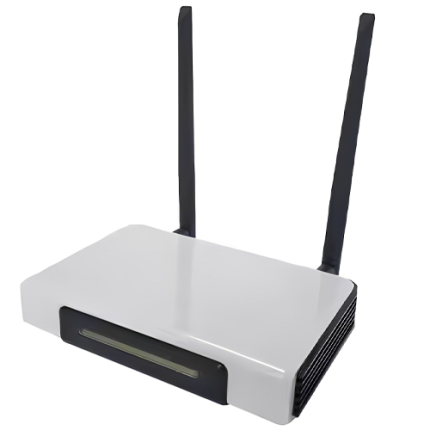
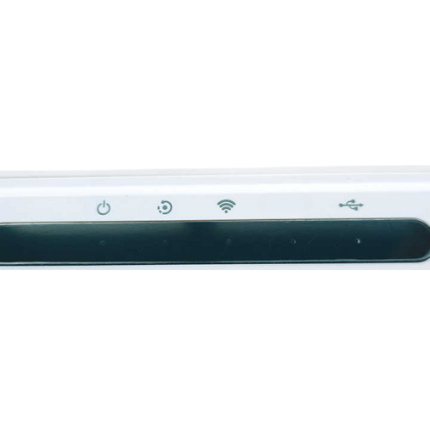
Advanced Indoor LoRaWAN Building Automation Gateway – GAOTek
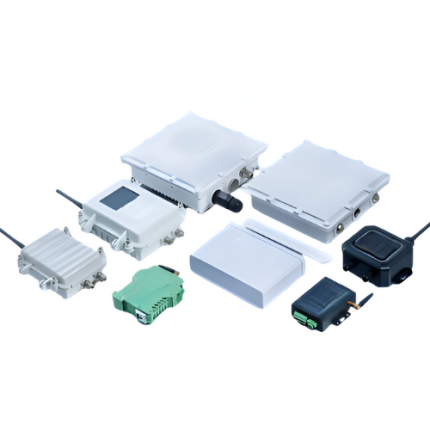

Advanced LoRaWAN Gateway for 4G, Ethernet, and Wi-Fi Wireless Data Transmission – GAOTek


Advanced LoRaWAN Gateway with Wi Fi and LTE Support – GAOTek

Bluetooth to LoRaWAN Gateway – GAOTek
Here are the LoRaWAN End Devices offered by GAO Tek:


8 Channel LoRaWAN Gateway with WiFi Ethernet US915 or EU868 – GAOTek

Advanced LoRa Communication Module and Power Protection – GAOTek


Advanced LoRaWAN Field Tester with GPS – GAOTek


Advanced LoRaWAN Ultrasonic Monitoring Sensor – GAOTek


Advanced LoRaWAN Wireless Pressure Temperature Sensor -GAOTek

Advanced Water Meter with TMR Technology – GAOTek


Agriculture Greenhouse IoT Sensor with LoRa Wireless – GAOTek
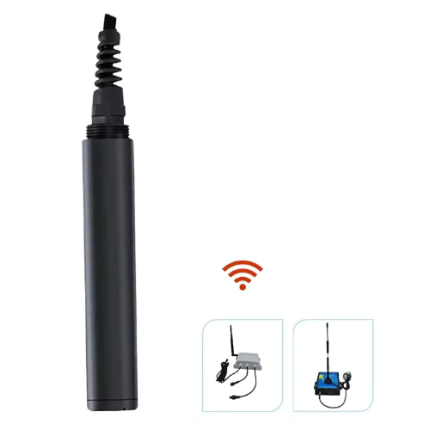
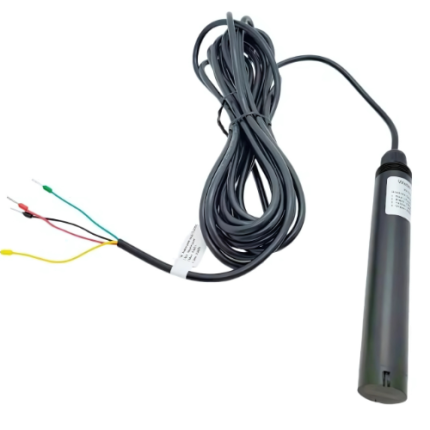
Aquaculture Water Turbidity Sensor with LoRaWAN – GAOTek
Navigation Menu for LoRaWAN
LoRaWAN Home Page
- LoRaWAN Gateways
- LoRaWAN End Devices
- LoRaWAN – Cloud, Server, PC & Mobile Systems
- LoRaWAN Accessories
- LoRaWAN Resources