


Comprehensive Guide for LoRaWAN Enabled Construction IoT
Overview
The construction industry is undergoing a digital transformation, with the Internet of Things (IoT) playing a pivotal role in improving operational efficiency, safety, and sustainability. IoT devices and sensors integrated into construction sites offer real-time monitoring, data analytics, and automation, resulting in smarter construction processes. A key technology enabling these advancements is LoRaWAN (Long Range Wide Area Network), a low-power, long-range communication protocol that is ideally suited for large-scale, outdoor environments like construction sites.
LoRaWAN is emerging as a fundamental enabler of IoT solutions in construction by providing reliable, wide-area connectivity for a variety of devices and sensors. Its ability to connect devices over long distances with minimal energy consumption makes it an ideal choice for monitoring assets, workers, and environmental conditions in challenging construction environments. The adoption of LoRaWAN on construction sites has the potential to revolutionize asset tracking, environmental monitoring, safety protocols, and maintenance practices, resulting in a safer, more efficient, and sustainable construction industry.
This guide provides a comprehensive exploration of LoRaWAN-enabled IoT solutions in the context of construction. It starts with an introduction to IoT in the construction sector, followed by an in-depth look at the LoRaWAN protocol and its importance. The guide then explores IoT architecture, network design considerations, key applications, benefits, and challenges of using LoRaWAN in construction. It concludes with a discussion on the future of LoRaWAN in the construction industry, highlighting emerging trends and market adoption. Additionally, an appendix provides valuable resources, including a glossary of terms, deployment checklists, and case studies. This guide aims to equip professionals in the construction industry with the knowledge needed to effectively integrate LoRaWAN-enabled IoT solutions into their operations.
Below are products and systems related to this webpage:
- LoRaWAN Gateways
- LoRaWAN End Devices
- Long Life LoRaWAN Gateways & Hubs
- ATEX LoRaWAN Gateways & Hubs
- LoRaWAN – Cloud, Server, PC & Mobile Systems
- Outdoor LoRaWAN End Devices
- Long Life LoRaWAN End Devices
Our products are in stock can be shipped to anywhere in continental U.S. or Canada from our local warehouse. To purchase or for any further information, please fill out this form or email us.
We are actively looking for partners who are like us located in the U.S. and Canada. For more information on partnering with GAO, please visit Partner with GAO Tek Inc. It lists various ways to partner with GAO, such as OEM Partnerships, Technology Integration, Distribution and Reselling Opportunities, Presenting at the Leading Event Tek Summit, Joint R&D Projects, Training and Consulting Services, Industry-Specific Collaborations, Research and Academic Partnerships.
1. Introduction to IoT in Construction
The Internet of Things (IoT) is transforming industries across the globe, and the construction sector is no exception. IoT in construction refers to the integration of physical devices, sensors, and real-time data networks to improve operational efficiency, enhance safety, and enable predictive maintenance. As the construction industry faces challenges related to resource management, safety compliance, and project delays, IoT provides a robust solution to streamline operations. Through connected devices and smart technology, construction sites can become more automated, reducing human error, cutting costs, and enhancing overall productivity.
GAO Tek Inc., headquartered in New York City and Toronto, Canada, is at the forefront of providing innovative IoT solutions to diverse industries, including construction. With four decades of experience, GAO Tek has become one of the leading suppliers of advanced B2B technologies, helping companies across the U.S., Canada, and globally optimize their IoT systems for a variety of applications. By leveraging cutting-edge technologies, we enable our clients to enhance safety, productivity, and efficiency on construction projects, ultimately driving a new era of innovation in the construction industry.
What is LoRaWAN?
LoRaWAN (Long Range Wide Area Network) is a low-power, wide-area networking protocol designed specifically for IoT applications. LoRaWAN operates over unlicensed radio frequencies, enabling devices to communicate over long distances while consuming minimal energy. This makes LoRaWAN particularly suitable for large-scale IoT deployments like those in construction, where devices need to operate continuously over extended periods, often in remote or harsh environments.
LoRaWAN provides several key benefits for the construction industry, including:
- Extended Range: LoRaWAN can cover distances up to several kilometers, even in urban environments with physical obstructions.
- Low Power Consumption: Devices running on LoRaWAN can operate for years on a single battery charge, which is crucial for IoT devices deployed across expansive construction sites.
- Scalability: LoRaWAN networks can easily scale to accommodate thousands of connected devices, making it an ideal choice for large construction projects that require massive amounts of data collection and monitoring.
As a trusted leader in B2B technologies, GAO Tek is equipped to support the deployment of LoRaWAN-based IoT solutions for construction applications. Our extensive R&D and support services ensure seamless integration, allowing businesses to harness the full potential of LoRaWAN networks on their construction sites.
Importance of LoRaWAN in Construction IoT
The construction industry’s shift toward smart technologies has introduced new opportunities for improvement, but also new challenges. Traditional wireless communication systems struggle to meet the demands of construction sites, which often span large areas and feature challenging conditions. This is where LoRaWAN stands out as a game-changer.
LoRaWAN enables cost-effective and reliable communication between devices and sensors over long distances. In construction, this is vital for monitoring and managing equipment, environmental conditions, and worker safety in real time, all while minimizing operational costs and maintenance efforts.
Key Benefits of LoRaWAN in Construction IoT:
- Real-time Monitoring: With LoRaWAN, data from sensors placed on machinery, tools, and infrastructure can be transmitted to centralized systems instantly. This data helps track equipment usage, monitor structural integrity, and improve maintenance schedules.
- Enhanced Worker Safety: Wearable IoT devices using LoRaWAN can track worker location, health metrics, and environmental conditions, providing crucial insights into safety risks and compliance with safety regulations.
- Operational Efficiency: LoRaWAN supports the automation of tasks such as asset tracking, inventory management, and predictive maintenance, reducing downtime and improving resource allocation.
As GAO Tek continues to lead the charge in providing top-tier IoT solutions, our expertise in LoRaWAN allows us to offer clients in the construction industry enhanced connectivity solutions for their most demanding projects. With our comprehensive range of products and services, we help clients reduce costs, mitigate risks, and ensure their construction projects remain on schedule.
Structure of the Guide
This guide is designed to provide an in-depth understanding of how LoRaWAN can be leveraged to optimize IoT solutions in the construction sector. We will begin with an overview of the IoT architecture specific to construction sites, followed by a deep dive into network design principles for deploying LoRaWAN on such sites. Key applications, benefits, and challenges associated with LoRaWAN in construction IoT will also be explored, providing real-world examples of how these technologies drive innovation and efficiency.
As a leading provider of advanced IoT technologies, GAO Tek is uniquely positioned to support your construction IoT initiatives. Our solutions, ranging from low-power sensors to fully integrated LoRaWAN networks, are backed by decades of expertise and commitment to quality. We are here to guide you through the process, from initial consultation and planning to deployment and ongoing support.
2. IoT Architecture for Construction Sites
Key Components of a LoRaWAN-Based IoT System
LoRaWAN-based IoT systems for construction sites consist of several key components that work together to collect, transmit, and analyze data. These components include sensors and devices, gateways, a network server, and the application layer. Each plays a crucial role in ensuring seamless communication and data processing across vast construction sites.
Sensors and Devices
Sensors and IoT devices are the foundation of any LoRaWAN-based system. In the context of construction sites, these sensors are deployed across the site to monitor a variety of conditions in real-time. Some common types of sensors used in construction IoT systems include:
- Environmental Sensors: These measure parameters such as temperature, humidity, air quality, and noise levels. Ensuring the environment remains within safe and optimal conditions is critical for both worker health and regulatory compliance.
- Equipment Monitoring Sensors: These sensors track machinery and equipment usage, such as vibration, temperature, and wear-and-tear data. They enable predictive maintenance, preventing equipment failures and downtime.
- Location and Asset Tracking Sensors: Using GPS, RFID, or Bluetooth Low Energy (BLE), these sensors provide real-time tracking of construction materials, tools, and personnel, reducing losses and improving logistical efficiency.
- Structural Health Monitoring Sensors: These sensors continuously monitor the health of structures being built, such as bridges, buildings, or tunnels. They measure stress, strain, and structural integrity to detect early signs of failure.
At GAO Tek Inc., we provide a wide range of advanced, IoT sensors and devices designed to meet the demanding requirements of construction sites. Our products offer long battery life, high accuracy, and durability, ensuring reliable data collection over extended periods and across large areas.
Gateways
Gateways are critical to bridging the communication between sensors and the central network infrastructure. LoRaWAN gateways receive data transmitted from IoT sensors and forward it to the network server via the Internet or private networks. They serve as intermediaries between low-power, long-range sensors, and cloud-based platforms.
Key considerations for LoRaWAN gateways in construction IoT include:
- Coverage: The gateway must cover a large area to ensure it captures data from all IoT devices on the construction site, which can span several hectares.
- Network Integration: The gateway must be compatible with the LoRaWAN network and able to communicate with a variety of sensors and devices.
- Scalability: Construction sites grow over time, and gateways should support the addition of more sensors without performance degradation.
At GAO Tek, we offer robust LoRaWAN gateways that are optimized for large-scale deployments, ensuring reliable communication across even the most challenging construction environments.
Network Server
The network server is the heart of a LoRaWAN-based IoT system. It manages the data traffic between gateways and the application layer. The network server performs several key tasks:
- Data Processing and Filtering: It filters out duplicate or irrelevant data, ensuring that only meaningful information is forwarded to the application layer.
- Security Management: The network server ensures that the data being transmitted is encrypted and secure from unauthorized access.
- Device Management: It handles device authentication, and registration, and ensures that only authorized devices are allowed to communicate within the network.
For construction IoT, the network server ensures that all devices function cohesively and that data is securely transmitted across the network, facilitating real-time decision-making.
Application Layer
The application layer is where the real value of the IoT system is realized. It is responsible for processing the data collected from sensors and gateways, providing insights and actionable intelligence. Construction site managers can monitor data streams, generate reports, and trigger alerts based on predefined conditions.
Examples of functions that might be handled at the application layer include:
- Real-Time Dashboards: Visual displays of data collected from various sensors, providing an instant overview of the construction site’s status.
- Predictive Maintenance: Analyzing equipment data to predict failures and schedule maintenance before issues arise, reducing downtime.
- Worker Safety Monitoring: Integration with wearables that track worker health metrics and safety conditions, providing alerts when workers are at risk.
GAO Tek’s IoT platform integrates seamlessly with a variety of application layers, enabling construction site managers to access critical information, optimize workflows, and enhance safety.
System Integration
Integrating a LoRaWAN-based IoT system into a construction site’s existing infrastructure is crucial for maximizing the value of the system. System integration involves connecting various IoT components—sensors, gateways, network servers, and application software—into a unified and functional system.
Considerations for effective integration include:
- Compatibility with Existing Systems: The LoRaWAN IoT system must be able to integrate with existing construction management software, asset tracking systems, and safety protocols.
- Data Flow Management: Ensuring that data from the field flows seamlessly to the network server and application layer, enabling real-time decision-making.
- Interoperability: Ensuring that the IoT system can operate alongside other technologies and standards used within the construction environment, such as RFID, GPS, and traditional communication protocols.
GAO Tek has extensive experience integrating IoT solutions into existing construction infrastructure. We offer consulting and deployment services to ensure that our LoRaWAN IoT solutions integrate smoothly, offering a seamless experience for your construction projects.
Security Considerations
Security is a critical aspect of any IoT deployment, particularly in industries like construction, where sensitive data is often generated, and safety is a primary concern. The decentralized nature of LoRaWAN networks, combined with the need to support a large number of devices, presents unique security challenges.
Key security considerations for LoRaWAN-based construction IoT systems include:
- Data Encryption: LoRaWAN provides end-to-end encryption for data transmitted over the network, ensuring that sensitive construction data is protected from unauthorized access.
- Device Authentication: Every device in the system must be authenticated to prevent unauthorized devices from connecting to the network. LoRaWAN provides secure methods for device authentication.
- Network Security: Protecting the network from attacks, such as denial-of-service (DoS) or man-in-the-middle (MITM) attacks, is essential for maintaining system integrity and reliability.
- Physical Security: Sensors and gateways deployed in the field are vulnerable to theft or tampering. Ensuring that hardware is securely mounted and protected is essential for maintaining system uptime.
GAO Tek takes security seriously in all of our IoT solutions. We incorporate robust encryption, authentication, and security protocols into our LoRaWAN devices and systems to ensure that your data remains secure at all times. Our expert support team can assist with the implementation of security measures tailored to your specific construction IoT needs
3. LoRaWAN Network Design for Construction Sites
Planning and Coverage
Designing a LoRaWAN network for a construction site begins with comprehensive planning, ensuring that every corner of the site is covered by reliable wireless connectivity. The size and layout of construction sites can vary greatly, from small urban projects to expansive industrial complexes, which makes precise planning essential for ensuring network reliability and performance.
Key Considerations for LoRaWAN Network Planning:
- Site Survey and Topography: A detailed site survey is crucial to assess the physical environment, including the presence of buildings, machinery, and other potential obstructions. Construction sites often have complex layouts, with varied terrain, which can affect radio signal propagation. Identifying areas of high interference, such as metal structures or dense materials, helps optimize the placement of LoRaWAN gateways.
- Gateway Placement: Effective gateway placement is fundamental to ensuring adequate coverage. Gateways need to be strategically positioned to maximize their range while avoiding physical obstructions that might block signals. On construction sites, gateways are typically placed in elevated positions, such as on cranes, rooftops, or temporary towers, to ensure a clear line of sight across the site.
- Network Capacity Requirements: The scale of the construction site dictates the number of gateways needed. A dense urban construction site might require multiple gateways to cover different sections of the site, while a smaller site may require fewer. GAO Tek offers advanced LoRaWAN gateways designed for large-area coverage and high-density environments, allowing your network to grow as the site evolves.
- Environmental Factors: Weather conditions, such as heavy rain or extreme temperatures, can impact signal strength. LoRaWAN’s long-range capabilities are advantageous for harsh outdoor environments, but it’s important to ensure that the system is capable of withstanding the unique environmental challenges of each construction site.
At GAO Tek, we assist with site-specific planning and network configuration, using our extensive experience and advanced technologies to ensure optimal coverage and performance. We take into account all environmental factors and construction-specific variables to design a network that guarantees connectivity across your entire site.
Capacity and Scalability
One of the most significant advantages of LoRaWAN is its ability to scale effectively to meet growing network demands. As construction projects evolve, new sensors, devices, and systems are often added, and the network must be capable of handling this growth without compromising performance.
Key Considerations for Capacity and Scalability:
- Number of Devices: A construction site typically requires numerous connected devices, from equipment and machinery to wearables and environmental sensors. LoRaWAN can support thousands of devices within a single network, allowing for high scalability. GAO Tek’s LoRaWAN solutions are designed to accommodate large-scale deployments, providing high capacity and supporting thousands of concurrent connections across extensive construction sites.
- Data Traffic Management: Construction sites generate a significant volume of data from real-time monitoring and sensor transmissions. Ensuring that the network is capable of handling high data throughput without congestion is critical. LoRaWAN’s adaptive data rate (ADR) feature allows devices to adjust their transmission power and frequency based on network conditions, optimizing data traffic and energy consumption.
- Future Expansion: As construction projects grow, additional devices or sensors may be required. LoRaWAN networks are highly flexible and scalable, enabling seamless integration of new devices without disrupting the existing system. This scalability allows construction companies to expand their IoT capabilities as their needs evolve.
- Redundancy and Reliability: In large construction projects, network uptime is critical. To ensure reliability, LoRaWAN networks can be designed with multiple gateways and failover systems to create redundancy. This ensures that even in the case of gateway failure, the network remains operational, maintaining data transmission and system functionality.
- Long-Term Monitoring and Support: With GAO Tek’s extensive experience in network design and support, we ensure that your LoRaWAN network is not only capable of handling current needs but is also future-proof. Our solutions are backed by ongoing monitoring and technical support, ensuring that as your network scales, it does so seamlessly with minimal disruption.
GAO Tek provides comprehensive support for the entire lifecycle of your LoRaWAN network, from initial planning and design to long-term management and expansion. Our solutions are tailored to meet the unique needs of the construction industry, ensuring that your IoT systems grow and evolve alongside your projects.
4. Key Applications of LoRaWAN in Construction IoT
Asset and Equipment Tracking
Tracking the location and usage of construction assets and equipment is essential for improving operational efficiency and reducing costs. LoRaWAN provides an ideal solution for construction companies to monitor their high-value assets in real-time, ensuring they are optimally utilized and not lost or mismanaged.
How LoRaWAN Helps:
- Real-Time Tracking: With LoRaWAN-based sensors, assets such as machinery, tools, and equipment can be tracked across large construction sites. These devices provide updates on the asset’s location, usage patterns, and status, which can be accessed remotely through a centralized platform.
- Prevents Theft and Misplacement: By attaching LoRaWAN-enabled tags to equipment, construction companies can mitigate the risk of asset theft or misplacement. These tags continuously broadcast location data, triggering alerts if equipment moves outside a designated area or remains idle for an extended period.
At GAO Tek, we offer advanced IoT asset tracking solutions that integrate seamlessly with LoRaWAN networks, helping construction companies ensure the efficient deployment of resources and improve site management.
Environmental Monitoring
Construction sites are subject to various environmental conditions that can impact both the project and worker safety. LoRaWAN-based environmental monitoring systems can track key metrics such as temperature, humidity, air quality, and dust levels, helping to ensure a safer and more compliant work environment.
How LoRaWAN Helps:
- Air Quality and Pollutants: LoRaWAN sensors can monitor the concentration of harmful gases, particulate matter, and dust, providing real-time alerts when levels exceed safe limits. This information helps prevent health risks to workers and ensures compliance with environmental regulations.
- Temperature and Humidity Monitoring: Environmental sensors provide critical data on temperature and humidity levels, which are vital for ensuring the safety of workers and the integrity of construction materials. This can also aid in preventing delays caused by adverse weather conditions.
With GAO Tek’s environmental monitoring solutions, construction companies can easily deploy a robust system that gathers environmental data from across the site, ensuring compliance and enhancing worker safety.
Structural Health Monitoring
Structural health monitoring (SHM) is crucial to ensure the integrity and safety of buildings and infrastructure throughout the construction process. LoRaWAN provides an effective solution for real-time monitoring of construction materials, detecting early signs of wear, fatigue, or damage.
How LoRaWAN Helps:
- Real-Time Data Collection: LoRaWAN sensors are deployed to monitor structural components such as beams, columns, and foundations. They measure strain, vibration, and other stress indicators, ensuring the structure remains safe as it progresses.
- Preventative Maintenance: Continuous monitoring allows engineers to identify and address potential issues before they escalate into major problems, minimizing downtime and repair costs.
GAO Tek supports the deployment of SHM systems using LoRaWAN to help construction companies monitor the structural integrity of their projects, providing valuable data that enhances decision-making and reduces risks.
Safety and Worker Monitoring
Worker safety is a top priority on construction sites. LoRaWAN enables real-time tracking of workers, their environmental exposure, and compliance with safety protocols, providing construction managers with the tools they need to prevent accidents and respond rapidly to emergencies.
How LoRaWAN Helps:
- Wearable Devices: Workers can wear IoT-enabled devices that track their location and monitor their vital signs, such as heart rate, body temperature, and fatigue levels. This allows for immediate intervention if a worker’s health or safety is at risk.
- Geofencing: Geofencing technology within the LoRaWAN network can trigger alerts if workers enter hazardous zones, such as high-risk areas with heavy machinery or high-voltage equipment.
GAO Tek provides comprehensive safety and worker monitoring solutions that integrate seamlessly into the LoRaWAN network, giving construction companies greater control over their workforce’s well-being and compliance with safety standards.
Predictive Maintenance
By monitoring the health of construction equipment and machinery in real time, LoRaWAN-powered IoT systems can predict failures before they occur. This enables construction companies to schedule maintenance more effectively, reduce downtime, and extend the lifespan of expensive equipment.
How LoRaWAN Helps:
- Condition Monitoring: Sensors can track the operational condition of machinery, including engine performance, fuel levels, vibration, and temperature. Data is continuously transmitted via LoRaWAN to a central server, where it is analyzed to predict potential failures.
- Maintenance Alerts: Alerts are sent when equipment shows signs of wear, enabling timely interventions and minimizing unplanned breakdowns, which can cause costly delays.
GAO Tek’s predictive maintenance solutions enable construction companies to enhance equipment reliability, optimize maintenance schedules, and significantly reduce repair costs, ensuring projects stay on track and budget.
Site Logistics and Inventory Management
Efficient site logistics and inventory management are critical to keeping construction projects moving smoothly. LoRaWAN Technology helps automate and optimize the flow of materials and supplies, ensuring that the right resources are available at the right time.
How LoRaWAN Helps:
- Real-Time Inventory Tracking: Using LoRaWAN-enabled tags and sensors, construction companies can monitor the location and status of inventory items such as materials, tools, and components. This minimizes the risk of stock outs and delays due to missing materials.
- Automated Reordering: With accurate inventory data, construction managers can set up automated reordering systems to ensure that necessary materials are always in stock. This reduces administrative overhead and ensures uninterrupted workflow.
GAO Tek provides LoRaWAN-powered inventory management solutions that streamline operations, ensuring construction materials and equipment are always at the right place at the right time.
GAO Case Studies
United States
- New York City, NY: A large urban construction project implemented LoRaWAN for asset tracking, successfully reducing equipment theft and improving resource allocation. The solution included real-time tracking and geofencing to monitor machinery movements, improving site logistics.
- San Francisco, CA: A construction firm utilized LoRaWAN-based environmental monitoring to track air quality and noise levels on-site, ensuring worker safety and compliance with city regulations. Alerts were automatically generated when thresholds were exceeded, preventing potential health hazards.
- Chicago, IL: By deploying LoRaWAN-based structural health monitoring sensors, a skyscraper project could track stress levels on key structural elements. The continuous data provided valuable insights for preventative maintenance and early damage detection.
- Miami, FL: A construction site in Miami adopted LoRaWAN to monitor worker health and safety, integrating wearable sensors to track vital signs and physical exertion. Alerts were sent to supervisors when any worker’s condition exceeded safe limits.
- Dallas, TX: An infrastructure project used LoRaWAN for predictive maintenance of heavy machinery. The solution successfully predicted equipment failures, reducing downtime and improving project timelines by ensuring timely repairs.
- Los Angeles, CA: LoRaWAN technology was employed to optimize site logistics by automating inventory management. This enabled the tracking of materials and tools, ensuring that workers had immediate access to the required resources.
- Houston, TX: A construction company used LoRaWAN-enabled sensors to track environmental parameters such as humidity and temperature, ensuring that construction materials remained in optimal conditions, particularly in challenging weather.
- Boston, MA: LoRaWAN was deployed for asset tracking in a large-scale construction project, allowing managers to track the location of high-value equipment in real-time, improving operational efficiency and reducing losses.
- Washington, D.C.: An urban development project used LoRaWAN sensors for site-wide environmental monitoring, ensuring compliance with local regulations regarding air quality and noise control, thus promoting worker health and safety.
- Atlanta, GA: A construction firm leveraged LoRaWAN for predictive maintenance across its fleet of construction vehicles, reducing repair costs and minimizing delays caused by unexpected breakdowns.
- Seattle, WA: LoRaWAN-enabled environmental monitoring was used to monitor the presence of hazardous gases at a construction site. This proactive measure prevented safety incidents and ensured compliance with health regulations.
- Las Vegas, NV: A large construction site utilized LoRaWAN for comprehensive asset management, automating the tracking and maintenance of critical equipment, which improved productivity and minimized project delays.
- Phoenix, AZ: LoRaWAN was implemented for comprehensive worker monitoring, including tracking workers’ movements within designated zones and ensuring that they remained safe during high-risk activities.
- Charlotte, NC: LoRaWAN technology was used to monitor the structural health of a bridge under construction, providing real-time insights into stress and strain to prevent potential structural failures.
- Denver, CO: In a high-altitude construction project, LoRaWAN environmental monitoring sensors were used to track temperature and humidity, ensuring construction materials met quality standards despite challenging weather.
Canada
- Toronto, ON: A large construction site in Toronto adopted LoRaWAN for real-time tracking of assets and tools, improving logistics and preventing equipment theft across the expansive site.
- Vancouver, BC: LoRaWAN technology was utilized to monitor worker health and safety on a construction project in Vancouver, with sensors providing real-time data on worker vitals and site conditions to ensure safety compliance.
5. Benefits and Challenges of LoRaWAN in Construction IoT
Benefits of LoRaWAN in Construction IoT
- Cost-Effective Long-Range Communication
LoRaWAN’s ability to offer long-range communication without the need for extensive infrastructure is one of its key advantages for construction sites. Construction projects often span large areas, which can make traditional communication systems costly and less reliable. LoRaWAN eliminates the need for costly cellular data plans or complex wiring, making it an ideal solution for remote monitoring and control.
- Efficient Coverage: LoRaWAN sensors can cover distances up to several kilometers in urban and rural settings, providing robust coverage across construction sites.
- Lower Operational Costs: Since LoRaWAN operates on low-power, low-cost sensors, construction companies can deploy large numbers of devices without significantly increasing their operational costs.
At GAO Tek, we provide cost-effective LoRaWAN solutions that can be tailored to suit construction companies’ specific needs, ensuring that they maximize ROI while improving operational efficiency.
- Real-Time Data Collection for Decision Making
LoRaWAN’s ability to deliver real-time data allows construction managers to make faster and more informed decisions, which can be crucial for keeping projects on schedule and within budget. The continuous flow of data from sensors and equipment enables better coordination, resource allocation, and management of the entire construction process.
- Instant Alerts: LoRaWAN-powered devices can send real-time alerts, notifying site managers of any issues such as equipment malfunctions, worker health concerns, or environmental hazards.
- Data-Driven Insights: By leveraging real-time data, construction teams can optimize project timelines, reduce downtime, and proactively address potential issues.
GAO Tek’s real-time IoT systems enhance construction project oversight, offering immediate feedback and valuable insights that drive better decision-making and project management.
- Improved Worker and Site Safety
LoRaWAN enables the continuous monitoring of workers’ health and safety, which is a priority on construction sites. Wearable IoT devices can track vital signs such as heart rate and body temperature, as well as location, to ensure that workers are safe and within designated safe zones. LoRaWAN’s low power consumption also ensures these devices can operate continuously without the need for frequent recharging.
- Geofencing Alerts: Geofencing functionality ensures that workers stay within safe areas of the construction site, triggering alerts if they enter hazardous zones.
- Health Monitoring: Continuous monitoring of workers’ vital signs can trigger alerts if abnormal conditions are detected, enabling immediate intervention.
GAO Tek provides IoT-enabled solutions that ensure real-time monitoring of worker safety and health, offering an additional layer of security and reducing the likelihood of accidents.
- Enhanced Equipment Management
LoRaWAN’s long-range connectivity and low power consumption make it ideal for tracking construction equipment and machinery. By attaching LoRaWAN-enabled sensors to equipment, construction companies can monitor asset utilization, location, and condition in real-time. This prevents equipment theft, reduces downtime, and ensures that resources are efficiently allocated.
- Automated Maintenance: Sensors can track the condition of machinery and predict when maintenance is due, helping to prevent unexpected breakdowns and extend equipment lifespan.
- Location Tracking: Real-time location tracking allows project managers to know exactly where equipment is located, improving site logistics and ensuring that tools and machinery are available when needed.
At GAO Tek, our advanced IoT solutions help construction companies maintain full visibility over their equipment, boosting productivity and reducing costs.
- Scalability and Flexibility
LoRaWAN’s scalability is another benefit, as it can support large networks with thousands of devices. This allows construction projects to scale up IoT deployment as needed, without requiring major changes to the existing infrastructure.
- Future-Proofing: LoRaWAN systems can be easily expanded to meet the growing needs of construction projects. Whether the project expands to new areas or requires additional sensors, LoRaWAN’s infrastructure can scale to accommodate.
- Flexible Integration: LoRaWAN integrates easily with existing systems and can support various sensors and devices, allowing for customized solutions that meet specific construction needs.
GAO Tek offers scalable LoRaWAN systems that grow with your project, providing long-term flexibility and a future-proof solution for your IoT needs.
Challenges of LoRaWAN in Construction IoT
- Limited Bandwidth
Although LoRaWAN provides long-range communication, its bandwidth is relatively low compared to other technologies, such as Wi-Fi or cellular networks. This can become a limitation when handling large volumes of data, especially in complex construction sites with a significant number of devices transmitting simultaneously.
- Data Throughput Limitations: LoRaWAN’s low data rate makes it more suitable for sending small amounts of data from sensors, rather than for high-bandwidth applications like video surveillance or real-time image transmission.
- Data Congestion: In large-scale construction sites with numerous connected devices, there can be instances of network congestion, which can delay or interrupt data transmissions.
GAO Tek helps mitigate this limitation by offering optimized solutions that ensure efficient data management, allowing LoRaWAN to be used in a variety of construction IoT applications without overwhelming network resources.
- Network Coverage and Interference
While LoRaWAN can provide extensive coverage over large areas, factors such as terrain, construction materials, and interference from other radio signals can impact network performance. For example, certain materials like concrete or metal can weaken the signal, leading to coverage gaps and potential communication failures.
- Site-Specific Coverage Challenges: Construction sites often have unique environments with structures and materials that may obstruct signals or interfere with communication.
- Network Reliability: Interference from other wireless technologies or environmental factors can affect network stability and reliability, especially in highly complex or remote construction sites.
GAO Tek offers support in network planning and optimization, helping to ensure that LoRaWAN networks are designed to overcome environmental challenges and provide reliable coverage across construction sites.
- Security Concerns
Security is always a priority when deploying IoT solutions, especially in sensitive environments like construction sites where equipment and workers’ data are involved. While LoRaWAN provides encryption at both the network and application layers, there are still security risks such as unauthorized access, device tampering, or data interception.
- Data Protection: IoT devices are vulnerable to cyberattacks if not properly secured. Data transmitted over LoRaWAN networks should be encrypted to protect sensitive information.
- Device Authentication: Ensuring that only authorized devices are connected to the network is critical to maintaining system integrity and preventing malicious access.
GAO Tek integrates state-of-the-art security measures into our LoRaWAN solutions, ensuring that all data is encrypted and that only authorized devices are allowed to connect to the network. Our team can assist with the implementation of robust cybersecurity protocols for your IoT network.
- Initial Setup and Integration Complexity
Setting up a LoRaWAN network on a construction site requires careful planning and integration. The network needs to be configured to ensure reliable coverage and communication across all devices, which can be a complex process, especially on large, dynamic construction sites.
- Network Deployment: While LoRaWAN offers many advantages, setting up the network infrastructure—such as gateways and base stations—requires expertise and careful site assessment to optimize performance.
- Device Compatibility: Integrating LoRaWAN sensors with other systems, such as construction management software or enterprise resource planning (ERP) systems, can present compatibility challenges.
GAO Tek’s experienced team can help streamline the deployment and integration process, ensuring that your LoRaWAN network is set up for optimal performance and easy integration with your existing systems.
6. Future of LoRaWAN in Construction IoT
Emerging Trends
As construction projects become increasingly complex and data-driven, the future of LoRaWAN in construction IoT will be shaped by several emerging trends. These trends highlight LoRaWAN’s continued evolution, supporting smarter, more efficient, and connected construction sites.
- Integration with 5G Networks While LoRaWAN already provides reliable long-range communication, the integration of 5G networks with LoRaWAN could revolutionize construction IoT. This hybrid approach could combine LoRaWAN’s low power, long-range capabilities with 5G’s high-speed, high-bandwidth transmission, creating a powerful communication backbone for construction sites.
- 5G for Real-Time Video & Data: 5G can support high-bandwidth applications like real-time video monitoring and enhanced remote control of construction equipment. LoRaWAN can manage sensors and smaller data exchanges, with 5G handling more intensive tasks.
GAO Tek is at the forefront of supporting these technologies, offering systems that can be integrated with 5G to enhance both long-range and high-bandwidth capabilities for construction sites.
- Advanced Analytics and AI Integration The growing integration of artificial intelligence (AI) and machine learning (ML) into construction IoT systems is one of the key future trends for LoRaWAN. With the vast amount of data collected from LoRaWAN-enabled devices, AI can help predict potential issues before they arise, optimize resources, and improve construction workflows.
- Predictive Analytics: AI algorithms can process data from sensors on equipment, materials, and workers to predict failures or delays, enabling project managers to take preventive actions.
At GAO Tek, we enable the deployment of AI-driven analytics for real-time decision-making on construction projects, helping to streamline operations and prevent costly delays.
The Role of Automation and Robotics
LoRaWAN’s role in construction IoT is expected to expand with the rise of automation and robotics. These technologies are transforming the construction industry by automating routine tasks and improving precision in complex operations.
- Autonomous Equipment Robotics and autonomous vehicles are already making their way onto construction sites, and LoRaWAN is well-positioned to support these innovations. Autonomous cranes, bulldozers, and drones can be equipped with LoRaWAN sensors to track their location, condition, and performance in real time.
- Remote Monitoring: LoRaWAN can provide continuous feedback on the status and location of autonomous equipment, helping construction managers ensure optimal performance and prevent downtime.
- Robotic Process Automation (RPA) LoRaWAN-enabled sensors and devices will further enable robotic process automation (RPA) in construction, such as automated bricklaying, concrete pouring, or welding. These tasks, previously handled by manual labor, can now be done with precision, speed, and minimal human intervention.
GAO Tek offers IoT solutions that are fully compatible with robotic automation systems, providing the necessary infrastructure to ensure seamless operation and monitoring on the construction site.
Sustainability and Green Construction
Sustainability is becoming a cornerstone of modern construction practices, and LoRaWAN plays a vital role in enabling green construction practices that reduce environmental impact, improve energy efficiency, and support sustainable building materials.
- Energy Management and Efficiency LoRaWAN-powered energy management systems allow construction managers to monitor energy usage across the site, identifying inefficiencies and optimizing consumption. For example, smart lighting systems connected via LoRaWAN can automatically adjust to the needs of the construction site, reducing unnecessary energy consumption.
- Smart Lighting and HVAC: LoRaWAN sensors in building materials and equipment can be used to monitor temperature, humidity, and lighting, ensuring that energy-efficient systems are in place from the ground up.
- Waste Management LoRaWAN can be used to manage construction waste more efficiently by enabling real-time tracking of waste containers and materials on the site. This can help reduce waste generation, ensure recycling processes are followed, and improve compliance with environmental regulations.
At GAO Tek, we provide cutting-edge LoRaWAN solutions that help construction companies embrace sustainability by optimizing energy usage, improving waste management, and reducing their overall environmental footprint.
- Green Building Certifications With sustainability becoming a major factor in obtaining green building certifications such as LEED (Leadership in Energy and Environmental Design), construction companies are increasingly looking to IoT solutions to monitor various aspects of their buildings’ energy and resource efficiency. LoRaWAN provides the ideal framework for these monitoring tasks, allowing for real-time data collection that can be used to demonstrate compliance with environmental standards.
GAO Tek’s IoT systems are designed to support green building initiatives, offering solutions that help streamline certification processes by providing accurate, real-time environmental data.
Market Growth and Adoption
The adoption of LoRaWAN in construction IoT is expected to accelerate over the coming years, driven by growing demand for smart, data-driven solutions and the increasing recognition of the benefits of LoRaWAN technology. Market growth is anticipated in several key areas:
- Global Expansion As construction companies worldwide realize the benefits of LoRaWAN technology, the global adoption of IoT in construction is poised to rise significantly. North America, Europe, and Asia-Pacific will be the primary regions driving this growth as IoT adoption in construction increases and more projects deploy smart infrastructure.
- New Markets and Applications: Developing regions, especially in Asia and Africa, are also expected to see an uptick in LoRaWAN adoption as IoT solutions become more affordable and accessible, providing new opportunities for smart construction in these regions.
- Increased Investment in Construction IoT As construction companies recognize the value of LoRaWAN in improving project efficiency and reducing costs, investment in IoT technologies will grow. Many construction firms are expected to allocate more of their budgets toward the integration of LoRaWAN and other IoT solutions into their operations.
- Construction Firms Embracing Smart Technologies: More and more construction firms are investing in automation, predictive maintenance, and asset tracking systems, all of which rely heavily on LoRaWAN-powered IoT networks.
GAO Tek is positioned to assist companies in navigating this expanding market, offering advanced LoRaWAN solutions that provide a competitive edge through enhanced connectivity, real-time data analytics, and cost-effective infrastructure.
7. Conclusion
Summary of Key Insights
The integration of LoRaWAN into construction IoT is transforming the way construction sites are managed, offering significant improvements in operational efficiency, asset tracking, worker safety, and environmental sustainability. Throughout this guide, we’ve explored the essential components that contribute to the widespread adoption of LoRaWAN in construction, highlighting key applications, network design considerations, and the benefits it provides.
- IoT Architecture for Construction Sites: The robust IoT architecture for construction sites requires a reliable network that supports long-range, low-power communication. LoRaWAN fits this need perfectly, providing the necessary infrastructure for seamless data exchange across vast construction areas.
- LoRaWAN Network Design: Successful LoRaWAN deployment depends on thorough planning, ensuring adequate coverage and scalability. This is critical for handling the increasing number of connected devices as the construction industry embraces smart technologies.
- Key Applications: From asset tracking to safety monitoring, LoRaWAN enables a wide range of IoT applications that optimize site management. This network supports real-time data collection from sensors placed on equipment, structures, and workers, enhancing operational decision-making and predictive maintenance.
- Benefits and Challenges: LoRaWAN offers several advantages, including its low power consumption, cost-efficiency, and scalability, making it an ideal solution for construction IoT. However, challenges such as network security, signal interference, and device interoperability must be addressed to fully harness the potential of this technology.
- Future Outlook: The future of LoRaWAN in construction is poised for continued growth, driven by emerging trends in automation, sustainability, and AI integration. As the industry adopts more advanced systems, LoRaWAN’s ability to scale and integrate with other technologies will cement its role as a cornerstone of smart construction.
Final Thoughts
Looking ahead, the construction industry is poised to benefit significantly from the widespread adoption of LoRaWAN technology. With the ongoing trend of digital transformation, the need for reliable, cost-effective, and scalable IoT solutions has never been more pronounced. LoRaWAN not only provides real-time data access across construction sites but also supports key elements such as predictive maintenance, worker safety, and environmental management—areas that are becoming increasingly important in modern construction practices.
At GAO Tek Inc., we are committed to helping construction companies implement LoRaWAN-based IoT solutions that are tailored to their specific needs. With our four decades of experience in providing cutting-edge B2B technologies, we are well-positioned to guide businesses through the process of deploying, managing, and optimizing their construction IoT systems. Our team of experts is ready to offer support, ensuring that your construction site remains at the forefront of innovation.
8. Appendix
Glossary of Terms
- LoRaWAN (Long Range Wide Area Network): A wireless communication protocol designed for long-range, low-power IoT applications. It provides a network for IoT devices to communicate over long distances without needing a high power supply.
- IoT (Internet of Things): The interconnection of everyday devices via the Internet, enabling them to collect, share, and exchange data autonomously.
- Asset Tracking: The process of using technology to monitor and manage the location, usage, and condition of assets, such as construction equipment, tools, or materials.
- Predictive Maintenance: A technique used to predict when equipment or machinery will require maintenance based on data analytics, helping to avoid breakdowns and reduce maintenance costs.
- Smart Construction: The integration of technology, such as IoT devices, sensors, and automation, into the construction process to enhance productivity, safety, and efficiency.
- Sensors: Devices that detect and measure physical parameters, such as temperature, humidity, vibration, and pressure, and send the data over a network.
- Gateway: A device that connects IoT sensors and devices to the network, providing a communication bridge between local devices and the cloud or central system.
- RFID (Radio Frequency Identification): A technology used for tracking assets and inventory through radio waves, often integrated with LoRaWAN for long-range capabilities.
References and Further Reading
- “LoRaWAN for IoT Applications” – This comprehensive guide provides insights into the technical aspects and practical applications of LoRaWAN in various industries, including construction.
- “The Future of Smart Construction” by the McKinsey Global Institute – Explores how technology, including IoT, is shaping the future of construction and infrastructure.
- “IoT in Construction: Revolutionizing the Industry” by Engineering.com – A deeper look into how IoT is changing construction sites and improving efficiency and safety.
- “Smart Cities and IoT: Opportunities and Challenges” by IEEE – Discusses the role of IoT in smart city development, a relevant topic for construction IoT integration.
FAQ
- What is LoRaWAN, and how does it work in construction IoT? LoRaWAN is a wireless communication protocol designed to connect low-power devices over long distances. In construction, it allows for the monitoring of assets, environmental conditions, and worker safety through sensors and IoT devices, providing real-time data to enhance operational efficiency.
- How does LoRaWAN ensure scalability in large construction sites? LoRaWAN’s long-range capabilities and low power consumption enable seamless coverage across expansive construction sites. It supports a large number of devices, ensuring scalability as the number of IoT devices grows on the site.
- What are the key benefits of using LoRaWAN in construction IoT? Key benefits include cost savings, improved asset management, enhanced safety monitoring, and predictive maintenance. LoRaWAN also offers low-power, long-range connectivity, which is ideal for large construction sites where traditional networking solutions may be inefficient.
- How can GAO Tek help with LoRaWAN deployment on construction sites? GAO Tek offers a range of IoT products and solutions, including LoRaWAN-compatible sensors and gateways, that are tailored to meet the specific needs of construction projects. Our experts can assist with deployment, integration, and ongoing support to ensure smooth operations.
LoRaWAN Network Deployment Checklist
- Define Coverage Area: Assess the size of the construction site to determine how many gateways and sensors are needed for optimal coverage.
- Select Appropriate Sensors: Choose sensors based on the data you need to collect (e.g., temperature, humidity, motion, GPS tracking).
- Install Gateways: Place gateways in strategic locations to ensure proper communication between sensors and the central network.
- Ensure Power Availability: Ensure that sensors and gateways have reliable power sources, with many LoRaWAN devices offering low-power alternatives for long battery life.
- Configure Network Settings: Set up the network for data collection and communication, configuring parameters such as transmission intervals and device types.
- Test Network Connectivity: Conduct trials to confirm that devices can communicate effectively across the entire site, and address any connectivity issues.
- Implement Data Management Systems: Use cloud-based or on-site data management systems to process and analyze data collected from the sensors.
- Monitor and Maintain: Set up a system for ongoing monitoring and maintenance to ensure the network continues to function efficiently.
Case Studies and Success Stories
- New York City – Smart Equipment Tracking on a Construction Site In one of New York’s largest infrastructure projects, LoRaWAN was integrated for asset and equipment tracking, enabling real-time monitoring of construction machinery. The solution helped reduce theft, optimize equipment utilization, and improve scheduling.
- Toronto – Environmental Monitoring for Green Construction A major Toronto-based construction company adopted LoRaWAN sensors for environmental monitoring. The system tracked air quality, temperature, and humidity to ensure that construction activities adhered to sustainability standards, significantly reducing the environmental footprint.
- Los Angeles – Worker Safety and Monitoring On a busy construction site in Los Angeles, LoRaWAN technology was deployed to monitor worker safety. Sensors tracked worker location and movement, ensuring safety protocols were followed, and providing alerts in emergencies. This system led to a decrease in workplace accidents.
- Chicago – Predictive Maintenance on Heavy Machinery A construction company in Chicago utilized LoRaWAN-based predictive maintenance to monitor the health of its heavy equipment. The system provided early warnings of potential breakdowns, allowing for timely maintenance and minimizing costly repairs and downtime.
- Vancouver – Site Logistics and Inventory Management LoRaWAN sensors were deployed to manage inventory and track the movement of construction materials on a site in Vancouver. This allowed the company to optimize inventory levels and reduce waste, leading to significant cost savings and more efficient project timelines.
Tools and Software
- LoRaWAN Network Server Software: A key tool for managing the LoRaWAN network, ensuring that all devices are connected, configured, and transmitting data properly.
- Example: The Things Network offers open-source software that simplifies the deployment and management of LoRaWAN networks.
- IoT Device Management Platforms: Platforms that enable the monitoring and control of IoT devices, ensuring they operate efficiently and securely.
- Example: ThingSpeak allows users to visualize and analyze data from LoRaWAN devices in real-time.
- Data Analytics Tools: Software for analyzing and deriving insights from the data collected through IoT sensors.
- Example: Microsoft Power BI can integrate with LoRaWAN systems to visualize data trends, making it easier for construction managers to make data-driven decisions.
- Asset Tracking Software: Helps track the location, condition, and status of assets in real-time, integrating with LoRaWAN systems for smooth operation.
- Example: Trackforce Valiant offers real-time tracking of personnel and assets on construction sites.
These tools, along with LoRaWAN technology, can enhance construction projects’ efficiency, safety, and sustainability. GAO Tek Inc. offers a variety of IoT solutions and support services to assist in deploying and managing these technologies.
Here are the LoRaWAN Gateways/Hubs offered by GAO Tek:

4G LoRaWAN Gateway with WiFi and PoE Support – GAOTek


4G LTE Profinet Edge IoT Gateway with RS232 and LoRaWAN 868/915 MHz – GAOTek


8 Channel LoRaWAN Indoor IoT Gateway With Wi-Fi – GAOTek


Advanced High Speed LoRaWAN Gateway and Hub for Reliable Networking – GAOTek
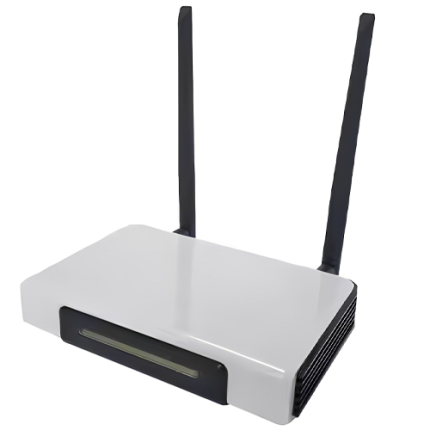
Advanced Indoor LoRaWAN Building Automation Gateway – GAOTek
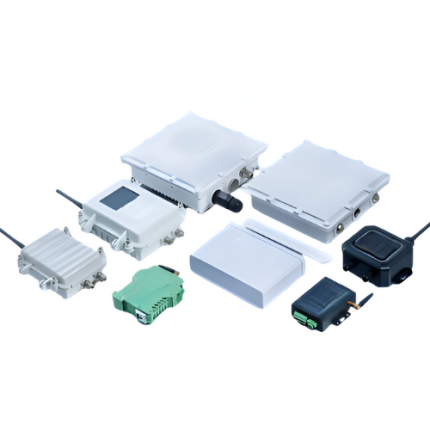

Advanced LoRaWAN Gateway for 4G, Ethernet, and Wi-Fi Wireless Data Transmission – GAOTek


Advanced LoRaWAN Gateway with Wi Fi and LTE Support – GAOTek

Bluetooth to LoRaWAN Gateway – GAOTek
Here are the LoRaWAN End Devices offered by GAO Tek:


8 Channel LoRaWAN Gateway with WiFi Ethernet US915 or EU868 – GAOTek

Advanced LoRa Communication Module and Power Protection – GAOTek


Advanced LoRaWAN Field Tester with GPS – GAOTek


Advanced LoRaWAN Ultrasonic Monitoring Sensor – GAOTek


Advanced LoRaWAN Wireless Pressure Temperature Sensor -GAOTek

Advanced Water Meter with TMR Technology – GAOTek


Agriculture Greenhouse IoT Sensor with LoRa Wireless – GAOTek
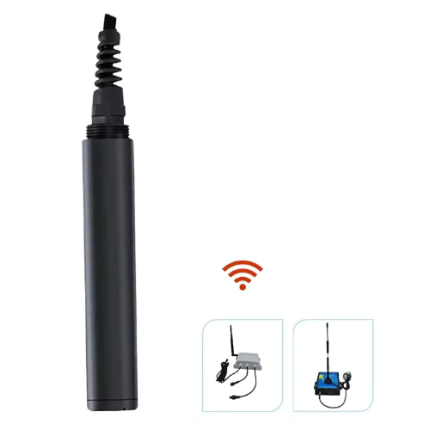
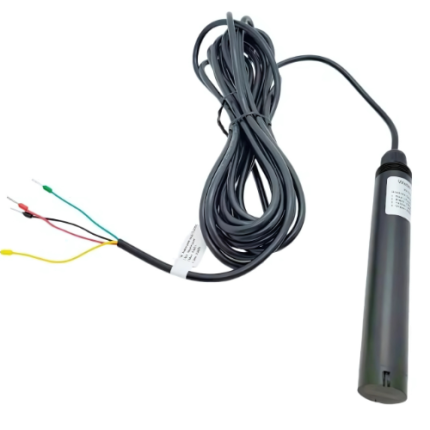
Aquaculture Water Turbidity Sensor with LoRaWAN – GAOTek
Navigation Menu for LoRaWAN
- LoRaWAN Gateways
- LoRaWAN End Devices
- LoRaWAN – Cloud, Server, PC & Mobile Systems
- LoRaWAN Accessories
- LoRaWAN Resources