


Comprehensive Guide for LoRaWAN Enabled environmental Compliance Monitoring
Overview
Environmental compliance monitoring is a critical aspect of ensuring sustainability and adhering to regulations across industries. With the rise of the Internet of Things (IoT), innovative solutions like LoRaWAN (Long Range Wide Area Network) have emerged as transformative technologies. This guide delves into the role of LoRaWAN in revolutionizing environmental compliance monitoring by enabling cost-effective, reliable, and scalable systems for tracking key environmental parameters.
The document begins with foundational insights into environmental compliance and the challenges of traditional monitoring methods. It then introduces the benefits of LoRaWAN technology and its application scenarios, such as air quality monitoring, water management, and emission tracking. For professionals seeking to implement LoRaWAN-based systems, the guide provides a detailed blueprint for designing, deploying, and optimizing these solutions.
Data management and analytics are pivotal in deriving actionable insights from monitoring systems, and this guide emphasizes leveraging cloud computing and AI/ML technologies for enhanced decision-making. It also addresses common challenges, such as connectivity in remote areas and ensuring data security, offering practical solutions to overcome these hurdles.
Finally, the guide explores future trends in IoT-driven environmental compliance monitoring, highlighting advancements that promise to redefine the landscape. Whether you are an industry professional, a technology enthusiast, or a policymaker, this guide offers a holistic understanding of leveraging IoT and LoRaWAN for sustainable environmental management.
Below are products and systems related to this webpage:
- LoRaWAN Gateways
- LoRaWAN End Devices
- Long Life LoRaWAN Gateways & Hubs
- ATEX LoRaWAN Gateways & Hubs
- LoRaWAN – Cloud, Server, PC & Mobile Systems
- Outdoor LoRaWAN End Devices
- Long Life LoRaWAN End Devices
Our products are in stock can be shipped to anywhere in continental U.S. or Canada from our local warehouse. To purchase or for any further information, please fill out this form or email us.
We are actively looking for partners who are like us located in the U.S. and Canada. For more information on partnering with GAO, please visit Partner with GAO Tek Inc. It lists various ways to partner with GAO, such as OEM Partnerships, Technology Integration, Distribution and Reselling Opportunities, Presenting at the Leading Event Tek Summit, Joint R&D Projects, Training and Consulting Services, Industry-Specific Collaborations, Research and Academic Partnerships.
1. Introduction to Environmental Compliance Monitoring in IoT
Importance of LoRaWAN Technology in Addressing Modern Challenges
Environmental compliance monitoring is essential for organizations to adhere to regulatory standards, safeguard natural resources, and support global sustainability initiatives. Traditional methods of environmental monitoring often involve manual processes, limited geographic reach, and frequent maintenance, which can result in inefficiencies and missed compliance targets. The advent of IoT has revolutionized this space, offering connected solutions that provide real-time data and actionable insights.
LoRaWAN (Long Range Wide Area Network) stands out as a pivotal IoT technology, designed to address the unique challenges of environmental compliance monitoring. Its key strengths include long-range communication, low energy consumption, and high scalability. These features make it ideal for remote and distributed monitoring applications, such as tracking air quality across large urban areas or monitoring water resources in remote regions.
GAO Tek Inc., headquartered in New York City and Toronto, Canada, specializes in offering LoRaWAN-enabled solutions tailored to environmental monitoring. With our advanced sensor systems and expertise in IoT integration, we empower organizations to overcome connectivity limitations, reduce maintenance costs, and achieve compliance with ease. By investing heavily in R&D, we ensure that our products align with the latest technological standards and regulatory requirements, providing reliable and future-proof solutions.
Purpose and Scope of This Guide
This guide is designed to serve as a comprehensive resource for technical professionals, environmental managers, and decision-makers seeking to implement LoRaWAN-enabled systems for environmental compliance monitoring. It explores the technical foundations of LoRaWAN, practical applications across various industries, and strategies for designing and deploying effective monitoring systems.
GAO Tek has decades of experience serving leading R&D organizations, Fortune 500 companies, prestigious universities, and government agencies across North America. This guide reflects our commitment to sharing knowledge and providing solutions that meet the complex needs of modern environmental compliance. Whether your goal is to monitor industrial emissions, manage water quality, or optimize waste management, this guide will help you understand the potential of LoRaWAN technology and how GAO Tek can assist you in leveraging it for transformative results.
2. Understanding Environmental Compliance
Key Regulatory Frameworks and Standards
A range of regulatory frameworks, standards, guides environmental compliance and guidelines designed to protect natural resources and ensure public health. These frameworks set the benchmarks for acceptable environmental conditions and help businesses adhere to legal requirements. Some of the key standards include:
- Clean Air Act (CAA): Enforced by the U.S. Environmental Protection Agency (EPA), the CAA regulates air emissions from stationary and mobile sources, setting limits on air pollutants such as particulate matter, nitrogen oxides, sulfur dioxide, and volatile organic compounds.
- Clean Water Act (CWA): Also overseen by the EPA, this act focuses on controlling water pollution by setting standards for discharges of pollutants into surface waters and regulating quality standards for surface waters.
- ISO 14001: This international standard provides a framework for organizations to improve their environmental performance through more efficient use of resources and reduction of waste.
- REACH (Registration, Evaluation, Authorisation, and Restriction of Chemicals): A European Union regulation that addresses the production and use of chemical substances and their potential impacts on both human health and the environment.
- Occupational Safety and Health Administration (OSHA) Regulations: These regulations, while focused on the workplace, also address environmental exposure to hazardous chemicals, air contaminants, and noise levels.
GAO Tek Inc. is well-versed in the regulatory landscapes of environmental monitoring. We can help companies navigate these complex compliance requirements by providing IoT-based solutions that align with these standards, ensuring that monitoring systems are both efficient and legally compliant.
Common Compliance Parameters
Environmental compliance monitoring typically involves measuring various parameters that reflect the health of ecosystems and human environments. Some of the most common compliance parameters include:
- Air Quality: Monitoring air quality is essential to assess the levels of pollutants like ozone, particulate matter (PM2.5 and PM10), nitrogen dioxide (NO2), sulfur dioxide (SO2), and carbon monoxide (CO). These pollutants can have significant effects on public health and are closely regulated by governmental bodies.
- Water Quality: Ensuring the safety of water resources is critical. Parameters such as pH levels, dissolved oxygen, turbidity, total suspended solids, and contaminants like heavy metals and bacteria are commonly measured to ensure water is safe for drinking, industrial use, and wildlife.
- Noise Levels: Noise pollution, particularly in urban environments and industrial zones, is a growing concern. Compliance standards often require monitoring of sound levels to prevent damage to hearing and to ensure a quality living environment.
- Soil Quality and Contaminants: Soil monitoring is crucial for assessing contamination from industrial activities, agricultural chemicals, or hazardous waste. Parameters such as soil pH, nutrient levels, and the presence of toxic substances are often tracked.
GAO Tek’s environmental monitoring solutions can measure these critical parameters accurately and in real-time, providing businesses with the data they need to ensure compliance and protect the environment.
Challenges in Traditional Monitoring Approaches
Traditional environmental monitoring approaches, while essential, come with inherent challenges that hinder their effectiveness. Some of these challenges include:
- High Costs and Maintenance: Conventional monitoring systems can be expensive to install and maintain. Sensors may require frequent calibration and servicing, and the deployment of monitoring stations in remote areas can increase costs.
- Limited Coverage and Scalability: Traditional systems may be limited in their ability to cover large geographic areas. Many sensors are wired and need frequent maintenance, making them unsuitable for continuous monitoring in dispersed or hard-to-reach locations.
- Data Collection Delays: Traditional monitoring methods often involve manual data collection, which can lead to delays in identifying critical changes in environmental conditions. This lag can hinder the timely implementation of corrective measures.
- Inflexibility and Poor Data Integration: Older systems tend to be rigid, with limited ability to integrate data from diverse sources. This lack of flexibility can complicate the analysis and hinder the ability to respond quickly to environmental issues.
At GAO Tek, we recognize these challenges and offer LoRaWAN-based solutions that help address them. Our advanced monitoring systems provide continuous, real-time data collection with minimal maintenance, high scalability, and seamless data integration. By leveraging our expertise in IoT, we help businesses modernize their environmental monitoring and stay ahead of compliance challenges.
3. LoRaWAN Technology and Its Role
What is LoRaWAN?
LoRaWAN (Long Range Wide Area Network) is a low-power, wide-area networking protocol specifically designed to enable long-range communication for IoT (Internet of Things) devices. It operates in unlicensed sub-gigahertz frequency bands, offering a secure and reliable method of wireless communication for devices across large areas. LoRaWAN is built on top of the LoRa (Long Range) modulation, which is optimized for low-power, long-distance communications, making it a perfect fit for a wide range of IoT applications, including environmental compliance monitoring.
One of the defining characteristics of LoRaWAN is its ability to provide connectivity over several kilometers in rural settings and up to several hundred meters in urban environments. This makes it particularly effective in monitoring remote or hard-to-reach areas, such as forests, agricultural fields, or industrial zones, where traditional communication technologies might struggle.
At GAO Tek, we utilize LoRaWAN technology in our solutions, ensuring that businesses can implement scalable, cost-effective, and efficient monitoring systems for their environmental compliance needs.
Technical Advantages of LoRaWAN for IoT Applications
LoRaWAN offers a wide array of technical advantages that make it a powerful technology for IoT applications, especially in the field of environmental monitoring. Some of its primary benefits include:
- Long-Range Communication: LoRaWAN’s ability to cover long distances is one of its strongest features. It can communicate up to 15 kilometers in rural environments and up to 5 kilometers in urban areas, depending on the terrain and network infrastructure. This is particularly beneficial for monitoring large geographical areas, such as industrial sites, water bodies, and air quality across cities.
- Low Power Consumption: LoRaWAN devices are designed for low energy usage, which is crucial for applications requiring remote sensors that need to operate for extended periods without frequent battery replacements. Devices typically last for years on a single battery, reducing maintenance costs and minimizing the need for manual intervention.
- Scalability: LoRaWAN networks can easily scale from a small number of devices to tens of thousands of sensors spread across large areas. This scalability ensures that organizations can expand their monitoring infrastructure as their needs grow, without needing to overhaul the entire system.
- Security: LoRaWAN incorporates strong encryption protocols to ensure data integrity and confidentiality. With AES-128 encryption at both the network and application layers, it provides robust security to prevent unauthorized access and tampering with environmental data.
- Low Cost of Deployment: The use of unlicensed frequency bands and the low power requirements of LoRaWAN devices significantly lower the costs associated with network deployment. This makes it an attractive option for organizations aiming to implement cost-effective environmental monitoring solutions.
GAO Tek’s deep expertise in IoT and LoRaWAN technology allows us to tailor these advantages to meet the unique needs of our clients. Our solutions ensure that businesses and government agencies can deploy efficient, secure, and sustainable monitoring systems to stay compliant with environmental regulations.
Key Components: Sensors, Gateways, and Network Servers
A typical LoRaWAN system consists of several key components, each playing a vital role in enabling seamless communication and efficient monitoring. These components include:
- Sensors: Sensors are the core data collection devices in a LoRaWAN-based environmental monitoring system. These sensors can measure various parameters such as air quality, water quality, temperature, humidity, noise levels, and more. GAO Tek offers a wide range of high-precision sensors tailored for environmental monitoring, ensuring that businesses can collect accurate data for compliance and decision-making.
- Gateways: Gateways serve as the bridge between the IoT sensors and the network server. They receive data from the sensors and forward it to the network server, either via LoRaWAN or an internet connection, such as Ethernet or cellular networks. Gateways can be installed at strategic points in a network to provide reliable connectivity over long distances, even in remote areas. Our LoRaWAN gateways are designed to support a large number of devices, ensuring the system’s scalability and robustness.
- Network Servers: The network server is responsible for managing communication between the gateways and the end application. It handles tasks such as managing device registrations, data routing, and ensuring network reliability. The network server also ensures the integrity and security of the data transmitted across the network, providing a central point of control for system administrators. GAO Tek’s LoRaWAN-enabled solutions integrate seamlessly with network servers, ensuring efficient and secure data transmission for environmental compliance applications.
4. Application Scenarios in Environmental Monitoring
Air Quality Monitoring
Air quality monitoring is a critical component of environmental compliance, especially in urban areas with high pollution levels. LoRaWAN technology provides an efficient solution for real-time air quality monitoring, even in hard-to-reach locations. Using sensors that measure pollutants such as PM2.5, PM10, nitrogen dioxide, sulfur dioxide, and ozone, LoRaWAN networks can collect continuous data over vast urban or industrial regions. This data can be transmitted securely over long distances without the need for frequent manual intervention, ensuring that organizations remain compliant with air quality standards and regulations.
GAO Tek’s LoRaWAN-enabled air quality monitoring solutions empower municipalities, industries, and environmental agencies to track air pollution in real time, enabling rapid response to hazardous conditions and long-term planning for air quality improvement. By integrating high-quality environmental sensors with our gateways and network servers, we ensure reliable data transmission and scalability for large-scale deployment across cities.
Water Resource Management
Monitoring water resources for quality and quantity is essential for compliance with environmental regulations. With LoRaWAN technology, water management systems can efficiently track parameters such as water temperature, pH, turbidity, dissolved oxygen, and contamination levels. This real-time data helps organizations maintain water quality standards, optimize water usage, and detect pollution or leaks early.
LoRaWAN’s long-range capabilities make it suitable for monitoring water bodies in remote or hard-to-reach areas, including rivers, lakes, and coastal zones. Our LoRaWAN-based solutions provide water resource managers with continuous insights, enabling them to manage both surface and groundwater resources effectively. By offering reliable and low-cost solutions, GAO Tek helps organizations and governments ensure sustainable water management and compliance with environmental regulations.
Industrial Emission Tracking
Industrial emissions are a significant source of environmental pollution, and tracking them is critical for ensuring compliance with environmental regulations such as the Clean Air Act in the U.S. and similar regulations in other countries. LoRaWAN-enabled sensors can monitor emissions from industrial facilities in real time, measuring pollutants like carbon monoxide (CO), nitrogen oxides (NOx), sulfur oxides (SOx), volatile organic compounds (VOCs), and particulate matter.
These sensors send data to LoRaWAN gateways that transmit it to a central server, where it can be analyzed for trends, patterns, and any signs of regulatory non-compliance. GAO Tek’s solutions help industries monitor emissions across wide areas, improve reporting accuracy, and reduce the risk of non-compliance penalties. Our systems provide businesses with the tools they need to optimize their operations while meeting environmental standards, ensuring they meet emission guidelines without the need for manual inspections.
Waste Management Systems
Efficient waste management is vital for maintaining environmental standards and achieving sustainability goals. LoRaWAN technology helps optimize waste collection and disposal processes by monitoring factors such as waste levels, bin fullness, temperature, and humidity. Smart waste management systems powered by LoRaWAN sensors can provide real-time data on waste conditions, allowing municipalities and businesses to optimize collection routes, prevent overflow, and enhance recycling efforts.
GAO Tek’s LoRaWAN-enabled waste management solutions help reduce operational costs and improve the efficiency of waste collection systems. By leveraging our advanced sensors and IoT network infrastructure, organizations can ensure compliance with waste disposal regulations and contribute to more sustainable waste management practices.
GAO Case Studies
United States
- New York City
A citywide air quality monitoring project was implemented to track pollutants such as nitrogen dioxide and particulate matter. LoRaWAN sensors were deployed across multiple districts, providing real-time data to environmental agencies and improving air quality management strategies. - Los Angeles, California
LoRaWAN-enabled water resource management solutions were deployed to monitor water quality in reservoirs. Sensors measuring turbidity and pH levels helped ensure safe drinking water and compliance with environmental standards. - Chicago, Illinois
Industrial emissions were tracked using LoRaWAN sensors that measured CO2 and NOx levels at multiple manufacturing plants. The system provided detailed emissions data to comply with regulatory standards and reduce carbon footprints. - Houston, Texas
LoRaWAN sensors monitored waste disposal conditions in commercial districts, optimizing waste collection routes and ensuring bins were emptied before overflow occurred. This system improved operational efficiency and waste management compliance. - Miami, Florida
A comprehensive water quality monitoring system was set up for coastal zones, allowing local authorities to track salinity, dissolved oxygen, and contaminants in real time. The data helped improve pollution response times and water management practices. - San Francisco, California
LoRaWAN technology was used to monitor air pollution levels in high-traffic areas. Sensors tracked PM2.5 and PM10 levels, sending data to regulatory bodies to improve air quality policies and reduce health risks. - Dallas, Texas
A large-scale industrial emissions tracking system was deployed to monitor particulate matter and volatile organic compounds (VOCs) in real time. The data helped businesses reduce emissions and adhere to strict environmental guidelines. - Seattle, Washington
LoRaWAN-enabled sensors were installed in several lakes to monitor water quality, measuring temperature and pH levels. This initiative contributed to better water resource management and compliance with regional environmental regulations. - Phoenix, Arizona
LoRaWAN-based systems were installed to monitor hazardous waste levels in landfill sites. Data on temperature and humidity ensured that waste did not exceed regulated thresholds, promoting a safer environment and compliance. - Detroit, Michigan
LoRaWAN air quality sensors were placed around industrial zones to monitor air pollution caused by local manufacturing plants. The system provided real-time feedback on emissions and air quality, allowing for better pollution control. - Atlanta, Georgia
A water resource management system used LoRaWAN to measure water consumption and contamination levels in agricultural areas. This helped farmers meet water conservation goals and adhere to environmental regulations. - Washington, D.C.
LoRaWAN-enabled smart waste management systems were deployed to track waste disposal in the downtown area. Sensors monitored bin fullness and optimized collection schedules to prevent overflow and maintain cleanliness. - Boston, Massachusetts
LoRaWAN technology was used in a project to monitor air quality around educational institutions. Sensors provided real-time data on pollutants, which helped improve the city’s response to air quality issues near schools. - Las Vegas, Nevada
A system was set up to track water usage in agricultural fields. LoRaWAN sensors monitored irrigation levels and water quality, helping farmers optimize water use and ensure environmental sustainability. - Philadelphia, Pennsylvania
LoRaWAN-based environmental compliance monitoring was implemented at several waste processing facilities. Sensors tracked temperature and humidity levels to ensure that waste was disposed of according to environmental standards.
Canada
- Toronto, Ontario
LoRaWAN sensors were deployed across the city’s water systems to monitor the flow and quality of drinking water. Real-time data helped ensure compliance with public health standards and improved water management. - Vancouver, British Columbia
LoRaWAN-enabled air quality monitoring systems were set up to track pollutant levels in urban areas. The data helped the local government enforce environmental policies aimed at reducing pollution and improving public health.
5. Designing a LoRaWAN-Based Monitoring System
Designing an effective LoRaWAN-based environmental compliance monitoring system requires a structured approach to ensure data accuracy, reliability, and long-term scalability. Here we outline the core aspects involved in designing such a system, focusing on system architecture, sensor selection, deployment strategies, and network planning.
System Architecture and Components
A robust LoRaWAN-based monitoring system integrates several components that work seamlessly together. Each component must be selected and deployed carefully to ensure the system is capable of monitoring environmental parameters effectively while maintaining compliance with regulations.
- Sensors
Sensors are the most critical components of the system, as they directly interact with the environment to collect data. These sensors measure various environmental parameters, such as air quality, water quality, temperature, and humidity. In environmental monitoring, selecting the appropriate sensor is essential for achieving accurate readings. For instance:- Air Quality Sensors: Monitor pollutants like CO2, NOx, particulate matter (PM2.5, PM10), and VOCs.
- Water Quality Sensors: Measure pH, turbidity, dissolved oxygen, and contaminants.
- Temperature and Humidity Sensors: Track atmospheric conditions and soil moisture levels.
GAO Tek Inc. provides high-performance sensors for a variety of environmental applications, offering cutting-edge technology to ensure compliance and accurate data collection.
- Gateways
Gateways act as communication hubs that receive data from sensors and transmit it to network servers. They bridge the sensor network with the backend infrastructure. LoRaWAN technology enables long-range communication between sensors and gateways, often covering up to several kilometers, depending on the environment. For large-scale systems, multiple gateways may be deployed to ensure seamless connectivity across vast areas.
At GAO Tek, we offer reliable gateways that support multiple sensor protocols and provide extensive range, ensuring that data can be transmitted from remote or hard-to-reach locations with minimal signal loss.
- Network Servers
Network servers are responsible for managing the communication between the gateway and the backend application. They handle routing, packet management, and data security. Data is collected and stored for further analysis and monitoring. The network server also ensures that the data transmitted from sensors is encrypted and that the overall system complies with security standards. - Data Analytics and Cloud Platforms
Once the data is transmitted to the network servers, it is sent to a cloud-based or on-premise data analytics platform. This platform processes and analyzes the collected data, providing actionable insights. GAO Tek integrates advanced analytics tools, allowing users to interpret data in real time and generate compliance reports as needed.
Sensor Selection and Deployment Strategies
Choosing the right sensors and deploying them efficiently are key to creating an effective monitoring system. The sensor selection process should align with the environmental variables to be monitored, while deployment strategies ensure comprehensive coverage.
- Choosing the Right Sensors
The sensor selection process should be based on the environmental parameters of interest. Common factors to consider include:- Measurement Range and Sensitivity: Ensure that sensors can detect the required levels of pollutants or environmental conditions.
- Power Consumption: For remote deployments, low-power sensors are essential to extend battery life and reduce maintenance needs.
- Durability: Sensors must be capable of withstanding harsh environmental conditions, such as extreme temperatures or exposure to corrosive substances.
At GAO Tek, we help guide clients in selecting the most appropriate sensors based on specific monitoring needs, whether for air, water, or soil analysis.
- Deployment Strategies
Efficient sensor deployment is critical for ensuring the coverage area is effectively monitored. Key strategies include:- Strategic Placement: Sensors should be placed in locations that are representative of the conditions being monitored. For example, air quality sensors should be installed in urban centers, industrial zones, and near traffic areas.
- Optimal Coverage: Placement should be designed to avoid signal interference and maximize coverage. Gateways should be placed in elevated areas (such as rooftops or towers) to facilitate long-range communication.
- Maintenance and Accessibility: Sensors must be easily accessible for periodic calibration and maintenance. Remote diagnostics and monitoring can significantly reduce the need for on-site visits.
GAO Tek’s experienced team helps clients design and deploy systems based on best practices, ensuring that the monitoring system offers full coverage and minimal maintenance requirements.
Network Planning and Connectivity Optimization
Effective network planning is a cornerstone of any successful LoRaWAN-based monitoring system. Proper network design ensures that data is transmitted reliably and with minimal interference.
- Coverage Optimization
LoRaWAN is designed to support wide-area network deployments, which is ideal for monitoring large or rural areas. However, network planning should account for the environmental factors that might affect signal propagation, such as terrain, buildings, or other obstructions. Proper placement of gateways is essential to optimize signal reach. Our team at GAO Tek can assist you in determining optimal gateway placement based on your unique environment and monitoring goals. - Gateway Configuration
Gateways play a vital role in the performance of a LoRaWAN network. Deploying multiple gateways may be required in large or urban environments to ensure consistent coverage. The goal is to avoid dead zones and minimize packet loss. For optimal performance, gateways should be placed with clear line-of-sight to the sensors to maximize communication efficiency. - Data Traffic Management
In large-scale deployments, ensuring that the network can handle the data traffic generated by multiple sensors is crucial. LoRaWAN is designed to transmit small data packets over long distances, which suits environmental monitoring applications where data is transmitted at periodic intervals. GAO Tek provides guidance on data traffic management, including optimizing the transmission intervals to ensure that the network can handle large volumes of data without congestion. - Security and Data Integrity
Ensuring data security is a critical aspect of designing a LoRaWAN-based system. LoRaWAN provides built-in encryption and security mechanisms to safeguard the integrity of the data transmitted between sensors and network servers. At GAO Tek, we ensure that all systems are compliant with the latest security standards, offering end-to-end encryption and secure data transmission protocols to protect sensitive environmental data. - Scalability and Future-proofing
A key consideration in the design of any LoRaWAN-based system is scalability. As monitoring needs grow or new sensors are added, the network should be able to scale to accommodate additional devices without a significant drop in performance. GAO Tek provides flexible and scalable solutions, ensuring that your environmental monitoring system can grow with your business needs.
Through careful system architecture, sensor selection, and optimized network design, GAO Tek helps customers build comprehensive, future-proof environmental monitoring systems. With our expertise in deploying LoRaWAN technology, we ensure that clients benefit from an efficient and scalable monitoring solution that meets regulatory compliance requirements.
6. Data Management and Analytics
Data Collection and Transmission
In environmental compliance monitoring, the process of data collection and transmission is crucial for providing accurate, real-time insights into environmental conditions. LoRaWAN technology, with its long-range capabilities and low energy consumption, plays a key role in enabling efficient data collection across wide areas. LoRaWAN-enabled sensors are deployed to capture environmental data such as air quality, water parameters, or waste levels. These sensors continuously gather data from various remote locations and transmit it through LoRaWAN gateways to central network servers.
At GAO Tek, we leverage state-of-the-art sensors that provide high-precision readings while minimizing power consumption, ensuring that monitoring can occur continuously over extended periods, even in off-grid or remote areas. Our IoT solutions enable smooth data transmission across vast distances without the need for costly and complex infrastructure, providing seamless connectivity even in urban or rural environments. Once the data is transmitted to the server, it is ready for further analysis, reporting, and action, empowering organizations to make timely decisions and stay in compliance with environmental regulations.
Cloud Integration and Storage
Once the data is collected, it must be securely transmitted, processed, and stored in a manner that allows for easy access and analysis. Cloud integration is a vital part of modern environmental monitoring systems. GAO Tek’s solutions are designed to integrate with leading cloud platforms, offering scalable storage and data processing capabilities. Cloud storage provides the flexibility to store vast amounts of data without worrying about local storage limitations or data loss, ensuring that all environmental data is available for historical analysis, reporting, and audit purposes.
Cloud-based platforms facilitate centralized management of environmental monitoring systems, where data from various sensors can be aggregated, processed, and accessed remotely from any location. This allows organizations to monitor their environmental footprint, generate compliance reports, and assess trends over time. Additionally, integrating sensors with cloud storage enables real-time data synchronization, so decision-makers can act quickly when thresholds are exceeded or abnormal readings are detected.
By utilizing cloud infrastructure, GAO Tek ensures that environmental data is not only secure but also highly accessible and can be analyzed in real time. With robust cloud integration, our systems help businesses streamline their environmental compliance efforts while reducing the costs associated with traditional data management solutions.
Leveraging AI/ML for Insights and Predictions
The vast amounts of data generated through environmental monitoring are valuable not just for ensuring compliance, but also for making predictive and proactive decisions. Artificial intelligence (AI) and machine learning (ML) can be applied to the data collected by LoRaWAN sensors to extract meaningful insights, identify patterns, and predict future environmental conditions.
At GAO Tek, we help clients harness the power of AI/ML to optimize their monitoring processes. By analyzing data from environmental sensors, AI and ML algorithms can identify trends in air quality, water levels, or emission levels, offering predictive capabilities that improve decision-making. For instance, machine learning can be used to predict air quality based on weather patterns, or AI can anticipate water quality fluctuations caused by seasonal changes. This allows companies to prepare in advance for potential environmental hazards, reducing risks and ensuring that mitigation measures are put in place promptly.
7. Challenges and Solutions
Addressing Connectivity in Remote Areas
One of the most significant challenges in environmental compliance monitoring is ensuring reliable connectivity, particularly in remote or rural areas. Traditional monitoring systems often struggle with limited infrastructure, resulting in inconsistent data collection and missed compliance targets. In remote locations, factors like lack of cellular coverage, difficult terrain, and physical isolation can hinder the effectiveness of environmental monitoring.
LoRaWAN, however, offers a solution to these connectivity challenges. With its long-range capabilities and low-power consumption, LoRaWAN technology enables data transmission over distances of up to several kilometers, even in areas without cellular infrastructure. By utilizing LoRaWAN-enabled sensors, organizations can deploy monitoring solutions in areas that would otherwise be challenging to reach, such as forests, deserts, offshore locations, or rural water bodies.
At GAO Tek, we specialize in deploying LoRaWAN-based solutions that are tailored to meet the needs of remote environmental monitoring. Our advanced sensors and network infrastructure are designed to provide seamless connectivity, even in the most difficult environments. Whether you’re tracking air quality in a remote industrial area or monitoring water levels in rural regions, GAO Tek’s LoRaWAN solutions ensure that you can gather the data you need for effective compliance management.
Ensuring Data Security and Privacy
With the rise of connected devices and IoT solutions, data security and privacy have become major concerns for organizations adopting environmental monitoring systems. Environmental data is often sensitive, and its protection is critical, particularly when it includes information about air quality, water resources, and industrial emissions. If compromised, this data could lead to regulatory penalties or damage an organization’s reputation.
LoRaWAN technology offers robust security features, including end-to-end encryption and secure data transmission. However, ensuring the security of environmental data goes beyond just the technology—it also involves securing the data throughout its lifecycle, from collection to storage and analysis.
At GAO Tek, we understand the importance of data security and privacy, and our solutions are built with advanced encryption protocols to protect sensitive environmental data. Our IoT systems integrate seamlessly with secure cloud storage platforms, where data is stored and processed according to the highest security standards. We also work with clients to ensure that all data-handling procedures comply with relevant privacy laws and industry regulations, providing the necessary tools for secure, encrypted data transmission and access control.
Managing Power Consumption in Sensors
Power consumption is another key challenge in environmental monitoring, particularly for remote or off-grid locations. Environmental sensors typically operate in remote areas where access to power sources is limited. Long battery life is critical for ensuring continuous monitoring without frequent maintenance or battery replacement. If sensors are not energy-efficient, organizations may face significant operational costs and logistical challenges.
LoRaWAN technology addresses this issue by enabling ultra-low power consumption in its devices. LoRaWAN sensors can transmit data over long distances while using minimal energy, allowing them to operate for extended periods without the need for frequent battery changes. This is particularly important in applications like water quality monitoring, where sensors may be deployed in locations with limited access to power sources.
At GAO Tek, we prioritize the development of energy-efficient solutions that are optimized for long-term operation. Our LoRaWAN-enabled sensors are designed with low-power consumption in mind, making them ideal for continuous environmental monitoring. By deploying our advanced sensors, organizations can achieve long-term monitoring with reduced maintenance costs and minimal disruption.
8. Future Trends in Environmental Compliance Monitoring
Emerging Technologies in IoT and LoRaWAN
The future of environmental compliance monitoring is being shaped by the ongoing advancement of Internet of Things (IoT) technologies and LoRaWAN. As environmental regulations become more stringent, industries are looking for smarter, more efficient ways to monitor and report on compliance. LoRaWAN, with its long-range and low-power capabilities, is positioned at the forefront of this transformation, offering enhanced monitoring solutions for remote areas and large-scale infrastructures.
Emerging IoT technologies are expanding the possibilities for environmental monitoring systems. For example, the integration of 5G networks with LoRaWAN could further enhance data transmission speeds, enable real-time analytics, and extend the reach of sensors. Additionally, IoT innovations such as advanced environmental sensors capable of detecting a broader range of pollutants, or integrating multi-sensing capabilities (e.g., measuring air quality, temperature, humidity, and particulate matter), will help streamline monitoring processes. This will also reduce the need for multiple separate systems, thus improving cost-effectiveness.
At GAO Tek, we are at the cutting edge of these developments. We continually invest in research and development to enhance the capabilities of our LoRaWAN solutions and IoT sensors. Our ongoing commitment to innovation ensures that our clients are well-equipped to stay ahead of the evolving regulatory landscape and meet future compliance requirements.
Evolving Regulatory Landscape
As environmental concerns grow globally, governments and international bodies are updating and tightening regulations to ensure compliance with sustainability goals. For instance, carbon emissions regulations, water usage, and waste management are becoming more complex and comprehensive, demanding increasingly detailed and frequent reporting. The push for more transparent and accountable environmental practices will require industries to adopt monitoring systems that can provide real-time, accurate data across various environmental parameters.
The evolving regulatory environment presents both a challenge and an opportunity. While regulations might become stricter, it also drives the adoption of advanced technologies such as LoRaWAN-enabled environmental monitoring systems. Real-time data collection, accurate reporting, and instant notifications enable companies to stay compliant with new regulations and avoid fines or penalties.
GAO Tek’s solutions are specifically designed to help our clients meet regulatory demands. With our state-of-the-art LoRaWAN sensors and systems, environmental data can be collected seamlessly and transmitted in real-time to centralized platforms for analysis, ensuring that businesses remain compliant with emerging regulations. We also work closely with industry partners to stay ahead of regulatory trends, providing our customers with timely upgrades and features to meet evolving standards.
Sustainability-Focused Innovations
The global focus on sustainability is driving innovation in environmental compliance monitoring. More companies are adopting sustainable practices not only as a matter of compliance but also as a core business strategy. Innovations that contribute to sustainability are gaining traction, such as energy-efficient sensors, the use of renewable energy for monitoring stations, and solutions that reduce waste.
One prominent trend is the increased use of edge computing in combination with LoRaWAN networks. By processing data locally at the sensor level, companies can reduce the need for extensive data transmission, cutting down on energy consumption and minimizing the carbon footprint of the monitoring process. This trend aligns with global efforts to reduce electronic waste and energy usage.
At GAO Tek, we are dedicated to promoting sustainability within environmental compliance monitoring. Our IoT and LoRaWAN systems are designed with energy efficiency in mind, ensuring minimal power consumption and long sensor battery life. Furthermore, our solutions are aligned with sustainability practices, helping organizations to monitor their environmental impact effectively while adhering to the latest eco-friendly standards.
9. Appendix
- LoRaWAN (Long Range Wide Area Network)
A low-power, wide-area network (LPWAN) protocol designed for IoT applications, LoRaWAN enables long-range communication between devices such as sensors and gateways while maintaining energy efficiency. It is commonly used in environmental monitoring for collecting data over large geographic areas. - IoT (Internet of Things)
A network of physical devices that are embedded with sensors, software, and other technologies to exchange data with other devices or systems over the internet. In environmental compliance, IoT is used to monitor air quality, water quality, emissions, and more. - Gateway
A device that acts as an intermediary, relaying data between IoT sensors and network servers. In LoRaWAN systems, gateways transmit data from the sensors to the cloud or central systems for analysis. - Sensor
A device that measures specific environmental parameters such as temperature, humidity, particulate matter, or chemical pollutants. These sensors are deployed in the field and provide the raw data for environmental monitoring systems. - Edge Computing
A distributed computing framework that processes data closer to the source of data generation rather than sending it to a central server or cloud. This reduces latency and bandwidth requirements, allowing for faster response times in critical monitoring applications. - Data Analytics
The process of inspecting, cleaning, transforming, and modeling data with the goal of discovering useful information, conclusions, and supporting decision-making. In environmental monitoring, data analytics is used to interpret sensor data, identify trends, and forecast future events. - Compliance Reporting
The process of documenting and submitting data that proves a company or organization is adhering to environmental regulations. LoRaWAN-enabled monitoring systems make this process easier by automatically collecting data and generating reports. - Battery Life Optimization
Strategies and technologies used to extend the operational life of batteries in remote monitoring systems. In LoRaWAN applications, long battery life is crucial for sensors that are deployed in the field for extended periods.
References and Further Reading
- LoRa Alliance
For more detailed information about LoRaWAN technology and its applications, refer to the official LoRa Alliance website. The LoRa Alliance is a global association of companies backing the adoption of LoRaWAN as a standard for IoT solutions. - IEEE IoT Journal
For the latest research and development in IoT, including environmental monitoring applications, the IEEE IoT Journal provides peer-reviewed articles and case studies. - Environmental Protection Agency (EPA)
The EPA provides comprehensive resources on environmental regulations, compliance, and monitoring technologies. It is an essential resource for understanding regulatory changes and how they impact environmental monitoring. - International Telecommunication Union (ITU)
For the evolving global standards on LPWAN technologies like LoRaWAN, ITU’s publications provide critical insights into global connectivity and communication standards.
Technical Specifications and Tools
At GAO Tek, we offer a range of LoRaWAN-enabled environmental monitoring solutions designed to meet the needs of various industries. Below are some of the key technical specifications and tools available in our product portfolio:
- LoRaWAN Sensors
Our LoRaWAN-enabled sensors are capable of measuring a wide variety of environmental parameters, including air quality, temperature, humidity, and particulate matter. With IP67-rated waterproof sensors, they are built to withstand harsh environmental conditions.
Key Features:
- Long-range communication (up to 15 km in rural areas)
- Low power consumption (battery life of up to 10 years)
- High precision and reliability
- LoRaWAN Gateways
We offer advanced gateways that serve as the bridge between sensors and network servers. Our gateways are designed for seamless integration with existing IT infrastructure and can handle large volumes of data transmission in real-time.
Key Features:
- Supports multiple frequency bands (868 MHz, 915 MHz)
- Integration with cloud-based platforms
- Secure data encryption for compliance
- Cloud Integration
GAO Tek’s LoRaWAN sensors and gateways seamlessly integrate with cloud-based systems, enabling real-time data collection, analysis, and reporting. We support major cloud platforms such as AWS, Microsoft Azure, and Google Cloud for easy integration into your existing systems.
Key Features:
- Easy-to-use dashboards for monitoring and reporting
- Customizable alerts and notifications
- Scalable data storage and analytics tools
- Data Analytics and AI Integration
Our systems provide advanced data analytics tools that leverage machine learning (ML) and artificial intelligence (AI) for trend prediction, anomaly detection, and decision-making support. These tools are crucial for understanding environmental data patterns and making proactive adjustments.
Key Features:
- AI-powered predictive analytics for environmental trends
- Automated data processing and anomaly detection
- Customizable reports for compliance tracking
- Power Supply Management
Our solutions include efficient power management systems, ensuring that sensors deployed in remote areas operate for extended periods. These systems feature solar-powered options and advanced battery life optimization tools, reducing the need for frequent maintenance and replacing batteries.
Key Features:
- Solar panel integration for remote locations
- Low-power design to extend sensor lifetime
- Power consumption monitoring tools for efficiency optimization
For more information on the technical specifications of our products or to get personalized recommendations for your environmental compliance monitoring needs, please reach out to GAO Tek Inc. Our team of experts is available to provide detailed consultations and technical support.
Here are the LoRaWAN Gateways/Hubs offered by GAO Tek:
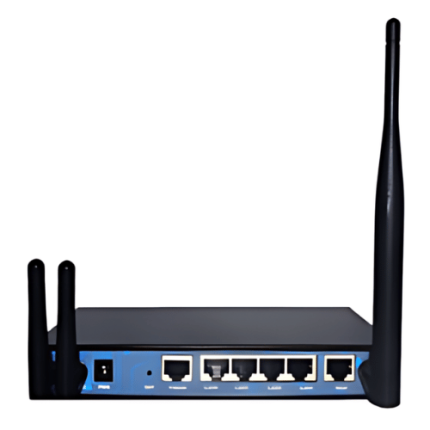
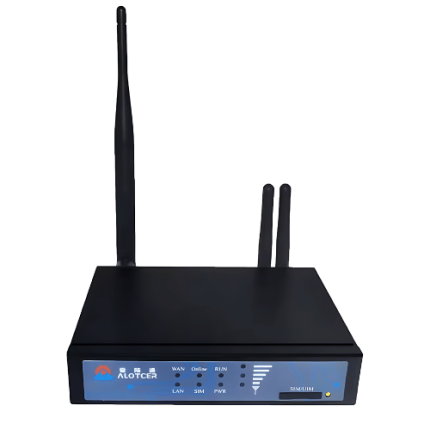
12V IoT Gateway VPN Router with Industrial CPU, WLAN, and Cellular – GAOTek


2.4 in WiFi 4G Wireless Smart Home Security System – GAOTek


3 Band GSM or 3G or 4G Signal Booster – GAOTek


300Mbps 4G LTE Portable Wifi Router with SIM Slot – GAOTek


4G Cellular Modem Router with External Antennas and Multiuser Support – GAOTek


4G Cellular Modem with Dual-Band Wi-Fi and Rotatable Antennas – GAOTek


4G Fixed Wireless Terminal VoLTE WiFi Hotspot HD Voice – GAOTek
Here are the LoRaWAN End Devices offered by GAO Tek:
12V IoT Gateway VPN Router with Industrial CPU, WLAN, and Cellular – GAOTek
2.4 in WiFi 4G Wireless Smart Home Security System – GAOTek
3 Band GSM or 3G or 4G Signal Booster – GAOTek
300Mbps 4G LTE Portable Wifi Router with SIM Slot – GAOTek
4G Cellular Modem Router with External Antennas and Multiuser Support – GAOTek
4G Cellular Modem with Dual-Band Wi-Fi and Rotatable Antennas – GAOTek
4G Fixed Wireless Terminal VoLTE WiFi Hotspot HD Voice – GAOTek
Navigation Menu for LoRaWAN
- LoRaWAN Gateways
- LoRaWAN End Devices
- LoRaWAN – Cloud, Server, PC & Mobile Systems
- LoRaWAN Accessories
- LoRaWAN Resources