


Comprehensive Guide for LoRaWAN Enabled Fire Safety IoT
Overview
The Internet of Things (IoT) is transforming industries, and fire safety systems are no exception. LoRaWAN (Long Range Wide Area Network) is a pivotal technology enabling cost-effective, scalable, and reliable communication for fire safety IoT solutions. This guide explores the use of LoRaWAN in modern fire safety systems, detailing its applications, benefits, and implementation considerations.
Readers will gain insights into the architecture and functionality of LoRaWAN technology, its compatibility with fire safety systems, and the sensors and devices integral to these solutions. The guide delves into system design, data management strategies, and the role of advanced analytics in enhancing fire prevention and response. Real-world case studies illustrate the practical applications of this technology, while a dedicated section addresses common challenges and their resolutions.
As fire safety evolves to incorporate IoT, the guide highlights future trends and innovations, including integration with smart city ecosystems and advancements in predictive analytics. With a focus on technical depth and actionable insights, this guide serves as a comprehensive resource for professionals, engineers, and stakeholders exploring LoRaWAN-enabled fire safety IoT systems.
Below are products and systems related to this webpage:
- LoRaWAN Gateways
- LoRaWAN End Devices
- Long Life LoRaWAN Gateways & Hubs
- ATEX LoRaWAN Gateways & Hubs
- LoRaWAN – Cloud, Server, PC & Mobile Systems
- Outdoor LoRaWAN End Devices
- Long Life LoRaWAN End Devices
Our products are in stock can be shipped to anywhere in continental U.S. or Canada from our local warehouse. To purchase or for any further information, please fill out this form or email us.
We are actively looking for partners who are like us located in the U.S. and Canada. For more information on partnering with GAO, please visit Partner with GAO Tek Inc. It lists various ways to partner with GAO, such as OEM Partnerships, Technology Integration, Distribution and Reselling Opportunities, Presenting at the Leading Event Tek Summit, Joint R&D Projects, Training and Consulting Services, Industry-Specific Collaborations, Research and Academic Partnerships.
1. Purpose and Significance of LoRaWAN in Fire Safety IoT
In the rapidly evolving landscape of fire safety, LoRaWAN (Long Range Wide Area Network) technology has emerged as a game-changer. Its purpose and significance in fire safety IoT (Internet of Things) lie in its unique ability to deliver efficient, cost-effective, and scalable solutions for monitoring and mitigating fire-related risks. LoRaWAN empowers fire safety systems to achieve unparalleled connectivity, especially in challenging environments, by leveraging low-power, long-range communication.
Key Purpose of LoRaWAN in Fire Safety IoT
- Reliable Monitoring Across Large Areas: LoRaWAN enables real-time data transmission from sensors distributed over vast areas, ensuring consistent monitoring of fire hazards, even in remote or industrial locations.
- Energy Efficiency: Its low-power operation ensures that sensors and devices can function for extended periods without frequent battery replacements, a critical feature for fire safety systems.
- Seamless Scalability: From small-scale installations in residential complexes to large-scale industrial applications, LoRaWAN adapts effortlessly to varying system requirements.
Significance of LoRaWAN in Fire Safety
- Improved Emergency Response: By integrating advanced IoT sensors and real-time analytics, LoRaWAN-based fire safety systems expedite the detection of smoke, heat, or gas leaks, providing actionable insights to responders.
- Cost-Effectiveness: The reduced infrastructure requirements and lower operational costs make it an attractive choice for organizations aiming to enhance safety without overstretching budgets.
- Enhanced Safety in Challenging Conditions: LoRaWAN excels in penetrating through obstacles like walls and other barriers, making it ideal for high-rise buildings, tunnels, and industrial sites.
At GAO Tek Inc., we leverage our expertise in cutting-edge IoT technologies to provide customized LoRaWAN-enabled fire safety solutions. Our solutions are designed to cater to diverse client needs, whether it involves securing critical infrastructure, protecting residential communities, or ensuring compliance with regulatory standards.
Summary of Contents Covered in the Guide
Overview
- Brief introduction to the transformative role of IoT in fire safety and how LoRaWAN fits into this paradigm.
Introduction to LoRaWAN Technology
- Fundamentals of LoRaWAN, including its architecture, technical specifications, and advantages in IoT deployments.
IoT in Fire Safety Systems
- Exploration of IoT’s applications in fire detection, monitoring, and prevention.
Key Features of LoRaWAN-Enabled Fire Safety Solutions
- Focus on features such as long-range connectivity, low power consumption, and high reliability.
System Design and Architecture
- Discussion on designing robust LoRaWAN-based fire safety systems, covering network topologies, integration methods, and fail-safe mechanisms.
Sensors and Devices for Fire Safety IoT
- Overview of various sensors, including smoke detectors, heat sensors, and gas detectors, compatible with LoRaWAN networks.
Data Management and Analytics
- Examination of how LoRaWAN enables advanced data collection and analysis for proactive fire management.
Case Studies and Real-World Implementations
- Real-life examples demonstrating the effectiveness of LoRaWAN in mitigating fire risks in diverse scenarios.
Challenges and Solutions
- Addressing common hurdles in LoRaWAN deployments and offering practical solutions for technical and operational challenges.
Future Trends in LoRaWAN Fire Safety IoT
- Insights into emerging trends, such as AI-driven analytics, predictive maintenance, and integration with smart city ecosystems.
Appendix
- Additional resources, technical references, and standards for further exploration.
GAO Tek Inc., a leader in advanced B2B technologies, is uniquely positioned to deliver comprehensive solutions in fire safety IoT. With a commitment to innovation and quality, we offer unmatched support and expertise to our global clientele, including Fortune 500 companies, research institutions, and government agencies. Our investment in R&D ensures that our clients benefit from state-of-the-art systems tailored to their specific needs, backed by robust quality assurance and expert support.
2. Introduction to LoRaWAN Technology
Basics of LoRaWAN: Architecture, Components, and Capabilities
LoRaWAN, or Long Range Wide Area Network, is a communication protocol specifically designed for low-power, long-range wireless communication in IoT systems. It operates on the LoRa (Long Range) modulation technique and excels in providing scalable and reliable connectivity. This open standard, governed by the LoRa Alliance, is widely used in industrial and smart city applications, including fire safety systems.
The architecture of LoRaWAN consists of three main components:
- End Devices: These include sensors and actuators deployed in the field to collect and transmit data. In fire safety applications, end devices typically include smoke, heat, and flame sensors.
- Gateways: Gateways act as a bridge, receiving data from end devices and forwarding it to the network server via an IP connection.
- Network Server: This is the backbone of a LoRaWAN system, managing data routing, device authentication, and ensuring reliable communication between end devices and applications.
LoRaWAN’s unique capabilities include:
- Long-Range Communication: Can connect devices over distances of up to 15 km in rural areas and 5 km in urban environments.
- Low Power Consumption: Devices can operate for years on a single battery, making it cost-effective for deployments in remote locations.
- High Scalability: Supports thousands of devices per gateway, making it ideal for large-scale applications.
- Robust Security: Ensures data protection with AES-128 encryption at both the network and application layers.
GAO Tek Inc., a global leader in B2B technology headquartered in New York City and Toronto, Canada, leverages these features to deliver tailored LoRaWAN solutions. We provide cutting-edge systems that meet the stringent demands of industries like fire safety, ensuring reliability and scalability for our clients, including Fortune 500 companies and government agencies.
Why LoRaWAN is Suited for Fire Safety Applications
LoRaWAN’s features make it uniquely suited for fire safety applications, where reliable communication, scalability, and power efficiency are paramount. Fire safety IoT systems require real-time monitoring, extensive coverage, and uninterrupted data transmission to prevent and respond to incidents effectively. LoRaWAN addresses these requirements by offering:
- Reliable Communication Over Large Areas: LoRaWAN’s long-range capability ensures seamless connectivity across large buildings, industrial facilities, and remote locations where traditional systems might fail.
- Battery-Powered Sensor Networks: With low power requirements, sensors can remain operational for extended periods, reducing maintenance costs and ensuring consistent monitoring in critical zones.
- Penetration Through Obstacles: LoRa signals are capable of penetrating walls, floors, and other barriers, making them suitable for deployment in complex environments like high-rise buildings and underground facilities.
- Low Deployment Costs: LoRaWAN networks require minimal infrastructure compared to cellular or Wi-Fi systems, offering a cost-effective alternative for large-scale fire safety deployments.
GAO Tek’s LoRaWAN-enabled fire safety systems capitalize on these advantages to provide comprehensive monitoring and alert solutions. Our R&D investments ensure these systems are equipped with advanced features such as real-time analytics, remote configuration, and secure data transmission. With four decades of experience, we help institutions, including universities and R&D firms, deploy IoT solutions that enhance fire safety protocols while meeting regulatory standards.
3. IoT in Fire Safety Systems
Traditional vs. IoT-Enabled Fire Safety Systems
Traditionally, fire safety systems have relied on standalone devices such as smoke detectors, heat sensors, fire alarms, and sprinkler systems. These systems are typically isolated from one another, and their functionality is often limited to simple detection and local alerting. They are often connected to a central control panel that sounds alarms or triggers automatic actions when an issue is detected. However, these systems lack real-time data analytics and remote access capabilities, which can delay response times and make it harder for emergency responders to gather critical information about the situation.
IoT-enabled fire safety systems, in contrast, leverage the power of interconnected devices that communicate with each other and with centralized cloud platforms in real-time. These systems not only detect hazards such as smoke, heat, and gas but also provide continuous data streams to monitoring stations. This enables operators to track system status, analyze trends, and predict potential risks before they escalate. With IoT, fire safety systems can be monitored remotely, allowing for proactive management and faster responses to fire threats.
GAO Tek Inc. has been at the forefront of adopting advanced IoT technologies to enhance fire safety solutions. With four decades of experience, our solutions integrate cutting-edge technologies, including LoRaWAN, to provide a more reliable, scalable, and efficient fire safety system. For instance, IoT systems equipped with LoRaWAN technology enable real-time data transmission over long distances, even in remote areas or large buildings, without the need for extensive wiring or power sources. This ensures complete coverage, greater reliability, and better outcomes compared to traditional systems.
Core Components of IoT Fire Safety Systems
IoT fire safety systems are made up of several essential components that work together to provide a comprehensive, connected fire protection solution. These components include:
- Sensors and Detection Devices:
Sensors are the backbone of any IoT-enabled fire safety system. These devices detect fire-related indicators such as smoke, heat, and carbon monoxide. IoT sensors not only alert users in real-time but also provide detailed data, such as temperature trends and gas levels, which can be used to predict potential fire hazards. Advanced sensors can also integrate with other environmental monitoring devices to detect changes in air quality, humidity, and other relevant conditions. - Gateways:
Gateways act as intermediaries between the sensors and the cloud-based network. They collect data from various sensors and transmit it to a centralized platform or cloud application for processing and analysis. LoRaWAN-based gateways, for example, are capable of transmitting large amounts of data over long distances with low energy consumption, making them ideal for large-scale fire safety systems. - Cloud-Based Platform:
The cloud platform serves as the central hub where data from various sensors and devices is aggregated, analyzed, and stored. It can provide real-time monitoring of fire safety systems, generate alerts, and trigger automated responses such as activating sprinkler systems or notifying emergency personnel. Advanced analytics, such as predictive modeling and anomaly detection, can be applied to the data, allowing for early detection of potential fire hazards. - Data Analytics and AI Tools:
IoT-enabled fire safety systems often integrate data analytics tools to provide deeper insights into fire safety performance. AI-driven algorithms can process data from sensors and detect patterns that humans may overlook, allowing for the prediction of fire risks and timely intervention. Predictive maintenance is another benefit, as AI tools can identify failing components before they cause problems. - Mobile and Remote Monitoring Apps:
With IoT, fire safety systems can be monitored remotely via mobile applications or centralized control systems. These apps provide real-time alerts, allowing users to make informed decisions and respond to incidents promptly. Mobile monitoring ensures that key personnel, such as safety managers or emergency responders, are always in the loop, regardless of their physical location. - Integration with Other Building Systems:
IoT fire safety systems can be integrated with other building automation systems (BAS) such as lighting, HVAC (heating, ventilation, and air conditioning), and security. For example, if a fire is detected, the system can automatically close ventilation dampers to prevent the spread of smoke or open emergency exits to facilitate safe evacuation. These seamless integrations increase the overall efficiency and effectiveness of fire safety measures.
At GAO Tek, we offer comprehensive fire safety solutions that incorporate all these core components into a single integrated system. Our IoT-enabled fire safety systems, powered by LoRaWAN technology, deliver unmatched scalability, reliability, and efficiency. With continuous monitoring, predictive analytics, and remote access, we help organizations reduce risks and enhance safety across large facilities or complex infrastructures.
4. Key Features of LoRaWAN-Enabled Fire Safety Solutions
Long-Range Communication and Low Power Consumption
One of the most prominent advantages of LoRaWAN technology in fire safety IoT applications is its ability to provide long-range communication while consuming minimal power. LoRaWAN’s unique modulation technique enables communication over vast distances—up to 15 kilometers in rural environments and 5 kilometers in urban areas, ensuring that even large buildings, campuses, or industrial facilities can be fully covered by the network. This extended range is crucial for fire safety systems, especially in expansive or remote locations, where traditional fire safety systems may struggle to provide full coverage.
LoRaWAN’s low power consumption is another defining feature. End devices, such as smoke or temperature sensors, can operate for several years on a single battery charge, significantly reducing maintenance costs and downtime. The low power requirement also enables the deployment of fire safety sensors in places where power sources are limited, such as isolated outdoor areas, construction sites, or warehouses. With GAO Tek’s LoRaWAN-enabled solutions, facilities can benefit from an efficient and reliable fire safety system that minimizes both operational and maintenance costs. This combination of long-range and low-power technology ensures that fire safety devices remain operational without the need for frequent battery replacements or power infrastructure, even in hard-to-reach areas.
Scalability, Reliability, and Interoperability
LoRaWAN-enabled fire safety systems excel in scalability, making them ideal for both small-scale applications and large, complex installations. Whether protecting a single building or an entire network of facilities, LoRaWAN systems can be scaled to meet the needs of any size organization. Adding new sensors or expanding coverage is a straightforward process that does not require significant changes to the existing infrastructure. GAO Tek’s LoRaWAN solutions are designed to accommodate future growth, allowing for the seamless integration of additional devices, sensors, and gateways as fire safety needs evolve.
Reliability is critical when it comes to fire safety, and LoRaWAN technology provides robust performance even in challenging environments. The network is designed to handle interference and obstacles, offering high tolerance to signal degradation, which is essential for areas with concrete walls, metal structures, or other obstructions that might otherwise affect signal transmission. Additionally, LoRaWAN’s ability to use different frequencies and adapt to environmental conditions ensures consistent data transmission and reliable operation, even during emergencies when every second counts.
Interoperability is another key feature that makes LoRaWAN an ideal choice for fire safety IoT applications. LoRaWAN is an open-standard protocol, which means that it can work seamlessly with a wide range of sensors, devices, and third-party systems. This allows for integration with other safety and building management systems, such as HVAC, security, and lighting systems, creating a unified network that enhances operational efficiency and ensures that critical responses to fire hazards are automated and fast. GAO Tek’s fire safety solutions are designed with this interoperability in mind, providing comprehensive, cross-platform compatibility with other IoT systems, enabling real-time communication and data sharing between devices, applications, and emergency responders.
At GAO Tek, we understand that reliability, scalability, and interoperability are vital for modern fire safety systems. With our extensive expertise in LoRaWAN technology, we help organizations implement flexible and robust fire safety solutions that evolve with changing needs, ensuring that your assets, personnel, and operations are protected at all times. By leveraging LoRaWAN’s core features, our solutions provide unmatched security and responsiveness, even in large, complex environments.
5. System Design and Architecture
Designing a LoRaWAN-Based Fire Safety Network
When designing a LoRaWAN-based fire safety network, the primary goal is to create a robust and reliable system that offers comprehensive coverage, real-time monitoring, and seamless communication. This requires the careful selection and strategic placement of sensors, gateways, and network servers.
- Sensor Placement: The first step is selecting the appropriate fire safety sensors. Common sensors used in fire safety applications include smoke detectors, heat detectors, carbon monoxide sensors, and gas leak detectors. These sensors need to be placed in key areas throughout the building, such as hallways, stairwells, electrical rooms, and near heating or cooling systems, to detect any fire or smoke hazards. It’s essential to ensure there are no blind spots in the coverage area. GAO Tek can assist in selecting the best sensors tailored for specific fire safety requirements based on your building layout and environmental conditions.
- LoRaWAN Gateway Deployment: LoRaWAN gateways act as bridges between the IoT sensors and the central network server. These gateways should be placed to ensure maximum coverage with minimal interference, supporting large buildings, campuses, or multi-floor structures. GAO Tek’s expertise in advanced communication systems can help determine the optimal number and location of gateways to ensure seamless data transmission.
- Network Server Integration: The network server processes the data from the gateways, which is then relayed to the cloud or on-premise data storage. This server is central to managing data flow and providing real-time insights into the status of fire safety systems. The data is typically used for monitoring, alerting, and analysis to trigger responses to potential fire hazards.
The benefits of a LoRaWAN network in this design include long-range communication (up to 15 km in rural areas and several kilometers in urban environments), low power consumption, and the ability to cover vast areas with minimal infrastructure.
Integration with Existing Building Systems
Integrating a LoRaWAN-based fire safety system with existing building infrastructure is essential for creating a unified, efficient response to fire hazards. This integration ensures that the fire safety system works in harmony with other building management systems (BMS), such as lighting, HVAC (heating, ventilation, and air conditioning), and alarm systems.
- Building Management Systems (BMS): Many modern buildings already have BMS in place to manage energy usage, security, and safety. Integrating LoRaWAN-based fire safety systems into these existing platforms can provide enhanced control and automation. For instance, if a fire hazard is detected, the system can automatically trigger HVAC systems to shut down or change airflow to prevent smoke spread.
- Alarm and Notification Systems: LoRaWAN-based sensors can be integrated with existing alarm systems, ensuring that notifications are sent directly to security teams, building managers, and emergency responders in real time. This integration helps reduce response times and potentially saves lives and property by providing immediate, actionable data.
- Cloud and Data Analytics: By connecting the LoRaWAN system with cloud platforms, building managers can access real-time data and analytics regarding fire safety. This integration allows for remote monitoring, automated reporting, and predictive maintenance to avoid system failure or blind spots in coverage. GAO Tek provides solutions that support the smooth integration of IoT systems with existing infrastructure, ensuring that all components work together efficiently.
- Power and Communication Infrastructure: One of the advantages of LoRaWAN in fire safety networks is that it operates on low power, meaning there’s no need for extensive rewiring or reliance on high-power sources. The existing communication infrastructure (e.g., wireless networks, Ethernet) can be leveraged to support the LoRaWAN network, making integration less costly and time-consuming.
GAO Tek’s expertise in fire safety solutions, combined with our long history of delivering advanced B2B technologies, ensures that your LoRaWAN-based fire safety network integrates smoothly with existing systems, providing enhanced reliability and operational efficiency. Whether it’s a small building or a large complex, we can help design a tailored solution that meets your specific needs while reducing installation and maintenance costs.
6. Sensors and Devices for Fire Safety IoT
Types of Fire Sensors
Effective fire safety solutions rely on a variety of sensors designed to detect different fire-related parameters. In a LoRaWAN-enabled system, these sensors play a crucial role in providing real-time data and triggering timely responses.
- Smoke Detectors:
Smoke detectors are among the most commonly used sensors in fire safety systems. They detect the presence of smoke particles in the air, indicating a potential fire. LoRaWAN smoke detectors provide continuous monitoring and can transmit data over long distances to central monitoring systems. They are particularly useful in areas where wired solutions may not be feasible. - Heat Detectors:
Heat detectors monitor temperature changes in their environment. They can be configured to trigger alarms when the temperature exceeds a certain threshold or rises rapidly within a short period. These sensors are ideal for areas prone to high levels of dust or steam, where traditional smoke detectors might produce false alarms. GAO Tek offers reliable heat detection sensors that integrate seamlessly with LoRaWAN networks, ensuring minimal false positives. - Flame Detectors:
Flame detectors identify the presence of ultraviolet (UV) or infrared (IR) light emitted by flames. They are especially suitable for high-risk environments such as industrial facilities or chemical storage units. By leveraging LoRaWAN’s low latency and long-range capabilities, these detectors can transmit alerts promptly, enabling rapid response to potential hazards. - Gas Detectors:
Gas detectors are used to monitor the presence of combustible or toxic gases, such as carbon monoxide (CO), methane, or propane. These devices are crucial for early detection of fires caused by gas leaks. With LoRaWAN connectivity, gas detectors can send alerts even in remote locations, ensuring comprehensive coverage across facilities. - Multi-Sensor Devices:
Advanced multi-sensor devices combine the capabilities of smoke, heat, and gas detection into a single unit. This integration reduces installation complexity and improves detection accuracy by correlating data from multiple sources.
Connectivity and Configuration in LoRaWAN Networks
LoRaWAN technology enhances the functionality of fire safety sensors through robust connectivity and simplified configuration. The system architecture ensures reliable data transmission, even in challenging environments.
- Connectivity Features:
- Long-Range Communication: LoRaWAN-enabled sensors can transmit data over distances of up to 15 kilometers in open areas, making them ideal for large buildings, industrial complexes, or campuses.
- Low Power Consumption: Fire safety sensors integrated with LoRaWAN technology are optimized for energy efficiency, allowing battery-powered devices to operate for years without replacement. This is particularly advantageous for sensors installed in hard-to-access locations.
- Interference Resistance: Operating on sub-GHz frequency bands, LoRaWAN networks minimize signal interference, ensuring consistent performance in environments with dense wireless activity.
- Configuration Process:
- Device Registration: Each sensor is uniquely identified and authenticated during the network onboarding process, ensuring secure communication within the LoRaWAN framework.
- Network Mapping: Sensors are mapped to specific areas or zones within the building during configuration. This zoning enables precise localization of fire incidents, facilitating targeted responses.
- Adaptive Data Transmission: Sensors can be programmed to adjust their data transmission frequency based on environmental conditions, such as switching to higher frequencies during detected anomalies.
- Integration with Gateways and Servers: LoRaWAN sensors communicate with gateways, which forward the data to network servers. These servers process and store the information, enabling real-time monitoring and analytics.
- Advanced Features for Modern Buildings:
- Two-Way Communication: LoRaWAN sensors support bidirectional communication, enabling remote reconfiguration or software updates without manual intervention.
- Seamless Scalability: LoRaWAN networks can accommodate hundreds or thousands of sensors, making them ideal for large-scale implementations.
- Interoperability: Sensors from multiple manufacturers can work within the same LoRaWAN network, ensuring flexibility in device selection.
At GAO Tek Inc., we offer a wide range of fire safety sensors designed for seamless integration with LoRaWAN networks. Our expertise in advanced IoT technologies, combined with a commitment to quality and innovation, ensures that our solutions deliver unmatched reliability and performance. Whether you’re upgrading existing fire safety systems or deploying a new network, GAO Tek provides the tools and support needed to enhance safety and efficiency.
7. Data Management and Analytics
Cloud Platforms for Data Aggregation and Processing
In a LoRaWAN-enabled fire safety IoT system, cloud platforms play a pivotal role in managing, storing, and analyzing vast amounts of sensor-generated data. These platforms serve as the backbone for real-time monitoring, decision-making, and predictive analysis.
- Data Aggregation:
LoRaWAN networks transmit data from fire safety sensors to gateways, which forward it to centralized cloud platforms. This aggregated data includes temperature readings, smoke levels, gas concentrations, and device health metrics. The cloud consolidates this information into structured formats for seamless access and analysis. - Scalable Storage Solutions:
Cloud platforms offer virtually limitless storage, accommodating the ever-increasing data generated by IoT sensors. Advanced storage solutions like Amazon Web Services (AWS), Microsoft Azure, and Google Cloud ensure secure, scalable, and efficient data management. For enterprises requiring industry-grade reliability, GAO Tek’s solutions are designed to integrate effortlessly with leading cloud providers. - Real-Time Data Processing:
Real-time data streaming and processing capabilities enable immediate alerts during emergencies. These platforms utilize technologies such as edge computing to preprocess data closer to the source, reducing latency and ensuring rapid response times. GAO Tek supports edge-cloud hybrid architectures for environments requiring ultra-low latency. - Data Security and Compliance:
Ensuring the confidentiality, integrity, and availability of fire safety data is critical. Cloud platforms incorporate advanced encryption, access control, and compliance measures to meet industry standards like ISO 27001 and GDPR. GAO Tek emphasizes secure cloud integration, leveraging our four decades of experience to implement robust data protection mechanisms. - Customizable Dashboards:
Cloud platforms provide user-friendly dashboards to visualize fire safety data. These dashboards enable facility managers to monitor trends, receive alerts, and generate reports, facilitating informed decision-making. Our solutions at GAO Tek include customizable dashboards tailored to meet the specific requirements of diverse facilities.
Leveraging AI and ML for Fire Prediction and Prevention
Artificial Intelligence (AI) and Machine Learning (ML) have transformed fire safety by enabling predictive analytics and automated preventive measures. These technologies process historical and real-time data to identify patterns and predict potential fire risks.
- Predictive Analytics:
ML algorithms analyze historical data from sensors to predict fire hazards. For instance, unusual combinations of temperature increases, smoke particle concentrations, and gas emissions may indicate a fire risk. Predictive models can identify these anomalies and trigger preventive measures before an incident occurs. - Enhanced Detection Accuracy:
AI-powered analytics reduce false alarms by cross-verifying data from multiple sensor types. For example, data from heat sensors can corroborate readings from smoke detectors to confirm fire events, minimizing unnecessary disruptions. GAO Tek’s AI-enabled solutions optimize detection accuracy, ensuring reliable system performance in diverse environments. - Risk Assessment:
ML models evaluate environmental factors such as humidity, airflow, and material composition to assess fire risk levels. This analysis helps prioritize high-risk areas for enhanced monitoring and maintenance. - Automation of Preventive Actions:
AI systems can automate responses to mitigate fire risks. For example, upon detecting a gas leak, the system can automatically shut off valves, activate ventilation systems, and alert emergency personnel. GAO Tek’s solutions incorporate intelligent automation to enhance safety protocols. - Long-Term Trend Analysis:
ML algorithms can identify long-term trends in sensor data, offering insights into equipment wear, maintenance requirements, and evolving risk factors. These insights guide proactive system upgrades and resource allocation. - Integration with Third-Party Applications:
AI platforms can integrate with building management systems (BMS) and emergency response frameworks. This integration enables coordinated actions, such as controlling fire suppression systems and notifying first responders. GAO Tek provides seamless integration services to ensure interoperability across systems.
At GAO Tek Inc., we leverage cutting-edge cloud and AI technologies to provide comprehensive fire safety IoT solutions. Our expertise in advanced analytics ensures that your fire safety systems not only detect and respond to incidents but also predict and prevent them, enhancing safety, reliability, and peace of mind.
8. Case Studies and Real-World Implementations
GAO Case Studies
Case Studies in the USA
- Smart Warehouse Fire Detection – Los Angeles, CA
A logistics company in Los Angeles adopted LoRaWAN-based fire detection systems to monitor high-risk areas within its vast warehouse. The sensors continuously track temperature fluctuations and smoke, providing early warnings and allowing for faster evacuation and response times during fire hazards. This deployment significantly reduced damage to inventory and infrastructure. - Residential Building Safety Enhancement – New York City, NY
A residential complex in New York City implemented a LoRaWAN fire safety solution across all floors, integrating smoke detectors and heat sensors. The system ensures immediate alerts to building management and emergency responders, enhancing safety in densely populated areas and improving response times during critical situations. - Data Center Monitoring – San Francisco, CA
In San Francisco, a major data center deployed LoRaWAN sensors to detect early signs of fire, such as rising temperatures and smoke. The system provided real-time data and automated alerts, allowing the center to prevent catastrophic damage and minimize downtime, safeguarding critical infrastructure. - Smart Manufacturing Facility – Chicago, IL
A manufacturing facility in Chicago adopted a LoRaWAN fire safety system to monitor areas with heavy machinery and combustible materials. The real-time monitoring system detected heat anomalies and smoke, enabling prompt intervention and reducing potential fire risks in the production environment. - University Campus Fire Prevention – Austin, TX
At a university in Austin, LoRaWAN-enabled fire detection sensors were installed in academic buildings, libraries, and dormitories. The IoT-based system provided 24/7 monitoring, sending immediate alerts to campus security and local fire services in case of a fire emergency, improving overall safety. - Office Building Fire Monitoring – Seattle, WA
In Seattle, an office building equipped with LoRaWAN fire detection technology saw significant improvements in safety management. The system’s ability to detect changes in temperature and smoke across different floors allowed for targeted fire safety responses, preventing potential fire-related accidents. - Hospital Fire Safety Integration – Miami, FL
A healthcare facility in Miami implemented LoRaWAN-based fire detection and environmental monitoring sensors in patient wards and operating rooms. This system ensured early detection of hazardous conditions, reduced risk, and enhanced patient and staff safety in critical care areas. - Large Retail Mall Fire Protection – Las Vegas, NV
A retail mall in Las Vegas integrated LoRaWAN fire safety sensors in high-traffic areas and backroom storage spaces. This deployment helped ensure that the mall had robust fire protection during peak hours, reducing potential risks and improving overall emergency response times. - Smart City Fire Monitoring – Denver, CO
As part of a smart city initiative, Denver deployed LoRaWAN fire sensors in parks and public spaces. This implementation provided real-time monitoring of fire risks in outdoor spaces, such as dry grass areas, ensuring rapid intervention and prevention of wildfire spread. - Public Transportation Hub – Dallas, TX
A public transportation station in Dallas integrated LoRaWAN-based fire detection systems in its terminals. The system monitored smoke and temperature levels, providing immediate alerts to transit authorities and first responders, preventing potential fire hazards in crowded areas. - Historic Building Preservation – Washington, D.C.
LoRaWAN fire safety sensors were installed in a historic building in Washington, D.C., to protect valuable artifacts and architectural elements. The system enabled real-time alerts while ensuring minimal impact on the building’s structural integrity. - Corporate Office Complex – Atlanta, GA
A corporate office complex in Atlanta adopted a LoRaWAN-enabled fire safety system to monitor employee workspaces and common areas. This integration led to faster response times in case of emergencies, ensuring employee safety and business continuity. - Manufacturing Plant Safety – Detroit, MI
In Detroit, a manufacturing plant utilized LoRaWAN sensors to monitor areas with high fire risks, such as storage rooms and equipment zones. Early detection and automated alerts reduced the likelihood of severe damage or injury, enhancing the overall safety of the plant. - Smart Hotel Fire Safety – Orlando, FL
A smart hotel in Orlando implemented LoRaWAN fire safety systems across rooms and common spaces. The sensors sent real-time data to the hotel’s management, providing faster detection of potential hazards and improving guest safety during fire emergencies. - Airport Terminal Safety – Miami, FL
LoRaWAN fire safety sensors were deployed across a major airport terminal in Miami to monitor areas with high foot traffic and storage. The system enabled quicker response times to fire emergencies, enhancing overall passenger safety and compliance with fire safety regulations.
Case Studies in Canada
- Public School Fire Safety System – Toronto, ON
A large school district in Toronto installed LoRaWAN fire detection sensors in classrooms, halls, and gymnasiums to improve fire safety. The system provided real-time alerts and data-driven insights, helping the district ensure the safety of students and staff across multiple campuses. - Healthcare Center Fire Monitoring – Vancouver, BC
A healthcare center in Vancouver deployed LoRaWAN-based fire detection sensors across its facilities, including patient wards, operating rooms, and administrative areas. This deployment helped the facility comply with fire safety regulations, ensuring prompt response to potential hazards and improving staff and patient safety.
Lessons Learned and Best Practices
- Proactive Risk Management: Implementing LoRaWAN sensors early on ensures continuous monitoring of fire-prone areas and allows businesses to manage risks before they escalate into emergencies.
- Scalability: LoRaWAN’s flexibility allows systems to be scaled easily, adapting to growing spaces or facilities. For example, our solutions at GAO Tek Inc. can accommodate future expansion of your IoT infrastructure.
- Customization: Tailoring the fire detection system to the specific needs of each environment, such as heat-sensitive areas in a hospital or machinery zones in a factory, increases efficiency and minimizes risks.
- Continuous Monitoring and Alerts: 24/7 real-time monitoring and automated alerts ensure that potential fire hazards are quickly detected, allowing for faster intervention and mitigation, reducing downtime, and saving costs.
- Integration with Local Authorities: Coordinating with local fire departments and emergency responders is crucial. This collaboration ensures that fire safety protocols are in place and that rapid response is achievable in case of an incident.
- Data-Driven Insights: Analyzing data collected by LoRaWAN fire safety systems helps optimize resource allocation, preventive maintenance, and long-term fire safety strategies. GAO Tek’s analytics capabilities ensure that you are always informed and prepared.
At GAO Tek Inc., we understand the importance of reliable, real-time fire safety solutions. Our LoRaWAN-based systems provide scalable, robust, and efficient fire monitoring tailored to your needs. Whether in healthcare, manufacturing, or residential settings, GAO Tek’s advanced IoT solutions ensure that your fire safety measures are proactive and effective.
9. Challenges and Solutions
LoRaWAN-enabled fire safety IoT systems provide numerous advantages, but they also come with their own set of challenges. Addressing these challenges effectively ensures the reliability and performance of fire safety solutions. Below, we explore the key challenges and their corresponding solutions:
Addressing Signal Interference, Scalability, and Regulatory Compliance
- Signal Interference
- Challenge: LoRaWAN operates in the unlicensed ISM bands, which means devices can experience interference from other wireless technologies operating in the same frequency range, such as Wi-Fi, Bluetooth, and Zigbee. This interference can affect the reliability and range of the fire safety system, especially in dense environments.
- Solution: To mitigate interference, it is essential to select LoRaWAN devices with robust frequency hopping and adaptive transmission power. This allows devices to dynamically adjust their signals to avoid interference. GAO Tek Inc. offers LoRaWAN sensors with excellent interference resilience, ensuring consistent data transmission in challenging environments. Additionally, deploying multiple gateways in strategic locations can help increase signal coverage and minimize the risk of signal degradation.
- Scalability
- Challenge: As fire safety IoT systems grow, ensuring scalability becomes crucial. With the increasing number of sensors, devices, and data points, the system must handle large volumes of real-time data without compromising performance.
- Solution: LoRaWAN is inherently scalable, capable of supporting thousands of devices within a single network. However, scalability challenges can arise when the network is not properly planned or if the infrastructure is not designed to handle high data loads. GAO Tek’s LoRaWAN solutions are designed for easy integration and scalability, enabling seamless network expansion as the number of devices increases. The use of edge computing or local data processing can also help reduce network congestion by processing some data on-site before sending it to centralized systems.
- Regulatory Compliance
- Challenge: Fire safety systems, particularly those deployed in public spaces, must adhere to local, regional, and international regulations. These regulations often govern equipment specifications, installation, testing, and maintenance procedures.
- Solution: Compliance with regulatory standards is essential for ensuring safety and avoiding legal issues. GAO Tek stays updated with fire safety regulations, ensuring that our products comply with local and international standards, such as NFPA (National Fire Protection Association) and UL (Underwriters Laboratories) certifications. Additionally, our solutions allow for easy integration with existing fire safety infrastructure, making compliance with codes simpler.
Ensuring Data Security and Privacy
- Data Security
- Challenge: Fire safety systems collect sensitive data, such as building layouts, fire risks, and response times, which are critical for ensuring safety. This data can be a target for cyberattacks, which could compromise the effectiveness of the system.
- Solution: To ensure robust data security, all data transmission between sensors and gateways should be encrypted using state-of-the-art encryption algorithms. LoRaWAN supports end-to-end encryption, ensuring that the data transmitted within the network is secure. Furthermore, the use of private networks with secure authentication protocols adds an additional layer of protection. GAO Tek implements best-in-class security measures, including encrypted communication and secure key management, to safeguard sensitive fire safety data.
- Data Privacy
- Challenge: Fire safety systems often collect personal data from buildings or environments with high occupancy. Ensuring the privacy of this data, especially in compliance with regulations like the GDPR (General Data Protection Regulation) in the EU or CCPA (California Consumer Privacy Act) in the U.S., is crucial.
- Solution: Proper data anonymization and user consent protocols must be established to comply with privacy regulations. Additionally, the use of edge computing can minimize the amount of personal data transmitted, ensuring that only essential information is shared with central servers. GAO Tek’s IoT solutions are designed with privacy in mind, enabling customers to implement strict data access controls and limit data collection to only what is necessary for fire safety purposes.
- Network Security
- Challenge: A secure network infrastructure is essential to prevent unauthorized access to IoT devices and the fire safety system. Vulnerabilities in network security could lead to malicious tampering or system manipulation.
- Solution: Implementing multi-layered security measures, such as VPNs (Virtual Private Networks), firewalls, and intrusion detection systems, is key to protecting the network. GAO Tek also offers IoT devices with secure boot features, ensuring that only authorized firmware can be loaded onto the devices. These security measures help maintain the integrity of the entire fire safety ecosystem, ensuring that it functions as intended without interference.
By addressing these challenges, LoRaWAN-based fire safety IoT systems can provide reliable, secure, and scalable solutions for managing fire risks. At GAO Tek Inc., we are committed to helping businesses overcome these challenges with our cutting-edge technologies, ensuring that fire safety systems remain effective, compliant, and secure.
10. Future Trends in LoRaWAN Fire Safety IoT
As the landscape of fire safety continues to evolve, advancements in IoT and LoRaWAN technology are opening new doors for enhanced safety, automation, and integration with other smart systems. Below, we discuss some of the most exciting emerging trends that will shape the future of LoRaWAN-enabled fire safety systems and how these developments are expected to revolutionize fire prevention and response strategies.
Emerging Technologies and Innovations
- AI and Machine Learning Integration
- Trend: The integration of artificial intelligence (AI) and machine learning (ML) into LoRaWAN fire safety IoT systems is an exciting development. AI algorithms can analyze data from various sensors to detect fire hazards and predict fire outbreaks more accurately. These systems can even identify patterns that are not immediately apparent, such as the buildup of heat or humidity that may precede a fire.
- Impact: With GAO Tek’s cutting-edge sensors, businesses can enhance their fire safety systems by incorporating AI-driven predictive analytics, enabling early intervention and potentially preventing fires before they start. As machine learning models improve over time, these systems will become more accurate, reducing false alarms and ensuring that real threats are identified promptly.
- Edge Computing
- Trend: Edge computing is poised to become an essential component of LoRaWAN-based fire safety solutions. By processing data locally at the edge of the network, instead of sending it all to a central server, edge computing reduces latency and the risk of network congestion. In emergency situations where real-time decision-making is critical, edge computing can provide instantaneous insights from the data collected by fire safety IoT sensors.
- Impact: With edge computing, GAO Tek’s solutions enable faster response times by ensuring that fire safety systems can act on sensor data instantly without relying on the cloud. This is especially important in scenarios where time is critical, such as evacuating a building or activating fire suppression systems.
- Battery-Enhanced Low-Power Sensors
- Trend: Energy efficiency continues to be a driving factor in IoT innovation. Battery-powered LoRaWAN sensors, which offer low-power consumption for long operational lifespans, are becoming even more efficient with advancements in energy harvesting technologies. These sensors can now harvest ambient energy (e.g., solar power or vibrations) to extend their operational lifetime further, especially in remote locations where traditional power sources are unavailable.
- Impact: This innovation is particularly useful in large industrial complexes or multi-story buildings where wiring for power is complex and costly. GAO Tek’s LoRaWAN-enabled fire safety solutions are at the forefront of this trend, providing businesses with the ability to deploy sensors in areas where traditional power options are unfeasible, all while ensuring reliable fire detection.
- 5G and LoRaWAN Integration
- Trend: The rollout of 5G technology presents new opportunities for IoT systems, including fire safety networks. LoRaWAN systems can be enhanced with 5G, which will allow for higher data throughput, faster communication, and greater bandwidth. While LoRaWAN provides excellent range for low-power IoT devices, the low-latency, high-bandwidth nature of 5G can complement these systems, making them even more efficient and responsive.
- Impact: The combination of LoRaWAN’s long-range capabilities with 5G’s high-speed data transmission allows GAO Tek to offer scalable, real-time, and highly reliable fire safety solutions, especially in urban environments where the volume of IoT devices and data is growing exponentially.
Integration with Smart City Frameworks
- Smart Building Integration
- Trend: As cities become smarter, fire safety systems are increasingly being integrated into the broader smart building ecosystem. LoRaWAN devices, capable of seamless communication with other smart building systems, enable building managers to integrate fire safety monitoring with HVAC, lighting, and security systems. In case of a fire emergency, the fire safety system can autonomously trigger ventilation systems to clear smoke, guide people to exits via lighting, and alert security personnel.
- Impact: By integrating LoRaWAN fire safety IoT with smart building infrastructure, GAO Tek can help clients build more responsive, efficient, and interconnected environments. This enables more proactive fire prevention and faster responses during emergencies, all while ensuring that building management systems operate harmoniously.
- Smart City Infrastructure
- Trend: LoRaWAN’s long-range and low-power capabilities make it an ideal fit for smart city applications. As fire safety systems become more integrated with urban infrastructure, fire sensors connected through LoRaWAN can be placed throughout cities to monitor high-risk areas, such as forests, industrial zones, and urban centers. These systems can provide real-time updates to municipal authorities, helping with resource allocation and rapid decision-making during a fire.
- Impact: With the integration of LoRaWAN fire safety systems into smart city frameworks, cities can develop a more holistic approach to public safety. GAO Tek’s solutions can contribute to these efforts by enabling cities to build interconnected fire safety networks that provide real-time monitoring and immediate alert systems to enhance the safety of entire communities.
- Real-Time Incident Response and Coordination
- Trend: The future of fire safety IoT includes a greater emphasis on real-time incident management, where data from fire safety sensors can be used not only for detection but also for coordinating responses. In a smart city, fire safety systems will be able to share data with emergency services and even guide firefighters using real-time mapping and location data.
- Impact: GAO Tek’s fire safety solutions, integrated with other smart city systems, can provide local authorities with live data to optimize incident response. These systems can help firefighters gain a better understanding of the fire’s location, spread, and potential hazards, ultimately leading to faster and more effective fire suppression efforts.
- Enhanced Fire Prevention through Predictive Analytics
- Trend: By integrating LoRaWAN fire safety systems into predictive analytics platforms within smart cities, cities can shift from reactive to proactive fire safety. Analyzing historical data from multiple sensors and environmental variables, AI and machine learning algorithms can forecast areas of risk, triggering preemptive measures such as public alerts or the deployment of fire suppression resources.
- Impact: With GAO Tek’s advanced sensor technology and the power of predictive analytics, cities can predict potential fire hazards before they escalate into major incidents, improving overall public safety and reducing fire-related damages.
The future of LoRaWAN-enabled fire safety IoT is bright, with continuous technological advancements poised to transform fire safety systems into more intelligent, integrated, and responsive solutions. As part of GAO Tek’s commitment to innovation and R&D, we continue to lead the way in developing IoT solutions that empower businesses, cities, and communities to better manage fire risks and ensure safer environments for all.
11. Appendix
Glossary of Terms
- LoRaWAN (Long Range Wide Area Network): A wireless communication protocol designed to connect low-power, long-range IoT devices to a network. LoRaWAN enables devices to communicate over vast distances with minimal energy consumption, making it ideal for applications like fire safety in remote locations.
- IoT (Internet of Things): A network of interconnected devices that communicate and exchange data with one another. In fire safety systems, IoT devices include sensors that monitor temperature, humidity, smoke, and other environmental factors that could indicate a fire risk.
- LPWAN (Low Power Wide Area Network): A network designed for low-power, long-distance communication. LoRaWAN is one example of an LPWAN technology, providing a cost-effective solution for fire safety systems requiring vast coverage without the need for frequent maintenance.
- Gateway: A device that connects LoRaWAN sensors to the central network. It collects data from devices like smoke or temperature sensors and transmits it to a cloud platform or central server for further processing.
- End Device: A sensor or device in a LoRaWAN network that collects and transmits data. In the context of fire safety, end devices include smoke detectors, temperature sensors, and fire alarms that communicate vital information to the gateway.
- Cloud Analytics: The process of analyzing large volumes of data in the cloud. For fire safety systems, cloud analytics can process data from LoRaWAN sensors to detect trends, trigger alerts, and optimize response strategies.
- Smart City: An urban area that uses IoT technology to manage resources and services more efficiently. LoRaWAN-enabled fire safety systems are a key component of smart cities, providing real-time monitoring and emergency response capabilities.
- Edge Computing: A decentralized computing model that processes data near its source (i.e., at the edge of the network) rather than relying solely on centralized cloud servers. In fire safety, edge computing enables real-time decision-making in emergency situations.
- Predictive Analytics: The use of data, algorithms, and machine learning to predict future events or trends. For fire safety systems, predictive analytics can help forecast potential fire risks, allowing for proactive measures.
- Regulatory Compliance: The process of ensuring that fire safety systems meet local, state, or national regulations. These may include standards for fire prevention, alarm systems, and the integration of IoT devices in public or private spaces.
Technical Specifications
LoRaWAN Fire Safety Sensor Specifications
- Frequency Bands: 868 MHz (Europe), 915 MHz (North America), 433 MHz (Asia).
- Power Supply: Battery-powered (with energy harvesting options) or mains-powered.
- Battery Life: Up to 10 years depending on usage and sensor configuration.
- Data Transmission Rate: Low to moderate, depending on environmental conditions (typically 0.3 kbps to 50 kbps).
- Range: Up to 15 km in rural areas, 3-5 km in urban environments, depending on the deployment and environment.
- Environmental Protection: IP65 or higher, suitable for use in harsh environments.
- Sensor Types: Smoke, temperature, humidity, CO2, and heat detection sensors.
- Data Protocols: LoRaWAN Class A, Class C (for real-time communication).
- Security Features: AES-128 encryption for data integrity and security during transmission.
LoRaWAN Gateway Specifications
- Frequency Bands: Supports multiple bands (868 MHz, 915 MHz, 433 MHz).
- Power Supply: AC power with backup battery options.
- Range: Up to 15 km line of sight; typically 3-5 km in urban areas.
- Connectivity: Ethernet, Wi-Fi, or cellular backhaul.
- Ports: Multiple IoT device connections, depending on model (e.g., up to 100 devices).
- Security Features: End-to-end encryption, VPN support, secure booting.
- Data Rate: Up to 50 kbps per channel.
Fire Safety Analytics Platform
- Data Processing: Cloud-based analytics with real-time event processing.
- Alerts: Immediate push notifications to mobile devices or monitoring systems.
- Integration: API support for integration with other smart building and city systems.
- Machine Learning: Capable of learning from historical data to predict potential fire risks.
- Dashboards: Customizable dashboards for monitoring sensor data, system health, and emergency alerts.
References and Additional Resources
For those interested in exploring LoRaWAN technology and its applications in fire safety further, the following resources provide detailed information, industry standards, and case studies:
- LoRa Alliance
The LoRa Alliance is a global association of companies promoting the LoRaWAN standard for low-power wide-area networks. Their website provides extensive resources on LoRaWAN technology, standards, and best practices.
www.lora-alliance.org - National Fire Protection Association (NFPA)
The NFPA is a leading organization that sets standards for fire prevention, protection, and safety systems. They offer guidelines that are often referenced in the implementation of fire safety IoT systems.
www.nfpa.org - IEEE Internet of Things Journal
A peer-reviewed journal providing research and studies on the latest developments in IoT technology, including applications in fire safety.
https://iot.ieee.org/publications/journal - U.S. Federal Communications Commission (FCC)
The FCC sets regulations for the use of radio frequency spectrum, including the allocation of frequencies for LoRaWAN communication. Their guidelines ensure compliance for LoRaWAN deployments in the U.S.
www.fcc.gov - Smart Cities Council
An organization dedicated to advancing the development of smart cities. Their resources highlight how IoT, including LoRaWAN technology, can be integrated into city infrastructure for public safety.
www.smartcitiescouncil.com - GAO Tek Inc. Fire Safety Solutions
For more information on GAO Tek’s advanced fire safety IoT products and solutions, including our LoRaWAN-enabled devices, sensors, and analytics platforms, please visit our website.
www.gaotek.com
These references, along with the technical specifications and terminology in this section, offer a comprehensive foundation for anyone looking to explore the full potential of LoRaWAN technology in fire safety applications. Whether you’re an industry professional, researcher, or government official, the resources listed here will help ensure successful deployment and integration of LoRaWAN-enabled fire safety IoT systems.
Here are the LoRaWAN Gateways/Hubs offered by GAO Tek
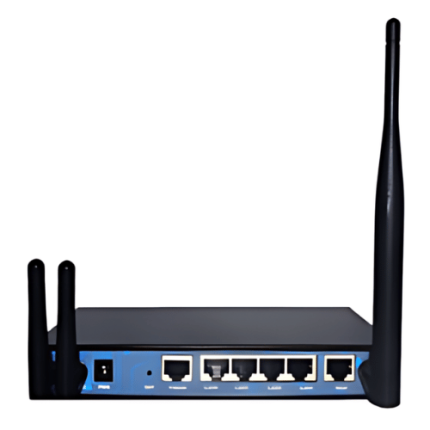
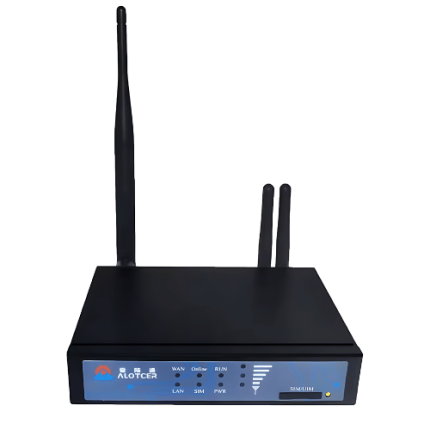
12V IoT Gateway VPN Router with Industrial CPU, WLAN, and Cellular – GAOTek


2.4 in WiFi 4G Wireless Smart Home Security System – GAOTek


3 Band GSM or 3G or 4G Signal Booster – GAOTek


300Mbps 4G LTE Portable Wifi Router with SIM Slot – GAOTek


4G Cellular Modem Router with External Antennas and Multiuser Support – GAOTek


4G Cellular Modem with Dual-Band Wi-Fi and Rotatable Antennas – GAOTek


4G Fixed Wireless Terminal VoLTE WiFi Hotspot HD Voice – GAOTek
Here are the LoRaWAN End Devices offered by GAO Tek
12V IoT Gateway VPN Router with Industrial CPU, WLAN, and Cellular – GAOTek
2.4 in WiFi 4G Wireless Smart Home Security System – GAOTek
3 Band GSM or 3G or 4G Signal Booster – GAOTek
300Mbps 4G LTE Portable Wifi Router with SIM Slot – GAOTek
4G Cellular Modem Router with External Antennas and Multiuser Support – GAOTek
4G Cellular Modem with Dual-Band Wi-Fi and Rotatable Antennas – GAOTek
4G Fixed Wireless Terminal VoLTE WiFi Hotspot HD Voice – GAOTek
Navigation Menu for LoRaWAN
- LoRaWAN Gateways
- LoRaWAN End Devices
- LoRaWAN – Cloud, Server, PC & Mobile Systems
- LoRaWAN Accessories
- LoRaWAN Resources