
Comprehensive Guide for LoRaWAN Enabled Home Automation
Overview
Home automation is transforming the way we live by integrating smart technologies that allow homeowners to remotely control and monitor various systems within their homes. Internet of Things (IoT) devices—ranging from smart thermostats to security cameras—are central to this shift, creating more comfortable, efficient, and secure living environments. Among the various connectivity solutions for IoT, LoRaWAN (Long Range Wide Area Network) stands out as an ideal choice for home automation. It provides low-power, long-range communication that is essential for building reliable, scalable smart homes.
LoRaWAN is particularly well-suited for home automation due to its ability to support a large number of devices over extended distances with minimal energy consumption. This makes it a perfect fit for homes where sensors and devices need to communicate across multiple rooms, floors, or even large properties. Furthermore, LoRaWAN enables continuous monitoring and remote control of devices, from managing energy consumption to enhancing home security, without relying on frequent battery changes or complex wiring.
This guide explores how LoRaWAN can be integrated into home automation systems, covering key components such as gateways, end devices, and network servers, as well as its protocol and architecture. The guide provides practical insights into designing, deploying, and managing a LoRaWAN-based system in residential settings, and highlights real-world applications in energy management, security, environmental monitoring, and health. It also discusses challenges such as network coverage, device interoperability, and security concerns. Looking ahead, the guide explores emerging trends, including the integration of AI and sustainability in smart homes. The appendix offers additional resources, including a glossary, troubleshooting tips, and regulatory considerations. By the end of this guide, readers will be well-equipped to implement LoRaWAN-enabled home automation solutions, optimizing their living spaces for convenience, energy efficiency, and security.
Below are products and systems related to this webpage:
- LoRaWAN Gateways
- LoRaWAN End Devices
- Long Life LoRaWAN Gateways & Hubs
- ATEX LoRaWAN Gateways & Hubs
- LoRaWAN – Cloud, Server, PC & Mobile Systems
- Outdoor LoRaWAN End Devices
- Long Life LoRaWAN End Devices
Our products are in stock can be shipped to anywhere in continental U.S. or Canada from our local warehouse. To purchase or for any further information, please fill out this form or email us.
We are actively looking for partners who are like us located in the U.S. and Canada. For more information on partnering with GAO, please visit Partner with GAO Tek Inc. It lists various ways to partner with GAO, such as OEM Partnerships, Technology Integration, Distribution and Reselling Opportunities, Presenting at the Leading Event Tek Summit, Joint R&D Projects, Training and Consulting Services, Industry-Specific Collaborations, Research and Academic Partnerships.
1. Introduction to LoRaWAN and IoT
The Internet of Things (IoT) is transforming industries, cities, and homes by connecting devices to the Internet for real-time data collection, analysis, and automated decision-making. At its core, IoT enables seamless communication between a wide range of sensors, actuators, and devices to create smarter, more efficient environments.
One of the key enablers of IoT is LoRaWAN (Long Range Wide Area Network), a low-power, long-range communication protocol that has become a vital part of the IoT ecosystem. LoRaWAN is designed to allow low-power devices to communicate over large distances, making it ideal for smart cities, agriculture, industrial IoT, and particularly home automation.
Headquartered in New York City and Toronto, Canada, GAO Tek Inc. is proud to offer cutting-edge LoRaWAN-enabled devices and solutions for home automation. With decades of experience in providing advanced technologies, GAO Tek has earned its place among the top 10 leading B2B suppliers globally, serving Fortune 500 companies, top universities, government agencies, and leading R&D firms across North America.
The Importance of Home Automation
Home automation refers to the use of IoT technology to control various home systems and appliances remotely, automatically, or on a set schedule. This can include everything from lighting, HVAC systems, security cameras, and even kitchen appliances. Home automation aims to improve comfort, convenience, energy efficiency, and security, making it a key aspect of modern living.
As smart homes become more popular, the demand for scalable, reliable, and energy-efficient solutions has grown significantly. IoT-enabled devices form the backbone of these systems, creating an interconnected network that makes homes smarter and more efficient. LoRaWAN technology plays a crucial role here due to its ability to connect devices over long ranges while maintaining low power consumption, making it perfect for home automation applications.
With our focus on providing high-quality, innovative solutions, GAO Tek Inc. is positioned to lead the way in providing the right technology for your home automation needs. Our team ensures that every product we offer is designed with the future of smart homes in mind, making your home safer, more energy-efficient, and easier to manage.
Why LoRaWAN for Home Automation?
LoRaWAN stands out as one of the most suitable communication protocols for home automation, and here’s why:
- Low Power Consumption: LoRaWAN is specifically designed for devices that require minimal energy. This is crucial for home automation systems, as many devices such as sensors, locks, and thermostats need to run on batteries for extended periods. LoRaWAN can keep devices operating for years without needing frequent battery replacements, offering convenience and cost savings.
- Long-Range Connectivity: LoRaWAN offers an extended range compared to other communication protocols such as Wi-Fi or Bluetooth. With the ability to cover several kilometers in rural areas and up to hundreds of meters in urban environments, LoRaWAN ensures that devices can remain connected, even in large homes or buildings with multiple floors.
- Scalability and Flexibility: LoRaWAN’s network architecture supports a vast number of devices simultaneously. As your home automation system expands, you can easily add more devices without worrying about congestion or interference. This scalability is one of the key advantages when deploying a long-term, future-proof solution.
- Security: LoRaWAN incorporates built-in security features such as end-to-end encryption, ensuring that your home automation system remains safe from unauthorized access. These security measures are critical when dealing with sensitive data from devices like security cameras, motion detectors, or door locks.
- Cost-Effective: The low power consumption and long-range capabilities of LoRaWAN make it a cost-effective solution for home automation. With fewer requirements for infrastructure, LoRaWAN networks are more affordable to set up and maintain, especially in larger residential properties.
At GAO Tek Inc., we understand that selecting the right technology for home automation is a critical decision for both homeowners and integrators. We offer a wide range of LoRaWAN-enabled products, such as sensors, controllers, and gateways, that integrate seamlessly with your smart home system, ensuring optimal performance and reliability.
2. Core Components of LoRaWAN-Enabled Home Automation Systems
LoRaWAN (Long Range Wide Area Network) technology is transforming home automation by enabling long-range, low-power communication for a variety of smart devices. At the heart of any LoRaWAN-based home automation system are four essential components: LoRaWAN Gateways, LoRaWAN End Devices, Network Server, and Application Server. Each plays a crucial role in ensuring seamless communication, data processing, and automation within a smart home environment.
LoRaWAN Gateways
LoRaWAN Gateways are responsible for transmitting data between the end devices (e.g., sensors and actuators) and the Network Server. They serve as the communication bridge between the wireless, long-range end devices and the internet or private cloud infrastructure. Gateways are often installed at strategic locations to ensure optimal coverage and to support multiple end devices within a home automation system.
Key Features and Functions:
- Bidirectional Communication: LoRaWAN gateways can send and receive data between end devices and the network, enabling real-time updates and control signals.
- Connectivity: These devices connect to the internet or a private server through various protocols like Ethernet, Wi-Fi, or cellular networks.
- Scalability: A single gateway can support thousands of LoRaWAN devices, making it a cost-effective solution for large-scale deployments.
- Data Aggregation: The gateway receives data packets from various devices, processes them, and forwards the information to the network server. It also manages traffic flow to optimize network performance.
At GAO Tek, we provide highly reliable, robust LoRaWAN gateways designed to ensure smooth and secure communication across home automation networks, backed by our expert technical support and services.
LoRaWAN End Devices
LoRaWAN End Devices are the sensors, actuators, and smart appliances that gather data or perform actions within the home automation system. These devices utilize LoRaWAN for long-range communication, enabling them to operate efficiently even in hard-to-reach or large areas.
Common Types of End Devices:
- Sensors: Collect real-time environmental data such as temperature, humidity, motion, air quality, and occupancy. Examples include smart thermostats, motion detectors, and weather stations.
- Actuators: Devices that perform physical tasks based on commands from the network. These include smart lights, HVAC controllers, door locks, and automated blinds.
- Smart Appliances: These include connected devices like refrigerators, washing machines, and security cameras that are integrated into the smart home network, allowing remote monitoring and control.
Key Features of LoRaWAN End Devices:
- Low Power Consumption: These devices are optimized for long battery life, with some models able to run for several years without needing a recharge or battery replacement.
- Range and Reliability: LoRaWAN end devices are capable of communication over several kilometers, ensuring seamless connectivity even in large homes or multi-story buildings.
- Scalability: As part of the LoRaWAN network, end devices can be added or removed with minimal effort, allowing for flexible system expansion as new devices or features are needed.
GAO Tek offers a wide range of LoRaWAN-enabled end devices designed for smart homes, ensuring seamless integration with other components of the LoRaWAN ecosystem. Our devices are engineered for efficiency, ease of use, and long-term durability.
Network Server
The LoRaWAN Network Server is the central hub that manages the communication between the LoRaWAN gateways and the application servers. It is responsible for routing the data packets between the gateways and ensuring that messages are properly delivered to the end devices. In addition, the network server handles several important functions such as packet de-duplication, data encryption, and network security.
Key Functions of the Network Server:
- Packet Routing: The network server routes data from gateways to the appropriate application server or cloud platform, enabling real-time decision-making in the home automation system.
- Data Integrity and Security: It ensures the integrity of data through encryption and checks for tampering, guaranteeing secure communication between devices.
- Adaptive Data Rate (ADR) Management: The server adjusts the transmission power and data rates for devices based on network conditions, optimizing performance and power consumption.
- Network Health and Monitoring: The network server continuously monitors the status of devices and gateways, identifying any issues and maintaining the overall health of the network.
At GAO Tek, we provide powerful, flexible network servers that are designed to manage large-scale LoRaWAN networks. Whether it’s for home automation or industrial IoT applications, our servers ensure that your system operates smoothly and securely.
Application Server
The LoRaWAN Application Server is where the application logic and data processing occur. It is responsible for interpreting the data received from the network server and making decisions or triggering actions based on the information. The application server is typically where the user interfaces (e.g., mobile apps or web dashboards) are connected to view or control the home automation system.
Key Functions of the Application Server:
- Data Processing and Analysis: The application server processes data from sensors, making it available for analytics or triggering automated actions. For example, it might analyze temperature data from a sensor and automatically adjust the thermostat settings.
- Integration with External Systems: The application server integrates with third-party applications, platforms, and services, enabling cross-platform functionality and smart home integration.
- User Interfaces: It provides the interface through which users interact with their home automation system. This could include a smartphone app, web portal, or voice-controlled assistant (e.g., Amazon Alexa, Google Assistant).
- Automation and Control: Based on the data received, the application server can trigger actions or send commands to the end devices. For example, it may send a command to turn on the lights when motion is detected or adjust the temperature based on user preferences.
GAO Tek helps integrate the application server into your home automation system by providing solutions that support seamless communication and smart decision-making. Whether it’s data processing, user interface development, or system automation, our team is here to support your needs.
3. LoRaWAN Protocol and Architecture for Home Automation
LoRa Physical Layer
The LoRa Physical Layer forms the foundation of LoRaWAN technology. It leverages chirp spread spectrum modulation, ensuring robust and reliable communication even in environments with high interference. This capability is crucial for home automation, where devices often operate amidst Wi-Fi and Bluetooth signals.
Key characteristics of the LoRa Physical Layer:
- Long-range coverage: LoRa signals can cover distances up to 15 kilometers in rural areas and several kilometers in urban settings. This allows a single gateway to serve an entire home or even multiple buildings.
- Low power consumption: The layer is optimized for battery-powered IoT devices, enabling years of operation without frequent battery replacements.
- Interference resilience: With high spectral efficiency, LoRa ensures minimal signal degradation, providing uninterrupted performance for critical home automation tasks like security alerts and energy monitoring.
GAO Tek Inc. integrates LoRa-based solutions tailored for home automation systems, ensuring reliable connectivity for smart devices ranging from thermostats to security cameras.
LoRaWAN MAC Layer
The Medium Access Control (MAC) layer of LoRaWAN defines how data is transmitted and received over the network. It ensures seamless coordination between devices, gateways, and the network server.
Key features of the LoRaWAN MAC Layer:
- Adaptive Data Rate (ADR): This mechanism optimizes data rates and transmission power for individual devices, maximizing energy efficiency and network capacity.
- Device Classes: LoRaWAN supports three device classes (A, B, C), catering to various home automation needs:
- Class A: Ideal for energy-efficient devices like temperature sensors.
- Class B: Suited for devices requiring periodic updates, such as motion detectors.
- Class C: Designed for devices demanding near-real-time communication, such as smart alarms.
- Acknowledgments and Retransmissions: To ensure data reliability, the MAC layer supports acknowledgment mechanisms, crucial for tasks like activating door locks or sending safety alerts.
GAO Tek’s expertise in implementing LoRaWAN-based systems ensures robust MAC layer configurations, enhancing the performance and reliability of smart homes.
Network Architecture
The LoRaWAN network architecture is designed for simplicity and scalability, making it well-suited for home automation deployments. The architecture comprises three primary components:
- End Devices: Sensors and actuators that perform tasks like monitoring room temperature, detecting leaks, or controlling lighting.
- Gateways: These act as intermediaries, converting LoRa signals into IP packets and transmitting them to the network server. Due to its extended range, a single GAO Tek gateway can serve an entire residential community.
- Network Server: Responsible for managing device communication, ensuring data integrity, and performing error correction.
The architecture supports star-of-stars topology, allowing devices to communicate directly with gateways, simplifying deployment and maintenance. With GAO Tek’s solutions, users can seamlessly integrate this architecture into existing smart home ecosystems for optimized automation.
Security Features
Security is a cornerstone of LoRaWAN, making it an ideal choice for home automation where privacy and data protection are paramount.
Key security features include:
- End-to-End Encryption: LoRaWAN employs AES-128 encryption to secure data from devices to the application server.
- Unique Device Credentials: Each device is assigned a unique key pair, minimizing the risk of unauthorized access.
- Network and Application Layer Keys: LoRaWAN uses two separate keys for network and application layers, ensuring robust multi-layer security.
GAO Tek’s LoRaWAN-enabled solutions prioritize security, leveraging the protocol’s advanced features to protect user data and prevent breaches. Our systems adhere to stringent quality assurance processes, making them a trusted choice for homeowners and enterprises alike.
4. Designing and Deploying a LoRaWAN-Based Home Automation System
Building a LoRaWAN-enabled home automation system involves precise planning, robust infrastructure deployment, and effective integration. The following sections detail the process, emphasizing GAO Tek Inc.’s expertise in providing state-of-the-art technology solutions.
System Planning and Design
Designing a LoRaWAN-based system begins with a comprehensive plan tailored to the specific needs of the home environment. Proper planning minimizes challenges during deployment and ensures scalability for future upgrades.
Key Considerations:
- Assessment of Requirements:
- Identify devices and functions to automate (e.g., lighting, security, HVAC).
- Determine the data rate, range, and power efficiency needs.
- Coverage Planning:
- Evaluate the home layout, including floors and outdoor areas.
- Account for obstacles such as walls, furniture, and interference from other devices.
- Capacity Planning:
- Estimate the number of devices and their communication frequency.
- Ensure the system can handle the data load without latency or packet loss.
GAO Tek assists at every stage of the planning process, leveraging decades of experience to help clients optimize coverage, performance, and cost efficiency.
Deployment of LoRaWAN Gateways
Gateways are the backbone of the LoRaWAN network, bridging end devices and network servers. Their strategic deployment ensures seamless communication throughout the home.
Deployment Guidelines:
- Placement:
- Install gateways in high and central locations to maximize signal range.
- Use outdoor-rated gateways for external areas to ensure durability.
- Redundancy and Resilience:
- Deploy multiple gateways for larger homes or multi-story buildings to provide redundant coverage.
- Ensure robust internet connectivity through Ethernet, cellular, or Wi-Fi backhaul.
- Configuration:
- Set up gateways to forward data securely to the network server.
- Use software tools for real-time monitoring and diagnostics.
GAO Tek’s advanced LoRaWAN gateways are designed for efficient deployment, featuring extended range, low power consumption, and integrated monitoring capabilities.
Installing LoRaWAN End Devices
End devices form the operational interface of a home automation system, encompassing sensors and actuators that execute specific functions.
Installation Steps:
- Device Selection:
- Choose devices that align with the system’s goals, such as motion sensors for security, temperature sensors for climate control, or smart plugs for appliance management.
- Placement Optimization:
- Position sensors in areas of maximum utility (e.g., motion detectors near entryways, temperature sensors in living rooms).
- Secure devices to avoid tampering or accidental displacement.
- Power Management:
- Use battery-powered devices for flexibility, ensuring they support long-lasting operation with minimal maintenance.
- Consider solar-powered sensors for outdoor use.
GAO Tek provides a wide range of LoRaWAN-enabled end devices that integrate seamlessly into smart home systems, ensuring reliability and precision in operation.
Configuring the Network
Network configuration is the critical step that binds hardware components into a functional system. Proper setup ensures devices communicate effectively while maintaining data integrity.
Key Configuration Tasks:
- Device Registration:
- Register end devices with the network server using unique identifiers and secure keys.
- Verify that devices are recognized and transmitting data.
- Data Routing:
- Configure gateways to forward data packets to the appropriate network and application servers.
- Optimize routing paths to minimize latency and maximize throughput.
- System Testing:
- Validate the network by simulating various scenarios to identify and address any potential issues.
- Monitor device communication and troubleshoot connectivity problems.
GAO Tek offers expert guidance in network configuration, ensuring that all components work cohesively. Our solutions are backed by stringent quality assurance and reliable technical support.
Integration with Existing Home Automation Systems
Many homes already have automation systems based on Wi-Fi, Zigbee, or Z-Wave protocols. Integrating these systems with LoRaWAN enables users to leverage existing infrastructure while expanding capabilities.
Integration Strategies:
- Protocol Compatibility:
- Use protocol converters or multi-protocol hubs to enable communication between LoRaWAN and existing systems.
- Unified Control Interfaces:
- Develop or deploy platforms that allow users to manage all devices from a single interface, regardless of the underlying protocol.
- Cloud and IoT Ecosystems:
- Integrate the LoRaWAN system with cloud platforms like AWS IoT or Google Cloud for advanced data analytics and remote control.
- Use APIs for seamless interaction between LoRaWAN and third-party services.
At GAO Tek, we specialize in interoperability, providing solutions that integrate LoRaWAN seamlessly into existing automation ecosystems. Our products ensure compatibility and extend the functionality of your home automation system.
5. Real-world applications of LoRaWAN in Home Automation
LoRaWAN technology is revolutionizing the way home automation systems operate by providing an efficient, low-power, wide-area network for connecting a variety of devices. The real-world applications of LoRaWAN in home automation extend across several domains, from energy management and home security to environmental monitoring and health and wellness. Here, we explore how LoRaWAN is being applied in these areas to enhance the functionality, security, and sustainability of modern homes.
Energy Management
LoRaWAN’s ability to enable long-range communication with low power consumption makes it an ideal choice for home energy management systems. These systems can track energy usage in real time, optimize consumption, and enable homeowners to make smarter decisions regarding energy use.
Key Applications:
- Smart Thermostats and HVAC Control: LoRaWAN-connected thermostats can communicate with smart heating, ventilation, and air conditioning (HVAC) systems to optimize energy usage. By analyzing real-time data on temperature, occupancy, and external weather conditions, these systems can adjust settings to improve comfort while reducing unnecessary energy consumption.
- Energy Consumption Monitoring: LoRaWAN-enabled sensors and meters can be deployed throughout a home to monitor energy consumption at the appliance level. This allows homeowners to identify energy-intensive devices and optimize their usage. Over time, the system can use data analytics to recommend energy-saving measures.
- Solar and Renewable Energy Integration: For homes utilizing solar panels or other renewable energy sources, LoRaWAN technology can help in monitoring energy generation and storage. Real-time data enables automated adjustments between grid power and renewable sources, ensuring maximum efficiency.
GAO Tek’s advanced LoRaWAN sensors and solutions can help you create a seamless energy management system, ensuring greater efficiency and sustainability in your home.
Home Security Systems
LoRaWAN’s extensive range and low power consumption are valuable for enhancing home security systems. Whether it’s monitoring door sensors, cameras, or motion detectors, LoRaWAN offers a reliable communication protocol for securing homes.
Key Applications:
- Smart Door and Window Sensors: LoRaWAN-enabled sensors can be placed on doors and windows to detect unauthorized access. These sensors can send immediate alerts to the homeowner’s smartphone or a central monitoring system, triggering the appropriate security measures such as activating alarms or notifying security personnel.
- Surveillance Cameras: Security cameras equipped with LoRaWAN connectivity can stream data to a centralized security system without the need for a traditional wired infrastructure. This enhances flexibility and reduces installation costs while ensuring real-time video feeds for monitoring purposes.
- Motion Detection: Motion sensors using LoRaWAN can detect unusual activity inside or outside a home. When motion is detected, the system can send notifications to the homeowner, who can then take action to verify the threat and adjust the security system accordingly.
By integrating LoRaWAN technology into your home security system, GAO Tek enables you to enhance protection while reducing the need for extensive wiring and network infrastructure.
Environmental Monitoring
Environmental monitoring is crucial for maintaining a healthy and sustainable living environment. LoRaWAN-enabled sensors can provide real-time data on various environmental factors, including air quality, humidity, and temperature, improving the overall livability of homes.
Key Applications:
- Air Quality Monitoring: LoRaWAN sensors can measure various pollutants such as particulate matter, CO2 levels, and volatile organic compounds (VOCs) inside homes. This data can be used to trigger air purifiers or alert homeowners when air quality is deteriorating, allowing them to take corrective actions promptly.
- Humidity and Temperature Control: LoRaWAN sensors can continuously monitor the temperature and humidity levels within the home. These readings can help optimize heating and cooling systems, ensuring that energy consumption is minimized while maintaining ideal living conditions.
- Flood and Leak Detection: LoRaWAN-based water leak sensors can detect the early signs of flooding or water damage in critical areas such as basements and kitchens. These sensors can instantly alert homeowners to potential water hazards, preventing extensive damage and the associated costs.
GAO Tek provides a range of advanced environmental monitoring sensors and devices, giving you the tools needed to ensure your home’s environment is both safe and sustainable.
Health and Wellness
The integration of LoRaWAN technology into health and wellness systems has great potential, especially as the need for connected health devices grows. By enabling continuous health monitoring and real-time data analysis, LoRaWAN can help improve both physical and mental well-being within the home.
Key Applications:
- Personal Health Monitoring: Wearable devices that communicate via LoRaWAN can track vital health metrics such as heart rate, body temperature, and sleep patterns. The data collected can be sent to a centralized system or a healthcare provider for analysis, allowing for proactive health management.
- Elderly Care: LoRaWAN can be used to monitor elderly individuals in a home setting. For instance, sensors can detect falls, changes in mobility, or unusual behavior. This data can then be transmitted to caregivers or emergency services, ensuring prompt response in critical situations.
- Wellness and Fitness Tracking: LoRaWAN-enabled fitness trackers can monitor physical activity levels and environmental factors like air quality and temperature, which can influence overall health. By aggregating this data, individuals can gain insights into their wellness routines and make adjustments to optimize their health.
GAO Tek’s advanced health and wellness solutions, powered by LoRaWAN, can help you stay connected to your health needs, ensuring that both you and your loved ones are living healthier, more fulfilling lives.
GAO Case Studies
United States Case Studies:
- New York, NY
A residential building in New York City deployed a LoRaWAN-based energy management system to monitor energy consumption across multiple apartments. The system integrated real-time data from smart meters and thermostats, helping tenants and building managers optimize energy usage and reduce costs by 20%. - Chicago, IL
In Chicago, a LoRaWAN-based smart security system was implemented across a gated community. The system featured motion detectors, door/window sensors, and cameras, all communicating via LoRaWAN to provide reliable coverage across the entire area, significantly improving the safety and response times of local security teams. - Dallas, TX
A home automation system in Dallas utilized LoRaWAN for environmental monitoring. Sensors placed throughout the house tracked temperature, humidity, and air quality. The data was used to trigger automated climate control systems, improving comfort and reducing energy waste. - Los Angeles, CA
A LoRaWAN network was deployed for flood detection in flood-prone areas of Los Angeles. The system used water level sensors along key drainage areas to provide early warnings of potential flooding, allowing residents to take precautionary measures and avoid damage to their properties. - Seattle, WA
In Seattle, a residential health and wellness system integrated wearable devices that communicated vital health statistics via LoRaWAN. The data was continuously monitored by healthcare professionals to track patient conditions and provide early intervention when needed. - Miami, FL
A luxury home in Miami integrated LoRaWAN-based HVAC and energy management systems. The system monitored energy consumption patterns in real time, providing homeowners with actionable insights to reduce their energy costs while maintaining optimal comfort levels. - Boston, MA
A multi-family building in Boston used LoRaWAN to monitor and control the building’s water consumption. Leak detection sensors and water meters provided real-time alerts, allowing maintenance teams to address issues before they escalated into costly repairs. - San Francisco, CA
A LoRaWAN-based home security system was implemented in San Francisco. Sensors throughout the property sent alerts when windows or doors were opened, enhancing the overall security of the home and allowing homeowners to receive real-time notifications directly to their mobile devices. - Washington, D.C.
In Washington D.C., a LoRaWAN environmental monitoring system was deployed in a historical building to maintain optimal indoor air quality. Sensors monitored CO2 and VOC levels, providing timely alerts that led to improved ventilation and a healthier indoor environment for residents. - Denver, CO
A smart home in Denver integrated LoRaWAN to track energy consumption across various appliances. The system identified high-energy usage patterns and recommended energy-saving practices, resulting in a 15% reduction in overall household energy bills. - Phoenix, AZ
LoRaWAN-based sensors were used in a residential complex in Phoenix to monitor environmental factors such as temperature, humidity, and CO2 levels. The data was used to optimize HVAC systems, ensuring a comfortable environment while reducing energy consumption. - San Diego, CA
A senior living community in San Diego implemented a LoRaWAN-based health monitoring system. Wearable devices provide continuous health metrics, enabling caregivers to monitor vital signs remotely and provide assistance when necessary, improving overall patient care. - Detroit, MI
In Detroit, a LoRaWAN-based flood detection system was installed in a newly developed residential area. Sensors along the waterfront detected water level changes, providing alerts to residents and city officials to prevent damage during heavy rains. - Atlanta, GA
A smart home in Atlanta utilized LoRaWAN sensors to track energy consumption in real-time. The data was used to optimize the home’s HVAC system and lighting, resulting in significant energy savings without sacrificing comfort. - Austin, TX
LoRaWAN technology was used to enhance security in an upscale neighborhood in Austin. The system integrated motion detectors, door/window sensors, and cameras, providing enhanced monitoring capabilities and allowing homeowners to control security settings remotely.
Canada Case Studies:
- Toronto, ON
A downtown Toronto high-rise implemented a LoRaWAN-based system for smart lighting and energy management. Sensors tracked occupancy and ambient light levels to optimize lighting usage, reducing the building’s energy consumption by 18%. - Vancouver, BC
In Vancouver, LoRaWAN was integrated into an apartment complex’s health and wellness program. The system continuously monitored air quality and provided residents with real-time information on pollutant levels, helping them maintain a healthy living environment.
6. Challenges and Limitations of LoRaWAN in Home Automation
While LoRaWAN (Long Range Wide Area Network) has emerged as a key technology for home automation, there are several challenges and limitations that must be addressed to fully capitalize on its potential. These challenges encompass various technical and operational aspects, including network coverage, device interoperability, battery life, and security concerns. Understanding these limitations can help users and businesses make informed decisions when implementing LoRaWAN-based home automation systems.
Network Coverage and Range
One of the key advantages of LoRaWAN is its ability to provide long-range communication, which is ideal for home automation systems spread across large properties. However, the performance of LoRaWAN networks can be significantly affected by physical obstructions, environmental factors, and network congestion.
Challenges:
- Obstructions:
- Buildings, walls, trees, and other physical barriers can limit the effective communication range of LoRaWAN devices. In dense urban environments or homes with thick walls, signals may not propagate as effectively, reducing the range and reliability of the system.
- Interference:
- LoRaWAN operates in unlicensed frequency bands (typically 868 MHz or 915 MHz), which are shared with other wireless technologies like Wi-Fi and Bluetooth. In areas with high interference or crowded frequencies, connectivity could be compromised.
- Range Variability:
- While LoRaWAN boasts impressive range capabilities (up to 10-15 kilometers in rural areas), its range may drop to just a few hundred meters in urban environments with many obstructions. Ensuring the proper placement of gateways and end devices is crucial for maximizing coverage.
At GAO Tek, we offer a range of LoRaWAN devices that are optimized for long-range communication, and our team provides expert advice on deployment strategies to overcome coverage challenges.
Device Interoperability
Another challenge with LoRaWAN in home automation systems is ensuring that different devices, sensors, and systems can communicate seamlessly. LoRaWAN is designed as a low-power, wide-area network protocol, but the diversity of devices and manufacturers can create compatibility issues.
Challenges:
- Vendor Lock-In:
- Different vendors may implement slightly varying versions of LoRaWAN or proprietary modifications, making it difficult for devices from different manufacturers to work together. This could require users to commit to a single vendor’s ecosystem, reducing flexibility.
- Device Standards:
- The LoRaWAN ecosystem is still evolving, and not all devices follow the same set of standards. Ensuring that devices communicate effectively across a network requires adherence to specific LoRaWAN class protocols (Class A, B, or C) and ensuring compatibility with the network server.
- Software Integration:
- Integrating LoRaWAN-enabled devices into existing home automation platforms or third-party solutions can be complex, especially if the systems were not designed with LoRaWAN in mind. Some devices may require custom software or middleware to ensure smooth operation.
At GAO Tek, we ensure that our LoRaWAN products are fully compatible with common home automation standards. Our team assists clients in integrating LoRaWAN devices into broader smart home ecosystems, ensuring that different systems can function together seamlessly.
Battery Life Considerations
LoRaWAN’s low-power design makes it an ideal choice for battery-operated devices in home automation systems. However, battery life is a critical concern, particularly for sensors and end devices that need to function over extended periods without frequent maintenance.
Challenges:
- Device Power Consumption:
- While LoRaWAN is energy-efficient, the battery life of end devices is still dependent on several factors, such as the frequency of data transmission, the distance between devices and gateways, and the use of low-power modes. Devices that need to send frequent updates can drain their batteries more quickly.
- Battery Replacement:
- In large-scale home automation systems with many end devices, battery replacement can become a logistical challenge. For remote devices or those in hard-to-reach locations, replacing batteries can be time-consuming and costly.
- Longevity of Batteries:
- The lifespan of the batteries depends on the type used in the devices. Lithium batteries, while offering longer life, can still deplete faster than expected with high-frequency data transmission, necessitating careful management of device communication patterns.
GAO Tek provides a selection of power-efficient LoRaWAN devices optimized for long battery life, and we assist customers in implementing strategies to manage power consumption effectively across their networks.
Security and Privacy Concerns
Security is a critical concern when deploying any IoT-based solution, and LoRaWAN-based home automation systems are no exception. Despite LoRaWAN’s robust encryption mechanisms, there are still potential vulnerabilities that can expose users to risks.
Challenges:
- Data Encryption and Integrity:
- LoRaWAN provides end-to-end encryption for data transmitted across the network, ensuring that data remains secure between the end device and the gateway. However, weak keys, misconfigurations, or improper encryption handling can expose data to potential interception or tampering.
- Network Vulnerabilities:
- LoRaWAN networks, while providing some level of security, are not immune to attacks such as eavesdropping, replay attacks, or denial of service (DoS). Hackers may target LoRaWAN gateways or devices to disrupt communication or steal sensitive data.
- Device Authentication:
- Ensuring proper authentication of devices before they connect to the network is crucial. A lack of robust authentication methods could lead to unauthorized devices being added to the network, compromising its integrity and security.
GAO Tek takes security seriously and ensures that our LoRaWAN solutions are equipped with the latest security features, including AES encryption and secure device authentication protocols. We also provide expert support in configuring networks to minimize vulnerabilities and protect against potential attacks.
7. Future Trends and Innovations in LoRaWAN for Home Automation
As LoRaWAN technology continues to evolve, its potential applications in home automation are growing exponentially. The future of LoRaWAN-enabled home automation systems is not only promising in terms of enhanced functionality but also in integrating new technologies such as artificial intelligence (AI), machine learning (ML), and sustainable energy solutions. This section delves into key trends and innovations shaping the future of LoRaWAN for home automation.
Advancements in LoRaWAN Technology
The LoRaWAN ecosystem is constantly advancing to meet the demands of modern IoT applications, particularly in smart home environments. As more devices are integrated into home automation systems, LoRaWAN will continue to evolve in terms of efficiency, scalability, and reliability.
Key Trends:
- Improved Data Rates and Throughput:
- One of the primary areas of improvement for LoRaWAN is the enhancement of data rates and throughput. With the advent of LoRaWAN 1.1 and upcoming versions, data transmission speeds are expected to improve, allowing for faster communication between devices while maintaining long-range capabilities.
- Low Power Enhancements:
- Battery life is a critical consideration in home automation. Future LoRaWAN standards are likely to include enhanced low-power modes, improving energy efficiency, and extending the battery life of end devices, which is essential for large-scale deployments in home automation.
- Advanced LoRaWAN Gateways:
- The next generation of LoRaWAN gateways is expected to include more powerful processors, higher processing speeds, and improved backhaul capabilities, which will ensure more efficient data routing and lower latency. This advancement will be key to supporting complex home automation systems that require real-time data processing.
At GAO Tek, we are already positioning ourselves at the forefront of these advancements, offering cutting-edge LoRaWAN-based devices and solutions that are ready for the next phase of IoT innovation.
Smart Cities and LoRaWAN Integration
LoRaWAN’s role in home automation is not limited to individual homes; it is also poised to play a crucial role in the development of smart cities. As urban areas adopt more intelligent, connected systems, LoRaWAN is an ideal communication protocol due to its low power consumption, scalability, and wide coverage capabilities.
Key Applications:
- Seamless Integration with Urban Infrastructure:
- LoRaWAN-enabled devices will increasingly be integrated into urban infrastructure such as smart streetlights, waste management systems, and smart grids. These devices can communicate with home automation systems, providing real-time data and feedback to optimize energy usage, reduce waste, and improve the overall quality of life in smart cities.
- Home Automation and City-Wide Integration:
- As homes become more connected through LoRaWAN, the potential for seamless communication between home automation systems and city infrastructure grows. For example, a smart home’s energy management system can communicate with a smart grid to adjust power consumption based on demand, or security systems can interact with public safety networks.
GAO Tek is equipped to support the integration of LoRaWAN systems across various environments, helping bridge the gap between home automation and the emerging smart city framework.
AI and Machine Learning in Home Automation
The convergence of LoRaWAN and AI/ML technologies will unlock powerful new capabilities for home automation systems. AI and ML algorithms can help homes become more responsive and adaptive to users’ needs, creating personalized experiences that improve efficiency, security, and comfort.
Key Applications:
- Predictive Maintenance:
- Machine learning algorithms can be applied to data collected by LoRaWAN-enabled devices, allowing for predictive maintenance of household appliances and systems. For example, a smart HVAC system can predict when maintenance is needed based on performance trends and proactively notify homeowners.
- Energy Optimization:
- AI can be used to analyze energy usage data collected by LoRaWAN sensors, identifying patterns and suggesting optimizations for better energy efficiency. For instance, smart thermostats could learn user preferences and adjust heating or cooling patterns based on time of day, occupancy, and weather conditions.
- Smart Home Security:
- AI-driven analytics can enhance the security capabilities of LoRaWAN devices. By analyzing data from motion sensors, cameras, and door/window sensors, AI algorithms can identify unusual behavior or potential security breaches and trigger automatic responses, such as alerting homeowners or activating security measures.
At GAO Tek, we understand the transformative power of AI and ML in home automation. Our products are built to be compatible with the latest machine learning technologies, ensuring that your home automation system is future-proofed for the AI-driven era.
Sustainability and Environmental Impact
As the demand for smart home solutions grows, sustainability is becoming a key concern. LoRaWAN technology’s inherent energy efficiency positions it as a valuable player in reducing the environmental impact of home automation systems. Moreover, the integration of LoRaWAN into sustainable energy practices can help further decrease energy consumption and support greener, more environmentally conscious homes.
Key Areas of Focus:
- Energy Efficiency:
- LoRaWAN devices are low-power by design, making them ideal for energy-efficient home automation. The reduced energy consumption of these devices can help homeowners lower their carbon footprint by ensuring that their systems are running as efficiently as possible.
- Renewable Energy Integration:
- LoRaWAN systems can play a pivotal role in integrating renewable energy sources, such as solar panels or wind turbines, into home automation systems. By leveraging real-time data from LoRaWAN sensors, homes can optimize the use of renewable energy, storing excess energy or distributing it where needed.
- Sustainable Manufacturing:
- As LoRaWAN adoption grows, manufacturers are focusing on reducing the environmental impact of devices through sustainable sourcing, recyclable materials, and more energy-efficient production processes. This helps ensure that the environmental footprint of deploying LoRaWAN-based systems is minimal.
GAO Tek is dedicated to advancing sustainability in home automation. Our LoRaWAN products are designed to be energy-efficient, and we are committed to providing solutions that support environmentally friendly practices for homes and businesses alike.
8. Conclusion
Recap of Key Points
In this guide, we’ve explored the pivotal role that LoRaWAN (Long Range Wide Area Network) plays in home automation. LoRaWAN provides a reliable, low-power, and long-range communication protocol that is perfectly suited for the IoT devices that power smart homes.
Key takeaways include:
- Core Components: We highlighted the essential elements that make up LoRaWAN-based home automation systems, such as end devices, gateways, and network servers.
- LoRaWAN Architecture: The protocol’s unique architecture allows for seamless communication over long distances with low energy consumption, making it ideal for smart homes that require widespread device deployment.
- Deployment Strategy: Designing and deploying a LoRaWAN-based system involves careful planning, selecting the right devices, and configuring a robust network for optimal performance.
- Real-World Applications: LoRaWAN has wide-ranging applications in smart homes, from energy management to home security and environmental monitoring. It facilitates real-time data exchange for smarter, more efficient home automation.
- Challenges: Despite its advantages, there are challenges such as network coverage, device interoperability, battery life, and security that must be carefully addressed when implementing LoRaWAN systems.
- Future Trends: LoRaWAN’s integration with emerging technologies like AI, machine learning, and smart cities will unlock new possibilities for smarter, more sustainable homes.
At GAO Tek, we have been at the forefront of providing innovative solutions in the IoT space for over four decades, offering reliable LoRaWAN devices and systems that help businesses and consumers realize the full potential of connected living.
Future Outlook
The future of LoRaWAN in home automation is extremely promising. As technology continues to advance, we expect to see more powerful, energy-efficient devices with even greater ranges and capabilities. Key trends, such as the integration of LoRaWAN with AI and machine learning, will enable homes to not only respond intelligently to user needs but also predict and adapt to behaviors for maximum efficiency.
Furthermore, LoRaWAN’s potential to play a significant role in smart city infrastructure will expand the scope of home automation beyond individual homes to connected communities, creating a more cohesive and streamlined environment.
As LoRaWAN technology evolves, so too will the systems and solutions we develop at GAO Tek, ensuring our customers benefit from cutting-edge, sustainable, and scalable home automation systems that align with future trends.
Call to Action
As LoRaWAN technology continues to transform home automation, there is no better time to integrate it into your smart home ecosystem. Whether you’re looking to optimize energy use, enhance security, or create a more sustainable living space, GAO Tek’s advanced LoRaWAN solutions can help bring your vision to life.
Explore our extensive range of LoRaWAN products and services designed to support your home automation needs. Our team of experts is ready to assist with product selection, system design, and deployment to ensure seamless integration and reliable performance.
Visit GAO Tek’s website to learn more about our cutting-edge technologies and how we can help you build the smart home of the future. Reach out to us today to get started with the next generation of home automation.
9. Appendix
Glossary of Terms
- LoRaWAN (Long Range Wide Area Network): A low-power, wide-area network protocol designed to allow long-range communication between IoT devices with minimal energy consumption. It is widely used in home automation for connecting devices like sensors, smart thermostats, and lighting systems.
- IoT (Internet of Things): A system of interconnected devices that exchange data over the internet. In the context of home automation, IoT includes devices such as lighting controls, smart locks, and security cameras, all capable of being remotely monitored and controlled.
- End Device: A device in a LoRaWAN network that collects or sends data. End devices include sensors (e.g., temperature or humidity sensors), actuators (e.g., smart lights), and other smart home appliances.
- LoRa (Long Range): A wireless modulation technology that enables LoRaWAN to provide long-range communication, often over kilometers in urban and rural settings, while maintaining low power consumption.
- Gateway: A device in a LoRaWAN network that connects end devices to the internet or a central server. Gateways manage the transmission of data between the devices and the network server.
- Class A, B, and C Devices: These refer to different types of LoRaWAN end devices that operate with varying power consumption and communication timing, allowing users to balance energy use and latency.
- Network Server: A server responsible for managing the communication between devices and ensuring the proper transmission and routing of messages within the LoRaWAN network.
- RF (Radio Frequency): A range of electromagnetic frequencies used for communication. LoRaWAN typically operates in sub-1 GHz frequency bands (e.g., 915 MHz in North America, 868 MHz in Europe).
LoRaWAN Device Manufacturers and Providers
When building a LoRaWAN-based home automation system, selecting high-quality, reliable devices is key to ensuring long-term performance. Below are some of the leading device manufacturers and providers for LoRaWAN-enabled home automation systems:
- Semtech: The originator of the LoRa technology, Semtech offers a variety of LoRa chips and modules. Their products are widely used in IoT and home automation applications, providing the backbone for long-range, low-power communication.
- Multitech: Known for its wide array of LoRaWAN gateways and end devices, Multitech offers solutions suitable for both small and large-scale home automation deployments.
- Kerlink: Specializes in providing reliable LoRaWAN gateway products that integrate seamlessly with various IoT networks. Kerlink’s solutions are scalable, allowing for home automation setups ranging from small apartments to large residential buildings.
- The Things Network: A global LoRaWAN community that offers open-source network infrastructure for deploying LoRaWAN networks. They provide gateway hardware, network servers, and extensive software tools that can be leveraged for home automation.
- GAO Tek: As a leading supplier in the B2B technology sector, GAO Tek offers a wide range of LoRaWAN devices ideal for home automation applications. Our high-quality gateways, sensors, and end devices are trusted by customers in the U.S. and Canada, including Fortune 500 companies and government agencies. GAO Tek is committed to providing industry-leading R&D, support, and expertise to ensure seamless integration of LoRaWAN technologies into your smart home solutions.
Additional Resources
For deeper insights into LoRaWAN, home automation, and related technologies, explore the following resources:
- LoRa Alliance: This organization sets the standard for LoRaWAN technology, providing valuable resources on the development and certification of LoRaWAN devices. Visit LoRa Alliance
- The Things Network: An open-source network designed for LoRaWAN connectivity. They provide forums, technical documentation, and tools for deploying private LoRaWAN networks, which can be useful for both small-scale and large-scale home automation projects. Visit The Things Network
- GAO Tek Blog: Our blog features expert articles, case studies, and the latest industry news, providing insights into how LoRaWAN can be utilized for smart home solutions. Visit GAO Tek Blog
- LoRaWAN Documentation: For developers, this site offers detailed documentation, APIs, and best practices for implementing LoRaWAN devices in IoT networks. LoRaWAN Documentation
Troubleshooting Guide
Below are common issues that may arise when deploying LoRaWAN-based home automation systems, along with troubleshooting steps:
- Weak or No Signal Coverage:
- Ensure the gateway is placed in a location with minimal physical obstructions. Large metal surfaces, thick concrete walls, or excessive distances can impact signal range.
- Verify that the frequency settings on the end devices are compatible with the local regulations for your region.
- Device Not Joining Network:
- Ensure the device is configured with the correct DevEUI, AppEUI, and AppKey. If the device is not correctly authenticated, it may fail to join the network.
- Check that the network server is operational and can receive join requests.
- Data Not Transmitting or Receiving:
- Confirm that the device and gateway are within range of each other. LoRaWAN devices typically require a clear line of sight to transmit effectively over long distances.
- Check the device battery levels. Low battery power can cause devices to fail in sending or receiving data.
- Latency or Delayed Responses:
- Review the communication class of the end devices. Class A devices, for example, have higher latency but lower power consumption, while Class C devices have lower latency but higher power requirements.
- Security Concerns:
- Ensure that devices are using the appropriate AES encryption keys for secure data transmission. Regularly update firmware and security protocols to protect data from vulnerabilities.
Sample Code and Configuration
Here’s an example of how to configure a LoRaWAN device using Python. This code is for connecting an end device to a LoRaWAN network and sending simple data, such as temperature readings:
python
Copy code
import lora
# Initialize the LoRaWAN device
device = lora.LoRaWANDevice(dev_eui=”YOUR_DEV_EUI”, app_eui=”YOUR_APP_EUI”, app_key=”YOUR_APP_KEY”)
# Set LoRaWAN class and frequency
device.set_class(“A”) # Class A for low power
device.set_frequency(915000000) # Frequency for North America
# Join the network
device.join()
# Send data
data = {“temperature”: 22.5} # Example data (temperature in Celsius)
device.send_data(data)
# Receive data from server (if any)
received_data = device.receive_data()
print(“Received data:”, received_data)
This simple Python script demonstrates the process of initializing a device, joining the LoRaWAN network, and sending/receiving data. Ensure you replace the placeholders (YOUR_DEV_EUI, YOUR_APP_EUI, and YOUR_APP_KEY) with actual values from your device and network provider.
For more advanced configurations, including network optimization and multi-device management, refer to the LoRaWAN documentation or consult with GAO Tek’s technical support.
Regulatory Considerations
When deploying LoRaWAN-based devices in your home automation system, it is essential to be aware of regional regulatory requirements:
- Frequency Bands: Different countries have specific frequency bands allocated for LoRaWAN. In the U.S. and Canada, LoRaWAN typically operates on the 915 MHz frequency band, while in Europe, the 868 MHz band is commonly used. Ensure that devices are compliant with local frequency regulations to avoid interference with other communications.
- Certification and Compliance: LoRaWAN devices must meet regulatory requirements set by authorities such as the Federal Communications Commission (FCC) in the U.S. or the European Telecommunications Standards Institute (ETSI) in Europe. Make sure your devices are properly certified to ensure they meet electromagnetic compatibility (EMC) and safety standards.
- Data Privacy and Security: In many regions, particularly in the EU with the General Data Protection Regulation (GDPR), the collection, storage, and processing of personal data must adhere to stringent privacy rules. LoRaWAN devices should implement strong encryption and ensure secure transmission of data. Always ensure that data protection measures align with the legal requirements in your jurisdiction.
GAO Tek ensures that our LoRaWAN devices meet or exceed all necessary regulatory standards, giving you peace of mind when deploying your home automation solutions. For assistance with compliance or regulatory concerns, our team is available for support and guidance.
Here are the LoRaWAN Gateways/Hubs offered by GAO Tek:

4G LoRaWAN Gateway with WiFi and PoE Support – GAOTek


4G LTE Profinet Edge IoT Gateway with RS232 and LoRaWAN 868/915 MHz – GAOTek


8 Channel LoRaWAN Indoor IoT Gateway With Wi-Fi – GAOTek


Advanced High Speed LoRaWAN Gateway and Hub for Reliable Networking – GAOTek
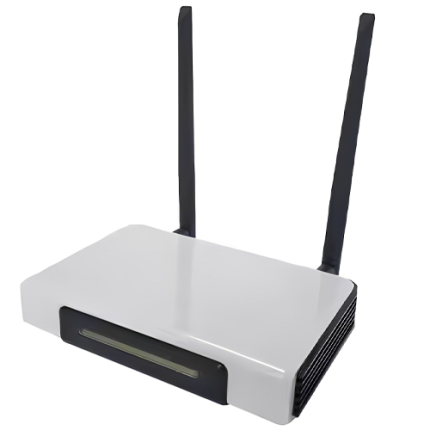
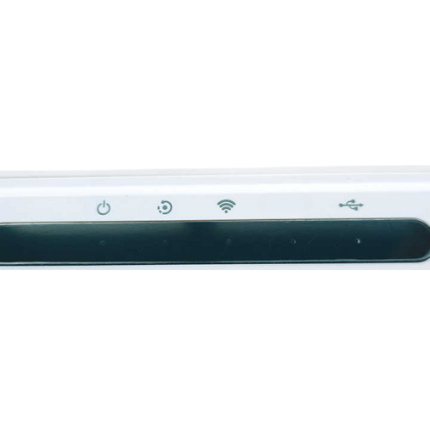
Advanced Indoor LoRaWAN Building Automation Gateway – GAOTek
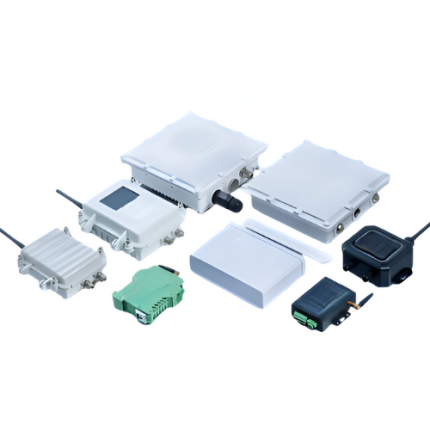

Advanced LoRaWAN Gateway for 4G, Ethernet, and Wi-Fi Wireless Data Transmission – GAOTek


Advanced LoRaWAN Gateway with Wi Fi and LTE Support – GAOTek

Bluetooth to LoRaWAN Gateway – GAOTek
Here are the LoRaWAN End Devices offered by GAO Tek:


8 Channel LoRaWAN Gateway with WiFi Ethernet US915 or EU868 – GAOTek

Advanced LoRa Communication Module and Power Protection – GAOTek


Advanced LoRaWAN Field Tester with GPS – GAOTek


Advanced LoRaWAN Ultrasonic Monitoring Sensor – GAOTek


Advanced LoRaWAN Wireless Pressure Temperature Sensor -GAOTek

Advanced Water Meter with TMR Technology – GAOTek


Agriculture Greenhouse IoT Sensor with LoRa Wireless – GAOTek
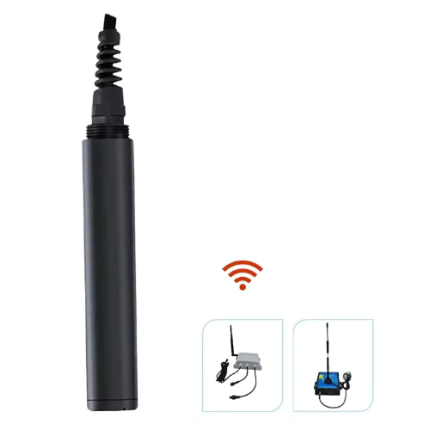
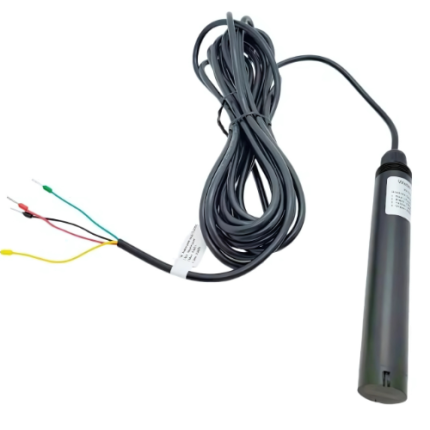
Aquaculture Water Turbidity Sensor with LoRaWAN – GAOTek
Navigation Menu for LoRaWAN
- LoRaWAN Gateways
- LoRaWAN End Devices
- LoRaWAN – Cloud, Server, PC & Mobile Systems
- LoRaWAN Accessories
- LoRaWAN Resources