


Comprehensive Guide for LoRaWAN Enabled Hospitality IoT
Overview
The integration of Internet of Things (IoT) technology in the hospitality industry has revolutionized the way businesses manage operations and enhance guest experiences. LoRaWAN (Long Range Wide Area Network) is a key player in this transformation, offering a reliable and scalable solution for connecting various IoT devices across vast hospitality environments, such as hotels, resorts, and convention centers. With its long-range connectivity, low power consumption, and secure data transmission capabilities, LoRaWAN supports efficient management of everything from room automation systems to energy-saving solutions.
By enabling real-time monitoring and predictive maintenance, LoRaWAN technology helps streamline hotel operations, reduce operational costs, and increase overall energy efficiency. In addition, it plays a pivotal role in creating personalized guest experiences, offering features like smart room controls, seamless check-ins, and customized recommendations. The future potential of LoRaWAN in hospitality is immense, as it continues to enable the seamless integration of advanced technologies such as AI, machine learning, and 5G to further enhance the guest experience.
As the hospitality sector increasingly adopts smart technology, LoRaWAN-enabled solutions will be critical to staying competitive, improving operational efficiency, and driving sustainability in the industry. This guide explores how LoRaWAN technology can be leveraged within the hospitality IoT ecosystem, detailing its features, applications, implementation strategies, and the operational benefits it brings to hotels and resorts worldwide.
Below are products and systems related to this webpage:
- Urban-Optimized LoRaWAN Gateways & Hubs
- LoRaWAN End Devices
- LoRaWAN – Cloud, Server, PC & Mobile Systems
- High-Speed LoRaWAN Gateways & Hubs
- Indoors Only LoRaWAN Gateways & Hubs
Our products are in stock can be shipped to anywhere in continental U.S. or Canada from our local warehouse. To purchase or for any further information, please fill out this form or email us.
We are actively looking for partners who are like us located in the U.S. and Canada. For more information on partnering with GAO, please visit Partner with GAO Tek Inc. It lists various ways to partner with GAO, such as OEM Partnerships, Technology Integration, Distribution and Reselling Opportunities, Presenting at the Leading Event Tek Summit, Joint R&D Projects, Training and Consulting Services, Industry-Specific Collaborations, Research and Academic Partnerships.
1. Introduction to LoRaWAN and its Significance in the Hospitality Sector
LoRaWAN (Long Range Wide Area Network) is a cutting-edge wireless communication technology that enables long-range, low-power connectivity for Internet of Things (IoT) devices. In the hospitality sectoar, LoRaWAN is transforming operations by enabling real-time monitoring, seamless automation, and efficient management of hotel facilities and resources. This technology allows for low-energy, wide-area connectivity, making it ideal for applications that span large hotel properties or multiple locations. By utilizing LoRaWAN-enabled devices, hotels can streamline operations, enhance guest experiences, and improve their sustainability efforts.
As a global leader in providing advanced B2B IoT solutions, GAO Tek Inc. has seen firsthand the increasing adoption of LoRaWAN technology in the hospitality industry. Our team is dedicated to supporting businesses in the hospitality sector with tailored solutions that optimize performance, reduce costs, and improve service offerings. Headquartered in New York City and Toronto, GAO Tek Inc. combines four decades of experience in R&D and a commitment to quality, ensuring that our customers receive the most reliable and innovative IoT solutions.
The Role of IoT in Improving Guest Experiences, Operational Efficiency, and Sustainability
The integration of IoT into the hospitality industry is revolutionizing how hotels interact with guests and manage their operations. IoT-enabled devices, powered by technologies like LoRaWAN, provide hotels with the ability to automate and optimize a wide range of services—from temperature and lighting controls to predictive maintenance of equipment and energy systems.
For guest experiences, IoT devices allow for personalized, responsive services. For instance, guests can adjust room temperatures, lighting, and even request services through mobile apps or voice-activated systems. This level of personalization increases guest satisfaction, leading to improved loyalty and retention. LoRaWAN-powered devices also enable seamless communication between IoT systems, ensuring a smooth and convenient experience for both guests and staff.
On the operational side, IoT provides the ability to monitor and control systems such as HVAC, lighting, and water management in real-time, ensuring maximum efficiency and reducing operational costs. By utilizing LoRaWAN’s long-range capabilities, hotels can achieve end-to-end visibility of operations across large properties or even multiple locations. This connectivity empowers hotel managers to make data-driven decisions that improve operational efficiency and reduce waste.
In terms of sustainability, IoT solutions using LoRaWAN contribute to energy conservation by automatically adjusting environmental controls based on occupancy and usage patterns. By optimizing energy consumption, hotels can lower their environmental impact while simultaneously cutting operational expenses. GAO Tek’s IoT solutions are designed to support these sustainability initiatives, helping businesses in the hospitality sector take a more responsible approach to energy management.
As LoRaWAN technology continues to evolve, its role in the hospitality sector will only grow. Whether through improving guest services, enhancing operational processes, or advancing sustainability goals, LoRaWAN is positioning itself as an essential tool for the future of the hospitality industry. GAO Tek is proud to be at the forefront of this transformation, offering advanced IoT solutions that empower businesses to unlock new efficiencies and create exceptional experiences for their customers.
2. Understanding LoRaWAN Technology
What is LoRaWAN?
LoRaWAN (Long Range Wide Area Network) is a low-power, wide-area network (LPWAN) protocol designed to wirelessly connect IoT devices over long distances. It is optimized for applications that require minimal data transmission but need to operate over vast areas with minimal power consumption. LoRaWAN is particularly useful in industries where remote monitoring and data collection are crucial, such as in agriculture, logistics, and the hospitality sector.
At its core, LoRaWAN provides an efficient and reliable means of communication for IoT devices, supporting both small data packets and low-power sensors. This makes it an ideal choice for smart building systems, asset tracking, environmental monitoring, and energy management within the hospitality industry.
Explanation of LoRaWAN Technology, its Architecture, and Features
LoRaWAN operates within a star-of-stars network topology, where IoT devices communicate with gateways that forward data to a central network server. The architecture consists of several components:
- End Devices (Nodes): These are the IoT devices equipped with LoRa radios that collect and transmit data, such as temperature sensors, motion detectors, and asset tracking tags. These devices are battery-powered and designed to operate for years on minimal energy.
- Gateways: Gateways act as the bridge between the end devices and the network server. They relay data from multiple end devices to the server via standard IP networks, typically using Ethernet, Wi-Fi, or cellular connections.
- Network Server: The network server manages data transmission, ensuring that messages are routed to the correct destination. It handles tasks such as data encryption, decryption, and network management.
- Application Server: The application server processes the data received from the network server and makes it available to end-users through web portals or mobile applications for monitoring and decision-making.
LoRaWAN’s key features include long-range communication (up to 15-30 kilometers in urban settings and 50 kilometers in rural areas), low power consumption (enabling devices to run for years on a single battery), and low data rate capabilities (ideal for applications such as sensor monitoring).
How LoRaWAN Works in IoT
In an IoT deployment, LoRaWAN enables two-way communication between end devices and central servers, facilitating remote monitoring and control. For example, in a hotel, LoRaWAN can connect devices like temperature and humidity sensors, occupancy detectors, and energy meters to the hotel’s central management system. The sensors collect real-time data, which is transmitted via LoRaWAN to the gateway. From there, it is sent to the network server, where the information is processed and made available to the hotel’s management team.
This type of network structure allows businesses to collect valuable data from numerous devices spread across large properties, such as hotel rooms, common areas, and outdoor spaces. LoRaWAN ensures that the data transmission is energy-efficient and reliable, allowing for continuous operation without the need for frequent battery replacements or costly infrastructure.
Overview of Communication Protocols and Data Transmission
LoRaWAN utilizes a secure communication protocol to ensure the integrity and confidentiality of data transmitted between devices. It leverages an adaptive data rate (ADR) mechanism that optimizes the transmission rate and power consumption based on the distance and environmental conditions between devices and gateways. This protocol ensures that even in areas with low signal strength or interference, data can still be transmitted efficiently.
LoRaWAN also employs end-to-end encryption to protect data, ensuring that sensitive information is securely transmitted from IoT devices to the application server. This makes it a reliable choice for industries like hospitality, where guest privacy and security are paramount.
Benefits for the Hospitality Industry
The hospitality industry, with its large-scale properties and diverse operational needs, stands to benefit significantly from the adoption of LoRaWAN. Key advantages include:
- Low Power Consumption: LoRaWAN’s ability to support devices with minimal energy usage makes it ideal for applications in the hospitality industry, such as smart thermostats, lighting controls, and occupancy sensors. These devices can operate for years without needing frequent maintenance or battery replacements, leading to lower operational costs.
- Scalability: LoRaWAN’s architecture supports scalability, making it easy to expand networks as needed. Whether a hotel is expanding to new floors, opening additional properties, or integrating more devices into its IoT system, LoRaWAN can accommodate increasing demands without significant infrastructure upgrades.
- Wide Coverage: LoRaWAN’s long-range communication capabilities allow hotels and resorts to extend their IoT network coverage across vast properties, including outdoor areas like parking lots, pools, and gardens. With LoRaWAN, there is no need for complex wiring or frequent repeaters, as the network can cover large distances, even in rural or remote locations.
- Cost-Effective Solutions: The low operational costs associated with LoRaWAN-powered IoT devices make it a cost-effective solution for hospitality businesses. By optimizing energy consumption and reducing the need for expensive infrastructure, hotels can achieve significant cost savings while enhancing their operational efficiency.
As a leading supplier of IoT solutions, GAO Tek Inc. is committed to helping businesses in the hospitality sector leverage LoRaWAN to enhance guest experiences, improve operational efficiency, and drive sustainability. Our products are designed to provide scalable, secure, and cost-effective solutions that meet the unique needs of the hospitality industry. Whether you’re looking to optimize energy management or enhance security, we have the expertise and technology to support your IoT initiatives.
3. Applications of LoRaWAN in Hospitality IoT
Smart Rooms and Guest Comfort
In today’s competitive hospitality industry, providing exceptional guest experiences is crucial. LoRaWAN technology enables hotels to offer “smart rooms” where guests can easily control various aspects of their environment, such as lighting, temperature, and entertainment systems. LoRaWAN-enabled sensors allow seamless communication between devices, allowing for personalized room settings that can be controlled via mobile apps or in-room voice assistants. For example, a guest can adjust the room temperature, lighting, and even request housekeeping or room service, all with the ease of a smartphone. This convenience leads to a more enjoyable stay, increasing guest satisfaction and loyalty.
GAO Tek Inc. offers LoRaWAN-based smart room solutions that integrate seamlessly with existing hospitality infrastructure, enhancing guest comfort and optimizing room management. By deploying our innovative IoT solutions, hotels can ensure an elevated and personalized guest experience, while also benefiting from operational efficiencies that reduce energy consumption and operational costs.
Temperature, Lighting, and HVAC Control Using LoRaWAN-Enabled Sensors
LoRaWAN’s ability to provide low-power, long-range connectivity makes it a powerful tool for managing temperature, lighting, and HVAC systems across a hotel. By using LoRaWAN-enabled sensors, hotels can monitor and adjust these systems in real-time, ensuring that guest rooms and public areas remain at optimal comfort levels while minimizing energy waste. For instance, sensors placed in hotel rooms can automatically adjust the lighting and temperature when a guest enters or exits, based on occupancy.
This level of automation reduces energy consumption, cuts costs, and improves the overall guest experience by ensuring the ideal atmosphere throughout the hotel. GAO Tek’s IoT solutions allow hospitality businesses to gain greater control over their energy management systems, ensuring efficiency, reliability, and comfort.
Energy Management and Sustainability
The hospitality industry is increasingly focused on sustainability, and LoRaWAN is a key enabler of energy-efficient operations. Through the deployment of smart sensors for lighting, heating, and cooling, hotels can monitor and optimize their energy usage across large properties. LoRaWAN technology enables real-time monitoring of power consumption, which can be adjusted based on occupancy, time of day, and weather conditions. For example, if a hotel room is unoccupied, the system can automatically reduce the heating or cooling, ensuring that energy is not wasted.
LoRaWAN also enables better management of shared spaces like conference rooms, ballrooms, or lobbies. By integrating LoRaWAN-enabled smart sensors, hotels can ensure that lighting and HVAC systems are optimized for energy efficiency, reducing operational costs and lowering their carbon footprint.
As a leader in providing cutting-edge IoT solutions, GAO Tek can help hospitality businesses implement smart energy management systems using LoRaWAN, supporting both sustainability goals and cost-saving initiatives.
Optimizing Energy Usage Through Smart Sensors for Lighting, Heating, and Cooling
By leveraging LoRaWAN-enabled sensors, hotels can continuously monitor and control energy usage for lighting, heating, and cooling systems. Smart sensors can detect occupancy and adjust environmental controls accordingly, ensuring that no energy is wasted. For example, in public areas such as conference rooms or dining halls, lighting and HVAC can be optimized based on the presence of guests or staff.
LoRaWAN provides the scalability needed to integrate these systems across multiple hotel locations, offering centralized control and oversight. Through real-time data analytics, hotel operators can monitor energy consumption patterns and identify areas for improvement. GAO Tek’s solutions offer the flexibility and scalability needed to implement comprehensive energy management systems, making them suitable for both single properties and large hotel chains.
Asset and Inventory Management
LoRaWAN technology also plays a critical role in asset and inventory management within the hospitality sector. With large volumes of equipment, supplies, and assets spread across multiple hotel locations, managing and tracking these resources can be a challenge. LoRaWAN-enabled tags and sensors provide real-time asset tracking, ensuring that critical equipment and supplies are always accounted for.
For instance, housekeeping teams can use IoT-based asset tracking to monitor the location and condition of items such as linens, cleaning supplies, and maintenance tools. Additionally, hotels can monitor the usage of high-value items like minibars, audiovisual equipment, or furniture. Real-time tracking enhances inventory management, improves resource allocation, and reduces operational costs by preventing theft, loss, or misuse of assets.
GAO Tek’s asset tracking solutions, powered by LoRaWAN, enable seamless real-time monitoring of hotel assets, allowing staff to improve their workflow efficiency and reduce administrative overhead.
Predictive Maintenance
Preventing equipment failure and reducing downtime are critical to maintaining smooth operations in any hotel. LoRaWAN technology supports predictive maintenance strategies by continuously monitoring the condition of hotel facilities and equipment. IoT-enabled sensors can detect early signs of wear and tear in systems such as HVAC, plumbing, or elevators, alerting hotel staff before an issue leads to downtime or costly repairs.
For example, a sensor might monitor the temperature and vibrations of an air conditioning unit, and if the readings exceed normal thresholds, it can send a notification to maintenance personnel to address the issue before it leads to equipment failure. By employing predictive maintenance, hotels can extend the lifespan of their assets, reduce maintenance costs, and improve guest satisfaction by minimizing disruptions.
GAO Tek’s predictive maintenance solutions provide hotels with the tools they need to reduce costly emergency repairs and ensure that facilities are always in top condition. Through the use of real-time monitoring and data analytics, our systems enable early detection of potential issues, allowing for efficient and timely interventions.
GAO Case Studies
- New York City, NY
A luxury hotel in Manhattan implemented a LoRaWAN-powered energy management system, optimizing lighting and HVAC across 500 rooms and multiple common areas. The system reduced energy consumption by 15%, helping the hotel achieve its sustainability goals while maintaining guest comfort. - Los Angeles, CA
In a large conference hotel, LoRaWAN sensors were used for asset tracking. The system allowed the hotel to monitor its extensive inventory of AV equipment, linens, and furniture, reducing lost items and improving the efficiency of housekeeping operations. - Chicago, IL
A high-end hotel chain across several locations adopted LoRaWAN-based predictive maintenance for its HVAC systems. By monitoring equipment health in real time, the hotel reduced system failures by 30%, leading to cost savings and improved guest satisfaction. - Miami, FL
A resort hotel implemented LoRaWAN sensors for real-time occupancy tracking and room management. The system optimized HVAC usage based on room occupancy, resulting in significant energy savings and a better guest experience. - Seattle, WA
A boutique hotel in Seattle integrated LoRaWAN-enabled smart sensors to control lighting and temperature in guest rooms. This initiative improved operational efficiency, reduced energy consumption by 12%, and enhanced guest comfort with automated environmental controls. - San Francisco, CA
A major hospitality group across the San Francisco Bay Area deployed LoRaWAN for asset tracking and inventory management in their restaurants and hotels. Real-time tracking of linens, appliances, and supplies improved inventory accuracy and streamlined operations. - Dallas, TX
In Dallas, a hotel used LoRaWAN sensors for a comprehensive energy management solution that monitored HVAC and lighting systems. This system reduced operational energy costs by 10% annually, while providing a more environmentally responsible approach to hotel management. - Washington, DC
A hotel in Washington, DC, employed LoRaWAN for predictive maintenance on its elevators and other critical infrastructure. Sensors detected potential issues before failure, saving the hotel significant downtime and repair costs. - Las Vegas, NV
A casino hotel in Las Vegas used LoRaWAN for smart room systems, enabling guests to control their room’s environment via a mobile app. This increase in guest personalization led to a boost in satisfaction ratings. - Boston, MA
A historical hotel in Boston implemented LoRaWAN-based asset tracking for its valuable art and equipment. This enhanced security and management of high-value items, reducing loss and ensuring proper maintenance. - Orlando, FL
A theme park hotel in Orlando utilized LoRaWAN technology for monitoring and controlling energy usage in guest rooms and public areas. This helped the hotel save on utility bills while ensuring comfort for visitors. - Atlanta, GA
In Atlanta, a large hotel chain installed LoRaWAN-enabled energy sensors to optimize heating and cooling. The system reduced energy waste by adjusting settings based on real-time guest usage, improving sustainability. - Phoenix, AZ
A resort in Phoenix implemented LoRaWAN to monitor its water usage and manage sprinklers more efficiently. This contributed to significant water savings, especially important in a drought-prone region. - Denver, CO
A mountain resort in Denver used LoRaWAN technology for real-time asset management of ski equipment and supplies. This allowed staff to track usage and availability across the property, enhancing guest satisfaction. - Houston, TX
A hotel in Houston used LoRaWAN for predictive maintenance of its air conditioning units. The system provided real-time data on the performance of the units, preventing outages and reducing service costs.
Canada Case Studies
- Toronto, ON
A luxury hotel in downtown Toronto implemented LoRaWAN technology for smart room automation, improving guest comfort and optimizing energy consumption. The system allowed for dynamic adjustments to HVAC and lighting, based on occupancy patterns. - Vancouver, BC
A large hotel in Vancouver used LoRaWAN-based asset tracking to monitor its fleet of cleaning carts, laundry services, and event equipment. The integration helped reduce lost items and streamline housekeeping operations, leading to better resource management.
4. Key Components of a LoRaWAN Hospitality IoT System
A LoRaWAN-based IoT system in the hospitality industry is designed to enhance operational efficiency, reduce energy consumption, and improve guest experiences. The key components of such a system work together seamlessly to ensure optimal performance, real-time monitoring, and effective management of hotel resources. Here, we explore the essential elements that make up a LoRaWAN-enabled IoT system tailored for the hospitality sector.
IoT Sensors, Devices, and Gateways Specific to the Hospitality Industry
The core of any LoRaWAN IoT system is the network of sensors, devices, and gateways that facilitate communication and data collection.
IoT Sensors
In hospitality, IoT sensors play a critical role in monitoring and controlling various systems. Some common types of sensors used in a LoRaWAN-powered hospitality IoT system include:
- Temperature Sensors: These sensors monitor room temperature and help control HVAC systems to optimize energy usage and ensure guest comfort.
- Motion Sensors: Used for occupancy detection, motion sensors help adjust lighting, HVAC, and other environmental factors in guest rooms and public spaces. They also support energy-saving practices by ensuring that systems are only active when needed.
- Humidity Sensors: These sensors maintain air quality by detecting humidity levels and triggering adjustments in HVAC systems or dehumidifiers when necessary.
- Light Sensors: Light sensors control lighting based on room occupancy or ambient light levels, ensuring that lights are dimmed or turned off when rooms are unoccupied.
- Asset Tracking Sensors: LoRaWAN-enabled RFID or GPS sensors help track high-value assets, such as furniture, AV equipment, and linen, across the hotel premises.
These sensors can be deployed in guest rooms, lobbies, hallways, meeting rooms, kitchens, and other hotel facilities to monitor and optimize environmental conditions, as well as ensure the availability and maintenance of critical assets.
IoT Devices
Devices such as smart thermostats, smart lighting controllers, smart locks, and HVAC controllers form part of the broader IoT infrastructure in a LoRaWAN system. These devices interact with sensors and automatically adjust settings based on real-time data, allowing for greater control and personalization. For example, a smart thermostat might automatically adjust the room’s temperature based on occupancy, and a smart lock might open or close based on guest preferences or check-in times.
Gateways
LoRaWAN gateways are vital for facilitating communication between the IoT devices and the cloud platform. These gateways serve as the intermediary that collects data from the sensors and sends it to the central cloud server for processing. A single gateway can support a large number of sensors across an entire hotel property, offering significant scalability and reliability. The use of LoRaWAN’s long-range connectivity ensures that even sensors placed in remote areas of a large hotel or resort remain connected.
GAO Tek Inc. provides a range of IoT sensors and gateways that are specifically designed for the hospitality industry, ensuring compatibility, reliability, and scalability. Our solutions empower hotels to achieve greater efficiency, security, and energy savings.
Cloud Platforms and Data Analytics for Decision-Making and Monitoring
Once data is collected by IoT sensors and transmitted via LoRaWAN gateways, cloud platforms play a pivotal role in storing, processing, and analyzing that data. Cloud computing offers a centralized location for data management, enabling real-time monitoring and historical analysis of hotel operations.
Cloud Platforms
Cloud platforms, such as Microsoft Azure, AWS, or private cloud solutions, provide the infrastructure to support large-scale data collection and storage. These platforms allow hotel managers to access and analyze data from multiple locations via web-based dashboards, offering insights into operational efficiency, energy usage, guest comfort, and asset management.
Cloud platforms offer seamless integration with other hotel management systems (HMS), property management systems (PMS), and energy management systems (EMS). By centralizing data collection, hotels can achieve a more cohesive management approach that simplifies operations and enhances decision-making.
Data Analytics
The true power of a LoRaWAN-based IoT system lies in its ability to turn raw data into actionable insights. Data analytics tools integrated into the cloud platform can process the collected data and generate real-time reports, trends, and predictions. These insights help hospitality managers make informed decisions on a wide range of factors, including:
- Energy Consumption: Through analytics, hotels can identify energy usage patterns, spot inefficiencies, and adjust systems to reduce consumption.
- Guest Preferences: Data from smart rooms and in-room devices can be analyzed to better understand guest preferences and tailor services to improve guest satisfaction.
- Maintenance Needs: Predictive analytics can help forecast potential maintenance issues before they become major problems, reducing downtime and repair costs.
- Asset Utilization: Analytics can provide real-time visibility into the status and location of hotel assets, enabling better resource allocation and reducing the risk of loss or theft.
At GAO Tek Inc., we integrate advanced cloud platforms with our IoT sensors and gateways to offer a complete end-to-end solution for hospitality businesses. Our cloud-based data analytics capabilities empower hotel operators to make data-driven decisions that improve both operational efficiency and guest satisfaction.
By combining IoT sensors, devices, gateways, and powerful cloud platforms, GAO Tek helps hotels build intelligent, connected environments that drive cost savings, improve sustainability, and elevate guest experiences.
5. Implementing LoRaWAN Solutions in Hospitality
Successfully implementing LoRaWAN solutions in the hospitality industry requires a thoughtful approach that takes into account the specific needs of the business, the available technologies, and the operational goals. Below, we detail the steps to assess, select, and deploy LoRaWAN IoT solutions in the hospitality sector.
Steps for Assessing the Needs of a Hospitality Business
Before selecting and deploying any IoT solution, it’s crucial to first assess the unique needs of your hospitality business. This assessment ensures that the chosen solutions align with both immediate requirements and long-term goals.
Identify Key Operational Challenges and Opportunities
Start by evaluating your hotel’s current operations to identify areas for improvement. Consider factors such as energy consumption, guest comfort, asset management, and maintenance costs. LoRaWAN-enabled IoT solutions can help address challenges such as inefficiencies in HVAC systems, excessive energy use, outdated equipment, or difficulty tracking assets.
Determine the Scope of IoT Deployment
Decide whether to implement IoT across the entire property or in specific areas such as guest rooms, conference areas, or back-of-house operations. A targeted approach might be more cost-effective at first and can be expanded as the system proves its value. For example, starting with smart room controls and asset management systems can yield immediate benefits before scaling to energy management or predictive maintenance systems.
Consider the Desired Level of Automation and Integration
Think about how much automation you want to incorporate. Should devices work independently, or should they be integrated into a centralized management system for real-time control and reporting? LoRaWAN’s versatility allows for both approaches, but understanding the level of integration will help guide decisions on software and infrastructure requirements.
Set Performance and ROI Expectations
Establish clear goals for your IoT implementation, such as reducing energy consumption by X%, improving guest satisfaction scores, or reducing equipment downtime. These goals will help prioritize solutions and ensure the system is delivering a return on investment (ROI).
Selecting Appropriate Devices, Networks, and Software Solutions
Once the needs have been assessed, the next step is to select the appropriate components to implement your LoRaWAN-based system.
Devices
Selecting the right devices is crucial for ensuring that your IoT system performs optimally. This includes IoT sensors, actuators, and smart devices that monitor and control your operations. For hospitality applications, consider the following:
- Environmental sensors such as temperature, humidity, and air quality sensors for guest rooms and public spaces.
- Smart lighting and HVAC systems that automatically adjust based on occupancy or preset preferences.
- Asset tracking devices such as RFID tags or GPS trackers for monitoring inventory, equipment, and high-value assets.
GAO Tek Inc. offers a comprehensive selection of IoT sensors, actuators, and devices tailored to the hospitality sector, ensuring scalability and compatibility for future growth.
LoRaWAN Network
The LoRaWAN network is the backbone of your IoT solution. It provides long-range, low-power communication between devices and gateways, ensuring coverage across large properties. When selecting a network, consider the following:
- Public vs. private networks: Depending on your hotel’s location and size, a private LoRaWAN network might offer greater control, security, and customization. Alternatively, a public LoRaWAN network may be sufficient for smaller properties or short-term projects.
- Gateway placement: Ensure that gateways are strategically placed to cover all areas of your hotel property. Depending on the layout and the number of floors, you may need more than one gateway to ensure uninterrupted connectivity.
GAO Tek Inc. can assist with selecting and installing LoRaWAN gateways that offer both reliable connectivity and scalability, allowing you to expand your system as your needs evolve.
Software Solutions
Choose the right cloud-based or on-premise software to manage your IoT system. The software should integrate seamlessly with your existing property management systems (PMS), building management systems (BMS), and other hotel management platforms.
- Real-time monitoring platforms offer insights into energy consumption, guest comfort, and asset management.
- Predictive analytics tools enable proactive maintenance and help optimize resource allocation.
- Automated reporting and alerts streamline operations by notifying staff of anomalies or required actions.
GAO Tek Inc. works with industry-leading software providers to offer complete IoT solutions that integrate seamlessly with your hotel management systems, providing actionable insights and real-time control.
Best Practices for Integration and Deployment
Successfully integrating and deploying a LoRaWAN system in hospitality requires careful planning and execution. Here are some best practices to follow:
Pilot Program
Before fully rolling out the IoT system, conduct a pilot program. Start with a specific area of your hotel, such as a few guest rooms or the conference center, to evaluate the system’s effectiveness and troubleshoot any issues. This will allow you to refine the system and gain staff and guest feedback.
Collaborate with Expert Providers
Working with experienced IoT solution providers, such as GAO Tek Inc., can streamline the deployment process. With our extensive experience in the hospitality sector, we can help with the design, implementation, and integration of IoT solutions that meet your specific needs.
Ensure Seamless Integration
Ensure that your LoRaWAN IoT system integrates smoothly with your existing technology stack, including your PMS, BMS, and other management platforms. This will reduce complexity and improve the overall functionality of your operations.
Provide Training for Staff
Proper training is key to maximizing the value of your new IoT system. Ensure that all relevant staff members, including front desk personnel, maintenance crews, and operations managers, are well-trained on how to interact with the IoT system, analyze data, and respond to alerts.
Monitor, Optimize, and Scale
Once deployed, continuously monitor the system’s performance and make adjustments as needed. IoT systems are dynamic and can be further optimized through regular updates and new device integrations. As the system proves its value, consider scaling it to additional areas of your property or expanding its functionality.
At GAO Tek Inc., we support our clients at every step of the implementation process—from needs assessment and device selection to deployment and ongoing support. Our solutions are tailored to deliver high ROI and operational efficiency for hospitality businesses, ensuring a smooth and successful transition to a smarter, more connected environment.
6. Challenges and Solutions in Hospitality IoT with LoRaWAN
Implementing LoRaWAN-enabled IoT solutions in the hospitality sector presents several challenges. However, these challenges can be overcome with the right strategies and technologies. Below are some common hurdles and their corresponding solutions.
Overcoming Network Coverage and Interference Issues
In large hospitality properties, maintaining robust network coverage for IoT devices across multiple floors and rooms can be a challenge. LoRaWAN, while known for its long-range capabilities, may still face interference and signal degradation due to building materials and other environmental factors.
Solution: To ensure seamless coverage, a well-planned network deployment strategy is essential. LoRaWAN gateways should be placed strategically throughout the property to maximize coverage. GAO Tek Inc. offers customizable gateway solutions that provide optimal signal strength, even in challenging environments. Additionally, a site survey can help identify potential interference zones and adjust the placement of devices accordingly.
In multi-building properties, it might be necessary to deploy additional gateways to ensure that signals can traverse long distances without degradation. Using LoRaWAN’s adaptive data rates and frequency hopping features can also help mitigate interference and improve communication reliability.
Data Security and Privacy Considerations
In hospitality IoT, handling sensitive data related to guest preferences, room conditions, and operational data is critical. As IoT devices collect vast amounts of information, ensuring the security and privacy of this data is paramount.
Solution: LoRaWAN employs end-to-end encryption, ensuring that all transmitted data is protected from unauthorized access. To further enhance security, GAO Tek Inc. recommends implementing additional layers of security such as multi-factor authentication (MFA) for system access, regular software updates, and encryption of stored data.
Additionally, strict compliance with data protection regulations, such as the General Data Protection Regulation (GDPR) in Europe or the California Consumer Privacy Act (CCPA) in the U.S., is crucial. By selecting a trusted IoT solution provider, such as GAO Tek, you can be confident that all privacy and compliance requirements are met. Our team ensures that all systems are designed with the latest security protocols to safeguard your guest and operational data.
Ensuring Reliability and Scalability
As hospitality businesses grow and evolve, the scalability and reliability of their IoT systems become even more critical. IoT solutions need to adapt to increasing data volumes, new devices, and expanding network requirements. Ensuring that systems continue to perform reliably over time, even as new devices are added, is essential for maintaining operational efficiency.
Solution: LoRaWAN is inherently scalable, allowing businesses to start small and expand their systems as needed. At GAO Tek Inc., we assist our clients in designing IoT networks that can scale seamlessly with growing demands. Our team works closely with you to ensure that network infrastructure, devices, and cloud systems are optimized for expansion.
We also provide proactive monitoring and maintenance services to ensure the continuous operation of your IoT systems. By implementing a robust cloud-based management platform, we can offer real-time diagnostics, allowing you to detect and address potential issues before they disrupt operations. Additionally, leveraging our predictive analytics tools can help anticipate future network needs and avoid performance bottlenecks.
As your property expands, we ensure that your LoRaWAN-based IoT solution grows with you, delivering reliable performance, scalability, and continuous support.
7. Future Trends in LoRaWAN-Enabled Hospitality IoT
As the hospitality industry continues to embrace IoT technologies, LoRaWAN is playing a pivotal role in shaping the future of smart, connected environments. The integration of cutting-edge innovations and the rapid development of smart cities are driving transformative changes. Below are some key trends that will define the future of LoRaWAN-enabled Hospitality IoT.
Innovations in Guest Personalization, Automation, and AI Integration
One of the most exciting trends in hospitality is the growing use of artificial intelligence (AI) and automation to enhance guest experiences. LoRaWAN’s long-range connectivity and low-power capabilities are ideal for enabling these innovations in large hotel complexes, resorts, and other hospitality settings.
Guest Personalization: With the power of LoRaWAN-enabled sensors and IoT devices, hospitality businesses can offer highly personalized experiences. For instance, sensors embedded in hotel rooms can automatically adjust the temperature, lighting, and even curtain position based on guest preferences, which are tracked over time. Additionally, real-time data from IoT devices allows properties to understand guest behavior patterns and offer tailored services, from recommending room amenities to personalizing room service.
Automation and Efficiency: LoRaWAN is helping streamline operations by integrating automated systems into the hospitality workflow. For example, smart lighting, HVAC, and security systems can be controlled remotely, with the system learning and adapting to occupancy patterns. This improves guest comfort while also optimizing energy consumption. GAO Tek Inc. provides cutting-edge IoT sensors and gateways that allow businesses to automate routine tasks, saving time, reducing operational costs, and improving service consistency.
AI Integration: Artificial intelligence is set to revolutionize the hospitality industry by automating complex decision-making processes. AI-driven analytics tools can predict guest needs, optimize inventory management, and provide insights into energy consumption, all of which are powered by data gathered from LoRaWAN-connected devices. At GAO Tek, we support the integration of AI solutions into IoT networks, ensuring that our customers stay ahead in delivering personalized and seamless guest experiences.
Smart Cities and the Convergence of IoT and LoRaWAN in Urban Hospitality
The growth of smart cities is a transformative force in the urban hospitality sector. As cities become increasingly connected, the convergence of IoT and LoRaWAN will play a significant role in enhancing the operations of hospitality businesses, creating efficiencies, and improving the guest experience.
Urban Hospitality Integration: With the proliferation of smart infrastructure, urban hotels and hospitality services will become part of larger connected ecosystems. LoRaWAN provides seamless integration between smart city infrastructure, such as transportation systems, utilities, and security, and hotel IoT systems. For example, LoRaWAN-enabled sensors can track a guest’s location within a city, providing real-time information on available transportation options, local events, and weather conditions, enhancing the guest’s experience throughout their stay.
Sustainability in Smart Cities: LoRaWAN-enabled IoT systems are key to the energy management solutions that are central to smart cities. In hospitality, this could mean more efficient waste management, water conservation, and energy use. LoRaWAN sensors in smart cities can provide real-time data on everything from waste collection to energy consumption, helping hotels adopt more sustainable practices. As a leader in providing advanced B2B technologies, GAO Tek Inc. offers the hardware and software needed to enable these sustainable, smart city-driven solutions.
Interconnected IoT Ecosystem: As LoRaWAN expands its reach across urban areas, it fosters an interconnected ecosystem that benefits both businesses and their customers. Hotels can communicate with city infrastructure, such as traffic control systems and public services, to optimize their operations. This results in faster response times to issues like power outages or emergency alerts and ensures that guests receive the most efficient services possible.
GAO Tek Inc. is at the forefront of helping businesses navigate this interconnected future. By offering advanced IoT solutions that seamlessly integrate with smart city infrastructures, we help our hospitality clients stay ahead of the curve in providing exceptional service while contributing to the broader goals of urban innovation and sustainability.
8. Appendix
Glossary of Terms
This glossary includes the most common terms and acronyms used in the field of LoRaWAN-enabled Hospitality IoT to help readers better understand the technical concepts and terminology.
- LoRaWAN (Long Range Wide Area Network): A low-power, wide-area networking protocol designed for IoT devices to communicate over long distances with minimal energy consumption.
- IoT (Internet of Things): A system of interrelated physical devices connected to the internet that allows them to collect, share, and exchange data.
- Smart Hotel: A hotel that uses IoT technologies to enhance the guest experience, improve operational efficiency, and offer new services.
- Asset Tracking: A system used in hospitality to monitor the location and condition of valuable assets, like hotel room keys or equipment, in real-time.
- Wireless Sensors: Devices that measure various parameters like temperature, humidity, and motion and transmit data via wireless networks.
- Gateway: A network device that connects IoT devices to the cloud or central server, enabling communication between different networks.
- Edge Computing: The processing of data near the source of data generation (e.g., IoT devices) to reduce latency and improve speed.
- Smart HVAC: Heating, ventilation, and air conditioning systems equipped with IoT sensors to optimize performance and energy consumption.
- Security and Privacy: Safeguarding guest data and ensuring compliance with regulations like GDPR in a hospitality environment.
Technical Specifications and Diagrams
This section includes key technical specifications, diagrams, and schematics that illustrate the architecture of LoRaWAN-enabled Hospitality IoT systems and their components. These resources provide deeper insights into the network infrastructure, device connectivity, and system interoperability, which help design and deploy efficient IoT solutions in the hospitality industry.
- LoRaWAN Architecture: A visual diagram detailing the communication flow in a LoRaWAN network, including devices (sensors, tags), gateways, and network servers.
- Data Flow Diagram for Hospitality IoT: A diagram showing how data from different IoT devices (e.g., smart thermostats, wearables, asset trackers) are transmitted, processed, and analyzed for decision-making.
- Energy Consumption Specifications for IoT Devices: Charts showing energy usage statistics for different types of IoT devices typically used in hospitality and how LoRaWAN optimizes energy consumption.
- Security Specifications: Details on encryption standards and secure data transmission protocols implemented within LoRaWAN to protect sensitive guest and operational data.
References and Additional Resources
This section provides a curated list of reputable resources for further exploration of LoRaWAN technology, IoT in hospitality, and related emerging technologies. These references can serve as valuable tools for those looking to dive deeper into industry-specific applications and innovations.
- IEEE Internet of Things Journal: Research articles and papers on IoT trends, standards, and security best practices.
- LoRa Alliance: The official organization that defines and promotes LoRaWAN standards, with guidelines, use cases, and documentation.
- Smart Hotel Institute: Resources and case studies on the application of IoT technologies in the hotel industry.
- Hospitality Technology News: News, reports, and trends on the role of IoT in hospitality, with a focus on smart technologies and guest experience.
- National Institute of Standards and Technology (NIST): Provides cybersecurity frameworks, including for IoT networks, essential for ensuring privacy and security in hospitality IoT deployments.
These resources help organizations stay informed on the latest advancements, standards, and industry-specific solutions that impact the hospitality sector.
Here are the LoRaWAN Gateways/Hubs offered by GAO Tek

4G LoRaWAN Gateway with WiFi and PoE Support – GAOTek


4G LTE Profinet Edge IoT Gateway with RS232 and LoRaWAN 868/915 MHz – GAOTek


8 Channel LoRaWAN Indoor IoT Gateway With Wi-Fi – GAOTek


Advanced High Speed LoRaWAN Gateway and Hub for Reliable Networking – GAOTek
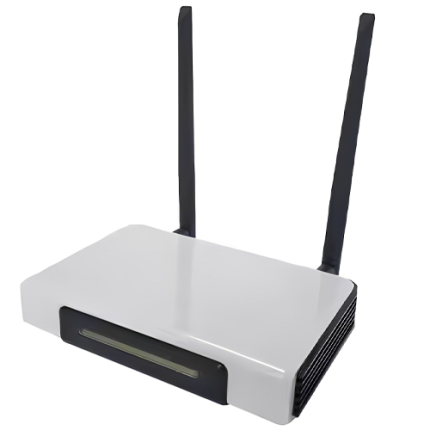
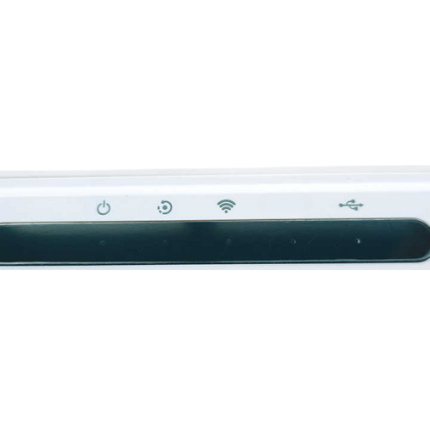
Advanced Indoor LoRaWAN Building Automation Gateway – GAOTek
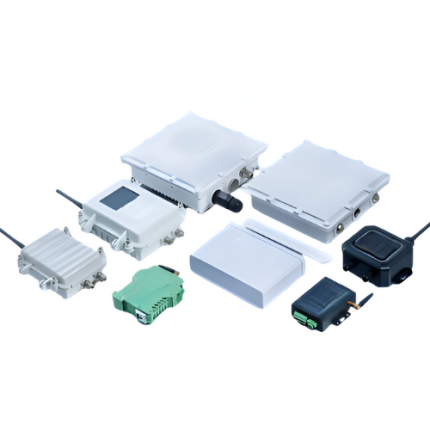

Advanced LoRaWAN Gateway for 4G, Ethernet, and Wi-Fi Wireless Data Transmission – GAOTek


Advanced LoRaWAN Gateway with Wi Fi and LTE Support – GAOTek

Bluetooth to LoRaWAN Gateway – GAOTek
Here are the LoRaWAN End Devices offered by GAO Tek


8 Channel LoRaWAN Gateway with WiFi Ethernet US915 or EU868 – GAOTek

Advanced LoRa Communication Module and Power Protection – GAOTek


Advanced LoRaWAN Field Tester with GPS – GAOTek


Advanced LoRaWAN Ultrasonic Monitoring Sensor – GAOTek


Advanced LoRaWAN Wireless Pressure Temperature Sensor -GAOTek

Advanced Water Meter with TMR Technology – GAOTek


Agriculture Greenhouse IoT Sensor with LoRa Wireless – GAOTek
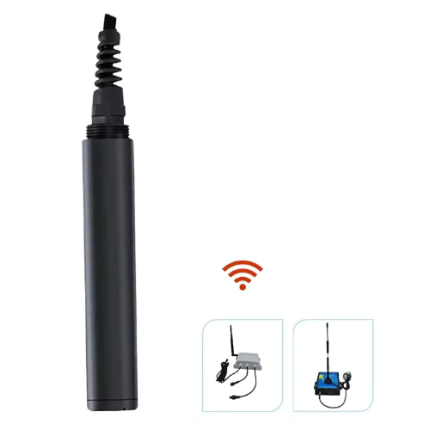
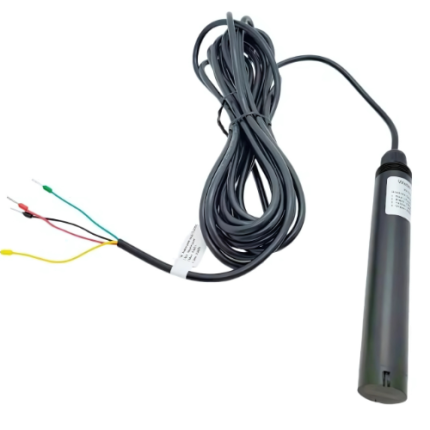
Aquaculture Water Turbidity Sensor with LoRaWAN – GAOTek
Navigation Menu for LoRaWAN
- LoRaWAN Gateways
- LoRaWAN End Devices
- LoRaWAN – Cloud, Server, PC & Mobile Systems
- LoRaWAN Accessories
- LoRaWAN Resources