


Comprehensive Guide for LoRaWAN Enabled Logistics 4.0
Overview
The logistics sector is experiencing a revolutionary shift under the influence of Industry 4.0, driven by innovations in IoT technologies. LoRaWAN, a robust low-power, wide-area network (LPWAN) technology, is at the forefront of this transformation. With its ability to provide cost-effective, long-range, and energy-efficient communication, LoRaWAN offers unmatched potential to address the unique challenges of modern logistics operations.
This guide explores how LoRaWAN-enabled IoT solutions are redefining logistics by improving operational efficiency, ensuring real-time visibility, and optimizing supply chain management. Key applications, such as real-time asset tracking, environmental condition monitoring, and predictive maintenance, demonstrate its versatility and transformative power.
Readers will find actionable insights on integrating LoRaWAN into logistics systems, from selecting the right hardware to overcoming common deployment challenges. The guide also highlights the benefits of LoRaWAN, including cost savings, operational transparency, and enhanced decision-making, while offering a glimpse into the future of logistics through innovative technologies like AI and edge computing.
Below are products and systems related to this webpage:
- LoRaWAN Gateways
- LoRaWAN End Devices
- Long Life LoRaWAN Gateways & Hubs
- ATEX LoRaWAN Gateways & Hubs
- LoRaWAN – Cloud, Server, PC & Mobile Systems
- Outdoor LoRaWAN End Devices
- Long Life LoRaWAN End Devices
Our products are in stock can be shipped to anywhere in continental U.S. or Canada from our local warehouse. To purchase or for any further information, please fill out this form or email us.
We are actively looking for partners who are like us located in the U.S. and Canada. For more information on partnering with GAO, please visit Partner with GAO Tek Inc. It lists various ways to partner with GAO, such as OEM Partnerships, Technology Integration, Distribution and Reselling Opportunities, Presenting at the Leading Event Tek Summit, Joint R&D Projects, Training and Consulting Services, Industry-Specific Collaborations, Research and Academic Partnerships.
1. Introduction to Logistics 4.0 and Its Reliance on IoT
Logistics 4.0: A New Era in Supply Chain Management
Logistics 4.0 marks a fundamental shift from traditional supply chain operations to a highly digitized, interconnected system driven by Industry 4.0 technologies. This transformation leverages data analytics, automation, and advanced communication technologies to optimize the movement of goods and resources. At its core, Logistics 4.0 depends heavily on IoT (Internet of Things) solutions, which enable real-time data exchange and decision-making, creating smarter and more efficient logistics ecosystems.
IoT introduces unprecedented visibility and control into logistics by connecting assets such as vehicles, shipping containers, warehouses, and cargo. These interconnected devices provide continuous updates on location, condition, and performance, enabling predictive maintenance, streamlined operations, and improved customer satisfaction.
The Transformative Role of LoRaWAN in Logistics Operations
LoRaWAN (Long Range Wide Area Network) is a pivotal enabler in the IoT revolution for logistics. Unlike traditional connectivity options, LoRaWAN excels in low-power, long-range communication, making it ideal for tracking and monitoring assets across vast geographical areas. Its ability to transmit data over distances of several kilometers with minimal energy consumption is a game-changer for logistics applications where connectivity has often been a challenge.
GAO Tek Inc., headquartered in New York City and Toronto, Canada, offers cutting-edge LoRaWAN solutions designed to empower logistics companies. Our technologies enable seamless integration of IoT devices into supply chain systems, delivering actionable insights and optimizing resource allocation.
Key Benefits of LoRaWAN in Logistics
- Enhanced Visibility
LoRaWAN facilitates real-time tracking of goods and assets, ensuring end-to-end supply chain visibility. - Cost Efficiency
Its low power consumption and minimal infrastructure requirements significantly reduce operational costs. - Scalability
LoRaWAN networks can easily expand to accommodate growing fleets, warehouses, and other logistics needs. - Environmental Monitoring
By capturing data on temperature, humidity, and shock, LoRaWAN ensures goods are stored and transported under optimal conditions. - Security and Reliability
LoRaWAN’s robust encryption protocols protect data integrity and enhance operational reliability.
Potential Applications in the Logistics Sector
- Asset Tracking
Monitor the location and status of vehicles, containers, and pallets in real time. - Warehouse Optimization
Improve inventory management through IoT-enabled sensors for stock level monitoring and space utilization. - Cold Chain Logistics
Maintain precise temperature and humidity levels for perishable goods using LoRaWAN-connected sensors. - Predictive Maintenance: Leverage sensor data to anticipate and address equipment failures before they occur, minimizing downtime.
GAO Tek Inc., ranked among the top 10 B2B technology providers globally, specializes in providing innovative LoRaWAN solutions tailored to logistics challenges. Our products combine decades of R&D expertise and stringent quality assurance to meet the needs of Fortune 500 companies, leading research institutions, and government agencies across the U.S. and Canada. Learn more about how GAO can transform your logistics operations on our website.
2. Introduction to LoRaWAN and IoT in Logistics
Fundamentals of LoRaWAN Technology
LoRaWAN (Long Range Wide Area Network) is a cutting-edge wireless communication protocol designed specifically for IoT (Internet of Things) networks, making it ideal for applications in logistics. LoRaWAN operates on unlicensed radio frequencies, enabling devices to transmit data over long distances, often up to 15-30 km in rural areas, with minimal power consumption. This allows logistics companies to track and monitor assets in real time, including containers, vehicles, and packages, without the need for expensive cellular infrastructure.
LoRaWAN’s key features include its low power consumption, long-range capabilities, and the ability to support thousands of connected devices within a single network. The technology’s bi-directional communication system also enables secure, remote control and monitoring, which is especially useful for logistics companies looking to improve operational efficiency. With secure end-to-end encryption, LoRaWAN ensures that data exchanged between devices is safe, helping logistics companies maintain the integrity of sensitive information.
At GAO Tek Inc., we provide a range of LoRaWAN-based solutions tailored to logistics companies, enabling seamless device connectivity and ensuring real-time data tracking for optimized decision-making.
Core IoT Concepts and Their Relevance to Logistics 4.0
The Internet of Things (IoT) refers to the network of physical devices, vehicles, machinery, and sensors embedded with software, sensors, and other technologies to collect and exchange data. In the context of Logistics 4.0, IoT plays a pivotal role in transforming traditional logistics operations into smart, data-driven systems. IoT enables real-time tracking, monitoring, and management of logistics assets, helping companies improve visibility, streamline operations, and reduce costs.
Core IoT concepts such as sensors, data analytics, automation, and connectivity have direct relevance to logistics. Through IoT devices, logistics firms can monitor variables such as temperature, humidity, location, and movement of goods throughout their supply chains. These sensors are connected through networks like LoRaWAN, ensuring long-range, low-power, and cost-effective communication.
For example, temperature-sensitive goods such as pharmaceuticals can be monitored in real time for any deviation from the required storage conditions. Similarly, IoT sensors can help track the movement of shipments, providing precise information about their location and status. With GAO Tek’s advanced IoT solutions, logistics companies can leverage IoT technologies to gain better insights, reduce inefficiencies, and deliver a higher level of service to their customers.
Adoption Trends and the Growing Importance of LoRaWAN in Logistics
The adoption of LoRaWAN in the logistics industry has surged in recent years, driven by the increasing need for more efficient, scalable, and secure connectivity solutions. As logistics operations become more complex and global, traditional communication technologies such as Wi-Fi and cellular networks often fall short due to their limited range and high costs. This has led to a significant shift toward LoRaWAN technology, which offers a cost-effective and scalable solution to the growing demands of the logistics sector.
Globally, businesses are leveraging LoRaWAN for a wide range of logistics applications, including asset tracking, fleet management, inventory management, and condition monitoring. The technology enables companies to manage assets across vast geographical areas, monitor the health and status of shipments in real time, and ensure that the goods reach their destination safely and efficiently.
Furthermore, the rise of Logistics 4.0, which emphasizes automation, real-time data, and smart systems, is making LoRaWAN an even more critical component of logistics infrastructure. As IoT devices become more pervasive, LoRaWAN’s ability to provide long-range connectivity with low power consumption makes it an essential part of smart logistics networks.
At GAO Tek Inc., we are at the forefront of the LoRaWAN adoption trend, offering high-quality LoRaWAN solutions that help logistics companies enhance their operational efficiency, cut down on costs, and improve overall service delivery. We work closely with our customers to tailor our IoT-based technologies to their specific logistics needs, ensuring they are fully equipped to take advantage of the growing importance of LoRaWAN in the logistics sector.
3. Key Features of LoRaWAN for Logistics 4.0
Long-Range Communication and Energy Efficiency
One of the standout features of LoRaWAN is its ability to provide long-range communication with low energy consumption, which is crucial for logistics operations where devices may be spread across vast areas, including urban centers and remote locations. LoRaWAN can deliver connectivity over distances of up to 15-30 kilometers in rural areas and 5-10 kilometers in urban environments. This long-range capability eliminates the need for dense network infrastructure, reducing both the complexity and cost of deployment.
In addition to its impressive range, LoRaWAN operates with minimal power consumption, making it ideal for battery-powered devices that require long operational lifespans without frequent recharging. This energy efficiency is especially beneficial for logistics companies looking to deploy a wide range of sensors and trackers on goods, vehicles, and warehouses without worrying about constant maintenance.
For example, temperature and humidity sensors used in cold chain monitoring can remain functional for years on a single battery, ensuring continuous data collection without interrupting operations. At GAO Tek Inc., we provide a variety of LoRaWAN-enabled solutions specifically designed to help logistics companies optimize their energy consumption while ensuring reliable and long-range communication.
Scalability, Deployment Flexibility, and Affordability
LoRaWAN is a highly scalable technology, which is one of the main reasons it’s becoming increasingly popular for logistics 4.0. Logistics operations often span large geographic areas, and as operations grow, the need for an expandable communication system becomes vital. LoRaWAN networks can easily be scaled to accommodate new devices, regions, and business needs. Whether you’re managing a fleet of trucks or tracking shipments across multiple warehouses, LoRaWAN provides the flexibility to scale up the network without incurring high costs.
The technology’s deployment flexibility further enhances its attractiveness to logistics providers. LoRaWAN supports various deployment models, including private, public, or hybrid networks, depending on the specific requirements of the business. Whether it’s a local warehouse or a global supply chain, LoRaWAN’s flexible network design can be adapted to any scale of operation.
Affordability is another critical advantage of LoRaWAN for logistics companies. Traditional cellular networks or satellite communication solutions can be prohibitively expensive to deploy and maintain, especially over large areas. In contrast, LoRaWAN uses low-cost sensors and gateways, reducing both capital and operational expenditures. For logistics firms seeking a cost-effective and scalable solution, LoRaWAN provides an ideal solution for real-time tracking, monitoring, and data analytics.
At GAO Tek, we support logistics companies by providing affordable and scalable LoRaWAN products, backed by our extensive experience and commitment to research and development. We understand the importance of flexibility and cost-efficiency in logistics, which is why our solutions are designed to grow with your business.
Security and Reliability Features Tailored to Logistics Requirements
Security and reliability are paramount when it comes to logistics, especially in industries that deal with sensitive goods such as pharmaceuticals, food, and electronics. LoRaWAN provides robust security features that are critical for ensuring the integrity of data transmitted across networks. The technology employs end-to-end encryption (AES-128) for both the payload and the communication channel, ensuring that data remains secure from unauthorized access or tampering. This is crucial in logistics, where real-time data, such as shipment location and condition, must remain confidential and protected from cyber threats.
Furthermore, LoRaWAN’s reliability is built into its protocol, designed for high availability even in harsh environments. Its low power and long-range capabilities ensure that devices remain connected and operational across vast and varied terrains. Whether a device is operating in a remote warehouse or in transit across a country, LoRaWAN ensures that real-time data is transmitted reliably, minimizing the risk of lost or delayed shipments.
LoRaWAN also includes mechanisms for managing network congestion and prioritizing critical messages, ensuring the reliability of mission-critical communications, such as emergency alerts or real-time tracking data. This makes it highly suitable for logistics companies looking to maintain operational continuity without interruptions due to connectivity failures.
At GAO Tek, we understand that security and reliability are non-negotiable in the logistics industry. That’s why we provide LoRaWAN-based solutions that not only meet the highest standards of security but also ensure that logistics operations run smoothly and securely. Our commitment to quality and reliability is backed by our rigorous testing and quality assurance processes, which ensure that our products deliver the performance you need for secure and efficient logistics management.
4. Applications of LoRaWAN in Logistics
Asset and Fleet Tracking in Real Time
One of the most significant advantages of LoRaWAN in logistics is its ability to provide real-time asset and fleet tracking. By using LoRaWAN-enabled GPS trackers, logistics companies can continuously monitor the location of goods, vehicles, and containers across large geographic areas. This capability is especially beneficial for companies with extensive fleets or shipments that need to be tracked throughout various stages of the supply chain.
LoRaWAN offers a long-range solution that ensures connectivity even in rural or remote areas where cellular networks may be unreliable or costly. This enables logistics operators to receive up-to-date information on the status of their shipments, including any delays, detours, or other operational changes.
At GAO Tek Inc., we provide specialized asset and fleet tracking solutions that leverage LoRaWAN’s long-range and low-power capabilities, offering logistics companies the ability to track their vehicles and goods efficiently and accurately. This helps improve route optimization, reduce delays, and ultimately enhance customer satisfaction.
Condition Monitoring for Goods (Temperature, Humidity, etc.)
LoRaWAN excels in condition monitoring, particularly for temperature-sensitive goods such as pharmaceuticals, food, and chemicals. By integrating temperature and humidity sensors with LoRaWAN networks, logistics companies can remotely monitor the condition of their products throughout their journey.
LoRaWAN-based sensors can provide real-time data on environmental conditions, allowing companies to detect deviations from preset thresholds, such as temperature fluctuations that could compromise the quality of the goods. Automated alerts are sent to designated personnel, enabling quick intervention if necessary. This is particularly crucial in cold chain logistics, where maintaining precise temperature control is essential.
Our solutions at GAO Tek offer logistics companies real-time monitoring and data-driven insights into environmental conditions, ensuring the safe transport and storage of temperature-sensitive goods. With our advanced technology, businesses can enhance their cold chain management, reduce product loss, and meet regulatory compliance requirements.
Warehouse Management and Supply Chain Optimization
LoRaWAN also plays a key role in improving warehouse management and overall supply chain optimization. By deploying IoT-enabled sensors and devices within warehouses, logistics operators can automate inventory tracking, monitor stock levels in real time, and optimize storage layouts.
LoRaWAN’s ability to connect thousands of devices over long distances means it is ideal for large warehouse environments, where traditional Wi-Fi solutions might be impractical due to coverage issues or high density of devices. Furthermore, LoRaWAN enables seamless communication between warehouses, allowing for the efficient movement of goods and reducing bottlenecks in the supply chain.
GAO Tek provides integrated solutions that help logistics companies streamline warehouse operations by offering real-time visibility and control over inventory. Our LoRaWAN-enabled solutions ensure that warehouses operate efficiently, reduce operational costs, and ensure a smooth flow of goods across the supply chain.
Enabling Predictive Maintenance and Automated Alerts
LoRaWAN is also essential for enabling predictive maintenance within logistics operations. By equipping vehicles, machines, and other critical assets with IoT sensors connected through LoRaWAN, logistics companies can continuously monitor the health and performance of their equipment.
These sensors can measure key metrics such as engine temperature, vibration, and fuel usage. When these metrics deviate from normal ranges, automated alerts are sent, enabling the maintenance team to take corrective actions before a failure occurs. This proactive approach to maintenance helps reduce unplanned downtime, extend the life of assets, and minimize repair costs.
At GAO Tek, we offer LoRaWAN-based predictive maintenance solutions that allow logistics companies to maintain optimal performance across their fleets and equipment. By adopting our solutions, businesses can improve operational efficiency, reduce downtime, and increase the lifespan of critical assets.
GAO Case Studies
USA:
- New York City, NY
A major logistics company implemented LoRaWAN technology to enhance fleet tracking and improve operational efficiency. With real-time GPS tracking and status monitoring, the company optimized its delivery routes, reducing operational costs and improving delivery accuracy. - Chicago, IL
In Chicago, LoRaWAN-based sensors were deployed in a warehouse to monitor inventory levels and improve supply chain visibility. The system provided real-time updates on stock availability, reducing human error and enhancing order fulfillment efficiency. - Los Angeles, CA
LoRaWAN sensors were used to monitor temperature-sensitive pharmaceuticals during transportation. The system ensured that products remained within specified temperature ranges, reducing the risk of spoilage and ensuring compliance with industry regulations. - Houston, TX
A large distribution center in Houston used LoRaWAN for predictive maintenance on conveyor belts and automated systems. The early detection of potential failures minimized downtime and reduced maintenance costs. - San Francisco, CA
LoRaWAN was implemented in the fleet management system of a transportation company in San Francisco, enabling real-time monitoring of vehicle location, fuel consumption, and performance metrics. This improved fleet utilization and route planning. - Dallas, TX
In Dallas, LoRaWAN technology was used for condition monitoring during the transport of sensitive electronics. Sensors tracked environmental conditions like humidity and temperature, ensuring that shipments arrived in perfect condition. - Miami, FL
A logistics firm in Miami employed LoRaWAN-based tracking devices to monitor the movement and location of shipping containers across multiple warehouses, enabling real-time updates and better management of supply chain operations. - Seattle, WA
In Seattle, LoRaWAN sensors were integrated into a cold chain logistics operation, monitoring the temperature of perishable goods during transit. Alerts were triggered if temperatures deviated, allowing corrective actions to be taken immediately. - Denver, CO
A warehouse in Denver used LoRaWAN sensors to automate stock tracking. The real-time data ensured that the warehouse operated efficiently, improving the replenishment process and reducing stockouts. - Atlanta, GA
LoRaWAN-enabled sensors were deployed in an Atlanta-based logistics company to monitor fleet health. By continuously monitoring vehicle systems, predictive maintenance alerts helped reduce breakdowns and enhance fleet efficiency. - Phoenix, AZ
A major logistics provider in Phoenix used LoRaWAN-based fleet tracking to ensure timely deliveries and optimize routes. Real-time tracking also improved customer communication and service delivery. - Boston, MA
A Boston-based logistics company used LoRaWAN to monitor the condition of sensitive cargo during transit. This technology helped ensure that products remained within safe conditions, reducing loss and maintaining quality. - Washington, D.C.
LoRaWAN technology was used in Washington D.C. to monitor inventory levels in real-time within a distribution center. This allowed for better stock management and improved order fulfillment times. - Minneapolis, MN
In Minneapolis, LoRaWAN-based environmental sensors were used to monitor perishable food items during transport. Temperature fluctuations were detected early, preventing spoilage and ensuring quality. - Orlando, FL
LoRaWAN sensors in Orlando were used for automated warehouse management. The system tracked the movement of goods, ensuring that items were quickly located, picked, and shipped, improving operational throughput.
Canada:
- Toronto, ON
LoRaWAN was deployed to monitor the condition of time-sensitive electronics in Toronto. Sensors tracked environmental factors such as temperature and humidity, ensuring the safety of valuable goods during transport. - Vancouver, BC
A Vancouver logistics company leveraged LoRaWAN for predictive maintenance on its fleet of trucks. The system enabled early detection of mechanical issues, reducing costly repairs and downtime for the fleet.
5. Implementation Strategies
Steps to Integrate LoRaWAN into Logistics Systems
Integrating LoRaWAN into your logistics system is a multi-step process that requires careful planning, the right technology selection, and seamless deployment. Here’s a roadmap for effective integration:
- Assess Business Requirements
Before implementing LoRaWAN, it is essential to assess the specific needs of your logistics operations. Identify the key areas where IoT can bring value, such as fleet tracking, environmental monitoring, or asset management. This will help in designing a tailored solution that aligns with your goals. - Network Design and Architecture
A key decision is the design of your LoRaWAN network. You’ll need to determine the geographic coverage and the number of gateways required for your logistics operations. The goal is to ensure that LoRaWAN devices can connect seamlessly across the required areas, whether it’s within a warehouse, across city borders, or between different facilities. - Pilot Testing
It is advisable to begin with a pilot implementation. This will allow you to test the feasibility of LoRaWAN in real-world logistics scenarios and ensure the system is optimized for your operations. GAO Tek provides expert guidance on setting up pilot projects, helping you troubleshoot potential issues before full-scale deployment. - Integration with Existing Systems
LoRaWAN devices should integrate smoothly with your existing logistics and warehouse management software. Ensure that the sensors, gateways, and data platforms are compatible with your current IT infrastructure, such as ERP and supply chain management systems. This will enable seamless data flow and real-time decision-making. - Full-Scale Deployment
Once the pilot phase is successful, you can proceed with full-scale deployment. This involves installing the necessary hardware, configuring devices, and ensuring full connectivity across all areas of your logistics operations.
At GAO Tek, we provide comprehensive support throughout the implementation process, ensuring that LoRaWAN is effectively integrated into your logistics systems, enhancing operational efficiency.
Selecting the Right Hardware (Sensors, Gateways) and Software Platforms
The success of your LoRaWAN-enabled logistics system hinges on the selection of the right hardware and software. Here’s how to approach it:
- Hardware Selection
The key hardware components for a LoRaWAN solution in logistics include sensors, gateways, and devices for asset tracking.- Sensors
Choose sensors based on your specific use case, such as temperature, humidity, location, motion, and shock. For example, temperature sensors are crucial for monitoring perishable goods, while GPS sensors are essential for asset tracking. - Gateways
The gateways facilitate communication between the sensors and the network. Select a gateway with sufficient range and capacity to handle the volume of data being transmitted from the sensors. - Tracking Devices
If fleet tracking is essential, consider GPS-enabled devices that can report vehicle location and health metrics. These devices should have low power consumption and the ability to transmit over long distances.
- Sensors
GAO Tek offers a broad selection of reliable sensors, gateways, and asset tracking devices that are specifically designed for logistics environments, enabling seamless integration and long-range connectivity.
- Software Platforms
Choosing the right software platform is crucial to managing the data generated by your LoRaWAN network. Your platform should have the ability to handle real-time data analytics, monitoring, and reporting. It should also be capable of integrating with your existing systems (e.g., ERP, WMS).
Look for platforms that offer:
- Data Visualization
Dashboards that provide insights into key logistics metrics such as location, temperature, and stock levels. - Alerting System
Automated alerts to notify personnel about any discrepancies or issues (e.g., if a temperature sensor detects a deviation from the set range). - Reporting Tools
Historical data analysis for predictive maintenance and improving operational efficiency.
- Data Visualization
At GAO Tek, we offer software solutions that integrate seamlessly with our LoRaWAN hardware, providing you with real-time insights and enabling proactive decision-making to optimize your logistics operations.
Addressing Challenges in Deployment and Ensuring Successful Scaling
Deploying LoRaWAN in logistics environments is not without its challenges. However, with proper planning and the right support, these challenges can be overcome, ensuring that your system scales efficiently over time.
- Coverage and Signal Range
LoRaWAN is known for its long-range capabilities, but depending on the size of your logistics operations, ensuring sufficient coverage can be a challenge. Be prepared to deploy additional gateways to ensure strong signal coverage across all operational areas. In environments like large warehouses, signal interference can also be an issue, requiring careful placement of gateways to maintain network integrity. - Scalability
As your business grows, so too will your IoT network. LoRaWAN’s inherent scalability ensures that additional sensors and devices can be added to the network without significant reconfiguration. However, it’s important to choose hardware and software that are flexible enough to scale. Ensure that your chosen platform can handle an increased volume of data as your network grows and that your system can adapt to new logistical challenges. - Power Management
One of the advantages of LoRaWAN is its low power consumption, but careful management is still essential, especially for battery-powered sensors. When scaling your network, it’s important to track the battery life of sensors and implement a maintenance plan to replace or recharge them as needed. - Security
Security is critical when deploying IoT networks. LoRaWAN employs end-to-end encryption to secure data transmission, but organizations must also implement additional cybersecurity measures to safeguard against threats. This includes securing gateways, devices, and software platforms from unauthorized access and potential data breaches. - Data Management and Integration
With the increase in connected devices, managing and processing large volumes of data can be challenging. Ensure your software platform has the necessary capabilities for big data analysis and can integrate with existing enterprise systems, such as your warehouse management software (WMS) and enterprise resource planning (ERP) system.
At GAO Tek, we provide end-to-end solutions and expert support to ensure a smooth deployment process, whether you are integrating LoRaWAN into an existing infrastructure or scaling your IoT network across a growing logistics operation. Our team assists with designing, installing, and maintaining your LoRaWAN systems, ensuring hat they remain reliable and secure.
6. Benefits and ROI of LoRaWAN-Enabled Logistics
Enhanced Operational Efficiency and Cost Savings
LoRaWAN offers numerous advantages that directly contribute to enhancing operational efficiency in logistics. By leveraging LoRaWAN’s long-range, low-power communication capabilities, businesses can streamline their processes and reduce operational costs across the supply chain.
- Real-Time Monitoring and Automation
LoRaWAN enables real-time data collection from a wide range of devices such as sensors, trackers, and temperature monitors. This empowers logistics managers to instantly track shipments, monitor fleet status, and ensure optimal storage conditions for sensitive goods. Automation through LoRaWAN eliminates the need for manual intervention, reducing labor costs and human error. - Efficient Resource Utilization
By providing accurate data on asset location and condition, LoRaWAN helps logistics companies optimize the use of resources. For example, through real-time fleet tracking, businesses can reduce idle times, reroute vehicles to avoid congestion, and minimize fuel consumption. This not only improves the overall efficiency of operations but also leads to significant cost savings. - Reduced Downtime and Maintenance Costs
Predictive maintenance enabled by LoRaWAN sensors ensures that issues such as equipment failures or vehicle breakdowns are detected early. This allows companies to address maintenance needs before they cause major disruptions, reducing downtime and costly emergency repairs.
GAO Tek provides a range of LoRaWAN-enabled solutions designed to help logistics companies reduce costs through real-time monitoring and efficient resource management. With our expertise and support, businesses can streamline their operations and optimize their supply chain.
Improved Decision-Making Through Better Data Visibility
LoRaWAN’s ability to transmit large volumes of real-time data from various IoT devices enhances visibility into all aspects of logistics operations. This data-driven approach allows logistics managers to make better-informed decisions, leading to more effective strategies and improved operational outcomes.
- Enhanced Visibility into Supply Chain Operations
By collecting and analyzing data from sensors embedded in shipments, vehicles, and assets, LoRaWAN offers real-time visibility into the status of goods in transit, inventory levels, and environmental conditions. This comprehensive data set enables logistics teams to respond quickly to any disruptions, minimizing delays and improving customer service. - Data-Driven Decision-Making
The actionable insights derived from LoRaWAN data help logistics managers identify patterns, inefficiencies, and opportunities for improvement. For example, data on temperature fluctuations in refrigerated shipments can be used to fine-tune routes and storage practices. Additionally, predictive analytics can assist in demand forecasting, allowing companies to proactively adjust their strategies to meet market conditions. - Optimizing Warehouse and Inventory Management
With LoRaWAN, inventory levels and conditions can be monitored continuously, providing up-to-the-minute data that supports dynamic decision-making. This leads to more accurate inventory forecasting, reduced stockouts, and better overall warehouse management.
At GAO Tek, we offer a variety of hardware and software solutions to help logistics businesses harness the power of real-time data for enhanced decision-making. Our expertise ensures that your system provides actionable insights, helping you stay ahead in a competitive market.
Strengthened Customer Satisfaction and Regulatory Adherence
In today’s logistics landscape, customer expectations are high, and regulatory requirements are stringent. LoRaWAN can help logistics companies meet both by enhancing the quality and reliability of their services.
- Customer Satisfaction Through Reliable Service
Customers increasingly demand real-time tracking and transparency. LoRaWAN enables logistics companies to provide customers with accurate and up-to-date information on the location and condition of their goods. This level of transparency builds trust, improves communication, and strengthens customer loyalty. - Ensuring Compliance with Regulatory Standards
Various industries, such as pharmaceuticals, food, and chemicals, have strict regulations regarding the transportation and storage of goods. LoRaWAN sensors can monitor key environmental parameters like temperature, humidity, and shock, ensuring compliance with industry regulations. Automated alerts can notify managers if any conditions fall outside acceptable ranges, reducing the risk of non-compliance and potential fines. - Improved Last-Mile Delivery
LoRaWAN enhances last-mile logistics by enabling precise tracking and monitoring of goods in transit, leading to timely deliveries. Customers can be notified of their shipment’s exact delivery time, reducing delays and enhancing satisfaction. Furthermore, LoRaWAN-enabled devices allow for real-time monitoring of environmental conditions, ensuring that goods such as perishable food or pharmaceuticals are delivered in optimal conditions.
At GAO Tek, we understand the importance of customer satisfaction and regulatory adherence. Our robust LoRaWAN solutions help businesses comply with regulatory standards while providing customers with the transparency and reliability they demand.
7. Future Trends and Innovations in LoRaWAN-Enabled Logistics 4.0
Emerging Technologies Complementing LoRaWAN in Logistics
As logistics operations continue to evolve with the advancement of IoT, several emerging technologies are complementing LoRaWAN to further enhance efficiency, connectivity, and automation. These technologies are shaping the future of logistics and contributing to the growth of Logistics 4.0.
- 5G Connectivity
While LoRaWAN is ideal for low-power, long-range communication in logistics, the rollout of 5G technology will bring ultra-fast data transmission and low latency, enhancing real-time decision-making capabilities. LoRaWAN and 5G will likely coexist, with LoRaWAN continuing to handle remote, low-bandwidth applications, while 5G addresses high-bandwidth demands like video surveillance and augmented reality (AR) in logistics operations. - Autonomous Vehicles and Drones
Autonomous vehicles and drones are rapidly changing the landscape of logistics. LoRaWAN, with its long-range communication capabilities, will be crucial in connecting these autonomous devices to centralized systems. This will enable real-time tracking, fleet management, and coordination between drones and ground vehicles, driving innovation in last-mile delivery. - Smart Sensors and IoT-Enabled Devices
The development of advanced IoT sensors capable of monitoring everything from temperature and humidity to vibrations and location will complement LoRaWAN systems in logistics. With LoRaWAN’s ability to support large-scale sensor networks, logistics providers can deploy these devices to monitor goods in transit, ensuring optimal conditions and reducing losses.
At GAO Tek, we stay at the forefront of IoT advancements, offering a range of products that integrate seamlessly with LoRaWAN and emerging technologies, providing robust solutions that support smarter logistics.
The Role of AI, Blockchain, and Edge Computing in Logistics 4.0
The convergence of AI, blockchain, and edge computing with LoRaWAN is transforming logistics into a more intelligent, transparent, and efficient operation. These technologies, when combined with LoRaWAN’s capabilities, unlock significant potential for logistics businesses.
- AI and Machine Learning
Artificial Intelligence (AI) is enhancing logistics through predictive analytics, demand forecasting, and automated decision-making. AI models can analyze the massive data streams generated by LoRaWAN sensors, offering actionable insights such as predicting shipment delays, optimizing routes in real-time, or suggesting maintenance schedules for fleet vehicles. As a result, logistics providers can make data-driven decisions that improve operational efficiency and customer satisfaction. - Blockchain for Enhanced Transparency and Security
Blockchain technology is gaining traction in logistics due to its ability to provide a decentralized, secure ledger for transactions and data. By integrating LoRaWAN with blockchain, logistics companies can create a transparent, immutable record of every step of the supply chain. This guarantees the authenticity of goods, minimizes fraud, and ensures traceability, which is particularly important in industries such as pharmaceuticals or food logistics. - Edge Computing for Real-Time Data Processing
Edge computing refers to the processing of data closer to where it is generated rather than sending it to a central server. By incorporating edge computing into LoRaWAN-enabled logistics systems, companies can reduce latency, improve data processing speeds, and reduce the load on centralized servers. Edge computing can enable faster decision-making for real-time tracking, condition monitoring, and inventory management, ensuring that businesses can respond to operational changes promptly.
GAO Tek’s cutting-edge solutions are designed to integrate seamlessly with AI, blockchain, and edge computing platforms. Our expertise helps businesses capitalize on these technologies to stay competitive and innovate in the rapidly evolving logistics space.
Predictions for the Future Landscape of Smart Logistics
The future of logistics is undoubtedly intertwined with the growth of IoT, AI, and other emerging technologies. LoRaWAN, with its ability to enable vast networks of devices at a low cost, will play a central role in this transformation. Here are some predictions for the future landscape of smart logistics:
- Fully Autonomous Supply Chains
In the coming years, logistics systems will become increasingly autonomous, with minimal human intervention required. LoRaWAN-enabled devices will provide real-time data to AI systems that will manage supply chains autonomously. This could include automatically rerouting shipments based on current traffic or weather conditions, ensuring optimal performance and reducing delays. - Predictive and Proactive Logistics
Leveraging AI, machine learning, and predictive analytics, future logistics operations will be proactive, anticipating problems before they arise. For example, predictive maintenance will be the norm, where fleet vehicles and warehouse equipment are monitored for early signs of failure, allowing maintenance to be scheduled automatically before costly breakdowns occur. - Increased Integration of IoT Across the Supply Chain
LoRaWAN’s low power and long-range capabilities will enable even more devices to be connected across the logistics supply chain. From IoT-enabled containers and warehouses to fleet management and real-time temperature monitoring, logistics providers will have greater visibility and control over every aspect of their operations. This increased integration will lead to smarter supply chains that respond quickly to shifts in demand or supply disruptions. - Enhanced Last-Mile Delivery Solutions
Last-mile delivery is one of the most challenging aspects of logistics. With the rise of e-commerce and customer expectations for rapid delivery, logistics providers will increasingly rely on LoRaWAN-enabled sensors to track packages and vehicles in real-time. Drones and autonomous vehicles will further streamline last-mile delivery, with LoRaWAN ensuring seamless communication and monitoring throughout the process.
At GAO Tek, we are continuously innovating and adapting to these trends. By offering scalable, reliable, and cutting-edge LoRaWAN solutions, we help businesses prepare for the future of smart logistics, providing the tools and support needed to thrive in a rapidly evolving industry.
8. Conclusion: Embracing LoRaWAN for the Future of Logistics
As we have explored throughout this guide, LoRaWAN is fundamentally transforming logistics by enabling highly efficient, scalable, and cost-effective systems for tracking, monitoring, and managing assets and operations. By integrating this low-power, wide-area network technology into logistics workflows, businesses can harness real-time data, improve decision-making, and create more agile and resilient supply chains.
LoRaWAN has proven to be a game-changer, especially in addressing key challenges such as remote tracking, long-range communication, and the seamless integration of IoT devices. From enhancing fleet management and asset tracking to ensuring optimal conditions for sensitive goods, LoRaWAN empowers logistics providers to operate with greater precision and efficiency. As industries evolve, the role of LoRaWAN in driving logistics 4.0 cannot be overstated—it forms the backbone of a new, smarter logistics ecosystem that’s ready to meet the demands of tomorrow’s digital economy.
At GAO Tek, we are proud to be at the forefront of this transformation. Our innovative LoRaWAN solutions, backed by years of research and development, offer logistics businesses the tools to stay competitive in an increasingly interconnected world. We are committed to helping our clients implement robust, scalable IoT systems that integrate seamlessly with LoRaWAN networks, providing them with the agility they need to succeed in the fast-evolving logistics industry.
As logistics companies continue to look for ways to gain a competitive edge, embracing LoRaWAN technology is not just a smart choice—it is essential. By adopting LoRaWAN-enabled solutions, businesses can improve operational efficiency, reduce costs, and offer enhanced service to customers. With GAO Tek’s expertise and solutions, you can ensure that your logistics operations are ready for the challenges and opportunities of the future.
9. Appendix
Technical Specifications and Industry Standards
LoRaWAN technology is governed by a set of technical specifications and industry standards that ensure interoperability and scalability across a wide range of applications, including logistics. The key specifications include:
- LoRaWAN Protocol
A low-power, wide-area network (LPWAN) protocol designed for secure, long-range communication. It operates in sub-GHz frequency bands (such as 868 MHz and 915 MHz, depending on the region) and supports millions of devices. - LoRa Physical Layer
LoRa (Long Range) is the modulation technology that enables long-range, low-power communication. It is designed for outdoor networks and provides robust signal penetration, ideal for logistics operations in challenging environments. - LoRaWAN Class Types
LoRaWAN devices operate in three classes (Class A, B, and C), which define the device’s communication behavior and energy consumption:- Class A: Bi-directional communication, ideal for battery-powered sensors.
- Class B: Includes scheduled receive windows for more frequent communication.
- Class C: Continuous listening mode for low-latency applications.
- Security Standards
LoRaWAN includes end-to-end encryption, integrity protection, and authentication mechanisms. AES-128 encryption is used to secure data transmission, and unique network identifiers are used to prevent unauthorized access.
Additionally, LoRaWAN is aligned with several global industry standards, such as:
- IEEE 802.15.4: A foundational standard for LPWAN technologies.
- 3GPP Standards: The LoRa Alliance collaborates with 3GPP to ensure that LoRaWAN integrates with cellular technologies like 5G for a wider range of use cases.
- ETSI (European Telecommunications Standards Institute): Sets the regulations and standards for LoRaWAN operations in Europe, ensuring compliance with frequency usage and other operational constraints.
At GAO Tek, we offer a range of LoRaWAN-enabled products that adhere to these standards, helping businesses integrate this cutting-edge technology into their logistics systems with confidence.
Glossary of Terms and Acronyms
- LoRaWAN: Long Range Wide Area Network, a protocol for low-power, long-range wireless communication used in IoT applications.
- LPWAN: Low Power Wide Area Network, a type of wireless communication network designed for long-range and low-power IoT devices.
- IoT: Internet of Things, a network of connected devices that collect, exchange, and analyze data.
- AES-128: Advanced Encryption Standard with a 128-bit key, used for securing data transmission in LoRaWAN.
- RAN: Radio Access Network, the infrastructure used to connect devices to the network in cellular and LPWAN systems.
- GW: Gateway, a device that bridges communication between IoT devices and network servers in LoRaWAN networks.
- Sensor Node: A device equipped with sensors that collect environmental data, such as temperature, humidity, or motion, and send it via a network to a central server.
- Edge Computing: Processing data closer to the source of data generation (e.g., sensors, IoT devices), reducing latency and bandwidth usage by handling data locally before transmitting it to central servers or cloud platforms.
- API: Application Programming Interface, a set of rules and protocols that allow software applications to communicate with each other.
- Cloud Platform: A platform that provides remote storage, computing resources, and services over the internet. Many LoRaWAN-based systems integrate with cloud platforms for data analysis and visualization.
References and Additional Reading Resources
For further exploration of LoRaWAN technology and its applications in logistics, the following resources are highly recommended:
- The LoRa Alliance
The official organization behind the LoRaWAN specification. Visit www.lora-alliance.org for in-depth technical documentation, case studies, and member resources. - LoRaWAN 1.1 Specification
The LoRaWAN 1.1 specification document, detailing the latest updates to the protocol and network architecture. Available at www.lora-alliance.org. - IoT for Logistics by DPDgroup
A whitepaper on how IoT technologies, including LoRaWAN, are revolutionizing logistics and supply chain management. Download from DPDgroup. - Edge Computing: A Primer by Cisco
Learn more about how edge computing complements IoT solutions. Available at Cisco. - Blockchain in Logistics
A whitepaper by the Blockchain Research Institute, exploring how blockchain technology can enhance logistics processes when combined with IoT. Access it here. - LoRaWAN for Smart Cities by Semtech
A comprehensive guide on how LoRaWAN can be used in urban logistics and smart city applications. Visit Semtech.
By leveraging these resources, logistics professionals can deepen their understanding of LoRaWAN technology and explore innovative use cases that drive the future of smart logistics. At GAO Tek, we provide the tools and support needed to integrate these technologies into your operations effectively.
Here are the LoRaWAN Gateways/Hubs offered by GAO Tek:
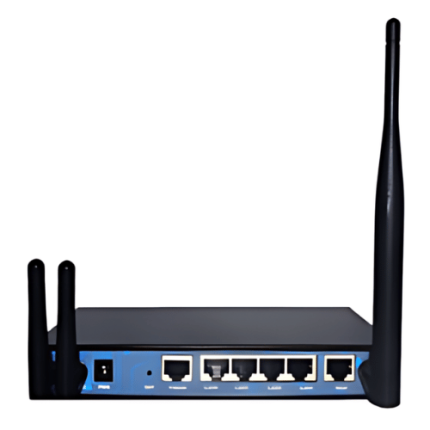
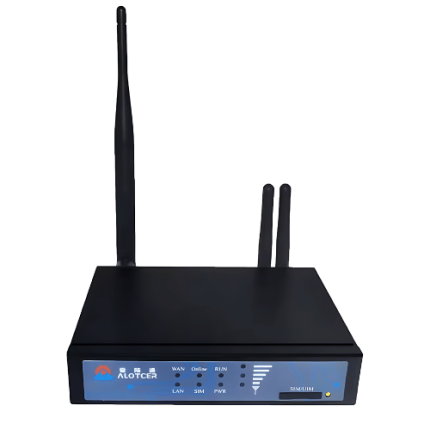
12V IoT Gateway VPN Router with Industrial CPU, WLAN, and Cellular – GAOTek


2.4 in WiFi 4G Wireless Smart Home Security System – GAOTek


3 Band GSM or 3G or 4G Signal Booster – GAOTek


300Mbps 4G LTE Portable Wifi Router with SIM Slot – GAOTek


4G Cellular Modem Router with External Antennas and Multiuser Support – GAOTek


4G Cellular Modem with Dual-Band Wi-Fi and Rotatable Antennas – GAOTek


4G Fixed Wireless Terminal VoLTE WiFi Hotspot HD Voice – GAOTek
Here are the LoRaWAN End Devices offered by GAO Tek:
12V IoT Gateway VPN Router with Industrial CPU, WLAN, and Cellular – GAOTek
2.4 in WiFi 4G Wireless Smart Home Security System – GAOTek
3 Band GSM or 3G or 4G Signal Booster – GAOTek
300Mbps 4G LTE Portable Wifi Router with SIM Slot – GAOTek
4G Cellular Modem Router with External Antennas and Multiuser Support – GAOTek
4G Cellular Modem with Dual-Band Wi-Fi and Rotatable Antennas – GAOTek
4G Fixed Wireless Terminal VoLTE WiFi Hotspot HD Voice – GAOTek
Navigation Menu for LoRaWAN
- LoRaWAN Gateways
- LoRaWAN End Devices
- LoRaWAN – Cloud, Server, PC & Mobile Systems
- LoRaWAN Accessories
- LoRaWAN Resources