

Comprehensive Guide for LoRaWAN Enabled Manufacturing 4.0 (Smart Manufacturing)
Overview
The integration of IoT technologies into manufacturing has transformed the industry, enabling greater efficiency, flexibility, and insight-driven decision-making. LoRaWAN, a low-power, wide-area networking protocol, has emerged as a leading enabler of Smart Manufacturing within Industry 4.0. This guide provides an in-depth exploration of how LoRaWAN supports the digital transformation of manufacturing operations.
Beginning with an explanation of LoRaWAN’s capabilities and advantages, the guide delves into its applications within Smart Manufacturing, from real-time monitoring to predictive maintenance. It also outlines the technical aspects of implementing LoRaWAN networks, including architecture, device integration, and security. Readers will gain a clear understanding of the challenges and limitations, as well as strategies to address these effectively.
The guide also explores future trends, such as AI-driven analytics and the integration of 5G, which promise to further revolutionize manufacturing processes. The comprehensive coverage of topics ensures that the guide serves as both an educational resource for newcomers and a reference tool for professionals. The appendix includes a glossary, technical references, and answers to frequently asked questions to support readers in applying the insights to their specific contexts. By the end of this guide, readers will be equipped to harness the full potential of LoRaWAN in driving Smart Manufacturing forward.
Below are products and systems related to this webpage:
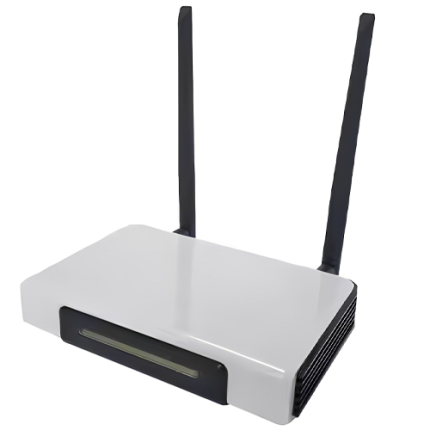
- LoRaWAN Gateways
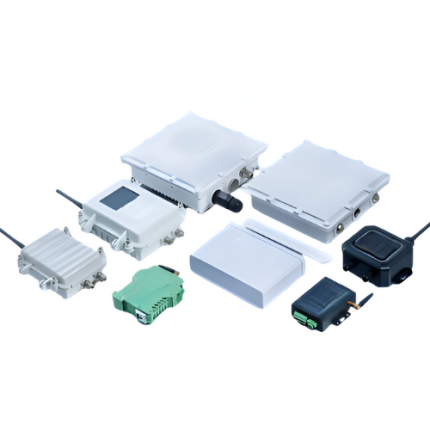
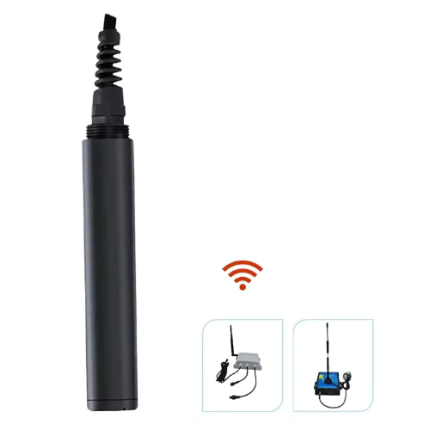
- LoRaWAN End Devices
- Long Life LoRaWAN Gateways & Hubs
- ATEX LoRaWAN Gateways & Hubs
- LoRaWAN – Cloud, Server, PC & Mobile Systems
- Outdoor LoRaWAN End Devices
- Long Life LoRaWAN End Devices
Our products are in stock can be shipped to anywhere in continental U.S. or Canada from our local warehouse. To purchase or for any further information, please fill out this form or email us.
We are actively looking for partners who are like us located in the U.S. and Canada. For more information on partnering with GAO, please visit Partner with GAO Tek Inc. It lists various ways to partner with GAO, such as OEM Partnerships, Technology Integration, Distribution and Reselling Opportunities, Presenting at the Leading Event Tek Summit, Joint R&D Projects, Training and Consulting Services, Industry-Specific Collaborations, Research and Academic Partnerships.
1. Introduction to LoRaWAN Technology
LoRaWAN (Long Range Wide Area Network) is a low-power, wide-area networking protocol designed to connect battery-operated devices over long distances. This cutting-edge technology leverages unlicensed radio frequency bands to provide reliable communication for IoT devices in diverse environments. LoRaWAN is particularly suited for applications requiring low data rates, extended battery life, and long-range connectivity, making it a pivotal technology for the Industrial Internet of Things (IIoT).
GAO Tek Inc., headquartered in New York City and Toronto, Canada, offers advanced LoRaWAN solutions that empower organizations to optimize connectivity across their operations. With four decades of experience and significant investment in R&D, GAO Tek ensures its LoRaWAN-enabled products meet the stringent demands of industrial environments, including manufacturing.
Importance of IoT in Military and Defense
While this guide focuses on manufacturing, the IoT’s transformative impact extends across sectors, including military and defense. IoT enables enhanced situational awareness, real-time monitoring, and predictive maintenance of mission-critical assets. In the defense sector, IoT fosters seamless integration of smart devices to support command and control, asset tracking, and environmental sensing in challenging conditions.
LoRaWAN stands out in military applications for its resilience, secure communication capabilities, and ability to operate effectively in remote locations. Similarly, in manufacturing, LoRaWAN enables cost-effective, scalable solutions for monitoring, automation, and decision-making, setting the stage for Smart Manufacturing.
GAO Tek, along with its sister companies in the GAO Group, has a track record of providing IoT solutions to government agencies and Fortune 500 companies. Our solutions are backed by expert support and stringent quality assurance, ensuring unmatched reliability for critical operations.
Why LoRaWAN for Military and Defense IoT?
LoRaWAN’s unique attributes make it an ideal choice for IoT in military and manufacturing contexts:
- Long Range and Scalability: LoRaWAN can cover vast geographic areas, ensuring connectivity in remote or large-scale environments like manufacturing plants or defense installations.
- Low Power Consumption: IoT devices connected via LoRaWAN can operate on batteries for years, reducing maintenance and operational costs.
- Robust Security: With end-to-end encryption, LoRaWAN provides a secure communication channel, crucial for protecting sensitive data in both military and industrial settings.
- Interoperability and Flexibility: LoRaWAN supports diverse device types and integrates seamlessly with existing IoT ecosystems, enabling flexible deployment.
At GAO Tek, we specialize in delivering LoRaWAN solutions tailored to your unique needs, whether it’s Smart Manufacturing or mission-critical defense applications. By leveraging our expertise and robust product portfolio, organizations can build resilient IoT networks that support operational excellence.
2. Understanding LoRaWAN
Definition and Key Features
LoRaWAN (Long Range Wide Area Network) is a communication protocol designed for low-power, long-range connectivity, ideal for Internet of Things (IoT) applications. It operates on unlicensed spectrum bands, enabling cost-effective deployment and scalability for IoT networks. LoRaWAN’s star-of-stars topology allows devices to connect to a central gateway, which relays data to a cloud-based application server.
Key features of LoRaWAN include:
- Long-Range Communication: Provides connectivity over distances of up to 15 kilometers in rural areas and several kilometers in dense urban environments.
- Low Power Consumption: Optimized for energy efficiency, allowing IoT devices to operate for years on a single battery.
- Scalability: Supports thousands of devices per network, making it suitable for large-scale industrial or urban deployments.
- Security: Offers robust encryption mechanisms, including AES-128 encryption, ensuring data confidentiality and integrity.
- Flexibility: Compatible with a wide range of devices and applications, enabling versatile use cases across industries.
GAO Tek Inc. provides LoRaWAN solutions tailored to meet the demanding needs of industrial environments, including Smart Manufacturing. With over four decades of experience, we deliver reliable products backed by stringent quality assurance and expert support.
Comparison with Other Wireless Technologies
LoRaWAN distinguishes itself from other wireless protocols such as Wi-Fi, Bluetooth, and cellular networks in several ways:
Technology | Range | Power Consumption | Bandwidth | Cost |
LoRaWAN | Long (up to 15 km) | Very low | Low | Low |
Wi-Fi | Short (up to 100 m) | High | High | Moderate |
Bluetooth | Very short (up to 10 m) | Low | Low | Low |
Cellular (LTE/5G) | Long (up to 50 km) | Moderate to High | High | High |
While Wi-Fi and Bluetooth are suitable for high-bandwidth, short-range applications, LoRaWAN excels in long-range, low-power scenarios. Compared to cellular networks, LoRaWAN offers a more cost-effective solution for non-critical data transmission.
GAO Tek’s LoRaWAN-enabled devices outperform traditional solutions in scenarios where low power, long range, and scalability are essential. Our products integrate seamlessly with existing infrastructure, making the transition to LoRaWAN straightforward and efficient.
Benefits of LoRaWAN for Industrial Applications
LoRaWAN’s unique attributes make it an ideal choice for industrial applications, particularly in manufacturing:
- Real-Time Monitoring: Enables continuous monitoring of equipment, environmental conditions, and processes across expansive facilities.
- Predictive Maintenance: Supports early detection of potential failures, reducing downtime and maintenance costs.
- Cost Efficiency: Operates on unlicensed spectrum, eliminating recurring network costs while minimizing power consumption.
- Scalability for IoT: Supports vast networks of connected devices, essential for the growing demands of Industry 4.0.
- Enhanced Safety and Compliance: Provides reliable data for monitoring hazardous conditions, ensuring workplace safety and regulatory compliance.
GAO Tek’s LoRaWAN solutions empower manufacturers to achieve operational excellence. From asset tracking to energy management, our advanced technologies address the critical needs of Industry 4.0. We pride ourselves on delivering solutions that integrate seamlessly with your operations while providing exceptional support, whether remotely or onsite.
3. Smart Manufacturing 4.0
Overview of Industry 4.0 Principles
Industry 4.0, often referred to as the Fourth Industrial Revolution, represents the integration of digital technologies into manufacturing systems to create highly automated, connected, and intelligent processes. This evolution is characterized by the use of advanced analytics, cyber-physical systems, and machine learning to enhance productivity, flexibility, and decision-making.
Core principles of Industry 4.0 include:
- Interconnectivity: Seamless communication between machines, devices, sensors, and humans using IoT and industrial networks.
- Data-Driven Decision-Making: Real-time data collection and analytics enable predictive insights and process optimization.
- Automation and Autonomy: Smart factories use robotics and AI to perform complex tasks with minimal human intervention.
- Customization and Flexibility: Dynamic production systems allow for mass customization, meeting specific customer demands efficiently.
GAO Tek Inc., based in New York City and Toronto, Canada, is at the forefront of enabling Industry 4.0 with its advanced B2B technologies. Our solutions empower businesses to implement these principles seamlessly while improving operational efficiency and sustainability.
Key Technologies Driving Manufacturing 4.0
Several technologies converge to drive the transformation to Manufacturing 4.0:
- Industrial IoT (IIoT): Connects devices and machinery for real-time data exchange, enabling smarter operations.
- Big Data and Analytics: Processes massive datasets to identify patterns, predict outcomes, and optimize resources.
- Artificial Intelligence (AI): Powers decision-making through machine learning, enabling predictive maintenance and adaptive processes.
- Robotics and Automation: Enhances precision and efficiency in repetitive or hazardous tasks.
- Cloud Computing and Edge Computing: Facilitates scalable data storage, processing, and analysis with enhanced responsiveness at the edge.
- Additive Manufacturing: Technologies like 3D printing allow for innovative design and faster prototyping.
At GAO Tek, we provide cutting-edge products and systems to integrate these technologies into your manufacturing environment. From IoT sensors to robust data analytics platforms, our offerings are tailored to meet the unique challenges of modern manufacturing.
Role of IoT in Achieving Smart Manufacturing
IoT plays a pivotal role in realizing the vision of Smart Manufacturing by enabling connectivity and intelligence across the production lifecycle:
- Enhanced Monitoring: IoT devices provide real-time visibility into equipment performance, inventory levels, and production metrics.
- Predictive Maintenance: Sensors detect anomalies early, reducing unexpected downtime and extending machinery lifespan.
- Supply Chain Optimization: IoT-enabled tracking improves inventory management and logistics coordination.
- Energy Management: Connected systems monitor and optimize energy use, contributing to cost savings and sustainability goals.
- Quality Control: IoT systems enable continuous monitoring of production conditions, ensuring product consistency and compliance.
GAO Tek’s expertise in IoT and LoRaWAN technologies equips manufacturers with the tools they need to embrace Smart Manufacturing. By leveraging our solutions, companies can achieve greater efficiency, reduce operational costs, and enhance competitiveness in today’s dynamic market.
4. Applications of LoRaWAN in Manufacturing
Real-Time Monitoring and Predictive Maintenance
LoRaWAN enables manufacturers to implement real-time monitoring systems across their operations. By using LoRaWAN sensors, businesses can collect data on machine performance, temperature, vibration, and other critical parameters. This data is transmitted over long distances with minimal power consumption, making it ideal for expansive factory settings.
Predictive maintenance is a key application of LoRaWAN, where sensor data is analyzed to forecast potential equipment failures. This proactive approach minimizes unplanned downtime, reduces maintenance costs, and extends equipment life.
GAO Tek Inc., headquartered in New York City and Toronto, provides advanced LoRaWAN-based monitoring solutions. Our systems enable manufacturers to achieve operational reliability and efficiency, backed by robust R&D and stringent quality assurance.
Asset Tracking and Inventory Management
Tracking assets and managing inventory are vital to maintaining efficient production workflows. LoRaWAN’s long-range capabilities allow manufacturers to track the location and status of assets such as tools, raw materials, and finished goods in real time. By integrating LoRaWAN with inventory management systems, businesses can automate stock-level monitoring and reorder alerts, ensuring seamless operations.
GAO Tek’s LoRaWAN-enabled asset tracking solutions are designed to meet the dynamic needs of modern manufacturing facilities. Our technologies help businesses reduce waste, optimize inventory turnover, and ensure critical resources are always available when needed.
Environmental Monitoring and Energy Optimization
Environmental conditions such as humidity, temperature, and air quality can significantly impact manufacturing processes and product quality. LoRaWAN sensors provide continuous environmental monitoring, enabling manufacturers to maintain optimal conditions. These sensors also assist in complying with environmental regulations by recording and reporting critical metrics.
In energy management, LoRaWAN supports the monitoring of energy consumption patterns, identifying areas for improvement, and optimizing energy usage. This not only reduces costs but also aligns with sustainability initiatives.
GAO Tek’s LoRaWAN solutions for environmental and energy monitoring empower manufacturers to enhance sustainability and operational efficiency. With over four decades of experience, we offer cutting-edge tools and expert support to help manufacturers achieve their goals.
GAO Case Studies
Case Studies in the USA
- Boston, MA: Implemented LoRaWAN sensors to monitor equipment vibration, achieving a 25% reduction in unplanned downtime.
- Chicago, IL: Deployed asset tracking solutions in a large manufacturing plant, increasing inventory accuracy by 30%.
- San Francisco, CA: Enhanced environmental monitoring for temperature-sensitive manufacturing, reducing product defects by 15%.
- Austin, TX: Enabled predictive maintenance in a robotics assembly line, extending equipment life by 20%.
- Detroit, MI: Used LoRaWAN for energy optimization, lowering utility costs by 18%.
- Seattle, WA: Installed LoRaWAN devices for air quality monitoring, ensuring compliance with environmental regulations.
- Phoenix, AZ: Improved raw material tracking using LoRaWAN, reducing waste by 10%.
- Atlanta, GA: Optimized supply chain management with LoRaWAN asset trackers, cutting logistics costs by 12%.
- Dallas, TX: Integrated LoRaWAN into a smart factory, boosting production efficiency by 25%.
- Denver, CO: Monitored hazardous conditions using LoRaWAN, ensuring worker safety.
- Orlando, FL: Leveraged LoRaWAN for warehouse inventory management, reducing stock discrepancies by 22%.
- Newark, NJ: Deployed sensors for machine temperature monitoring, preventing overheating incidents.
- Pittsburgh, PA: Used LoRaWAN for predictive analytics in steel manufacturing, improving equipment reliability.
- Minneapolis, MN: Implemented LoRaWAN energy meters, achieving energy savings of 15%.
- Houston, TX: Monitored chemical storage conditions using LoRaWAN, maintaining regulatory compliance.
Case Studies in Canada
- Toronto, ON: Deployed LoRaWAN in a packaging facility to monitor humidity, reducing product spoilage by 20%.
- Vancouver, BC: Implemented predictive maintenance using LoRaWAN sensors, cutting repair costs by 30%.
5. Technical Implementation of LoRaWAN
Network Architecture and Components
LoRaWAN (Long Range Wide Area Network) enables the deployment of large-scale IoT networks in industrial environments, offering a low-power, long-range wireless solution. The network architecture of LoRaWAN is designed for scalability, low cost, and secure communications, making it an ideal choice for smart manufacturing.
The core components of a LoRaWAN network include:
- End Devices (Sensors/Actuators): These are the IoT devices that collect data (e.g., temperature, humidity, machine status) and transmit it over LoRaWAN. Devices may also receive commands or updates.
- Gateways: Gateways are essential for bridging the end devices to the central network server. They receive LoRaWAN signals from multiple devices and forward them to the network server via an IP-based connection, such as Ethernet or cellular networks.
- Network Server: This component manages the network’s data routing, device authentication, and integrity of communications. It ensures that data is forwarded correctly, filters any malicious data, and provides data management capabilities.
- Application Server: The final point where the data from the network server is processed and presented to the end-users. This server is responsible for visualizing the data, running analytics, and triggering actions based on the insights.
GAO Tek Inc. provides reliable, efficient LoRaWAN devices and gateways for industrial IoT applications. Our systems are designed to seamlessly integrate into your existing network infrastructure, enabling effective real-time data collection and management.
Device Setup and Integration with IoT Platforms
Setting up LoRaWAN devices in a smart manufacturing environment is straightforward, but it does require attention to detail in both physical deployment and integration with IoT platforms. Devices are typically installed at strategic points to monitor assets, machines, and environmental conditions.
- Device Configuration: LoRaWAN devices must be configured to operate within a specific frequency range (depending on the region), and they must be registered with a network server to ensure secure communication. GAO Tek offers devices that are pre-configured to work within various industrial environments, reducing setup time and complexity.
- Integration with IoT Platforms: LoRaWAN devices generate vast amounts of data that must be integrated into IoT platforms for processing. These platforms, such as GAO Tek’s proprietary solutions or third-party platforms, enable data visualization, analytics, and automation. The integration process often involves linking the LoRaWAN network server with the application server, either through standard protocols such as MQTT or through custom APIs.
GAO Tek’s end-to-end IoT solutions make integration easier for manufacturers. Our devices are designed to be interoperable with popular IoT platforms, and our team of experts offers support for installation, configuration, and integration, ensuring seamless data flow across your network.
Security Considerations in LoRaWAN Networks
Security is a critical concern in any IoT application, especially in manufacturing environments where sensitive data and operational control are involved. LoRaWAN includes multiple security mechanisms to ensure data integrity and protection from unauthorized access.
- End-to-End Encryption: LoRaWAN provides robust encryption of data at both the device and application layers. The payload data transmitted by the devices is encrypted using AES-128, ensuring that even if the transmission is intercepted, the information cannot be read.
- Device Authentication: LoRaWAN includes mechanisms to ensure that only authenticated devices can join the network. Each device is assigned a unique identifier (DevEUI), and communication is secured by the network with a shared secret (AppSKey). This authentication prevents unauthorized devices from joining the network and sending false data.
- Network and Application Layer Security: At both the network and application layers, LoRaWAN employs end-to-end security with message integrity checks, preventing tampering or modification of data.
At GAO Tek, we understand the importance of data security, especially in industrial IoT environments. Our LoRaWAN devices are equipped with advanced security features that comply with industry best practices. Furthermore, our expert support ensures your network remains secure, with advice on deployment strategies and continuous monitoring for potential vulnerabilities.
6. Challenges and Limitations
Potential Issues with Deployment and Scalability
While LoRaWAN offers numerous advantages for smart manufacturing, there are several challenges related to deployment and scalability that organizations need to consider. Understanding these hurdles can help ensure a smooth transition to a LoRaWAN-enabled network.
- Network Coverage: LoRaWAN is designed for long-range communication, but in highly complex manufacturing environments with dense structures or extensive machinery, signal interference may occur. These obstructions can limit the effective range of the network and may require additional gateways or optimized antenna placement.
- Capacity Limitations: LoRaWAN operates in a shared spectrum, and while it supports a large number of devices, it may face capacity issues when the device density increases significantly. This can result in network congestion, especially in environments with a high concentration of sensors transmitting data simultaneously.
- Device Configuration and Maintenance: Setting up and configuring LoRaWAN devices requires careful planning to ensure seamless communication across the network. As the network grows, the management and maintenance of devices, particularly in large-scale deployments, can become more complex, leading to increased operational overhead.
At GAO Tek Inc., we offer expert consultation and support to help overcome these challenges. Our scalable LoRaWAN solutions are designed to be flexible and adaptable to a wide range of industrial environments, ensuring ease of deployment and efficient performance as your manufacturing operations expand.
Regulatory and Compliance Concerns
LoRaWAN networks operate in different frequency bands depending on the region (e.g., 868 MHz in Europe, 915 MHz in the U.S.), and navigating the regulatory landscape is crucial for ensuring compliance.
- Frequency Allocation: Different countries have specific rules governing the use of radio frequencies. Manufacturers must ensure that their LoRaWAN devices operate within the legal frequency bands to avoid interference with other communication systems. Misuse of frequency bands can lead to significant legal and financial penalties.
- Data Privacy and Security Regulations: In certain industries, especially in manufacturing environments that handle sensitive information, compliance with data protection regulations (such as GDPR in Europe or CCPA in California) is essential. LoRaWAN systems must ensure that data is encrypted and managed in accordance with these regulations to protect against breaches and unauthorized access.
- Industry-Specific Standards: Some sectors, such as healthcare and aerospace, have stringent standards that may affect the design, implementation, and operation of LoRaWAN systems. These standards must be understood and adhered to when deploying LoRaWAN-based systems in these industries.
GAO Tek Inc. is deeply committed to providing solutions that comply with both global and regional regulatory requirements. Our team is well-versed in these standards and can assist in ensuring that your LoRaWAN deployment meets the necessary compliance and regulatory demands.
Strategies for Overcoming Common Obstacles
Manufacturers adopting LoRaWAN can employ several strategies to mitigate common challenges and maximize the benefits of this technology.
- Optimized Gateway Placement: Proper gateway placement is essential to ensure coverage across the entire production facility. In environments with physical obstructions, multiple gateways may be required to ensure a robust network. GAO Tek offers solutions that provide a superior range and can be tailored to suit the specific needs of your facility.
- Network Planning and Load Balancing: To prevent network congestion, careful planning is required to determine the number of devices that can be supported by a single gateway. Load balancing techniques can also be employed to evenly distribute network traffic, minimizing the risk of data bottlenecks.
- Data Encryption and Device Management: To address security and compliance concerns, manufacturers should prioritize end-to-end encryption and implement robust device management protocols. Regular software updates, security patches, and the use of secure authentication methods will help protect the network from external threats.
- Leveraging Hybrid Solutions: In environments where LoRaWAN may face limitations (such as extreme device density or coverage issues), hybrid IoT solutions that combine LoRaWAN with other communication protocols (e.g., Wi-Fi, cellular) can offer the flexibility needed to ensure optimal network performance.
At GAO Tek, we offer end-to-end support for overcoming deployment and scalability challenges. From network planning and device configuration to security and compliance consultation, our experts are dedicated to helping you implement LoRaWAN solutions that are tailored to your specific needs, ensuring long-term success.
7. Future Trends and Innovations
Advancements in LoRaWAN Technology
As the demand for IoT-based solutions in manufacturing grows, LoRaWAN technology continues to evolve, adapting to new industry needs and pushing the boundaries of its capabilities. Some notable advancements include:
- Extended Range and Higher Data Rates: The latest LoRaWAN iterations are offering improved data rates and extended range, especially through the introduction of LoRa 1.1. These improvements are critical for large-scale industrial deployments where a broader reach and faster data transmission are required to meet real-time operational demands.
- LoRaWAN 1.1 and 1.2 Features: Enhanced security protocols, adaptive data rates, and more flexible use of frequency bands are central to these newer LoRaWAN versions. These features are particularly beneficial in environments with high device density or high interference, ensuring a more robust and secure network infrastructure.
- Low-Power Wide-Area Network (LPWAN) Integration: Integration of LoRaWAN with other LPWAN technologies is on the rise. This hybrid approach allows businesses to scale their IoT networks without worrying about connectivity issues or bandwidth limitations, ensuring optimal network efficiency across different applications.
At GAO Tek Inc., we are closely monitoring these advancements, ensuring that our solutions leverage the latest developments in LoRaWAN technology, allowing businesses to adopt the most cutting-edge and efficient systems for their smart manufacturing initiatives.
Integration with AI and Machine Learning
One of the most exciting future trends in manufacturing 4.0 is the convergence of LoRaWAN with artificial intelligence (AI) and machine learning (ML). These technologies can work together to deliver enhanced automation and predictive capabilities, enabling manufacturers to achieve unprecedented levels of efficiency and decision-making accuracy.
- Predictive Maintenance: By integrating AI with IoT devices connected via LoRaWAN, manufacturers can monitor equipment conditions in real time and predict failures before they occur. Machine learning algorithms can process large volumes of sensor data and identify patterns, helping maintenance teams to schedule interventions more effectively, minimizing downtime, and improving operational continuity.
- Process Optimization: AI-powered analytics can be used to optimize production processes by analyzing data collected from LoRaWAN sensors. These insights can drive decisions on everything from supply chain logistics to inventory management, enabling smart factories to run at peak efficiency.
- Real-Time Monitoring and Adaptation: Machine learning algorithms can dynamically adjust manufacturing processes based on real-time data from LoRaWAN devices. This continuous adaptation improves quality control, reduces waste, and enhances productivity.
GAO Tek can help integrate AI and machine learning into your LoRaWAN-enabled manufacturing systems. With our expertise in both IoT and advanced analytics, we can tailor solutions that combine real-time data collection and intelligent decision-making, empowering your business to stay ahead in the competitive manufacturing landscape.
Prospects for 5G and Beyond in Manufacturing 4.0
As we look toward the future, 5G technology presents an exciting avenue for further enhancing the capabilities of manufacturing networks, including those built on LoRaWAN. While LoRaWAN is ideal for low-power, long-range communication, 5G offers high bandwidth and low latency, which can complement IoT solutions in various ways:
- Enhanced Connectivity for Edge Computing: 5G will enable faster communication between devices and edge computing systems, which process data closer to the source. In combination with LoRaWAN, which offers long-range, low-power connectivity, 5G can enable more real-time decision-making at the edge, without overloading central servers.
- High-Volume, Low-Latency Data Transmission: For manufacturing systems that require high-frequency, high-resolution data streams (e.g., video surveillance, complex machine vision), 5G networks will provide the necessary bandwidth and low-latency connectivity to support such demands.
- Automated and Autonomous Systems: The combination of LoRaWAN and 5G will likely drive the growth of fully automated factories. 5G’s low latency and massive connectivity will support autonomous vehicles, drones, and robots within manufacturing facilities, while LoRaWAN handles the communication between simpler devices like sensors and actuators.
At GAO Tek, we are actively working on integrating 5G capabilities into our manufacturing solutions, ensuring that our clients are prepared for the next wave of innovation. Whether enhancing real-time communication or enabling more sophisticated edge computing applications, GAO Tek’s solutions are designed to evolve with the future of smart manufacturing.
8. Conclusion
Recap of Key Insights
Throughout this guide, we have explored the transformative role of LoRaWAN technology in enabling Smart Manufacturing 4.0. The key insights highlighted include:
- LoRaWAN as the Backbone of Smart Manufacturing: LoRaWAN’s long-range, low-power, and secure communication capabilities are essential for creating scalable IoT networks within manufacturing environments. These networks provide seamless connectivity for devices across vast factory floors and supply chains, driving operational efficiency.
- Diverse Applications in Manufacturing: LoRaWAN enables a wide range of applications from real-time monitoring and predictive maintenance to asset tracking, environmental monitoring, and energy optimization. These applications empower manufacturers to optimize processes, reduce downtime, and enhance sustainability.
- Technical Implementation Challenges and Solutions: While implementing LoRaWAN in manufacturing may present challenges such as deployment complexity, scalability, and integration with existing systems, these can be addressed with a carefully planned approach. At GAO Tek, we provide end-to-end support in setting up and managing LoRaWAN networks, ensuring smooth integration with IoT platforms and overcoming deployment hurdles.
- Future Trends in LoRaWAN and Beyond: As technology continues to evolve, LoRaWAN’s integration with AI, machine learning, and the upcoming 5G/6G networks will open new doors for innovation in manufacturing. These advancements will provide even more powerful capabilities for real-time decision-making, process automation, and predictive analytics, propelling the next generation of smart factories.
Final Thoughts on the Potential of LoRaWAN in Manufacturing
Looking forward, LoRaWAN technology holds immense potential to reshape the manufacturing landscape. Its ability to create low-cost, scalable, and energy-efficient IoT networks makes it an ideal fit for the demands of modern manufacturing. As industries continue to embrace digital transformation, the combination of LoRaWAN with cutting-edge technologies like AI, machine learning, and 5G will enable a new level of intelligence and automation across the supply chain.
At GAO Tek, we are proud to be at the forefront of this innovation, providing our clients with the expertise and tools they need to adopt and integrate LoRaWAN technology seamlessly into their operations. Our commitment to research and development, combined with our extensive experience in serving Fortune 500 companies, R&D firms, government agencies, and prestigious universities, ensures that we can deliver the most advanced and reliable solutions to meet the evolving needs of smart manufacturing.
9. Appendix
Glossary of Terms
- LoRaWAN (Long Range Wide Area Network): A protocol that uses LoRa (Long Range) modulation to enable low-power, long-distance communication for IoT devices.
- Smart Manufacturing 4.0: A manufacturing paradigm that integrates advanced technologies like IoT, AI, and robotics to enhance efficiency, productivity, and flexibility.
- IoT (Internet of Things): A network of interconnected devices that collect and exchange data to perform intelligent actions.
- Gateway: A device in LoRaWAN architecture that acts as a bridge between end devices and the network server by forwarding data.
- End Device: The IoT device in a LoRaWAN network that collects or sends data, such as sensors or trackers.
- Network Server: The central control system in a LoRaWAN network that manages device authentication, data routing, and network security.
- Adaptive Data Rate (ADR): A feature in LoRaWAN that dynamically adjusts data transmission rates to optimize network performance and energy consumption.
- Edge Computing: The practice of processing data at or near the source of data collection to reduce latency and bandwidth usage.
- Payload: The data transmitted by a device over the network, excluding headers or metadata.
- Frequency Bands: Specific radio frequencies allocated for LoRaWAN communication, varying by region (e.g., 915 MHz in North America).
- 5G: The fifth generation of mobile networks, offering faster speeds and lower latency for advanced industrial applications.
Technical Resources and References
- LoRa Alliance – Official resources on LoRaWAN standards and specifications: LoRa Alliance Website.
- IEEE Standards Association – Guidelines for IoT and industrial wireless communication standards: IEEE IoT Standards.
- NIST (National Institute of Standards and Technology) – Cybersecurity frameworks applicable to IoT and LoRaWAN: NIST Cybersecurity.
- The Industrial Internet Consortium (IIC): Insights into IoT implementations in manufacturing: IIC Resources.
- LoRa Developer Portal: Technical guides and community forums for LoRaWAN developers: LoRa Developer.
FAQs
- What is the range of a LoRaWAN network?
LoRaWAN networks can cover up to 10 kilometers in rural areas and 2-5 kilometers in urban settings, depending on environmental conditions and network setup. - How secure is LoRaWAN communication?
LoRaWAN uses end-to-end encryption (AES-128) and robust authentication methods to ensure data security. GAO Tek offers additional expertise in securing LoRaWAN networks for industrial applications. - Can LoRaWAN handle real-time data?
LoRaWAN is ideal for periodic or event-driven data transmission but is not designed for real-time, high-bandwidth applications. For such needs, hybrid solutions integrating 5G and LoRaWAN may be considered. - What kind of sensors work with LoRaWAN?
LoRaWAN supports a wide range of sensors, including those for temperature, humidity, pressure, motion, and location tracking. At GAO Tek, we provide tailored solutions for integrating various sensor types into LoRaWAN networks. - How scalable is a LoRaWAN network?
LoRaWAN networks are highly scalable, supporting thousands of devices with minimal infrastructure. GAO Tek’s solutions ensure seamless scalability to meet the growing needs of smart manufacturing. - What regions are supported by LoRaWAN?
LoRaWAN operates in specific frequency bands assigned to regions (e.g., 915 MHz in North America, 868 MHz in Europe). Our team at GAO Tek ensures compliance with local regulations during implementation. - What is the battery life of devices in a LoRaWAN network?
LoRaWAN devices can operate for 5-10 years on standard batteries, thanks to their low-power design. - What support does GAO Tek offer for LoRaWAN projects?
GAO Tek provides end-to-end support, from system design and hardware provisioning to integration, testing, and ongoing maintenance.
GAO Tek Inc., headquartered in New York City and Toronto, is committed to empowering industries with cutting-edge LoRaWAN solutions, backed by our four decades of expertise in B2B technology and stringent quality assurance processes. Let our experts guide you in implementing efficient, scalable, and secure LoRaWAN networks tailored to your manufacturing needs.
Here are the LoRaWAN Gateways/Hubs offered by GAO Tek:
4G LoRaWAN Gateway with WiFi and PoE Support – GAOTek
4G LTE Profinet Edge IoT Gateway with RS232 and LoRaWAN 868/915 MHz – GAOTek
8 Channel LoRaWAN Indoor IoT Gateway With Wi-Fi – GAOTek
Advanced High Speed LoRaWAN Gateway and Hub for Reliable Networking – GAOTek
Advanced Indoor LoRaWAN Building Automation Gateway – GAOTek
Advanced LoRaWAN Gateway for 4G, Ethernet, and Wi-Fi Wireless Data Transmission – GAOTek
Advanced LoRaWAN Gateway with Wi Fi and LTE Support – GAOTek
Bluetooth to LoRaWAN Gateway – GAOTek
Here are the LoRaWAN End Devices offered by GAO Tek:
8 Channel LoRaWAN Gateway with WiFi Ethernet US915 or EU868 – GAOTek
Advanced LoRa Communication Module and Power Protection – GAOTek
Advanced LoRaWAN Field Tester with GPS – GAOTek
Advanced LoRaWAN Ultrasonic Monitoring Sensor – GAOTek
Advanced LoRaWAN Wireless Pressure Temperature Sensor -GAOTek
Advanced Water Meter with TMR Technology – GAOTek
Agriculture Greenhouse IoT Sensor with LoRa Wireless – GAOTek
Aquaculture Water Turbidity Sensor with LoRaWAN – GAOTek
Navigation Menu for LoRaWAN
LoRaWAN Home Page
- LoRaWAN Gateways
- LoRaWAN End Devices
- LoRaWAN – Cloud, Server, PC & Mobile Systems
- LoRaWAN Accessories
- LoRaWAN Resources