Comprehensive Guide for LoRaWAN Enabled Marine IoT
Overview
The integration of Internet of Things (IoT) technologies into maritime operations has revolutionized how vessels and marine environments are monitored and managed. Among the numerous IoT solutions available, LoRaWAN stands out as a promising technology due to its long-range, low-power capabilities, which are essential for efficient communication in vast and often remote marine environments.
LoRaWAN is particularly suited for applications requiring low data transmission, extended coverage, and minimal power consumption—key characteristics needed for marine IoT devices deployed in locations with limited infrastructure. This guide will explore the fundamental concepts behind LoRaWAN technology, its applications in marine IoT, and the challenges encountered when deploying such systems in harsh maritime conditions. By providing a detailed exploration of use cases, network design, and implementation strategies, this document aims to equip professionals in the maritime industry with the knowledge needed to leverage LoRaWAN for improved operational efficiency, safety, and sustainability.
Throughout this guide, we will address practical aspects such as selecting appropriate devices, overcoming environmental challenges, and integrating data systems. Finally, the guide will offer insights into future trends, highlighting innovations and advancements that will shape the future of marine IoT and its applications within the broader context of smart maritime solutions.
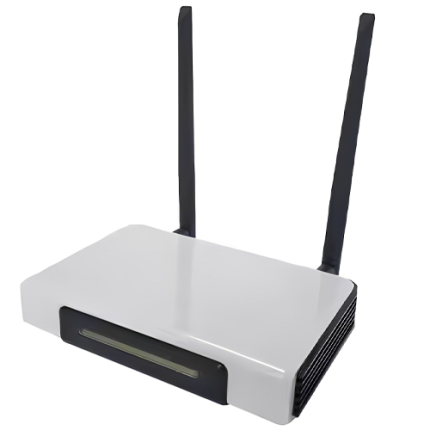
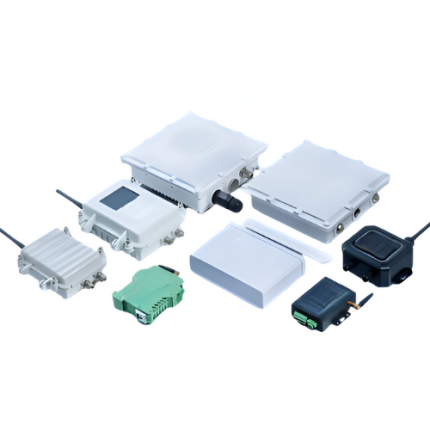
Below are products and systems related to this webpage:Â Â
- LoRaWAN Gateways
- LoRaWAN End Devices
- Long Life LoRaWAN Gateways & Hubs
- ATEX LoRaWAN Gateways & Hubs
- LoRaWAN – Cloud, Server, PC & Mobile Systems
- Outdoor LoRaWAN End Devices
- Long Life LoRaWAN End Devices
Our products are in stock can be shipped to anywhere in continental U.S. or Canada from our local warehouse. To purchase or for any further information, please fill out this form or email us.Â
Â
We are actively looking for partners who are like us located in the U.S. and Canada.  For more information on partnering with GAO, please visit Partner with GAO Tek Inc. It lists various ways to partner with GAO, such as OEM Partnerships, Technology Integration, Distribution and Reselling Opportunities, Presenting at the Leading Event Tek Summit, Joint R&D Projects, Training and Consulting Services, Industry-Specific Collaborations, Research and Academic Partnerships.Â
1. Introduction to the Significance of IoT in Maritime Industries
The maritime industry is undergoing a digital transformation, with Internet of Things (IoT) technologies playing a central role in improving operational efficiency, safety, and sustainability. IoT systems in maritime operations enable real-time monitoring and data collection from ships, vessels, and equipment across vast oceanic areas, allowing operators to make informed decisions that optimize performance. From tracking vessel locations and monitoring engine health to collecting environmental data, IoT enhances the ability to respond to challenges promptly, while also enabling predictive maintenance and ensuring regulatory compliance.
As a leading provider of advanced B2B technologies, GAO Tek Inc. understands the importance of IoT in enabling smarter, more sustainable maritime operations. By providing cutting-edge solutions for marine IoT, GAO Tek supports the digital infrastructure of maritime industries, helping companies optimize operations, minimize downtime, and enhance safety on the water.
Overview of LoRaWAN Technology and Its Role in Marine Applications
LoRaWAN (Long Range Wide Area Network) is a low-power, wide-area network (LPWAN) protocol designed for long-range, low-bandwidth communication. This makes it an ideal solution for IoT applications in the maritime industry, where reliable connectivity over long distances is crucial. LoRaWAN’s capabilities allow for communication over distances of up to 15 kilometers in coastal areas and even further in open waters, enabling continuous data transmission from remote and isolated environments.
LoRaWAN’s low power consumption is another key benefit, ensuring that marine IoT devices—such as environmental sensors, asset trackers, and vessel health monitors—can operate for years without needing frequent maintenance or battery replacements. GAO Tek specializes in providing a wide range of LoRaWAN-enabled devices that help streamline maritime operations, from monitoring water quality and cargo conditions to tracking vessel locations and fleet performance.
Challenges and Benefits of Implementing LoRaWAN in Marine Environments
Challenges
Implementing LoRaWAN in marine environments presents several unique challenges. The vast and often harsh conditions at sea can create issues with signal interference, reducing network coverage and performance. Saltwater exposure, corrosion, and extreme weather conditions may also affect the durability of devices. Furthermore, deploying IoT devices in remote locations with limited infrastructure requires careful consideration of power management and device longevity.
Another challenge is ensuring data security across a distributed network, particularly in marine applications where sensitive information about cargo, routes, and operations may be transmitted.
Benefits
Despite these challenges, LoRaWAN offers significant benefits for marine IoT deployments. Its long-range capabilities allow for consistent communication across large areas without the need for extensive infrastructure. This helps ensure continuous monitoring of critical data, such as ship performance, cargo conditions, and environmental metrics, even in remote regions. Additionally, the low-power nature of LoRaWAN reduces operational costs related to device maintenance and battery replacement. With GAO Tek’s expertise in marine IoT solutions, we provide reliable and robust systems that can address these challenges while maximizing the operational benefits.
Purpose of the Guide and What It Aims to Cover
This guide is designed to help professionals in the maritime industry understand how to effectively implement LoRaWAN technology for marine IoT applications. It will cover the fundamentals of LoRaWAN, its advantages and challenges, and how it can be applied to a wide range of maritime scenarios.
At GAO Tek, we are committed to supporting the successful adoption of IoT in maritime operations by providing advanced LoRaWAN-enabled devices, backed by expert technical support and research. This guide will equip you with the knowledge needed to deploy, manage, and optimize LoRaWAN-based systems for improving vessel performance, ensuring safety, and enhancing operational efficiency in maritime environments.
2. LoRaWAN Technology Fundamentals
Basics of LoRaWAN and Its Architecture
LoRaWAN (Long Range Wide Area Network) is a low-power, wide-area network (LPWAN) protocol designed to enable long-range, low-bandwidth communication for IoT devices. It is built to support a wide range of applications, from asset tracking and environmental monitoring to predictive maintenance and remote sensing in challenging environments, such as the maritime sector.
LoRaWAN operates on a star topology where end devices (sensors, trackers, etc.) communicate wirelessly with gateways. These gateways act as intermediaries, relaying data from the devices to network servers. The architecture of a LoRaWAN network is specifically designed to be scalable, supporting a large number of connected devices over long distances, while minimizing the energy consumption of individual devices.
Key characteristics of LoRaWAN that make it ideal for marine IoT applications include:
- Long-range communication: LoRaWAN can provide reliable communication over distances of 2-15 km in coastal areas, and even greater distances in open water.
- Low power consumption: Devices can last for years on a single battery, an essential feature for remote deployments like marine IoT.
- Secure communication: LoRaWAN includes robust security features, such as end-to-end encryption, ensuring the confidentiality of transmitted data.
GAO Tek offers a range of LoRaWAN-enabled devices and systems designed to operate in marine environments, providing solutions that integrate seamlessly into the broader IoT ecosystem.
LoRaWAN vs. Other Communication Technologies in Marine Applications
When compared to other wireless communication technologies used in the maritime sector, such as cellular networks, satellite communications, and traditional radio, LoRaWAN offers several advantages for specific marine IoT applications.
- Cellular Networks: While cellular networks provide high-speed communication, they rely on terrestrial infrastructure and are often unavailable in remote maritime locations. Cellular solutions are also typically power-hungry, making them unsuitable for long-term, battery-operated deployments.
- Satellite Communications: Satellites provide global coverage and are useful for communication in remote marine areas. However, satellite communications tend to be expensive and have higher latency. Additionally, satellite systems require more power and are not ideal for low-data applications that benefit from the efficiency of LPWAN solutions.
- Traditional Radio: Marine radio systems, such as VHF and UHF, are commonly used for direct communication between ships and between ships and shore facilities. However, these systems lack the long-range capabilities of LoRaWAN and generally have limited data transmission capacity.
LoRaWAN’s long range and low power consumption make it an excellent choice for maritime IoT systems that require reliable, long-distance communication with minimal operational costs. For instance, GAO Tek’s LoRaWAN-enabled marine sensors are perfect for applications such as real-time vessel tracking, environmental monitoring, and condition-based monitoring of marine equipment.
Key Components of a LoRaWAN System: End Devices, Gateways, and Network Servers
A LoRaWAN system consists of three main components that work together to provide seamless communication across vast marine environments:
- End Devices (Sensors and IoT Devices):
End devices are the heart of any LoRaWAN system. These include a wide range of marine IoT devices such as:- Environmental Sensors: For measuring parameters like water quality, temperature, salinity, or humidity.
- Asset Tracking Devices: For tracking the location and condition of vessels, containers, or equipment.
- Condition Monitoring Devices: Used to monitor the health of marine machinery, engines, and other equipment.
At GAO Tek, we provide a variety of LoRaWAN-enabled end devices specifically designed for marine environments. These devices are engineered to withstand harsh conditions such as saltwater corrosion and extreme temperatures.
- Gateways:
Gateways act as the intermediary between end devices and the network server. They receive signals from multiple end devices and relay them to a central server for processing. In a marine environment, the gateway must be able to operate in extreme conditions and cover a large area, especially in open waters or across ships operating at sea.
GAO Tek provides reliable LoRaWAN gateways that can be easily deployed in various marine settings, including onboard ships, docks, and remote offshore platforms. These gateways offer robust performance, with extended range and low power consumption, ensuring continuous data transmission from end devices in challenging marine environments.
- Network Servers:
Network servers are responsible for managing the communication between gateways and end devices. They handle tasks such as packet de-duplication, security management, data routing, and scheduling transmissions from end devices to avoid network congestion. The network server can be hosted on cloud platforms, which allows for scalable and flexible deployment, and facilitates the aggregation and analysis of data from multiple gateways and devices.
For efficient management of a LoRaWAN network, GAO Tek integrates with cloud-based solutions, enabling seamless data access and real-time analytics for marine IoT systems. This ensures that maritime operators can track the health of their vessels, monitor the environment, and gain actionable insights to optimize operations.
3. Applications of LoRaWAN in Marine IoT
Real-time Vessel Tracking and Monitoring
LoRaWAN technology is playing an essential role in improving the visibility of vessel operations on the water, offering a reliable and cost-effective solution for real-time tracking and monitoring. By equipping vessels with LoRaWAN-enabled trackers, operators can continuously monitor their fleets across vast distances, even when traditional communication networks are unavailable. These devices use LoRaWAN’s long-range capabilities to send position, speed, and route information, helping to ensure safe navigation and reduce the risk of accidents.
In the maritime industry, this real-time data allows fleet operators to optimize routing, improve fuel efficiency, and enhance safety by proactively managing weather conditions, congestion, and operational inefficiencies. GAO Tek offers robust and reliable LoRaWAN tracking devices that allow for seamless integration with existing fleet management systems, providing accurate and timely vessel data from anywhere on the water.
Environmental Data Collection (e.g., Water Quality, Temperature)
Marine environments are highly dynamic, and monitoring environmental conditions is critical for maintaining ecosystem health, ensuring regulatory compliance, and optimizing operational decision-making. LoRaWAN-based sensors provide the ideal solution for collecting real-time environmental data from remote marine locations.
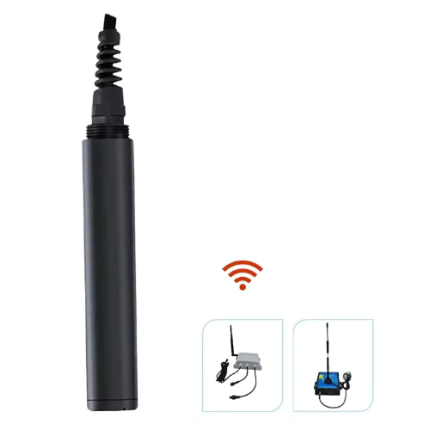
LoRaWAN-enabled environmental sensors can monitor a wide range of factors, including water quality, salinity, temperature, turbidity, and pH levels. These sensors can be deployed on buoys, ships, or offshore platforms, continuously transmitting data to cloud-based systems for analysis. GAO Tek’s LoRaWAN sensors are designed to endure the harsh conditions of the sea while offering long battery life and reliable performance. This real-time data helps maritime stakeholders, including regulatory bodies, shipping companies, and environmental organizations, monitor and maintain sustainable operations.
Asset Management and Condition-based Monitoring
Efficient management of marine assets—such as cargo, equipment, and critical machinery—is key to reducing downtime, improving safety, and maximizing resource utilization. LoRaWAN plays a pivotal role in asset management by enabling the real-time tracking and monitoring of assets across vast maritime distances.
LoRaWAN-based solutions can track the location, condition, and status of valuable marine assets such as containers, ship engines, and offshore equipment. For instance, temperature-sensitive cargo can be monitored in transit, ensuring that it is stored under optimal conditions to prevent spoilage. Additionally, the integration of condition-based monitoring allows for early detection of anomalies, such as engine malfunctions or wear on critical components. GAO Tek’s suite of LoRaWAN-enabled asset management tools offers businesses the ability to efficiently monitor and manage their assets, reducing the need for manual checks and improving overall fleet management.
Predictive Maintenance and Operational Efficiency
Predictive maintenance is one of the most valuable applications of LoRaWAN technology in the maritime industry. By equipping vessels and marine equipment with LoRaWAN-enabled sensors, operators can collect data on the health and performance of critical machinery, such as engines, pumps, and compressors. This data can be used to detect patterns and anomalies that indicate potential failures before they occur.
LoRaWAN’s low-power, long-range capabilities allow sensors to transmit vital equipment health data over large distances, even in remote marine environments. With this data, predictive analytics can be applied to optimize maintenance schedules, reduce unplanned downtime, and extend the lifespan of expensive assets. GAO Tek’s LoRaWAN devices are designed to deliver real-time insights into the health of marine equipment, enabling operators to take proactive measures, thereby reducing maintenance costs and improving operational efficiency.
4. Challenges of Implementing LoRaWAN in Marine Environments
Network Coverage and Signal Interference
One of the primary challenges of deploying LoRaWAN in marine environments is ensuring consistent network coverage across large and often remote areas. While LoRaWAN technology provides impressive long-range capabilities, marine environments introduce unique obstacles that can affect signal propagation and reception.
Signal interference is one of the most common issues. Marine IoT devices often operate in environments with a variety of obstructions, such as ships, containers, offshore platforms, and even water itself, which can disrupt radio frequencies. Additionally, saltwater can absorb and attenuate radio signals, reducing the effective communication range and reliability of the network. In addition to physical obstructions, radio frequency interference from other communication systems used on vessels or at shore facilities may cause network congestion.
To overcome these challenges, robust network planning is essential. LoRaWAN networks must be designed to ensure sufficient overlap between gateways to create continuous coverage. GAO Tek offers advanced LoRaWAN gateway solutions that are specifically built to withstand marine environments and provide strong, consistent connectivity, even in challenging locations. Our engineering team works with clients to customize network configurations that maximize coverage while minimizing interference.
Power Consumption and Battery Life of IoT Devices
Power consumption is a critical concern for IoT devices deployed in marine environments, where frequent maintenance or battery replacement is often impractical. LoRaWAN, by design, offers low power consumption, making it an ideal choice for remote, battery-powered devices. However, the challenge lies in ensuring that devices can last for extended periods (often years) on a single battery charge while maintaining reliable data transmission.
Environmental factors, such as temperature extremes, can impact battery performance, shortening the lifespan of the devices in harsh maritime conditions. Devices need to be optimized to strike a balance between energy consumption and data transmission frequency. Additionally, devices that monitor continuous parameters like water quality or cargo conditions require an efficient energy management system to avoid constant recharging or battery replacement.
At GAO Tek, we understand the importance of efficient power management in marine IoT deployments. Our LoRaWAN-enabled devices are designed with ultra-low power consumption in mind, helping marine operators keep costs down while ensuring the devices remain operational over extended periods. We also provide support in configuring optimal transmission schedules to maximize battery life without compromising performance.
Harsh Environmental Conditions and Their Impact on Devices
The marine environment is a particularly harsh one for IoT devices. Devices deployed in such settings must be able to withstand extreme conditions such as high humidity, saltwater exposure, high winds, UV radiation, and fluctuating temperatures. These environmental factors can corrode or degrade sensors, antennas, and enclosures, significantly affecting device reliability and longevity.
Moreover, devices that are exposed to salt water or high levels of moisture can suffer from corrosion, leading to early failure. Exposure to UV light can cause plastics to degrade, making enclosures brittle and less protective. For this reason, IoT devices designed for marine applications must have robust protection, including weather-resistant casings, waterproofing, and corrosion-resistant materials.
GAO Tek’s LoRaWAN devices are built with these environmental challenges in mind. Our devices feature IP67-rated enclosures, resistant to dust, water, and harsh marine conditions. With our expertise in industrial-grade marine IoT systems, we ensure that our products can endure the toughest maritime environments and continue to provide reliable performance over time.
Regulatory and Security Considerations
Regulatory compliance is another critical factor when deploying IoT devices in the marine sector. Vessels, offshore platforms, and other marine operations must adhere to international and national regulations concerning data transmission, maritime safety, and environmental protection. For example, the International Maritime Organization (IMO) sets strict rules for safety systems and communication technologies used on ships. LoRaWAN networks must meet specific requirements to ensure that the devices comply with maritime regulations and the safety protocols established for operations.
Security is also a key concern in any IoT system, especially in marine environments where vessels and platforms may be vulnerable to cyberattacks. Ensuring the integrity of data transmission, preventing unauthorized access, and protecting sensitive information are critical aspects of any IoT deployment. LoRaWAN offers built-in security features, such as end-to-end encryption and secure key management, which help protect data from interception and tampering. However, additional layers of security may be needed for certain high-risk marine applications, such as cargo tracking and vessel monitoring.
At GAO Tek, we ensure that our products meet the regulatory requirements of the marine industry and provide secure, reliable data transmission for our clients. We work closely with our customers to help them navigate the regulatory landscape and implement security best practices to protect both their devices and the data they collect. Our support includes helping clients meet the specific certifications and compliance standards required for their operations, ensuring a smooth deployment process
5. Designing and Deploying a LoRaWAN Marine IoT System
Network Architecture Planning and Deployment Strategies
Designing an effective LoRaWAN network for marine IoT applications requires careful consideration of the network architecture, as well as the deployment strategy to ensure coverage, reliability, and scalability. In marine environments, a robust and expansive network design is necessary to handle the large distances between devices, vessels, offshore platforms, and shore-based locations.
When planning the network, the first step is to determine the coverage requirements. LoRaWAN is a long-range communication protocol, but maritime IoT applications often need to cover vast, remote areas. The network architecture must incorporate multiple gateways that ensure seamless communication across the operational area. The gateways should be strategically located on vessels, offshore platforms, or coastal stations to ensure minimal signal loss and interference.
A key challenge in marine deployments is dealing with signal attenuation due to water, metals, and large structures. To mitigate this, the network design should use a hybrid model, combining LoRaWAN’s long-range capabilities with short-range communications (e.g., cellular or satellite) when needed. GAO Tek provides customizable LoRaWAN gateway solutions with industrial-grade reliability to ensure robust signal transmission in tough marine environments. We work closely with clients to develop and deploy optimized network plans that ensure consistent coverage and high data integrity.
Choosing the Right IoT Sensors and Devices for Marine Applications
Selecting the appropriate IoT sensors and devices for marine applications is critical to the success of a LoRaWAN system. Marine environments are inherently harsh, with challenges such as high humidity, saltwater exposure, extreme temperatures, and UV radiation. Devices must be able to withstand these conditions while maintaining reliable data collection.
The types of sensors needed depend on the specific use case, but common examples include environmental sensors for monitoring water quality, temperature, salinity, and pH levels, as well as asset tracking sensors for vessel and cargo monitoring. GAO Tek offers a wide range of marine IoT devices and sensors designed for durability and efficiency in harsh maritime conditions. These devices are built with corrosion-resistant materials and come with robust enclosures, including IP67-rated waterproof housing, ensuring they remain operational even in the toughest marine environments.
When selecting devices, it’s also important to consider the power consumption of the sensors. Devices in marine IoT applications are often battery-operated, so low-power devices with extended battery life are essential. GAO Tek’s LoRaWAN-enabled sensors are designed with ultra-low power consumption in mind, ensuring they can operate for years without requiring frequent battery changes.
Integration with Cloud Platforms for Data Analysis and Reporting
One of the key benefits of IoT is the ability to collect vast amounts of data that can be analyzed to derive insights for decision-making. For marine IoT applications, integrating LoRaWAN devices with cloud-based platforms is crucial for real-time data monitoring, analysis, and reporting. Cloud platforms enable the centralized management of data, making it accessible to stakeholders anywhere in the world.
Data collected by the IoT sensors, such as environmental data or vessel location data, is sent to a central LoRaWAN network server and then transferred to a cloud-based platform. Once the data is in the cloud, it can be analyzed using analytics tools that detect trends, anomalies, or patterns that may indicate issues such as equipment failure or environmental changes. This real-time analysis is essential for making informed operational decisions and enhancing efficiency.
Â
GAO Tek’s devices are fully compatible with a variety of cloud-based IoT platforms, enabling easy integration with popular platforms such as Microsoft Azure, Amazon Web Services (AWS), or Google Cloud IoT. We assist clients in setting up their cloud infrastructure, ensuring seamless data flow from LoRaWAN devices to cloud platforms for comprehensive monitoring, analytics, and reporting. By leveraging these cloud tools, marine operators can gain valuable insights into fleet performance, environmental health, and operational efficiency.
Best Practices for Installation and Maintenance
Proper installation and maintenance practices are essential to ensure the long-term success of a LoRaWAN system in marine environments. Installation should be done with attention to optimal sensor placement to maximize signal reception and minimize interference. For example, sensors should be mounted to the gateways in locations with clear lines of sight to ensure reliable communication. For vessels, this often means placing sensors at high points to avoid obstacles.
Installation also involves ensuring that the devices are properly sealed and protected against water and corrosive elements. GAO Tek provides professional guidance and products designed for easy installation, including weatherproof enclosures and mounting solutions for different marine conditions. We assist clients with the complete installation process to ensure that each device is securely installed and optimized for performance.
Maintenance of marine IoT systems is crucial to ensure continuous data collection and prevent downtime. Regular checks for corrosion, battery life, and signal strength should be part of the maintenance schedule. Additionally, firmware updates and software patches may need to be applied to keep devices and gateways functioning optimally.
GAO Tek supports clients with comprehensive maintenance programs, including remote diagnostics and troubleshooting for our IoT devices. Our devices are designed with longevity in mind, and our team works to provide continuous support, ensuring that systems stay operational with minimal interruption. Additionally, we offer extended warranties and regular software updates to ensure that clients’ systems are always up-to-date and secure.
6. Future Trends and Innovations in Marine IoT
The Evolution of LoRaWAN and Its Role in Smart Maritime Infrastructure
LoRaWAN technology has significantly evolved since its inception, and its future in the marine industry holds great promise. As maritime industries move toward smart infrastructure, the ability of LoRaWAN to provide long-range, low-power communication in harsh environments will play an increasingly central role. By enabling real-time data transmission across vast marine expanses—ranging from oceans to remote ports—LoRaWAN will continue to be a key enabler of smart maritime solutions.
Smart maritime infrastructure includes the integration of sensors, devices, and gateways that communicate seamlessly over long distances, enabling automated vessel tracking, environmental monitoring, and real-time decision-making. The scalability of LoRaWAN networks makes them particularly suitable for this type of infrastructure. As LoRaWAN technology matures, we can expect enhanced network performance, greater energy efficiency, and even more reliable communication systems, making it a vital tool for smart ports, autonomous vessels, and real-time operational tracking.
GAO Tek Inc. has always been at the forefront of innovative solutions for smart infrastructure. Our expertise in the integration of LoRaWAN technology within marine IoT systems ensures that our clients can take full advantage of these advancements. We offer a range of solutions that help enable smart maritime infrastructure and provide continuous support through every phase of deployment.
Emerging Technologies and Their Integration with LoRaWAN
The future of marine IoT does not rest solely on LoRaWAN, as several emerging technologies are poised to complement and enhance its capabilities. Notably, the integration of Artificial Intelligence (AI), machine learning, and advanced analytics with LoRaWAN will provide new insights into maritime operations.
- Artificial Intelligence and Predictive Analytics: By integrating LoRaWAN with AI algorithms, predictive maintenance becomes more accurate, leading to improved vessel reliability and reduced downtime. AI can analyze the data collected from sensors on vessels and marine equipment to predict potential failures, reducing the need for costly repairs or service disruptions. GAO Tek supports the integration of AI and LoRaWAN systems, helping customers leverage advanced data analysis to make more informed decisions and optimize their operations.
- 5G and Cellular IoT: The combination of LoRaWAN with 5G networks is an exciting development. While LoRaWAN excels in providing long-range, low-power communication, 5G offers high-speed, low-latency capabilities for real-time data transfer. Together, these technologies enable marine IoT systems to support both long-range connectivity and high-data transmission for applications such as remote monitoring of fleet operations or high-resolution environmental monitoring.
- Blockchain for Maritime Logistics: Blockchain technology is emerging as a solution for secure, transparent, and immutable tracking of cargo, vessel status, and compliance documentation. LoRaWAN’s secure and reliable connectivity can serve as the backbone for blockchain applications, ensuring real-time updates on cargo and asset movements in an unaltered format. By adopting LoRaWAN-based IoT systems integrated with blockchain, marine industries can further enhance security and transparency in their operations.
GAO Tek is proud to support the integration of these cutting-edge technologies with our comprehensive LoRaWAN IoT solutions. As we continue to explore the convergence of technologies, our customers can be assured that our products will remain compatible with the latest advancements.
Predictions for the Future of Marine IoT and Environmental Monitoring
As the marine industry moves towards greater environmental sustainability, the role of IoT in monitoring and protecting marine ecosystems will grow. LoRaWAN will be a cornerstone of this shift, as it provides the essential infrastructure for a wide range of environmental sensors used to monitor water quality, marine life, and pollution levels.
- Real-Time Environmental Monitoring: LoRaWAN will increasingly be used to monitor water conditions such as temperature, salinity, and pH levels across vast ocean areas. In combination with machine learning, these sensors will be able to identify long-term trends in ocean health and provide early warning systems for events such as algae blooms or water contamination. This real-time environmental monitoring will help industries like fisheries, shipping, and oil & gas adhere to environmental regulations and reduce their ecological footprint.
- Autonomous Vessels and Smart Ports: The advent of autonomous vessels is accelerating, and these vessels require continuous data collection for safe navigation, performance monitoring, and operational efficiency. LoRaWAN will be integral to the deployment of smart ports, enabling seamless communication between vessels, terminals, and port authorities. These innovations will pave the way for greater automation in maritime logistics, improving the efficiency of port operations while reducing costs and emissions.
- Sustainability and Regulatory Compliance: Environmental monitoring is becoming a regulatory requirement in many regions. LoRaWAN-based sensors can help track and report data related to carbon emissions, pollutant levels, and other environmental factors, ensuring that vessels and maritime industries comply with local and international standards. With the increasing focus on sustainability in the marine sector, IoT systems built on LoRaWAN will continue to be essential for mitigating environmental risks and supporting compliance efforts.
At GAO Tek, we are committed to ensuring that our products align with the latest environmental standards and future regulatory trends. Our LoRaWAN solutions help businesses navigate the evolving environmental landscape by providing accurate, real-time data for reporting and decision-making.
Â
7. Appendix
Glossary of Terms and Definitions
To support readers in understanding the technical aspects of LoRaWAN-enabled Marine IoT, here are key terms:
- LoRaWAN (Long Range Wide Area Network): A communication protocol enabling long-range, low-power data transmission, particularly suited for IoT deployments in remote and challenging environments.
- Gateway: A device bridging IoT sensors and cloud-based systems by receiving, processing, and transmitting data across networks.
- Sensor Node: Autonomous devices equipped with sensors to collect specific data, such as salinity, depth, or temperature.
- End Device: IoT devices connected to a LoRaWAN network to send or receive data; examples include weather monitoring sensors and navigation trackers.
- Cloud Platform: Centralized systems for storing, processing, and analyzing data from IoT networks, offering insights and reports.
- Payload: The actual data carried by IoT devices over the network, optimized for transmission efficiency.
GAO Tek Inc. takes pride in delivering user-friendly resources like glossaries and detailed documentation to ensure a seamless user experience.
Technical Specifications for Common Marine IoT Devices
LoRaWAN Gateways
- Communication Range: Up to 15 km in open/rural areas and 2–5 km in urban or marine environments.
- Operating Temperature: -40°C to 70°C, ensuring robust performance in diverse climates.
- Power Supply: Options include AC-powered units or renewable sources such as solar panels.
Environmental Sensors (e.g., Water Quality Sensors)
- Parameters: Monitors temperature, pH levels, salinity, and dissolved oxygen.
- Measurement Accuracy: ±0.1°C for temperature and ±0.02 for pH.
- Battery Lifespan: Designed for up to five years, contingent on optimized transmission intervals.
GPS Trackers
- Positional Accuracy: ±5 meters under optimal conditions.
- Transmission Frequency: Adjustable intervals (e.g., every 10 minutes).
- Protection Level: IP67+ rating to ensure durability against water and dust.
GAO Tek offers a diverse portfolio of IoT devices for marine use, backed by rigorous quality assurance and decades of expertise.
Troubleshooting and FAQs
Common Issues and Solutions
- Signal Interference in Marine Environments
- Problem: Weak signal strength due to obstacles or the absorption properties of water.
- Solution: Strategically place gateways at elevated locations or deploy signal boosters.
- Accelerated Battery Depletion
- Problem: Shorter operational life due to frequent data transmissions.
- Solution: Optimize data transmission schedules and incorporate solar charging solutions.
- Device Malfunctions in Extreme Conditions
- Problem: Component failures caused by exposure to saltwater or temperature extremes.
- Solution: Invest in devices with IP67 or higher protection ratings and corrosion-resistant materials.
GAO Tek provides comprehensive troubleshooting support, including in-depth user guides, remote diagnostics, and onsite assistance tailored to customer needs.
Frequently Asked Questions
- Can LoRaWAN support real-time data transmission in marine settings?
LoRaWAN is ideal for near-real-time data updates in marine IoT but is not designed for high-speed data transmission.
Â
- Is LoRaWAN scalable for extensive marine operations?
Absolutely. LoRaWAN networks can manage thousands of devices, covering vast geographical areas.
Â
- Does GAO Tek offer customized LoRaWAN solutions?
Yes, GAO Tek specializes in pre-configured solutions, including gateways, sensors, and seamless cloud integration.
References and Further Reading
- LoRa Alliance – Authoritative information on LoRaWAN standards and ecosystem development.
- NOAA – Comprehensive resources on environmental monitoring and marine operations.
- Marine Technology Society – Research and case studies in marine IoT and innovations.
- IEEE Standards Association – Technical standards for IoT communication protocols.
- World Maritime University (WMU) – Academic research on maritime technologies.
GAO Tek Inc. remains committed to providing customers with access to cutting-edge knowledge and innovations in marine IoT, supported by our unmatched technical expertise
Here are the LoRaWAN Gateways/Hubs offered by GAO Tek:
4G LoRaWAN Gateway with WiFi and PoE Support – GAOTek
4G LTE Profinet Edge IoT Gateway with RS232 and LoRaWAN 868/915 MHz – GAOTek
8 Channel LoRaWAN Indoor IoT Gateway With Wi-Fi – GAOTek
Advanced High Speed LoRaWAN Gateway and Hub for Reliable Networking – GAOTek
Advanced Indoor LoRaWAN Building Automation Gateway – GAOTek
Advanced LoRaWAN Gateway for 4G, Ethernet, and Wi-Fi Wireless Data Transmission – GAOTek
Advanced LoRaWAN Gateway with Wi Fi and LTE Support – GAOTek
Bluetooth to LoRaWAN Gateway – GAOTek
Here are the LoRaWAN End Devices offered by GAO Tek:
8 Channel LoRaWAN Gateway with WiFi Ethernet US915 or EU868 – GAOTek
Advanced LoRa Communication Module and Power Protection – GAOTek
Advanced LoRaWAN Field Tester with GPS – GAOTek
Advanced LoRaWAN Ultrasonic Monitoring Sensor – GAOTek
Advanced LoRaWAN Wireless Pressure Temperature Sensor -GAOTek
Advanced Water Meter with TMR Technology – GAOTek
Agriculture Greenhouse IoT Sensor with LoRa Wireless – GAOTek
Aquaculture Water Turbidity Sensor with LoRaWAN – GAOTek
Navigation Menu for LoRaWAN
LoRaWAN Home Page
- LoRaWAN Gateways
- LoRaWAN End Devices
- LoRaWAN – Cloud, Server, PC & Mobile Systems
- LoRaWAN Accessories
- LoRaWAN Resources
Navigation Menu for IoTÂ Â Â Â
IOT Home Page  Â