
Comprehensive Guide for LoRaWAN Enabled Oil and Gas IoT
Overview
The oil and gas industry is undergoing a digital transformation as it seeks to improve efficiency, safety, and sustainability through the integration of Internet of Things (IoT) technologies. IoT devices enable real-time monitoring, predictive maintenance, and enhanced decision-making by connecting various assets and operations, from pipelines to drilling equipment. However, the challenges of remote locations, harsh environments, and large-scale infrastructure require a communication protocol that is reliable, scalable, and cost-effective. LoRaWAN (Long Range Wide Area Network) has emerged as a leading solution for these challenges, offering long-range connectivity with low power consumption, making it ideal for IoT in the oil and gas sector.
LoRaWAN enables the secure and efficient operation of oil and gas IoT networks by supporting large-scale deployments with minimal infrastructure. The protocol allows devices to communicate over long distances, even in remote or harsh environments where traditional cellular or wired networks may not be feasible. This connectivity enables the continuous monitoring of critical assets such as pipelines, tanks, and drilling rigs, as well as environmental factors like air quality and gas leaks. LoRaWAN’s ability to operate in low-power modes ensures that devices can function for extended periods without frequent maintenance, which is particularly valuable in areas where power resources are scarce.
This guide explores the full potential of LoRaWAN in the oil and gas industry, from understanding the key technologies behind the protocol to deploying IoT solutions across various operational areas. It covers practical applications such as pipeline monitoring, asset tracking, environmental monitoring, and worker safety. Additionally, it addresses the benefits, challenges, and future trends in LoRaWAN-enabled IoT for oil and gas. By providing detailed insights into deployment strategies, case studies, and scalability considerations, this guide serves as a comprehensive resource for stakeholders looking to implement LoRaWAN solutions in the oil and gas sector. The appendix includes valuable tools and resources for further exploration.
Below are products and systems related to this webpage:
- LoRaWAN Gateways
- LoRaWAN End Devices
- Long Life LoRaWAN Gateways & Hubs
- ATEX LoRaWAN Gateways & Hubs
- LoRaWAN – Cloud, Server, PC & Mobile Systems
- Outdoor LoRaWAN End Devices
- Long Life LoRaWAN End Devices
Our products are in stock can be shipped to anywhere in continental U.S. or Canada from our local warehouse. To purchase or for any further information, please fill out this form or email us.
We are actively looking for partners who are like us located in the U.S. and Canada. For more information on partnering with GAO, please visit Partner with GAO Tek Inc. It lists various ways to partner with GAO, such as OEM Partnerships, Technology Integration, Distribution and Reselling Opportunities, Presenting at the Leading Event Tek Summit, Joint R&D Projects, Training and Consulting Services, Industry-Specific Collaborations, Research and Academic Partnerships.
1. Introduction to IoT in Oil and Gas
The oil and gas industry has increasingly adopted Internet of Things (IoT) technology to improve operational efficiency, safety, and data-driven decision-making. IoT refers to the network of physical devices embedded with sensors, software, and other technologies that allow them to collect and exchange data. In oil and gas, IoT applications range from monitoring equipment and detecting leaks to real-time asset tracking and improving predictive maintenance strategies.
The growing complexity and scale of oil and gas operations, often spread across remote and challenging environments, demand advanced, reliable, and cost-effective solutions. IoT enables companies to manage vast amounts of operational data from a wide range of equipment and sensors across large geographical areas. By providing real-time insights into everything from production levels to pipeline pressure, IoT enhances decision-making, increases efficiency, and reduces the likelihood of downtime or costly failures.
At GAO Tek Inc., we understand the unique challenges faced by the oil and gas industry, and our solutions, including LoRaWAN-enabled IoT devices, are specifically designed to help streamline operations, improve safety, and reduce costs in these demanding environments.
1.1 What is LoRaWAN?
LoRaWAN (Long Range Wide Area Network) is a wireless communication protocol specifically designed for low-power, wide-area IoT applications. It is based on LoRa (Long Range) radio technology, which enables devices to communicate over long distances while consuming very little power, making it ideal for large-scale, remote operations like those found in the oil and gas sector.
Unlike traditional communication technologies such as Wi-Fi or cellular, LoRaWAN offers greater range and lower power consumption, which makes it suitable for use in challenging, remote locations like offshore platforms, deep oil fields, and extensive pipeline networks. With LoRaWAN, devices such as sensors, trackers, and actuators can operate for years on small batteries without the need for frequent maintenance or recharging.
For companies like GAO Tek Inc., which specializes in advanced B2B technologies, the use of LoRaWAN is a crucial part of enabling IoT solutions that scale and perform reliably across vast and rugged areas. LoRaWAN provides the robust and flexible infrastructure needed to deliver reliable connectivity for everything from environmental monitoring to asset tracking in the oil and gas industry.
1.2 LoRaWAN in the Oil and Gas Industry
LoRaWAN has proven to be a game-changer for the oil and gas sector, particularly in applications where long-range communication and low power usage are crucial. The remote and dispersed nature of oil and gas operations—ranging from offshore platforms to pipeline networks—requires a connectivity solution that can provide reliable data transmission over long distances without requiring constant maintenance.
In the oil and gas industry, LoRaWAN is deployed for a wide range of use cases. These include:
- Asset Management and Tracking: LoRaWAN enables real-time tracking of valuable equipment, tools, and vehicles. This is particularly important for large, mobile operations where assets must be closely monitored to ensure they are in the right place at the right time.
- Environmental and Safety Monitoring: LoRaWAN sensors monitor a variety of environmental conditions such as gas leaks, temperature, humidity, and air quality. These sensors help prevent hazardous conditions and ensure compliance with environmental regulations.
- Pipeline and Tank Monitoring: LoRaWAN is used to monitor pipeline conditions, such as pressure, flow, and temperature, enabling early detection of leaks or failures. It also plays a crucial role in tank monitoring, ensuring efficient management of oil or gas levels and preventing costly overflows or failures.
- Predictive Maintenance: IoT sensors enabled by LoRaWAN continuously monitor the health of critical equipment such as pumps, compressors, and valves. Predictive analytics based on this data allows for proactive maintenance, reducing the risk of unscheduled downtime and improving overall equipment reliability.
At GAO Tek, we leverage our extensive experience and expertise in IoT technologies to offer solutions tailored for the oil and gas industry. Our LoRaWAN-enabled IoT devices and systems are built to withstand the toughest conditions, ensuring continuous, reliable operation in remote locations.
2. Key Technologies Behind LoRaWAN
2.1 LoRa Radio Technology
LoRa (Long Range) is a low-power, wide-area (LPWA) radio frequency modulation technology that underpins the LoRaWAN (Long Range Wide Area Network) protocol. Unlike traditional wireless communication methods, LoRa operates by transmitting small data packets over long distances, while consuming minimal energy. This makes it ideal for IoT applications, especially in industries like healthcare, where devices need to be both energy-efficient and capable of working over a large geographical area.
The key advantage of LoRa technology is its ability to provide reliable communication over distances ranging from several kilometers in urban areas to over 15 kilometers in rural or line-of-sight conditions. LoRa technology is particularly well-suited for remote patient monitoring and healthcare IoT solutions, where devices may need to transmit vital health data from remote locations, such as home-based wearables or portable medical sensors.
At GAO Tek Inc., we integrate LoRa technology into our range of healthcare IoT solutions, allowing for efficient remote monitoring of patient’s health metrics, regardless of geographical constraints. This enables healthcare professionals to track patient data in real time, facilitating quicker diagnoses and more informed decision-making.
2.2 LoRaWAN Protocol
The LoRaWAN protocol is an open-standard, MAC (Media Access Control) layer protocol that is designed for low-power, wide-area networks. It is built on top of LoRa’s physical layer, providing a robust, scalable, and secure framework for large-scale IoT deployments. LoRaWAN facilitates the communication between devices (e.g., sensors, wearables, and medical devices) and gateways, which then relay the data to cloud platforms for analysis.
2.2.1 Network Architecture
LoRaWAN network architecture typically follows a star-of-stars topology, consisting of three primary components:
- End Devices: These are the IoT devices, such as healthcare wearables or sensors, that send data. These devices are often low-power and can run on small batteries for extended periods.
- Gateways: Gateways act as bridges between the end devices and the central network server. They forward the data from the end devices to the network server via a backhaul connection such as Wi-Fi, Ethernet, or cellular.
- Network Server: The network server manages the LoRaWAN network’s traffic and provides the necessary security and routing functionality. It is responsible for handling communication, data validation, and managing network congestion.
- Application Server: This server is where the actual application logic resides, processing the data coming from the network server. For healthcare IoT, this could be a platform that provides real-time insights into patient health, alerts, and analytics.
GAO Tek’s LoRaWAN-enabled healthcare solutions are designed to ensure seamless communication and data transmission, even in low-signal areas. Our robust gateway and network server integration ensures continuous and reliable monitoring of critical health data, helping healthcare providers make faster and more accurate decisions.
2.2.2 Device Classes: A, B, and C
LoRaWAN defines three classes of end devices, each offering different levels of communication and energy efficiency. These classes allow developers to select the most appropriate configuration based on the specific requirements of the healthcare IoT application.
- Class A: Class A devices are the most energy-efficient, as they only communicate with the network server during short uplink transmissions, followed by a brief receive window. This is ideal for battery-operated healthcare devices, such as wearable health monitors, that do not require continuous data transmission.
- Class B: Class B devices offer additional synchronization and enable scheduled receive windows, making them ideal for applications that require more frequent communication with the server. For healthcare, this could apply to devices like smart patches that monitor vitals and need to send regular updates.
- Class C: Class C devices are always listening for communication, ensuring that they are constantly available for downlink messages. This configuration is best suited for devices requiring low latency, such as remote-controlled healthcare devices or emergency alert systems.
At GAO Tek, we help design healthcare IoT solutions that leverage the right LoRaWAN class to balance power consumption, communication frequency, and responsiveness, ensuring optimal performance for healthcare professionals and patients.
2.2.3 Security Features
Security is a critical consideration for healthcare IoT devices, especially when dealing with sensitive patient data. LoRaWAN incorporates several security mechanisms to ensure that data transmission remains private, secure, and tamper-resistant.
- End-to-End Encryption: LoRaWAN uses AES-128 encryption to protect the data payload during transmission. This ensures that sensitive healthcare data, such as heart rate or glucose levels, remains confidential between the end device and the network server.
- Message Integrity: Each message transmitted over LoRaWAN is authenticated using a unique key, which helps verify the message’s integrity and authenticity. This ensures that the data being received is accurate and has not been tampered with during transmission.
- Secure Network Access: LoRaWAN’s security model includes device authentication and secure key management. Devices are authenticated through their unique identifiers (DevEUI), and the security keys (AppKey) used to encrypt data are securely exchanged during the onboarding process.
GAO Tek’s IoT solutions prioritize patient data security, integrating LoRaWAN’s robust security features to ensure compliance with healthcare data protection standards like HIPAA and GDPR. Our devices and systems are built with encryption and authentication measures that safeguard sensitive patient information at all stages of transmission.
2.3 IoT Device Integration with LoRaWAN
Integrating IoT devices with LoRaWAN requires careful consideration of the device’s functionality, power consumption, and data requirements. In the healthcare industry, devices such as wearable sensors, medical devices, and environmental monitors must be able to seamlessly communicate with LoRaWAN networks to transmit patient data efficiently.
- Sensor Selection: Healthcare IoT devices often incorporate sensors such as ECG, temperature, blood pressure, and oxygen saturation sensors. These sensors are critical for collecting real-time patient data and sending it over LoRaWAN networks for analysis.
- Gateway Configuration: LoRaWAN gateways are used to collect data from multiple devices and relay it to the cloud or a central application server. For healthcare, this could involve configuring gateways to handle the large volume of data generated by continuous patient monitoring systems.
- Data Aggregation and Analysis: After the data is transmitted to the network server, it is aggregated, processed, and made available to healthcare providers through an application server. This enables doctors, nurses, and care teams to remotely monitor patient health in real time, making it easier to identify changes in a patient’s condition.
At GAO Tek, we specialize in integrating LoRaWAN technology into healthcare IoT systems, offering devices that can collect, transmit, and secure patient data while ensuring low power consumption. Our custom solutions enable healthcare providers to efficiently manage patient monitoring, even in remote or underserved areas, improving patient outcomes through enhanced connectivity and real-time data access.
3. Benefits of LoRaWAN in Oil and Gas IoT
3.1 Cost Efficiency
One of the most significant advantages of implementing LoRaWAN in the oil and gas industry is its cost-efficiency. Traditional communication networks, such as cellular or satellite, often come with high operational and infrastructure costs. In contrast, LoRaWAN offers a cost-effective alternative by enabling long-range connectivity at a fraction of the cost.
LoRaWAN’s low-power consumption translates into lower operational costs for IoT devices, as they require less frequent battery replacements or recharging. For oil and gas companies, this can result in substantial savings, particularly when monitoring assets across large, remote areas such as offshore platforms or pipeline networks. Additionally, LoRaWAN’s infrastructure is simpler and less expensive to deploy, which makes it a highly attractive option for organizations looking to scale their IoT networks without incurring heavy initial investments.
At GAO Tek Inc., we offer a range of LoRaWAN-based IoT solutions designed to optimize costs while delivering reliable performance. Our products are engineered with cost-efficiency in mind, allowing oil and gas companies to maximize their ROI on IoT deployments.
3.2 Improved Operational Efficiency
LoRaWAN enables real-time monitoring and data collection across an array of devices and sensors, significantly improving operational efficiency in oil and gas operations. By using low-power, long-range devices, companies can continuously monitor equipment, pipelines, and other assets without needing to invest in expensive or power-hungry solutions.
The ability to remotely monitor and control assets also enhances operational workflows. For example, LoRaWAN-based IoT devices can track the health of machinery, sending alerts about potential issues before they escalate into major failures. This reduces unplanned downtime and the need for emergency repairs, both of which are costly in the oil and gas industry. Additionally, LoRaWAN’s seamless connectivity makes it easier to aggregate data from various sources, providing decision-makers with a comprehensive view of their operations and helping them optimize resource allocation.
At GAO Tek, we support operational optimization by providing IoT devices that are tailored for oil and gas environments. Our solutions enable the smooth integration of LoRaWAN technology into your operations, ensuring maximum uptime and operational performance.
3.3 Enhanced Safety and Compliance
Safety is a top priority in the oil and gas sector due to the inherent risks associated with extracting and transporting fossil fuels. LoRaWAN’s low-power, wide-area capabilities enable the deployment of a vast network of sensors that monitor environmental conditions, detect leaks, and track critical equipment in real-time. This helps ensure early detection of hazards, allowing for a rapid response and reducing the risk of accidents or catastrophic events.
LoRaWAN can be used for monitoring air quality, gas levels, and even temperature and pressure in pipelines and drilling rigs. In the event of an anomaly, automated alerts can be sent to operators, enabling swift action. Moreover, LoRaWAN-based solutions can help ensure compliance with industry regulations by continuously monitoring safety-critical metrics and providing actionable data to meet environmental and operational standards.
At GAO Tek, we understand the importance of maintaining safety and compliance in the oil and gas industry. Our LoRaWAN-enabled IoT devices are designed to meet the stringent safety standards required in the field while providing you with reliable, real-time data to protect both personnel and the environment.
3.4 Scalability and Flexibility
LoRaWAN’s scalability and flexibility are among its strongest benefits, particularly in large-scale operations like those found in the oil and gas industry. With LoRaWAN, it’s possible to scale IoT deployments from small pilot projects to vast networks spanning multiple facilities, drilling rigs, or pipeline sections. This is made possible by the low-cost infrastructure and the ability to connect thousands, if not millions, of devices to a single network.
Moreover, LoRaWAN networks can be easily expanded to accommodate new devices or additional sensors without significant changes to the existing infrastructure. This flexibility is essential for oil and gas companies that are constantly looking to improve operational efficiency and safety through the addition of new technologies. Whether you are monitoring a single pump or an entire pipeline network, LoRaWAN enables seamless integration and growth.
GAO Tek’s solutions are designed to grow with your business. We offer scalable and flexible IoT devices and systems that can evolve with your needs, helping you expand your IoT capabilities in the oil and gas industry without incurring high additional costs.
3.5 Environmental Impact
The environmental impact of oil and gas operations is a growing concern, and companies are increasingly looking for ways to minimize their ecological footprint. LoRaWAN technology can play a pivotal role in achieving this goal by enabling better monitoring and control of environmental conditions, reducing waste, and improving energy efficiency.
LoRaWAN sensors can monitor emissions, detect gas leaks, and track other environmental factors in real-time, allowing for rapid mitigation of potential environmental hazards. By using LoRaWAN to monitor these conditions, oil and gas companies can reduce their impact on the environment and ensure compliance with environmental regulations.
Additionally, LoRaWAN’s low power consumption translates into fewer resources needed for network infrastructure, contributing to a greener operation. The ability to deploy thousands of sensors without significant energy or infrastructure requirements helps reduce the carbon footprint of IoT deployments.
At GAO Tek, we are committed to helping oil and gas companies implement IoT solutions that not only optimize operations but also contribute to more sustainable practices. Our LoRaWAN-based products are designed to monitor and reduce environmental impact while maintaining high performance and reliability.
4. Deployment of LoRaWAN in Oil and Gas
4.1 Planning and Site Survey
The first critical step in deploying a LoRaWAN network for IoT applications in the oil and gas industry is thorough planning and conducting a comprehensive site survey. Given the expansive and often harsh environments of oil and gas operations, proper planning ensures that the network will meet performance requirements and function efficiently over time.
A site survey involves assessing the physical characteristics of the deployment area, including the range and terrain of the region, the placement of existing infrastructure, and potential interference sources. For example, offshore platforms, remote pipelines, or onshore drilling sites may present specific challenges, such as signal blockage or limited accessibility, that must be addressed.
This stage also includes identifying the optimal locations for LoRaWAN gateways to ensure full coverage and reliable connectivity. As a leading supplier of advanced IoT solutions, GAO Tek Inc. assists oil and gas companies in assessing their site needs, offers guidance on best practices for deploying LoRaWAN, and provides expert consultation on overcoming deployment challenges in this critical industry.
4.2 Infrastructure Setup
Once the site survey is complete, the next phase involves setting up the necessary infrastructure for the LoRaWAN network. This includes deploying LoRaWAN gateways and integrating the system into existing IT infrastructures.
4.2.1 Deploying LoRaWAN Gateways
LoRaWAN gateways serve as the critical bridge between the sensors or devices deployed in the field and the central network infrastructure. These gateways are responsible for receiving data transmitted by the devices and sending it back to the cloud or on-premises servers for processing and analysis.
The deployment of gateways must consider factors such as the area of coverage, distance, and potential physical obstructions. In remote oil and gas sites, this can be particularly challenging due to the vast distances between assets and the tough environmental conditions. Gateways should be strategically placed to ensure maximum range and reliability, providing a stable connection between the IoT devices and the central network.
At GAO Tek Inc., we offer a range of LoRaWAN gateways tailored for different environments, including harsh industrial settings like those found in oil and gas operations. Our solutions are designed for durability and high-performance operation in diverse and challenging conditions.
4.2.2 Integration with Existing IT Systems
LoRaWAN deployment must also include integration with the organization’s existing IT infrastructure. The data collected from the IoT devices will need to be transmitted to existing cloud platforms, data centers, or local servers. Seamless integration ensures that data from multiple sources can be aggregated and analyzed in real-time.
Our team at GAO Tek Inc. provides integration services that align the new LoRaWAN infrastructure with your existing IT systems, allowing for smooth data flow and enabling more effective decision-making. Our expertise in IoT deployments ensures that the integration of LoRaWAN into your current IT environment is seamless and secure.
4.3 Device Deployment
Once the infrastructure is in place, the next step is to deploy the IoT devices that will collect and transmit data across the LoRaWAN network. This stage involves installing the appropriate sensors, ensuring they are properly calibrated, and establishing a system for ongoing maintenance.
4.3.1 Sensor Installation
In the oil and gas industry, sensors can be deployed across a wide range of applications, including monitoring pressure, temperature, gas leaks, and equipment health. The deployment of sensors must be precise and strategic to ensure comprehensive coverage and accurate data collection.
For example, pressure sensors might be installed along pipelines, while gas sensors could be deployed on rigs or in other high-risk areas. Each sensor must be carefully placed in optimal locations to ensure reliable and accurate readings.
At GAO Tek Inc., we provide a broad selection of industrial-grade sensors that are designed to withstand the demanding conditions in oil and gas environments. Our solutions can be tailored to meet the specific needs of your operations, ensuring that all critical parameters are effectively monitored.
4.3.2 Calibration and Maintenance
Calibration is vital to ensure that sensors and devices provide accurate readings over time. After installation, sensors must be calibrated to specific operating conditions and regularly maintained to prevent malfunctioning or drift in measurements.
Maintenance includes both routine checks and the replacement of parts that have exceeded their expected life cycle, ensuring that devices continue to operate at peak performance. In remote or offshore locations, maintenance may require specialized personnel or remote troubleshooting, and having a proactive strategy for maintenance can avoid costly downtime.
GAO Tek offers a full range of support services, including remote monitoring and on-site maintenance, to help ensure that your LoRaWAN devices remain in optimal condition throughout their deployment.
4.4 Monitoring and Management
Once the LoRaWAN network is fully deployed, it’s essential to establish a system for ongoing monitoring and management of both the network and the devices. This ensures that potential issues are identified early and resolved before they lead to downtime or costly disruptions.
4.4.1 Network Monitoring
Effective network monitoring ensures that all components of the LoRaWAN infrastructure are functioning correctly. It is crucial to continuously track the health of the network, such as the status of the gateways and the performance of individual devices. This includes monitoring data traffic, network reliability, and connectivity issues.
With LoRaWAN’s ability to support large-scale networks, it is particularly important to have a comprehensive view of network performance. GAO Tek provides powerful tools and expert support to help monitor the network’s health and performance, offering real-time visibility into system status and troubleshooting support when needed.
4.4.2 Data Visualization and Anomaly Detection
One of the key advantages of deploying LoRaWAN in oil and gas operations is the ability to collect and analyze vast amounts of data in real time. To maximize the value of this data, it is essential to have robust systems for data visualization and anomaly detection.
Data visualization tools help operators easily interpret complex data sets, enabling quick and informed decision-making. For example, pressure and temperature readings from pipelines can be displayed on dashboards, providing instant insights into operational conditions. Anomaly detection tools can automatically flag irregular readings, such as sudden pressure drops or gas leaks, alerting operators to potential issues before they become critical.
GAO Tek Inc. offers advanced data visualization tools integrated with our LoRaWAN solutions, helping you to better understand and act upon the data collected from your assets. Our anomaly detection features enable you to stay ahead of potential issues, reducing operational risks and improving overall efficiency.
5. LoRaWAN Use Cases in Oil and Gas
The oil and gas industry, with its vast infrastructure spread across remote and often hazardous environments, stands to benefit greatly from the implementation of LoRaWAN-based Internet of Things (IoT) systems. LoRaWAN offers scalable, low-power, and long-range connectivity, making it ideal for monitoring and managing the diverse set of operations that occur in oil and gas fields. Here, we explore some of the key use cases where LoRaWAN-enabled IoT can significantly enhance operational efficiency, safety, and environmental monitoring.
5.1 Asset Tracking and Management
In the oil and gas industry, assets such as equipment, machinery, and tools often need to be tracked and managed across large and distributed sites. LoRaWAN enables real-time asset tracking using IoT sensors, providing companies with precise data on the location and condition of these assets. With the ability to cover vast areas, LoRaWAN ensures that even in remote locations, critical assets are monitored continuously.
Through the deployment of GPS-enabled LoRaWAN sensors, oil and gas operators can track the movement of equipment in real-time. This improves operational workflows by reducing delays associated with searching for misplaced tools or machinery. Additionally, the sensors can monitor environmental conditions, such as temperature and humidity, which may impact the performance or integrity of assets.
At GAO Tek Inc., we offer a range of asset tracking solutions that integrate seamlessly with LoRaWAN networks, allowing you to gain full visibility of your assets across your oil and gas operations, and helping you maintain inventory accuracy, reduce losses, and enhance operational efficiency.
5.2 Pipeline Monitoring
Pipeline infrastructure is critical to the oil and gas industry. Monitoring pipelines for potential issues, such as leaks or changes in pressure, is vital for ensuring both safety and operational continuity. LoRaWAN technology is highly effective in this context, offering long-range connectivity to monitor pipelines over vast areas.
5.2.1 Leak Detection
Leaks in pipelines can be disastrous, leading to environmental damage, costly repairs, and potential safety hazards. LoRaWAN-enabled sensors can continuously monitor pipeline conditions and provide real-time alerts if there are signs of a leak. These sensors detect pressure changes, vibrations, and other indicators of leaks, sending alerts to operators so that immediate action can be taken to prevent further damage.
GAO Tek’s LoRaWAN solutions include advanced leak detection systems that help mitigate risks by providing early warnings, enabling operators to respond swiftly and prevent environmental harm.
5.2.2 Pressure and Temperature Monitoring
Monitoring the pressure and temperature along pipelines is essential to ensure that the flow of oil or gas remains stable and that the pipeline infrastructure operates within safe limits. LoRaWAN sensors can be installed at key points along the pipeline to track these critical parameters in real-time. This provides operators with the data they need to identify unusual conditions and prevent equipment failures or accidents.
Our LoRaWAN-enabled temperature and pressure sensors are designed for use in harsh environments, providing reliable and accurate readings even under extreme conditions. These sensors contribute to enhanced safety and improved predictive maintenance.
5.3 Tank and Well Monitoring
In oil and gas production, monitoring the levels, pressures, and temperatures of tanks and wells is essential for ensuring safe and efficient operations. LoRaWAN-based IoT sensors can be deployed to monitor these assets continuously and in real time.
For example, tank sensors can track the amount of crude oil or gas being stored, alerting operators when levels are too high or low, and preventing overflows or shortages. Well, monitoring can track various parameters, such as pressure and temperature, helping detect any irregularities that could signal the need for maintenance or signal early-stage failures.
GAO Tek provides reliable, low-power LoRaWAN-enabled sensors for tank and well monitoring, designed for the tough operational environments found in the oil and gas industry. Our solutions ensure that operators have accurate, real-time data for proactive decision-making and maintenance scheduling.
5.4 Environmental Monitoring
Environmental monitoring is critical in the oil and gas industry, where operations can have significant impacts on air, water, and soil quality. LoRaWAN enables continuous monitoring of environmental conditions, allowing companies to detect hazards, maintain compliance with regulatory standards, and ensure sustainable operations.
5.4.1 Gas Leak Detection
Gas leaks, such as methane or hydrogen sulfide, are a major safety concern in oil and gas operations. These hazardous gases can pose serious risks to workers and the surrounding environment. LoRaWAN sensors can be installed in key areas to detect the presence of these gases and send immediate alerts to operators.
By utilizing LoRaWAN’s long-range capabilities, gas leak detection systems can be deployed across vast areas of oil and gas fields, ensuring that any potential leaks are quickly identified and mitigated.
GAO Tek offers advanced gas leak detection sensors that operate within LoRaWAN networks, ensuring both high sensitivity and rapid response to potential gas leak incidents.
5.4.2 Air Quality Monitoring
Air quality is an important environmental factor in the oil and gas industry, especially for operations near populated areas or sensitive ecosystems. LoRaWAN-enabled air quality monitoring systems can continuously measure pollutants such as carbon dioxide (CO2), sulfur dioxide (SO2), and nitrogen oxide (NOx). This data allows operators to ensure that emissions stay within regulatory limits and take corrective actions when necessary.
By deploying LoRaWAN-based air quality sensors across your operations, you can monitor emissions in real-time and ensure compliance with environmental standards, reducing the risk of penalties and promoting sustainable practices.
At GAO Tek, we provide a range of LoRaWAN-based air quality sensors that are robust, easy to deploy, and designed for continuous monitoring in harsh oil and gas environments.
5.5 Worker Safety Monitoring
Ensuring the safety of workers is a top priority in the oil and gas industry. LoRaWAN technology can play a crucial role in monitoring the safety and well-being of workers in real-time. Sensors can track environmental conditions (e.g., gas levels, temperature) as well as workers’ physical conditions (e.g., heart rate, body temperature), and immediately alert safety teams to any hazardous situations.
LoRaWAN can also be used for tracking worker locations within large and potentially dangerous areas, such as offshore rigs or remote oilfields. By knowing the precise location of workers, companies can ensure quick response times in case of an emergency.
GAO Tek’s LoRaWAN-enabled worker safety solutions provide real-time monitoring of worker health and location, ensuring that potential safety hazards are identified and addressed immediately. Our products help you comply with safety regulations, enhance worker well-being, and reduce workplace accidents.
6. Challenges and Considerations
While LoRaWAN technology offers numerous advantages for the oil and gas industry, its deployment comes with a set of challenges that need careful consideration. The unique nature of oil and gas operations, coupled with the critical importance of safety and efficiency, requires companies to address these challenges to successfully implement and maintain LoRaWAN-based IoT solutions. Below are some of the key challenges and considerations when deploying LoRaWAN networks in the oil and gas sector.
6.1 Harsh Environmental Conditions
Oil and gas operations often take place in harsh environments, including offshore rigs, remote oil fields, and areas with extreme weather conditions. These challenging conditions pose significant hurdles for the deployment and performance of IoT devices and sensors.
LoRaWAN devices and sensors need to be rugged enough to withstand factors such as extreme temperatures, humidity, corrosion, and exposure to chemicals. For instance, offshore platforms face exposure to saltwater and corrosive chemicals that can degrade electronic components, while desert or Arctic regions impose temperature extremes that can affect sensor reliability and battery life.
At GAO Tek Inc., we design our LoRaWAN solutions to meet the stringent demands of these environments. Our sensors and gateways are built to operate in harsh conditions, providing reliable performance even in extreme temperatures and corrosive settings. We work closely with our clients to customize solutions that ensure durability and long-term performance, even in the most challenging oil and gas environments.
6.2 Network Coverage and Interference
LoRaWAN networks are designed to provide long-range connectivity, but coverage can still be an issue in certain oil and gas operations, especially in remote areas where infrastructure is sparse. While LoRaWAN is capable of covering large areas, ensuring consistent and reliable network coverage in such extensive fields can require careful planning and site surveys.
Interference from other radio frequency (RF) sources is another concern. Oil and gas facilities often have a high density of electronic equipment that could potentially interfere with LoRaWAN signals. RF interference from devices like high-power transmitters, communication systems, and machinery can lead to network instability and reduced data reliability.
To address these challenges, GAO Tek Inc. offers solutions with high-quality LoRaWAN gateways that are designed to maintain strong signals and reduce interference. Our team works with clients to conduct thorough site surveys and network planning, ensuring that coverage is optimized for the specific layout and conditions of the oil and gas operations. We also provide ongoing support to help troubleshoot and resolve any interference-related issues that may arise.
6.3 Data Management and Analytics
LoRaWAN-enabled IoT devices generate large amounts of data from various sensors, which can overwhelm traditional data management systems. In the oil and gas industry, where real-time monitoring and decision-making are critical, the ability to manage, analyze, and act on this data effectively is crucial.
The challenge lies not only in handling the sheer volume of data but also in ensuring the accuracy and timeliness of the data. Data from sensors deployed in remote locations may need to be aggregated, processed, and analyzed quickly to allow for rapid decision-making. Moreover, integrating this data with existing IT systems, such as enterprise resource planning (ERP) and supervisory control and data acquisition (SCADA) systems, can be complex.
GAO Tek recognizes the importance of efficient data management and analytics in the successful deployment of LoRaWAN networks. Our solutions integrate seamlessly with existing IT infrastructure, enabling easy data aggregation and processing. We also offer advanced analytics platforms that provide actionable insights from the data collected by LoRaWAN sensors, allowing operators to optimize operations, improve decision-making, and reduce downtime. Our team of experts can assist in the setup, configuration, and customization of data management solutions tailored to meet your specific needs.
6.4 Security Concerns
As with any IoT network, security is a major consideration when deploying LoRaWAN in the oil and gas industry. The sensitive nature of the data being transmitted — such as operational data, environmental monitoring results, and worker safety information — requires robust security measures to prevent unauthorized access and data breaches. Additionally, the remote nature of many oil and gas operations makes them particularly vulnerable to cyberattacks and physical security breaches.
LoRaWAN offers several built-in security features, such as encryption and authentication, to protect data transmission. However, oil and gas companies must also implement additional layers of security, such as secure cloud services, firewalls, and intrusion detection systems, to ensure that their IoT networks remain safe from both cyber and physical threats.
At GAO Tek, we prioritize security in all our LoRaWAN solutions. Our IoT devices and gateways use state-of-the-art encryption protocols to secure data in transit. Additionally, we provide consulting services to help organizations implement end-to-end security strategies for their LoRaWAN networks, including secure data storage, access controls, and intrusion detection systems. Our experts ensure that your network is resilient against potential cyber threats and meets industry security standards.
7. Future Trends in LoRaWAN-Enabled IoT for Oil and Gas
As the oil and gas industry increasingly embraces the Internet of Things (IoT) to optimize operations, reduce costs, and improve safety, LoRaWAN technology is emerging as a cornerstone for driving these advancements. LoRaWAN (Long Range Wide Area Network) provides a low-power, wide-area network that is particularly suited for the demanding and expansive nature of oil and gas operations. As the technology continues to evolve, several trends are reshaping its role in the industry. At GAO Tek Inc., we are continuously monitoring and integrating these trends to ensure our clients are equipped with the most cutting-edge solutions.
7.1 Advancements in LoRaWAN Technology
LoRaWAN technology is advancing rapidly to meet the growing needs of the oil and gas industry. Some of the key advancements that will shape the future of LoRaWAN include:
- Improved Data Throughput and Bandwidth: Traditional LoRaWAN networks are known for low data rates, but as the technology matures, advancements in modulation schemes and network management protocols are enabling higher throughput. This will support more data-intensive applications such as real-time video feeds, remote diagnostics, and advanced asset tracking.
- Enhanced Security Features: As IoT devices proliferate across oil and gas assets, security concerns are paramount. LoRaWAN’s security protocols are evolving to provide more robust encryption, advanced authentication mechanisms, and secure data transmission, ensuring that operations remain protected from cyber threats.
- Longer Range and Greater Scalability: LoRaWAN networks continue to evolve to cover larger areas, supporting the extensive reach required for remote oil rigs, pipelines, and other infrastructure. Furthermore, improvements in network architecture will allow for greater scalability, enabling more devices and sensors to be connected without significant infrastructure upgrades.
GAO Tek’s LoRaWAN-based IoT solutions leverage these advancements to provide our clients with scalable, secure, and high-performance devices and networks. Our extensive product offerings are continuously updated to incorporate the latest technology, ensuring that your IoT infrastructure is future-proof.
7.2 Edge and Fog Computing Integration
As more IoT devices are deployed across oil and gas facilities, the volume of data generated is growing exponentially. Processing and analyzing this data in real-time is critical, particularly in remote or harsh environments where connectivity to centralized cloud servers may be limited or unreliable. This is where edge and fog computing come into play.
- Edge Computing: In edge computing, data is processed directly at the source—near the sensor or device itself. This reduces the need for bandwidth and minimizes the latency associated with transmitting large volumes of data to a centralized cloud server. For instance, edge devices can analyze sensor data from pipelines or drilling rigs to detect anomalies or predict maintenance needs without relying on distant cloud servers.
- Fog Computing: Fog computing extends the concept of edge computing by processing data at intermediary points (e.g., local servers or gateways) closer to the IoT devices. This further reduces latency and ensures that only valuable, aggregated data is sent to the cloud, making the system more efficient.
Integrating edge and fog computing with LoRaWAN networks offers significant benefits for oil and gas operations, including faster decision-making, reduced cloud storage costs, and more reliable monitoring systems. GAO Tek’s IoT solutions integrate seamlessly with edge and fog computing, enabling your operations to process data where it’s most needed for rapid response and operational efficiency.
7.3 AI and Machine Learning in IoT
The integration of Artificial Intelligence (AI) and Machine Learning (ML) with IoT systems will play a pivotal role in transforming the oil and gas industry. By leveraging advanced analytics and predictive modeling, AI and ML can unlock new capabilities for automation, predictive maintenance, and operational optimization.
- Predictive Maintenance: Machine learning algorithms can analyze historical sensor data to predict when equipment will require maintenance or replacement, reducing the risk of unexpected failures and minimizing downtime.
- Anomaly Detection: AI-powered systems can continuously monitor IoT sensor data and detect anomalies that might signal potential problems, such as leaks in pipelines or malfunctioning equipment, enabling early intervention before issues escalate into costly problems.
- Optimized Operations: AI can optimize resource allocation, logistics, and energy consumption by analyzing large volumes of real-time IoT data, improving the efficiency and sustainability of oil and gas operations.
GAO Tek is actively incorporating AI and ML into our IoT products and systems. By offering advanced analytics platforms that integrate seamlessly with LoRaWAN networks, we empower our clients to unlock the full potential of their IoT infrastructure, driving smarter, more efficient decision-making across their operations.
7.4 Integration with 5G and Other Networks
As the demand for real-time communication and high-speed data transfer increases, 5G technology is poised to play a key role in transforming IoT systems in the oil and gas industry. While LoRaWAN excels at low-power, long-range connectivity, 5G offers the high bandwidth, low latency, and fast speeds required for time-sensitive applications, such as remote video surveillance or autonomous machinery.
- Hybrid Networks: The combination of LoRaWAN’s wide-area, low-power capabilities with 5G’s high-speed, high-capacity connections will create hybrid networks that are highly adaptable to a variety of use cases in oil and gas. LoRaWAN will continue to handle routine monitoring tasks and remote sensing, while 5G will support high-throughput applications requiring real-time processing.
- Seamless Connectivity: The integration of LoRaWAN with 5G networks ensures that devices can switch seamlessly between the two networks based on the data requirements. For example, sensors in remote oil fields can use LoRaWAN for basic data transmission, while more bandwidth-intensive operations (e.g., remote diagnostics or video streams) can benefit from the high-speed capabilities of 5G.
GAO Tek’s expertise in both LoRaWAN and emerging technologies like 5G enables us to deliver hybrid IoT solutions that meet the diverse needs of the oil and gas sector. Our products are designed to work together in an integrated network, offering seamless connectivity regardless of the underlying infrastructure.
7.5 The Future of Digital Oil Fields
The concept of a digital oil field refers to the integration of IoT, AI, data analytics, and automation to optimize oil and gas operations. Digital oil fields enable real-time monitoring and control of drilling, production, and transportation processes, increasing operational efficiency, reducing costs, and improving safety.
- Remote Monitoring and Control: With LoRaWAN, sensors placed on equipment, pipelines, and environmental conditions can provide real-time data that is analyzed to optimize production and prevent potential risks.
- Automated Decision-Making: By combining AI with IoT systems, digital oil fields will be able to automatically adjust operations based on sensor data, improving efficiency and safety. For example, smart pumps can adjust flow rates based on real-time data, reducing the need for manual intervention.
- Enhanced Sustainability: With better data analysis and monitoring, digital oil fields can minimize their environmental impact. IoT sensors can track emissions and energy consumption, while predictive analytics can help optimize resource extraction, reducing waste and improving sustainability.
GAO Tek is committed to supporting the transformation of oil fields into fully digitalized environments. Our LoRaWAN solutions, paired with advanced analytics and automation capabilities, help operators gather and analyze real-time data, ensuring safer, more efficient, and more sustainable operations.
8. GAO Case Studies
8.1 Global Oil and Gas Companies Adopting LoRaWAN
LoRaWAN technology is making significant strides in the oil and gas industry as major companies around the world look to improve operational efficiency, reduce costs, and enhance safety. Below are several case studies of organizations in the U.S. and Canada that have embraced LoRaWAN solutions to optimize their operations:
United States Case Studies:
- Houston, Texas: An oilfield services company implemented LoRaWAN-based sensors to monitor wellhead pressure and temperature. These sensors provide real-time data to operators, enabling predictive maintenance, reducing downtime, and improving operational reliability in harsh environments.
- Los Angeles, California: A pipeline operator used LoRaWAN technology to implement remote monitoring for pipeline leak detection. Sensors along the pipeline continuously transmit data, which is analyzed to detect early signs of leaks and prevent costly environmental damage.
- Denver, Colorado: A major natural gas company employed LoRaWAN to track fleet vehicles, optimizing routes and ensuring safety compliance. LoRaWAN sensors integrated with GPS systems help improve fuel efficiency and reduce operational costs.
- Dallas, Texas: An offshore drilling company implemented LoRaWAN sensors for real-time environmental monitoring, including air quality, water quality, and hazardous gas levels. This system provides instant alerts, enhancing worker safety and regulatory compliance.
- Chicago, Illinois: A large refining company leveraged LoRaWAN-based predictive maintenance for refinery equipment. Sensors attached to critical machinery send real-time alerts to the maintenance team, helping prevent breakdowns and extend equipment lifespan.
- New York City, New York: An energy utility company utilized LoRaWAN for smart grid applications to monitor energy usage across its network. The sensors transmit data on energy consumption in real time, helping to balance the load and improve energy distribution efficiency.
- Miami, Florida: A company focused on offshore oil extraction adopted LoRaWAN for monitoring and controlling subsea equipment. The system provides real-time data to operators, helping ensure optimal performance and safety in deep-water drilling operations.
- Tucson, Arizona: An oil extraction company used LoRaWAN technology to monitor and manage remote oil rigs, integrating sensors for environmental conditions, equipment health, and resource levels. This system allowed for quicker decision-making and reduced operational inefficiencies.
- Seattle, Washington: A logistics firm integrated LoRaWAN sensors into its supply chain to track shipments of hazardous materials. The system provides real-time temperature, humidity, and location data, ensuring compliance with safety standards and minimizing the risk of accidents.
- Salt Lake City, Utah: A pipeline operator deployed LoRaWAN for monitoring the integrity of pipelines in remote and rugged terrain. LoRaWAN-enabled sensors detect structural issues early, allowing for quick repairs before any significant damage occurs.
- Phoenix, Arizona: A geothermal energy provider implemented LoRaWAN to monitor geothermal wells. Data from the sensors, including temperature and pressure readings, is used to optimize well performance and improve energy efficiency.
- Detroit, Michigan: A shale gas company integrated LoRaWAN to provide real-time monitoring of wellhead equipment. This system allows for rapid detection of faults and predictive maintenance, reducing downtime and operational costs.
- Washington D.C.: A national energy provider adopted LoRaWAN sensors to monitor the condition of underground storage tanks for petroleum products. The sensors provide continuous real-time readings on temperature and pressure, enhancing safety protocols.
- Austin, Texas: A large oil and gas company utilized LoRaWAN to implement a remote monitoring system for seismic activity and ground vibrations. These sensors allow for proactive responses to changes in underground conditions, improving safety.
- Boston, Massachusetts: An industrial operator used LoRaWAN for fleet management, integrating sensors to monitor vehicle conditions such as tire pressure, fuel levels, and engine health. The data enables more efficient fleet operations and timely maintenance.
Canadian Case Studies:
- Toronto, Ontario: A major oil sands company used LoRaWAN technology to monitor and manage environmental factors such as air quality and noise levels near its extraction sites. Real-time data helps meet regulatory requirements and enhances operational safety.
- Calgary, Alberta: An energy firm deployed LoRaWAN sensors for monitoring oil pipeline pressure and temperature in remote locations. This system enables quick detection of issues, reducing the potential for pipeline failures and environmental hazards.
8.2 Lessons Learned and Key Takeaways
From these case studies, several key lessons emerge that can inform future LoRaWAN deployments in the oil and gas industry:
- Scalability is Critical: Successful implementations have shown that LoRaWAN technology is highly scalable, allowing companies to monitor large, geographically dispersed assets with minimal infrastructure investment. This scalability is especially valuable for large oil fields, pipelines, and offshore operations.
- Real-Time Monitoring Improves Decision-Making: By utilizing LoRaWAN for continuous real-time monitoring, companies have been able to respond more quickly to emerging issues, minimizing downtime and preventing costly failures. This real-time insight leads to more proactive maintenance and enhanced safety practices.
- Remote Areas Benefit from Low-Power, Long-Range Networks: LoRaWAN’s ability to support low-power, long-range communication in remote areas is one of its key strengths. This feature is particularly advantageous for monitoring equipment and environmental conditions in hard-to-reach locations, where other connectivity options like cellular may not be feasible.
- Enhanced Safety and Compliance: LoRaWAN-based systems enable continuous monitoring of environmental conditions and asset health, improving worker safety and ensuring regulatory compliance. The ability to monitor hazardous gases, pipeline integrity, and environmental impact in real-time has proven invaluable in maintaining safe and compliant operations.
- Integration with Existing Infrastructure: Successful case studies highlight the importance of integrating LoRaWAN technology with existing systems. By complementing legacy infrastructure with LoRaWAN sensors, companies can improve the functionality of their IoT ecosystems without the need for extensive overhauls.
At GAO Tek, we are committed to providing our clients with the latest LoRaWAN-enabled solutions that support efficient, safe, and sustainable oil and gas operations. Our extensive portfolio of IoT products, backed by years of expertise and cutting-edge technology, ensures that our clients can adopt the most advanced and reliable systems for their specific needs.
9. Conclusion
9.1 Summary of Key Insights
The integration of LoRaWAN technology into IoT systems is revolutionizing the oil and gas industry by enabling real-time monitoring, efficient asset management, and enhanced operational decision-making. By leveraging low-power, wide-area networks, LoRaWAN offers the ideal solution for the vast and often remote locations where oil and gas operations are conducted.
Key insights include:
- Scalability and Flexibility: LoRaWAN’s long-range, low-power capabilities make it well-suited for large-scale deployments across diverse and challenging environments such as offshore rigs, remote pipelines, and mining operations. The ability to deploy cost-effective sensor networks that can scale with business needs allows oil and gas companies to expand their IoT systems without significant infrastructure investments.
- Operational Efficiency through Real-Time Data: Real-time data collection from IoT sensors enables better asset health management, reduced downtime, and proactive maintenance. The actionable insights generated from LoRaWAN-powered sensors help prevent costly failures and optimize operations, leading to more efficient use of resources.
- Integration with Emerging Technologies: The role of LoRaWAN is increasingly expanding through its integration with edge computing, AI, machine learning, and 5G networks. These technologies enhance the IoT ecosystem by enabling faster data processing, intelligent decision-making, and advanced automation, all of which are transforming how oil and gas companies manage their operations.
- Predictive Maintenance and Safety: LoRaWAN allows for predictive maintenance by continuously monitoring equipment health and detecting issues before they cause operational disruptions. This leads to significant cost savings and enhances safety across facilities by identifying potential hazards early on, such as gas leaks or equipment failures.
GAO Tek Inc., with its advanced B2B IoT solutions and deep expertise in sensor technologies, helps oil and gas companies integrate LoRaWAN systems that drive real-time insights, operational efficiency, and strategic decision-making. By leveraging our research, development, and quality assurance practices, our customers benefit from reliable, scalable, and secure IoT solutions tailored to the unique needs of the oil and gas sector.
9.2 The Role of IoT in Transforming Oil and Gas Operations
The Internet of Things (IoT) is increasingly playing a pivotal role in reshaping oil and gas operations. By embedding smart sensors across the production, transportation, and refining processes, IoT devices allow businesses to monitor assets, gather data, and automate operations in real time. LoRaWAN-enabled IoT systems take this transformation a step further by ensuring connectivity over long distances and in challenging environments, which is critical for the oil and gas industry.
The benefits of IoT in the oil and gas sector extend across several operational aspects:
- Enhanced Resource Management: Through IoT sensors, oil and gas companies can optimize resource allocation by monitoring energy consumption, detecting inefficiencies, and adjusting operations to maximize productivity.
- Increased Operational Visibility: IoT provides a wealth of data on every part of the operation, from drilling to transportation. This visibility enables better decision-making, helping businesses adjust to fluctuating market demands and maintain more predictable revenue streams.
- Improved Environmental Sustainability: Continuous environmental monitoring, powered by IoT, allows companies to detect and respond to potential leaks or emissions that could harm the environment. This improves compliance with regulations and minimizes environmental impact, contributing to corporate sustainability goals.
- Safer Operations: Safety is a top priority in the oil and gas industry. IoT systems enable continuous monitoring of hazardous areas, detecting gas leaks, temperature fluctuations, and pressure anomalies that can indicate safety risks. By intervening in real-time, companies can prevent accidents and ensure the well-being of workers.
GAO Tek has been at the forefront of delivering IoT solutions tailored to the oil and gas industry, offering devices and sensors that integrate seamlessly with LoRaWAN networks. Our advanced technology solutions ensure that companies in the sector can capitalize on the full potential of IoT to improve operational performance, reduce costs, and enhance safety standards
10. Appendix
10.1 Glossary of Terms
- LoRaWAN (Long Range Wide Area Network): A low-power, wide-area network protocol designed for the Internet of Things (IoT) applications. It is known for its long-range, low-power consumption, and secure data transmission, making it ideal for remote IoT applications such as oil and gas monitoring.
- IoT (Internet of Things): A network of interconnected devices and sensors that collect, exchange, and process data to optimize operational efficiency. In the oil and gas industry, IoT devices are used for monitoring equipment, tracking assets, and improving safety and efficiency.
- Edge Computing: The practice of processing data closer to where it is generated, such as in sensors or devices, rather than sending it to a central cloud server. This reduces latency and improves real-time decision-making.
- Fog Computing: A distributed computing architecture that brings data processing and storage closer to the edge of the network, bridging the gap between edge computing and cloud computing to enhance network efficiency and speed.
- LPWAN (Low Power Wide Area Network): A type of wireless communication network optimized for low power consumption over long distances, commonly used in IoT deployments. LoRaWAN is a specific type of LPWAN.
- Gateway: A device that acts as an interface between IoT devices and the network. It collects data from LoRaWAN sensors and transmits it to the cloud or other systems for further processing.
- Sensor Nodes: Small devices embedded with sensors that collect environmental or operational data and communicate it over a network, such as a LoRaWAN network, to a central system.
- Big Data Analytics: The process of analyzing large volumes of data to uncover trends, correlations, and insights. In oil and gas, IoT-generated data is analyzed to optimize operations, predict equipment failures, and enhance safety.
10.2 LoRaWAN Network Architecture Diagrams
A visual representation of LoRaWAN network architecture typically includes the following components:
- End Devices: IoT sensors and devices that collect data (e.g., pressure sensors, temperature sensors, gas leak detectors). These are located at remote oil and gas sites.
- Gateways: Act as intermediaries between the end devices and the network server, ensuring that data is transmitted securely over long distances. Gateways can be placed across different oil and gas sites, enabling widespread coverage.
- Network Server: The central hub where data from all gateways is collected, processed, and stored. It manages device authentication, encryption, and data transmission rules.
- Application Server: The system that processes the data collected from the network server and presents it to end users. The application server can trigger alerts or insights that help oil and gas companies make informed decisions.
- Cloud or Local Storage: Data from the network server can be stored either in the cloud or on a local server, depending on business requirements. Cloud storage provides scalability and remote accessibility, while local storage offers greater control over data security.
GAO Tek Inc. provides comprehensive solutions for building and managing LoRaWAN networks for oil and gas companies, helping them optimize their IoT architecture for maximum efficiency and performance.
10.3 List of Recommended IoT Devices and Sensors for Oil and Gas
- Pressure Sensors: Used for monitoring pipeline and tank pressure to prevent overpressure situations and ensure safe transportation of oil and gas.
- Temperature Sensors: Essential for monitoring the temperature of equipment, such as pumps, engines, and pipelines, to avoid overheating and improve maintenance schedules.
- Flow Meters: Used to measure the flow of oil and gas through pipelines, providing real-time data on operational efficiency and detecting any flow inconsistencies that could indicate blockages or leaks.
- Gas Leak Detectors: Critical for safety, these sensors detect hazardous gas emissions, such as methane, and trigger immediate alerts to prevent accidents.
- Vibration Sensors: Monitor the condition of rotating machinery, such as pumps and motors, to identify potential failures before they occur, reducing downtime and repair costs.
- Corrosion Sensors: Measure the integrity of pipes and infrastructure, helping detect early signs of corrosion and enabling predictive maintenance.
GAO Tek Inc. offers a range of advanced IoT devices and sensors specifically designed for the oil and gas sector, including those mentioned above. Our high-quality sensors are designed for reliability, precision, and ease of integration into your existing systems.
10.4 LoRaWAN Network Planning Tools
LoRaWAN network planning tools help businesses design and optimize their LoRaWAN deployments. These tools assist with:
- Coverage Calculation: Determining the ideal placement of gateways and sensors to ensure optimal network coverage across large and remote oil and gas sites.
- Capacity Planning: Estimating the number of devices that can be supported by a network and ensuring there is adequate bandwidth for data transmission.
- Network Optimization: Analyzing network performance and making adjustments to ensure low latency, high reliability, and minimal interference.
- Signal Propagation Modeling: Simulating signal strength and coverage areas based on terrain, environmental conditions, and building structures, which is essential in remote locations.
GAO Tek Inc. can assist with selecting the right network planning tools and ensure that your LoRaWAN deployment is tailored to your specific oil and gas operational needs.
10.5 References and Further Reading
- LoRa Alliance: A leading global organization for the development of the LoRaWAN protocol. For more information on LoRaWAN standards and applications, visit LoRa Alliance.
- IoT Solutions World Congress: A prominent event focusing on the industrial IoT sector. The event’s website features various case studies and industry insights. More details can be found at IoT Solutions World Congress.
- IEEE Internet of Things Journal: A leading peer-reviewed journal covering the latest advancements in IoT technologies. Access it at IEEE IoT Journal.
GAO Tek Inc. provides additional resources and consultations on IoT systems for the oil and gas sector to help you stay updated on the latest trends and technologies.
10.6 Industry Standards and Regulations
- ISO 50001: The international standard for energy management systems, which helps organizations optimize energy use and reduce carbon emissions. It is essential for IoT-based energy efficiency initiatives in the oil and gas industry.
- API 570: The American Petroleum Institute’s standard for the inspection, repair, and alteration of piping systems in the petroleum and petrochemical industries. IoT sensors can help monitor the health of these piping systems to comply with API 570 regulations.
- IEC 61508: An international standard for functional safety, ensuring that safety-critical systems operate reliably. IoT systems used in safety monitoring in the oil and gas sector must adhere to such standards.
- GDPR: The General Data Protection Regulation is essential for companies operating in Europe or dealing with European clients, especially when collecting and processing data from IoT sensors.
GAO Tek Inc. can help companies navigate and implement the necessary regulations and industry standards when deploying IoT systems in the oil and gas industry, ensuring compliance and safety across operations.
Here are the LoRaWAN Gateways/Hubs offered by GAO Tek:

4G LoRaWAN Gateway with WiFi and PoE Support – GAOTek


4G LTE Profinet Edge IoT Gateway with RS232 and LoRaWAN 868/915 MHz – GAOTek


8 Channel LoRaWAN Indoor IoT Gateway With Wi-Fi – GAOTek


Advanced High Speed LoRaWAN Gateway and Hub for Reliable Networking – GAOTek
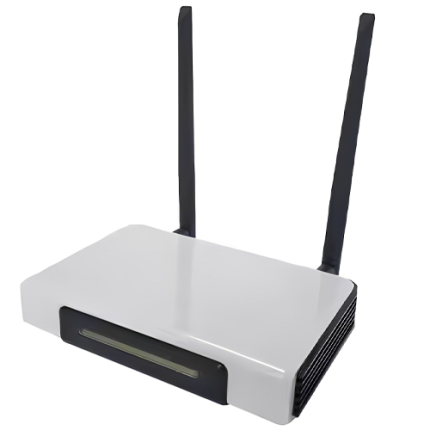
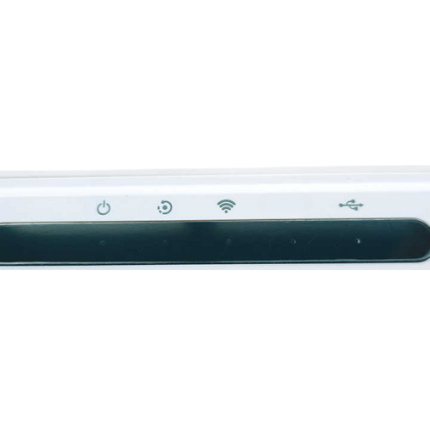
Advanced Indoor LoRaWAN Building Automation Gateway – GAOTek
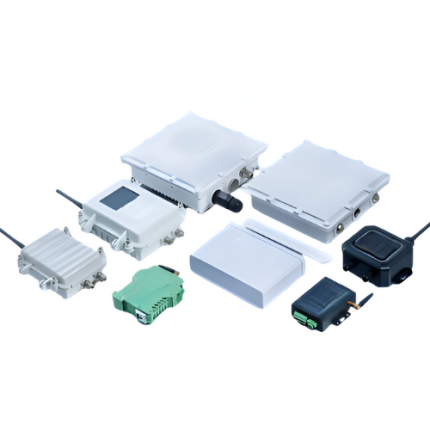

Advanced LoRaWAN Gateway for 4G, Ethernet, and Wi-Fi Wireless Data Transmission – GAOTek


Advanced LoRaWAN Gateway with Wi Fi and LTE Support – GAOTek

Bluetooth to LoRaWAN Gateway – GAOTek
Here are the LoRaWAN End Devices offered by GAO Tek:


8 Channel LoRaWAN Gateway with WiFi Ethernet US915 or EU868 – GAOTek

Advanced LoRa Communication Module and Power Protection – GAOTek


Advanced LoRaWAN Field Tester with GPS – GAOTek


Advanced LoRaWAN Ultrasonic Monitoring Sensor – GAOTek


Advanced LoRaWAN Wireless Pressure Temperature Sensor -GAOTek

Advanced Water Meter with TMR Technology – GAOTek


Agriculture Greenhouse IoT Sensor with LoRa Wireless – GAOTek
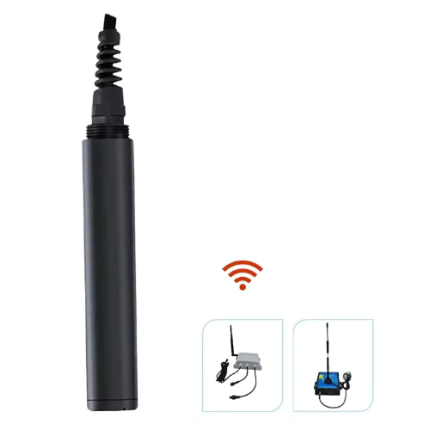
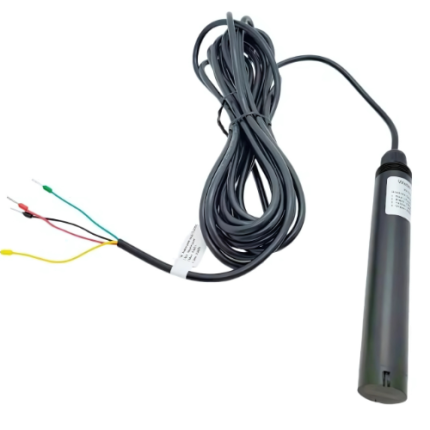
Aquaculture Water Turbidity Sensor with LoRaWAN – GAOTek
Navigation Menu for LoRaWAN
- LoRaWAN Gateways
- LoRaWAN End Devices
- LoRaWAN – Cloud, Server, PC & Mobile Systems
- LoRaWAN Accessories
- LoRaWAN Resources