


Comprehensive Guide for LoRaWAN Enabled Smart Airports
Overview
Airports are at the forefront of adopting innovative technologies to enhance operational efficiency and passenger satisfaction. The Internet of Things (IoT) has emerged as a transformative force, enabling airports to become smarter and more connected. LoRaWAN (Long Range Wide Area Network) technology, with its low power consumption, extended range, and scalability, is a game-changer in IoT applications for airports.
This guide delves into the concept of LoRaWAN-enabled smart airports, exploring how this technology is being harnessed to address challenges like asset management, energy efficiency, and environmental monitoring. It provides a detailed understanding of LoRaWAN technology and highlights its practical applications in creating seamless airport operations. The guide also discusses implementation strategies, cost implications, and the potential for future innovations in the aviation sector.
By providing technical insights and a forward-looking perspective, this guide aims to serve as a comprehensive resource for aviation professionals, IoT developers, and decision-makers. Whether you’re considering implementing LoRaWAN solutions or exploring emerging IoT trends, this guide offers valuable insights to help navigate the journey toward smarter airports.
Below are products and systems related to this webpage:
- LoRaWAN Gateways
- LoRaWAN End Devices
- Long Life LoRaWAN Gateways & Hubs
- ATEX LoRaWAN Gateways & Hubs
- LoRaWAN – Cloud, Server, PC & Mobile Systems
- Outdoor LoRaWAN End Devices
- Long Life LoRaWAN End Devices
Our products are in stock can be shipped to anywhere in continental U.S. or Canada from our local warehouse. To purchase or for any further information, please fill out this form or email us.
We are actively looking for partners who are like us located in the U.S. and Canada. For more information on partnering with GAO, please visit Partner with GAO Tek Inc. It lists various ways to partner with GAO, such as OEM Partnerships, Technology Integration, Distribution and Reselling Opportunities, Presenting at the Leading Event Tek Summit, Joint R&D Projects, Training and Consulting Services, Industry-Specific Collaborations, Research and Academic Partnerships.
1. Introduction to IoT in the Aviation Industry
The aviation industry is undergoing a significant transformation fueled by the rapid adoption of the Internet of Things (IoT). IoT connects physical devices and systems, enabling them to communicate and share data in real time. In airports, IoT facilitates improved efficiency, cost reductions, and enhanced passenger experiences by integrating sensors, smart devices, and advanced communication protocols. Airports are complex ecosystems where seamless coordination of infrastructure, operations, and customer service is critical. IoT technologies are now helping airports manage this complexity by providing actionable insights and automation, thus paving the way for smarter operations.
GAO Tek Inc., headquartered in New York City and Toronto, Canada, offers a suite of IoT solutions tailored to aviation needs, including asset tracking and environmental monitoring, all designed to meet the demands of modern airports. With decades of experience serving Fortune 500 companies and government agencies, we bring expertise and reliability to IoT integration in the aviation sector.
Importance of Smart Airports
Smart airports are the future of aviation, where advanced technology transforms traditional operations into efficient, automated processes. They leverage IoT to optimize critical aspects such as passenger flow, baggage handling, security, and energy management. These enhancements not only improve operational efficiency but also elevate customer satisfaction by minimizing delays and creating a more enjoyable travel experience.
GAO Tek’s expertise in IoT integration helps airports streamline their operations through robust systems for predictive maintenance, smart energy solutions, and comprehensive data analytics. Our commitment to stringent quality assurance and R&D investment ensures that the solutions we provide meet the highest industry standards.
Role of LoRaWAN in Transforming Airports
LoRaWAN (Long Range Wide Area Network) is revolutionizing airport operations by providing a cost-effective, scalable, and low-power IoT communication protocol. Its ability to support long-range communication while consuming minimal power makes it ideal for the vast infrastructure of airports. LoRaWAN is used to monitor assets, track equipment, and manage resources, all while ensuring seamless data transmission across extensive airport grounds.
GAO Tek offers state-of-the-art LoRaWAN-enabled devices and systems designed to meet the unique demands of airports. These include real-time tracking tools, environmental sensors, and data management platforms that simplify airport operations. Our solutions empower airports to embrace smart technology with confidence, backed by expert support available remotely or onsite.
2. LoRaWAN Technology in IoT
Fundamentals of LoRaWAN Technology
LoRaWAN (Long Range Wide Area Network) is a cutting-edge communication protocol designed specifically for IoT applications. Built on LoRa (Long Range) technology, it operates on unlicensed ISM bands and enables low-power, long-range wireless communication. LoRaWAN networks are structured in a star topology, where end devices communicate with gateways that forward data to a central network server. This architecture minimizes complexity and makes the deployment of IoT solutions cost-effective and scalable.
The protocol supports bidirectional communication, device authentication, and robust encryption, ensuring secure and reliable data transmission. LoRaWAN is particularly suitable for IoT systems in vast, sprawling environments like airports, where devices need to function over long distances without consuming excessive power.
GAO Tek Inc., headquartered in New York City and Toronto, Canada, offers a suite of LoRaWAN-enabled solutions that integrate seamlessly into IoT systems. Our advanced products, backed by four decades of R&D excellence, provide reliable performance for aviation and other sectors.
Benefits of LoRaWAN for IoT Applications
LoRaWAN delivers a host of benefits that make it ideal for IoT applications in smart airports:
- Extended Range: LoRaWAN enables communication over distances up to 15 km in rural areas and several kilometers in urban environments, making it well-suited for large-scale deployments like airports.
- Low Power Consumption: Devices using LoRaWAN operate on minimal power, often running for years on a single battery. This is particularly advantageous for IoT sensors and trackers in remote or hard-to-reach airport locations.
- Cost Efficiency: By leveraging unlicensed spectrum and a simple network design, LoRaWAN significantly reduces infrastructure and operational costs compared to cellular or Wi-Fi solutions.
- Scalability: LoRaWAN can support thousands of devices on a single gateway, making it ideal for IoT ecosystems requiring extensive sensor networks.
- Robust Security: End-to-end encryption ensures data integrity and privacy, meeting the stringent security needs of aviation operations.
At GAO Tek, we provide LoRaWAN-based solutions that help airports maximize these benefits. Our systems are engineered to optimize operational efficiency while minimizing costs, enabling airports to achieve their smart technology goals.
Key Features: Low Power, Long Range, and Scalability
LoRaWAN’s standout features are its ability to deliver long-range communication, low power consumption, and exceptional scalability, all of which are critical in the demanding environment of smart airports:
- Low Power: LoRaWAN devices use adaptive data rate (ADR) technology to optimize energy usage. This feature ensures prolonged battery life, even in high-density environments like airport terminals.
- Long Range: The protocol’s unique modulation technique enables communication across long distances, even in environments with physical obstructions, such as airport hangars or parking lots.
- Scalability: LoRaWAN networks can handle a growing number of connected devices, allowing airports to scale IoT deployments as operational needs evolve.
GAO Tek’s LoRaWAN solutions leverage these features to address challenges such as asset tracking, energy management, and environmental monitoring. With a proven track record of serving prestigious universities, government agencies, and Fortune 500 companies, we deliver reliable, scalable, and efficient IoT systems that help airports stay ahead in the digital age.
3. Applications of LoRaWAN in Smart Airports
Real-Time Asset Tracking
Asset tracking is crucial for managing a vast array of equipment, vehicles, and baggage within an airport. LoRaWAN technology provides a reliable and cost-effective solution for real-time asset tracking, using sensors attached to assets to send updates about their location and status. This system reduces the risk of lost or misplaced equipment, minimizes downtime, and ensures that resources are readily available for operations.
GAO Tek’s LoRaWAN-enabled asset tracking solutions allow airports to monitor and manage their assets across large areas, from terminals to runways. Our advanced tracking devices provide accurate data about asset location, condition, and utilization, contributing to operational efficiency. With our solutions, airports can streamline inventory management and reduce the time spent locating critical equipment.
Predictive Maintenance of Equipment
Predictive maintenance leverages real-time data from IoT sensors to predict equipment failures before they happen. LoRaWAN’s ability to monitor machinery and infrastructure over large distances makes it an ideal solution for predictive maintenance in airports, where systems like escalators, HVAC, and security equipment are critical to operations. By continuously monitoring the health of these systems, airports can reduce maintenance costs, avoid costly emergency repairs, and extend the lifespan of equipment.
At GAO Tek, we provide robust LoRaWAN-based predictive maintenance tools designed to monitor key equipment throughout the airport. By analyzing data such as temperature, vibration, and usage patterns, we enable airports to schedule maintenance proactively, avoiding unplanned downtime and costly disruptions.
Smart Lighting and Energy Management
Smart lighting systems powered by LoRaWAN sensors optimize energy consumption by automatically adjusting lighting based on real-time environmental data. For example, airport lighting can be dimmed when areas are unoccupied or adjusted to provide adequate visibility when needed. This not only reduces energy costs but also improves sustainability efforts.
GAO Tek’s LoRaWAN solutions integrate seamlessly with smart lighting and energy management systems, providing airports with the tools to track and control lighting across large spaces. Our systems allow for real-time adjustments and monitoring, contributing to better energy efficiency, reduced operational costs, and enhanced environmental sustainability.
Enhancing Passenger Experience
Passenger experience is a key priority for airports looking to improve customer satisfaction. LoRaWAN-enabled IoT systems can significantly enhance the airport experience by providing real-time data on factors like crowd density, queue lengths, and waiting times at security checkpoints. By leveraging this data, airports can optimize passenger flow, reduce congestion, and improve the overall travel experience.
GAO Tek’s IoT solutions, including real-time monitoring and analytics platforms, help airports understand passenger behavior and make data-driven decisions to improve services. Our LoRaWAN technology ensures that passenger experience improvements are not only fast and effective but also cost-efficient and scalable.
Environmental Monitoring and Control
Airports must manage various environmental factors such as air quality, temperature, humidity, and noise levels. LoRaWAN-based sensors provide real-time data on these conditions, allowing airports to monitor and adjust environmental controls proactively. This data also supports sustainability initiatives by ensuring that energy usage aligns with environmental standards and regulations.
GAO Tek offers advanced environmental monitoring solutions that utilize LoRaWAN technology to provide comprehensive, real-time environmental data. With our solutions, airports can maintain optimal conditions for both passengers and operations while minimizing environmental impact. Our devices are designed for long-range coverage, ensuring that even remote areas of the airport are fully monitored.
GAO Case Studies
United States
- New York City, New York
A major airport in New York implemented LoRaWAN-based asset tracking and predictive maintenance for baggage handling systems. The solution allowed the airport to monitor critical equipment in real-time, improving operational efficiency and reducing unplanned downtime. - Los Angeles, California
In Los Angeles, an airport used LoRaWAN technology to streamline baggage management. By integrating real-time asset tracking, the airport significantly improved baggage flow, reducing delays and improving passenger satisfaction. - Chicago, Illinois
An airport in Chicago deployed LoRaWAN-enabled environmental sensors across terminals to monitor air quality and temperature. This proactive monitoring enabled better control of the terminal environment, reducing energy consumption and improving passenger comfort. - San Francisco, California
San Francisco International Airport used LoRaWAN to manage predictive maintenance for its HVAC systems. By monitoring temperature fluctuations and performance data, the airport successfully reduced energy consumption and avoided unexpected failures. - Dallas, Texas
A Texas-based airport adopted LoRaWAN smart lighting systems that automatically adjusted lighting levels based on real-time data from sensors. The system significantly reduced energy costs while maintaining optimal lighting conditions for security and comfort. - Miami, Florida
LoRaWAN-enabled sensors were deployed at Miami International Airport to track the location and condition of maintenance equipment. The solution streamlined asset management, ensuring that tools and machinery were available when needed, improving overall efficiency. - Atlanta, Georgia
Atlanta’s airport utilized LoRaWAN for environmental monitoring of air quality in terminals and lounges. Real-time data allowed the facility to adjust air purification systems, enhancing passenger comfort and meeting regulatory standards. - Seattle, Washington
Seattle-Tacoma International Airport deployed LoRaWAN-powered sensors for real-time tracking of ground support equipment. This enhanced asset visibility, reduced equipment downtime, and improved operational workflows. - Washington, D.C.
At a major D.C. airport, LoRaWAN-based predictive maintenance systems were used to monitor escalators and elevators. The proactive system enabled early identification of issues, reducing emergency repairs and improving service reliability. - Denver, Colorado
LoRaWAN technology was implemented in Denver’s airport for real-time monitoring of temperature and humidity levels in sensitive areas such as baggage handling and storage. The system ensured optimal conditions for cargo handling and improved efficiency. - Phoenix, Arizona
Phoenix Sky Harbor Airport deployed LoRaWAN smart lighting systems to reduce energy consumption. The system adjusted lighting in unoccupied areas, lowering costs without compromising on safety or security. - Orlando, Florida
Orlando International Airport used LoRaWAN environmental sensors to monitor noise levels across terminals. The system provided valuable data to optimize noise control measures, improving passenger comfort. - Las Vegas, Nevada
A Las Vegas airport implemented LoRaWAN asset tracking to monitor the movement and condition of critical tools used for maintenance. This enhanced visibility and efficiency in managing airport resources. - Boston, Massachusetts
Boston Logan International Airport integrated LoRaWAN technology for predictive maintenance of runway lighting systems. The solution allowed the airport to identify potential failures early, preventing costly repairs and improving safety. - Charlotte, North Carolina
Charlotte Douglas International Airport utilized LoRaWAN sensors to monitor air quality in lounges and terminals. The data collected was used to optimize HVAC systems, enhancing passenger comfort and energy efficiency.
Canada
- Toronto, Ontario
Toronto Pearson International Airport deployed LoRaWAN technology to streamline asset tracking across baggage handling systems. Real-time updates on equipment and cargo improved operational efficiency and reduced baggage delays. - Vancouver, British Columbia
Vancouver International Airport used LoRaWAN environmental monitoring to optimize energy usage in public spaces. The technology enabled more precise control over heating and cooling systems, reducing energy costs while maintaining comfort.
4. Implementation Strategies for LoRaWAN in Airports
Infrastructure Requirements
To successfully implement LoRaWAN technology in airports, a solid infrastructure foundation is essential. LoRaWAN (Long Range Wide Area Network) requires a combination of physical and digital infrastructure to enable seamless communication across large distances. This includes network coverage, power systems, gateways, sensors, and backend software for data management.
- Network Coverage: LoRaWAN operates in the unlicensed sub-GHz radio frequency bands, providing wide coverage even in dense environments like airports. To ensure full coverage, a strategic placement of LoRaWAN gateways throughout the airport’s terminals, runways, parking areas, and baggage handling zones is necessary. The number and placement of these gateways depend on the airport’s size, topography, and the specific use cases being implemented.
- Gateways: These act as bridges between sensors and the central network server, forwarding data from devices to a cloud or on-premise solution for processing. Airports must deploy sufficient gateways to ensure continuous data transmission, especially in areas with heavy equipment and high foot traffic.
- Sensors and Devices: LoRaWAN sensors, which are used for applications such as asset tracking, predictive maintenance, and environmental monitoring, must be chosen based on the required data. Sensors like temperature, humidity, motion, vibration, and proximity can provide the essential data streams needed for various use cases.
- Backhaul and Power Supply: To support LoRaWAN devices and gateways, an efficient power supply and backhaul network (e.g., fiber optics, wireless backhaul) are crucial. The network must be resilient to handle data from a large number of IoT devices operating simultaneously.
At GAO Tek, we help design and implement this infrastructure, ensuring that each component aligns with the airport’s operational needs. Our high-quality gateways and sensors are designed to integrate seamlessly into existing airport systems, providing both scalability and flexibility.
Steps to Integrate LoRaWAN Networks
Integrating a LoRaWAN network in an airport requires a step-by-step approach to ensure that all technical, operational, and safety requirements are met. Below are the key steps involved in the integration process:
- Needs Assessment and Planning:
Before any hardware or software is deployed, a comprehensive assessment of the airport’s needs is essential. This involves identifying which areas of airport operations will benefit most from LoRaWAN, such as baggage tracking, equipment management, or environmental monitoring. A planning phase will ensure that the infrastructure is designed to meet current and future needs. - Site Survey and Gateway Placement:
Once the needs are defined, a site survey should be conducted to evaluate the physical environment of the airport. This step ensures that gateways are installed in the optimal locations for maximizing coverage and minimizing interference. The survey will also assess power availability and potential challenges such as signal attenuation caused by building structures. - Deployment of LoRaWAN Devices and Sensors:
Once gateways are installed, the next step is deploying IoT devices and sensors throughout the airport. Sensors are strategically placed to monitor assets, machinery, environmental factors, or passenger behavior. These devices must be configured to communicate via LoRaWAN protocols, ensuring that data is transmitted securely and efficiently. - Integration with Existing Airport Systems:
For the LoRaWAN network to be effective, it needs to integrate with the airport’s existing infrastructure, such as security systems, baggage handling systems, and energy management solutions. Data from LoRaWAN sensors must be channeled into the airport’s central management system, where it can be analyzed for actionable insights. - Testing and Calibration:
After installation, it is crucial to perform comprehensive testing to ensure that the network and devices are functioning correctly. This includes testing the communication range, battery life of the sensors, data integrity, and real-time performance of applications. - Monitoring and Maintenance:
Continuous monitoring and proactive maintenance are necessary to ensure the network remains operational and continues to meet the airport’s needs. This phase includes regular firmware updates, network diagnostics, and device replacement as needed.
At GAO Tek, we assist airports throughout the integration process, from initial planning and deployment to ongoing support. Our experienced team ensures that the LoRaWAN network integrates seamlessly into existing systems and provides continuous, reliable performance.
Challenges in Deployment and How to Overcome Them
While LoRaWAN technology offers numerous benefits, airports may face several challenges during the deployment phase. However, with the right strategies and solutions, these challenges can be successfully mitigated:
- Signal Interference:
Airports often have complex, multi-layered environments with dense structures that may cause signal interference. LoRaWAN’s low-frequency transmission is less susceptible to interference, but factors like metal structures, thick concrete walls, and other communications systems can still cause disruptions.
Solution: Conducting a thorough site survey and strategic gateway placement is key to overcoming this challenge. GAO Tek’s expert consultants can assist in identifying optimal gateway locations to reduce signal interference and ensure stable communication. - Power Supply and Network Resilience:
LoRaWAN devices and sensors, though low-power, still require consistent power for operation. Airports may face challenges in providing power to remote areas or ensuring resilience in the network to handle large data flows during peak times.
Solution: Deploying energy-efficient solutions and redundant power sources, such as solar-powered sensors or backup batteries, can minimize the risk of system failure. GAO Tek’s devices are designed with long battery life in mind, reducing the need for frequent replacements and ensuring seamless operation even in remote areas. - Data Security and Privacy Concerns:
The vast amount of data generated by LoRaWAN devices raises concerns about data security and privacy, particularly with sensitive information such as passenger movements or baggage tracking.
Solution: To address these concerns, LoRaWAN employs AES-128 encryption for secure data transmission. Moreover, GAO Tek’s solutions can be configured to ensure compliance with local regulations and airport security standards. Our team provides guidance on maintaining high data security levels throughout the deployment. - Scalability and Network Expansion:
Airports are constantly evolving, with new terminals, gates, and facilities being added regularly. As such, it is essential that the LoRaWAN network can scale to accommodate growing needs without causing disruption.
Solution: LoRaWAN networks are inherently scalable. GAO Tek provides customizable solutions that can be easily expanded to meet the airport’s growing demands, whether adding new sensors, gateways, or extending coverage to new areas. - Integration with Legacy Systems:
Integrating new LoRaWAN-based IoT solutions with existing airport systems and infrastructure can be challenging, especially with older legacy systems that may not support modern communication protocols.
Solution: GAO Tek’s experienced integration team works closely with airports to ensure smooth interoperability between legacy systems and the LoRaWAN network. Our solutions are designed to interface with various third-party systems, ensuring that data flows seamlessly from IoT devices to centralized management platforms.
By proactively addressing these challenges, airports can achieve a successful and sustainable deployment of LoRaWAN technology. GAO Tek provides end-to-end support throughout the process, ensuring a seamless experience from installation to ongoing maintenance.
5. Data Management and Analytics
Capturing and Processing LoRaWAN Data
In the context of a smart airport, the effectiveness of IoT deployments largely depends on how data is captured, processed, and analyzed. LoRaWAN-enabled sensors are capable of collecting vast amounts of data from various airport systems—ranging from asset tracking and environmental monitoring to predictive maintenance and passenger flow analysis.
- Data Collection: LoRaWAN sensors are placed throughout the airport’s terminals, runways, baggage handling areas, and other critical zones. These devices capture real-time data, such as temperature, humidity, motion, pressure, and location information. For instance, environmental sensors can monitor air quality, while RFID-based tags can track the movement of luggage or equipment across the airport.
- Data Transmission: Once data is captured, it is transmitted via the LoRaWAN network to central gateways. These gateways forward the data to the cloud or a local server for further processing. Given LoRaWAN’s long-range capabilities, this transmission can cover vast airport spaces with minimal infrastructure.
- Data Processing: Upon receiving data, the next crucial step is processing it into meaningful insights. This is where analytics platforms come into play. Data processing can be performed locally or in the cloud, depending on the complexity of the operations. GAO Tek’s IoT solutions are designed to handle large data streams from numerous sensors while ensuring that the processing is both scalable and efficient.
- Edge Computing: For real-time applications such as monitoring critical equipment or detecting immediate security threats, edge computing can play an essential role. By processing data closer to the source, edge devices reduce latency and ensure rapid responses, which is particularly important in dynamic environments like airports. GAO Tek’s products can be configured for edge processing, making them ideal for airports with stringent performance demands.
GAO Tek’s expertise in deploying large-scale IoT systems ensures that your LoRaWAN data collection, transmission, and processing infrastructure is both reliable and secure. We provide advanced hardware and software solutions that seamlessly integrate with existing airport infrastructure, ensuring smooth data flow and minimal disruptions.
Leveraging Analytics for Insights and Decision-Making
Data on its own is not valuable until it is converted into actionable insights. LoRaWAN-based IoT systems generate a massive volume of data, which, when analyzed correctly, can significantly improve airport operations. Here’s how advanced analytics can be leveraged:
- Predictive Maintenance: By analyzing data from machinery and equipment, airports can predict when a piece of equipment will likely fail or require maintenance. For example, by monitoring vibration and temperature data from baggage handling systems or air conditioning units, predictive models can forecast maintenance needs before a failure occurs. This proactive approach reduces downtime and prevents costly emergency repairs.
- Asset Tracking and Management: LoRaWAN enables real-time tracking of valuable assets like luggage, cargo, or equipment. By analyzing the location and movement data, airports can optimize asset allocation, reduce losses, and improve logistics. For example, if a baggage cart is frequently delayed due to congestion, insights gained from the data can inform changes to the workflow to optimize resource utilization.
- Operational Efficiency: Analytics can help optimize airport operations by identifying bottlenecks, reducing wait times, and improving resource management. For example, by analyzing passenger flow data, airports can adjust staffing levels or direct passengers to less crowded security checkpoints, improving the overall experience.
- Energy Management: With the rise of smart buildings and energy efficiency initiatives, airports can use LoRaWAN-enabled sensors to monitor energy usage in real-time. Analytics can identify patterns, pinpoint inefficiencies, and suggest areas for improvement, such as reducing energy consumption during off-peak hours or adjusting lighting based on real-time occupancy data.
- Passenger Experience: By integrating passenger data with other operational insights, airports can offer personalized services. For example, by tracking the time passengers spend in different areas of the airport, airports can provide tailored updates about wait times, available services, or promotions, enhancing the overall experience and streamlining airport operations.
GAO Tek can help airports harness the power of analytics by providing the right combination of hardware and software to manage and process LoRaWAN data. Our solutions are customizable to meet the unique needs of each airport, helping to drive better decision-making and improve operational outcomes.
Ensuring Data Security and Privacy
As airports collect and manage an ever-increasing amount of data from passengers, employees, and equipment, ensuring the security and privacy of this information is paramount. LoRaWAN technology itself provides several built-in security features, but further steps need to be taken to ensure comprehensive data protection.
- Encryption: LoRaWAN ensures secure data transmission by utilizing AES-128 encryption for end-to-end security. This means that the data transmitted from LoRaWAN devices, such as sensors or tags, is encrypted at the source and can only be decrypted by authorized parties. This built-in security feature ensures that sensitive data remains private and protected from unauthorized access during transmission.
- Data Authentication: LoRaWAN also implements device and network authentication protocols to ensure that only authorized devices are able to join the network and communicate data. This helps prevent unauthorized devices from accessing the network and ensures that data integrity is maintained throughout the communication process.
- Access Control: Airports typically store sensitive information, such as passenger details, equipment maintenance records, and operational data. Role-based access control (RBAC) ensures that only authorized personnel can access specific data or manage network components. GAO Tek can assist in implementing robust access control measures, tailored to the unique requirements of each airport, ensuring that only those with the right permissions can access sensitive data.
- Data Storage and Backup: To protect against data loss, airports must implement secure data storage and backup strategies. Cloud storage solutions, combined with local storage for backup, offer redundancy and ensure data availability in case of network failures. GAO Tek’s IoT platforms integrate seamlessly with cloud storage providers, offering secure data storage options with reliable backup solutions.
- Compliance with Regulations: In many regions, airports are subject to strict data protection regulations, such as the General Data Protection Regulation (GDPR) in the European Union, or the California Consumer Privacy Act (CCPA) in the United States. GAO Tek can assist in ensuring compliance with these regulations by providing solutions that include data anonymization, secure data sharing, and the ability to manage data consent preferences.
At GAO Tek, we understand the importance of data security and privacy in the IoT ecosystem. Our solutions are designed with the highest security standards in mind to protect sensitive data at every stage, from collection and transmission to storage and analysis. We work closely with airports to ensure that all regulatory and security requirements are met, minimizing risk and protecting passenger privacy.
6. Cost-Benefit Analysis
Investment vs. Operational Savings
When considering the adoption of LoRaWAN technology in smart airports, it is essential to assess both the upfront investment required and the potential operational savings that can be achieved over time. Comprehensive cost-benefit analysis helps airports understand the financial impact of implementing LoRaWAN-enabled systems, ensuring that the investment is justified by long-term efficiency gains and cost reductions.
Upfront Investment Costs: The initial investment in LoRaWAN technology includes costs for hardware such as sensors, gateways, and network infrastructure, as well as software for data management and analytics. Additionally, there may be installation and configuration costs associated with integrating the LoRaWAN system into existing airport operations. These costs may vary depending on the scale of the deployment, the number of sensors, and the complexity of the system being implemented.
Operational Savings: Once implemented, LoRaWAN systems offer significant operational savings, which can offset the initial investment. Key areas where airports can save include:
- Energy Efficiency: LoRaWAN enables smart lighting and HVAC systems that adjust based on real-time conditions. This not only improves passenger comfort but also reduces energy consumption, lowering electricity costs.
- Predictive Maintenance: By using sensors to monitor equipment in real-time, airports can predict when maintenance is needed, reducing the cost of unexpected failures and avoiding expensive emergency repairs. Early detection of equipment issues also helps optimize the lifespan of machinery.
- Asset Management: Real-time tracking of assets, such as luggage, cargo, and maintenance tools, reduces the risk of loss or misplacement. By ensuring assets are efficiently managed, airports can avoid costly delays and resource waste, ultimately saving time and money.
- Operational Efficiency: By automating processes and reducing the need for manual checks, LoRaWAN helps streamline operations. For example, sensors can track passenger flows to optimize staffing levels, reducing labor costs during peak and off-peak times.
At GAO Tek, we work closely with airports to design and implement scalable IoT systems that provide both short-term cost savings and long-term operational improvements. Our solutions are designed to be cost-effective, ensuring that airports can achieve maximum ROI without compromising on quality or performance.
ROI on LoRaWAN-Enabled Systems in Airports
Calculating the return on investment (ROI) for LoRaWAN-enabled systems requires a detailed analysis of both tangible and intangible benefits. The following are some of the key factors that contribute to ROI:
- Reduced Operational Costs: LoRaWAN solutions help airports cut down on operational inefficiencies. By automating asset tracking, monitoring environmental conditions, and improving predictive maintenance, airports can reduce manual labor costs, minimize downtime, and avoid unplanned repairs. For example, automated data collection and analysis reduce the need for routine checks and manual inspections.
- Increased Efficiency and Productivity: The integration of LoRaWAN technology provides airports with a constant flow of real-time data. This enables more efficient management of resources, better decision-making, and smoother operations. Airports can adjust staffing levels, reduce bottlenecks, and optimize processes, leading to significant productivity improvements. As a result, airports can handle more traffic with the same resources, ultimately boosting profitability.
- Improved Customer Experience: The ability to monitor passenger flows and enhance the passenger journey contributes to improved satisfaction. With smarter resource allocation and streamlined operations, passengers spend less time in queues and have a more pleasant airport experience. Satisfied customers are more likely to return and recommend the airport, potentially leading to increased revenue.
- Data-driven decision-making: With real-time data from LoRaWAN sensors, airports gain deeper insights into operations, enabling more accurate forecasting and planning. Whether it’s forecasting demand for parking, predicting the need for additional services, or optimizing energy usage, data-driven decisions result in more effective and efficient airport management.
- Long-Term Cost Savings: While the initial investment may seem high, the long-term cost savings are substantial. For example, with LoRaWAN, airports can better manage energy consumption, lower maintenance costs, and extend the lifespan of critical equipment. Over time, the system pays for itself by generating cost savings and improving operational performance.
- Measuring ROI: To calculate the ROI on LoRaWAN-enabled systems, airports can compare the ongoing operational savings and efficiency gains with the initial capital expenditure. The ROI formula can be summarized as:
Net benefits include the total savings from operational improvements, reduced costs, and increased revenue. The result is a percentage that represents the airport’s return on its LoRaWAN investment.
GAO Tek’s comprehensive IoT solutions help airports maximize their ROI by providing scalable systems that ensure ongoing savings and improved performance. We guide airports through every step of the process, from system design to implementation and maintenance, ensuring that your investment generates long-term benefits. Our products, including sensors, gateways, and data management systems, are engineered for high reliability and performance, ensuring your airport achieves the best possible ROI.
7. Future Trends and Innovations
Advances in IoT and LoRaWAN Technology
As the world of IoT continues to evolve, LoRaWAN technology is expected to play a pivotal role in shaping the future of smart airports. LoRaWAN is a low-power, wide-area network (LPWAN) that is optimized for long-range, battery-operated devices. Its ongoing advancements will further enhance the capabilities of airports to manage their operations, improve passenger experiences, and optimize resources. Here are some of the key trends in the evolution of LoRaWAN and IoT:
- Integration with 5G Networks: As 5G networks become more widespread, we can expect a closer integration between LoRaWAN and 5G technologies. While LoRaWAN excels at long-range, low-power IoT applications, 5G brings ultra-high-speed connectivity and lower latency. This convergence could unlock new possibilities for real-time data analytics, autonomous systems, and enhanced communication between IoT devices within airports. For instance, sensors deployed in airports could transmit real-time data over a combination of LoRaWAN for long-range applications and 5G for more instantaneous needs, improving overall network efficiency and responsiveness.
- Enhanced Security Features: With the growth of connected devices, ensuring robust security protocols will be more critical than ever. LoRaWAN is already designed with built-in encryption, but as IoT adoption increases, advanced security protocols will continue to be integrated. Future iterations of LoRaWAN may include more sophisticated authentication mechanisms, improved data encryption techniques, and the ability to detect and prevent cyber threats in real-time. For airports, this means not only securing sensitive operational data but also ensuring that passenger-related information remains protected.
- Improved Battery Life and Power Efficiency: Battery longevity has been one of the key selling points of LoRaWAN, with some sensors able to function for years on a single battery. In the future, we expect further improvements in power efficiency through more advanced battery technologies and energy harvesting techniques, which would allow devices to remain operational for even longer periods. This will benefit airports by reducing maintenance costs and enhancing the reliability of long-term deployments in critical areas such as baggage tracking, asset management, and environmental monitoring.
- AI and Machine Learning Integration: The integration of AI and machine learning (ML) with LoRaWAN devices will enable smarter decision-making at airports. Sensors can capture vast amounts of data, and AI algorithms can analyze this data in real-time to predict future trends, optimize operations, and identify anomalies. For example, AI-powered predictive maintenance systems could automatically detect when airport equipment is likely to fail, based on patterns identified through historical data, allowing staff to act proactively.
At GAO Tek, we are constantly exploring the latest IoT advancements to integrate cutting-edge technologies into our solutions for smart airports. Our team is committed to helping airports stay ahead of technological trends while delivering reliable, scalable, and secure LoRaWAN-based solutions that improve operational efficiency and passenger experience.
Potential Developments in Airport Applications
The future of LoRaWAN in smart airports is promising, with numerous potential developments that could revolutionize airport operations, security, and customer service. Here are some of the key applications that are likely to emerge:
- Autonomous Airport Operations: The use of autonomous systems, such as drones and robots, is expected to grow rapidly within airports. LoRaWAN can serve as the backbone for autonomous systems that carry out tasks such as baggage handling, security monitoring, and even aircraft inspections. For example, drones equipped with LoRaWAN sensors can scan and monitor the condition of runways or check the status of cargo, providing real-time updates to ground control without the need for manual intervention.
- Real-Time Passenger Analytics: Advanced analytics powered by LoRaWAN sensors could offer airports unprecedented insights into passenger behaviors. For example, tracking passenger movement within terminals using IoT devices would provide valuable data for optimizing airport layout and operations. AI-powered systems could use this data to predict crowding and adjust staffing or resources dynamically, improving passenger flow and reducing wait times. This would not only enhance the passenger experience but also contribute to operational cost savings.
- Seamless Border Control and Security: LoRaWAN technology can play a crucial role in enhancing security at airports by enabling seamless integration between various systems involved in border control and baggage screening. Using LoRaWAN-enabled sensors, smart gates, and biometric identification systems, passengers can experience faster and more secure check-in and security procedures. LoRaWAN’s long-range capabilities allow for seamless communication between multiple security points, enabling real-time updates on passenger movement and their status in the security process.
- Smart Parking and Fleet Management: Airports are known for managing large numbers of vehicles, from passengers’ cars to shuttle buses and service vehicles. LoRaWAN technology can help manage these fleets more efficiently by enabling real-time tracking of parking space availability, vehicle status, and optimized shuttle routes. Smart parking systems can automatically direct passengers to the nearest available space, while fleet management systems can monitor and maintain service vehicles, ensuring timely operation.
- Environmental Sustainability Initiatives: Airports are focusing more on sustainability, and LoRaWAN will play a central role in this effort. By integrating sensors to monitor energy use, water consumption, and carbon emissions, airports can identify areas where sustainability measures can be implemented. LoRaWAN-powered systems can optimize energy consumption for lighting, HVAC, and other systems, reducing waste and cutting operational costs. Additionally, LoRaWAN can help monitor environmental factors such as air quality, noise levels, and temperature, ensuring that airports maintain a safe and sustainable environment for both passengers and staff.
- Smart Retail and Customer Engagement: LoRaWAN can transform retail operations within airports by providing real-time inventory management and personalized customer experiences. Smart retail solutions powered by IoT can track stock levels, optimize product placement, and even send personalized offers or promotions directly to passengers’ mobile devices based on their location within the airport. This not only enhances the passenger experience but can also drive revenue growth for airport retailers.
At GAO Tek, we are excited about the future potential of LoRaWAN in airports. As leaders in advanced IoT solutions, we are continually researching and developing innovative systems that push the boundaries of what is possible. Whether you’re looking to improve operational efficiency, enhance passenger experience, or implement sustainability measures, GAO Tek is here to provide the expertise and technology you need to stay at the forefront of the smart airport revolution.
8. Appendix
Glossary of Terms
To help you navigate the world of LoRaWAN and smart airport technologies, we’ve compiled a glossary of key terms commonly used in this guide:
- LoRaWAN (Long Range Wide Area Network): A low-power, wide-area networking protocol designed for long-range communication with IoT devices. It is ideal for applications where devices need to send small amounts of data over large distances with minimal power consumption.
- IoT (Internet of Things): A network of interconnected devices that can communicate and exchange data with each other over the internet or other communication networks. In the context of airports, IoT devices include sensors, cameras, and smart systems that collect and share real-time data.
- LPWAN (Low Power Wide Area Network): A type of wireless telecommunication network designed to allow long-range communications at low power levels. LoRaWAN is one of the most popular LPWAN technologies.
- Smart Airport: An airport that uses IoT technologies, data analytics, and automation to improve operational efficiency, enhance passenger experience, and reduce costs. These technologies are integrated into various airport operations, including baggage handling, security, and maintenance.
- Asset Tracking: The process of tracking the location and status of physical assets, such as luggage, cargo, or equipment, in real-time using IoT sensors and communication networks.
- Real-Time Data Analytics: The process of analyzing data as it is collected in real-time, allowing for quick decision-making and immediate responses to changes in the environment or operations.
- Sensor Fusion: The process of integrating data from multiple sensors (e.g., temperature, humidity, motion) to provide a more accurate and reliable representation of a system’s state or environment.
- Edge Computing: A distributed computing framework where data processing occurs closer to the data source (e.g., IoT sensors) rather than relying solely on centralized cloud computing, reducing latency and improving real-time decision-making.
- RFID (Radio Frequency Identification): A technology that uses electromagnetic fields to automatically identify and track tags attached to objects. It is commonly used in airports for luggage tracking and inventory management.
- AI (Artificial Intelligence): The simulation of human intelligence processes by machines, particularly in areas like data analysis, pattern recognition, and predictive maintenance in IoT systems.
- Big Data: Large volumes of structured and unstructured data generated by IoT sensors, devices, and other systems. In airports, big data can provide insights into passenger behavior, security risks, and operational performance.
List of References
Here are some references for further reading and research on LoRaWAN technology and smart airport applications:
- LoRa Alliance – A global association promoting LoRaWAN standards and protocols. LoRa Alliance
- IEEE Communications Society – A leading source for research papers and articles on networking technologies including IoT and LPWAN. IEEE Communications Society
- World Bank: Smart Cities – A detailed report on how smart technologies, including LoRaWAN, are transforming urban infrastructure, including airports. World Bank: Smart Cities
- International Air Transport Association (IATA) – Provides insights into the latest trends and innovations in the aviation industry, including IoT applications. IATA
- GAO Tek’s IoT Solutions – Learn more about GAO Tek’s innovative IoT solutions for smart airports, including LoRaWAN-based technologies. GAO Tek IoT Solutions
Additional Resources
For those looking to delve deeper into the applications and future of LoRaWAN technology in smart airports, here are some additional resources:
- GAO Tek Blog: Our blog regularly features articles on emerging technologies, including IoT and LoRaWAN innovations in the transportation and aviation sectors. Stay updated on the latest trends and use cases. GAO Tek Blog
- LoRaWAN for Airports: A specialized whitepaper from GAO Tek on how LoRaWAN can be utilized to streamline airport operations. Download GAO Tek Whitepaper
- Industry Webinars: Attend GAO Tek’s live webinars to hear directly from experts on how LoRaWAN is transforming airport systems and operations. Webinars
- LoRaWAN Technical Documentation: For technical professionals looking to understand the nitty-gritty of LoRaWAN technology, we offer detailed documentation on its implementation and integration into existing systems. LoRaWAN Technical Resources
GAO Tek is committed to providing the resources and expertise needed for your smart airport IoT initiatives. Whether you need advanced LoRaWAN solutions, expert support, or guidance on implementing cutting-edge technology, our team is ready to assist with every step of your journey.
Here are the LoRaWAN Gateways/Hubs offered by GAO Tek:

4G LoRaWAN Gateway with WiFi and PoE Support – GAOTek


4G LTE Profinet Edge IoT Gateway with RS232 and LoRaWAN 868/915 MHz – GAOTek


8 Channel LoRaWAN Indoor IoT Gateway With Wi-Fi – GAOTek


Advanced High Speed LoRaWAN Gateway and Hub for Reliable Networking – GAOTek
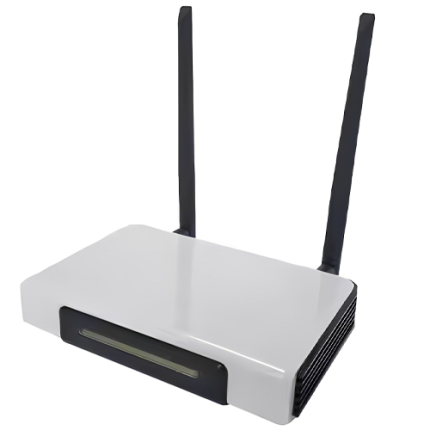

Advanced Indoor LoRaWAN Building Automation Gateway – GAOTek
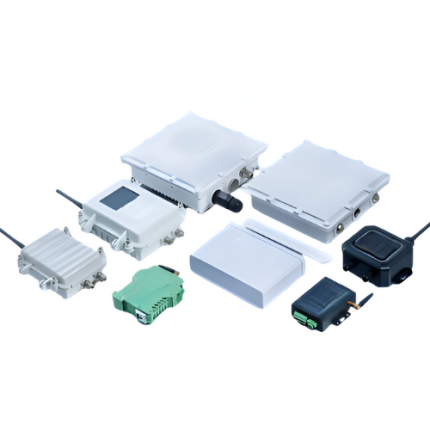

Advanced LoRaWAN Gateway for 4G, Ethernet, and Wi-Fi Wireless Data Transmission – GAOTek


Advanced LoRaWAN Gateway with Wi Fi and LTE Support – GAOTek

Bluetooth to LoRaWAN Gateway – GAOTek
Here are the LoRaWAN End Devices offered by GAO Tek:


8 Channel LoRaWAN Gateway with WiFi Ethernet US915 or EU868 – GAOTek

Advanced LoRa Communication Module and Power Protection – GAOTek


Advanced LoRaWAN Field Tester with GPS – GAOTek


Advanced LoRaWAN Ultrasonic Monitoring Sensor – GAOTek


Advanced LoRaWAN Wireless Pressure Temperature Sensor -GAOTek

Advanced Water Meter with TMR Technology – GAOTek


Agriculture Greenhouse IoT Sensor with LoRa Wireless – GAOTek
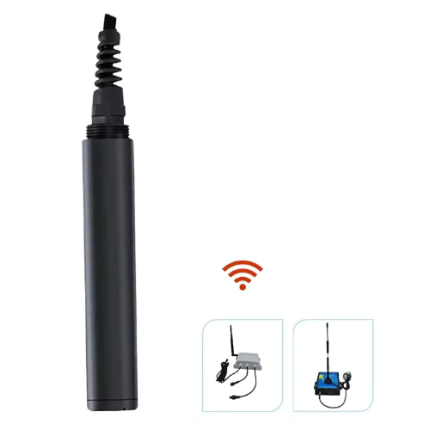
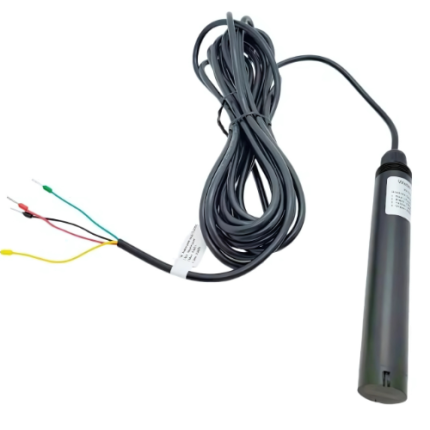
Aquaculture Water Turbidity Sensor with LoRaWAN – GAOTek
Navigation Menu for LoRaWAN
- LoRaWAN Gateways
- LoRaWAN End Devices
- LoRaWAN – Cloud, Server, PC & Mobile Systems
- LoRaWAN Accessories
- LoRaWAN Resources