

Comprehensive Guide on LoRaWAN Enabled Smart Grid in IoT
Overview
The transition to smart grids has become essential for modern energy management, addressing the growing demand for reliable, efficient, and sustainable power distribution. LoRaWAN (Long Range Wide Area Network) has emerged as a key enabler in this transformation, providing robust, long-range communication solutions tailored to the unique challenges of grid management.
LoRaWAN’s capabilities, such as low power consumption and extended communication range, make it an ideal choice for connecting a vast array of grid devices, from smart meters to sensors. It ensures real-time data collection and monitoring across urban and rural areas, facilitating enhanced grid reliability and efficiency. Furthermore, LoRaWAN’s scalability and secure data transmission empower utilities to integrate renewable energy sources, improve load balancing, and support advanced metering infrastructure.
This guide explores how LoRaWAN is revolutionizing smart grid systems, from implementation strategies to its integration with emerging technologies like AI, blockchain, and digital twins. The guide also highlights the economic and environmental benefits of adopting LoRaWAN, including cost savings, reduced energy losses, and a lower carbon footprint.
For utilities and energy providers seeking to modernize grid systems, GAO Tek Inc. offers cutting-edge LoRaWAN solutions designed to optimize grid performance, ensure energy reliability, and promote sustainability.
Below are products and systems related to this webpage:
- Urban-Optimized LoRaWAN Gateways & Hubs
- LoRaWAN End Devices
- LoRaWAN – Cloud, Server, PC & Mobile Systems
- High-Speed LoRaWAN Gateways & Hubs
- Indoors Only LoRaWAN Gateways & Hubs
Our products are in stock can be shipped to anywhere in continental U.S. or Canada from our local warehouse. To purchase or for any further information, please fill out this form or email us.
We are actively looking for partners who are like us located in the U.S. and Canada. For more information on partnering with GAO, please visit Partner with GAO Tek Inc.It lists various ways to partner with GAO, such as OEM Partnerships, Technology Integration, Distribution and Reselling Opportunities, Presenting at the Leading Event Tek Summit, Joint R&D Projects, Training and Consulting Services, Industry-Specific Collaborations, Research and Academic Partnerships.
1. Introduction to Smart Grids and Their Role in Modern Energy Management
Smart grids represent the next generation of energy systems, integrating digital communication technologies with traditional power infrastructure to enhance the efficiency, reliability, and sustainability of energy distribution. Unlike conventional grids, which are limited by manual operations and static data, smart grids use real-time monitoring and advanced analytics to optimize power flow, manage demand, and quickly address outages. They play a crucial role in meeting the increasing global demand for energy while enabling the integration of renewable energy sources such as wind and solar power.
The Importance of IoT in Optimizing Grid Performance and Reliability
The Internet of Things (IoT) serves as the backbone of smart grid systems, connecting diverse assets such as transformers, substations, smart meters, and sensors. By leveraging IoT, utilities can collect, analyze, and act on real-time data from these assets to prevent outages, optimize load balancing, and improve overall grid performance. This level of insight helps utilities proactively identify issues and ensures a more reliable energy supply for consumers. Moreover, IoT enables demand response programs, allowing users to adjust their energy consumption during peak periods, which enhances grid stability and reduces costs.
How LoRaWAN Addresses the Unique Challenges of Smart Grid Applications
LoRaWAN (Long Range Wide Area Network) is a powerful IoT communication protocol that is particularly well-suited for smart grid applications. Its long-range capabilities ensure reliable connectivity across vast grid networks, including remote and rural areas where cellular coverage is often limited. LoRaWAN’s low power consumption is ideal for battery-powered devices like sensors and smart meters, extending their operational life and reducing maintenance costs.
Security is another key advantage of LoRaWAN, as it provides end-to-end encryption to protect sensitive energy data from cyber threats. Its scalability allows utilities to deploy and expand networks seamlessly as their infrastructure grows. Additionally, LoRaWAN operates on unlicensed frequency bands, offering cost-effective communication without the need for expensive licensing fees.
How GAO Tek Can Help
GAO Tek Inc., headquartered in New York City and Toronto, provides cutting-edge LoRaWAN solutions tailored for smart grid applications. Our solutions enable utilities to optimize grid performance, enhance reliability, and ensure data security. With decades of expertise and a commitment to quality, we support our clients in building robust smart grid systems that meet the demands of modern energy management. For more information, visit our website or contact our team of experts.
2. Understanding LoRaWAN Technology in Smart Grids
Basics of LoRaWAN and Its Role in IoT Networks
LoRaWAN (Long Range Wide Area Network) is a low-power, wide-area network protocol designed to enable long-range communications for IoT devices. It operates in unlicensed sub-GHz frequency bands, making it cost-effective and ideal for a wide range of applications, particularly where long-distance coverage is needed with minimal energy consumption. LoRaWAN allows devices to communicate over several kilometers in rural or urban environments, even in challenging terrain, without requiring extensive infrastructure.
In the context of IoT, LoRaWAN enables devices such as sensors, smart meters, and actuators to gather and transmit data over long distances to central server LoRaWAN Accessories. This capability is crucial for industries like smart grids, where real-time, remote data collection and monitoring are essential for system optimization, fault detection, and energy management. LoRaWAN’s low power consumption allows these devices to operate for years without battery replacements, further reducing maintenance costs.
Key Features of LoRaWAN That Make It Suitable for Smart Grid Applications
LoRaWAN’s key features make it a particularly compelling choice for smart grid deployments:
- Long-Range Communication: LoRaWAN’s ability to transmit data over long distances, often several kilometers in urban settings and up to 15 kilometers in rural areas, makes it ideal for wide-area applications like smart grids that span large regions.
- Low Power Consumption: Its energy-efficient design allows battery-powered devices to operate for years, which is particularly important for smart meters, remote sensors, and other grid infrastructure that need to be deployed in hard-to-reach areas.
- Scalability: LoRaWAN networks can be easily expanded by adding new gateways and devices without significant infrastructure changes. This scalability is key for smart grids that need to adapt as grid demand grows.
- Secure Data Transmission: LoRaWAN provides end-to-end encryption, ensuring that data transmitted over the network is secure, a critical consideration for smart grids that manage sensitive data about energy usage, consumption, and infrastructure.
- Low Cost of Deployment: Since LoRaWAN uses unlicensed frequency bands, it helps utilities minimize operating costs by eliminating the need for expensive cellular or licensed spectrum usage.
These features allow LoRaWAN to address the specific challenges of monitoring, controlling, and optimizing smart grid systems efficiently.
Comparison with Other Communication Technologies Used in Smart Grids
Smart grids traditionally rely on communication technologies such as cellular networks, Wi-Fi, and Zigbee. Each of these technologies has its own strengths and limitations. For example:
- Cellular Networks: While offering high-speed data transfer and reliability, cellular networks can be costly due to subscription fees and are often less efficient for low-power, long-distance applications. Cellular solutions may not be feasible for remote locations, where cellular coverage is weak.
- Wi-Fi: Wi-Fi offers high-speed connectivity but is typically limited in range and consumes more power than LoRaWAN. This makes Wi-Fi unsuitable for widespread applications across vast areas in smart grids.
- Zigbee: Although Zigbee offers low power consumption and is suitable for short-range communication, its range is much shorter than LoRaWAN’s, making it less effective for large-scale deployments like smart grids.
LoRaWAN, with its low power consumption, long range, and scalability, stands out as an ideal solution for smart grids, addressing the needs for both remote monitoring and secure, cost-effective communication across vast networks. It provides a balance between performance, cost, and efficiency, making it the preferred choice in many modern smart grid applications.
3. Key Features of LoRaWAN for Smart Grids
Long-Range Communication for Vast Grid Networks
LoRaWAN (Long Range Wide Area Network) is designed to cover large geographical areas, making it ideal for smart grid networks that span vast regions. With LoRaWAN, data can be transmitted over several kilometers, both in rural and urban settings, without requiring extensive infrastructure. This long-range capability enables remote monitoring and management of grid devices, such as smart meters, substations, and sensors, from a central hub. The ability to establish communication across large areas ensures that even hard-to-reach locations, such as remote power lines or distributed renewable energy sources, are reliably connected to the grid system.
For utilities operating large-scale smart grids, LoRaWAN’s ability to maintain a robust connection across wide distances reduces the need for costly cellular or fiber-optic infrastructure. This makes it a cost-effective solution to connect distributed grid assets and streamline data collection for efficient grid management.
Energy Efficiency for Battery-Powered Grid Devices
One of the most critical advantages of LoRaWAN in smart grid applications is its energy efficiency. Many devices in a smart grid system, such as remote sensors, smart meters, and actuators, need to operate on batteries due to their locations or mobility. LoRaWAN is optimized for low-power communication, allowing these devices to run for years on a single battery. The protocol uses minimal energy for data transmission, which is crucial for ensuring the longevity and reliability of grid devices, especially in remote or inaccessible areas where battery replacements can be costly and difficult.
This energy efficiency enables utilities to deploy a large number of battery-powered devices without incurring substantial maintenance costs, making it an attractive option for long-term, sustainable smart grid solutions.
Scalability for Expanding Grid Infrastructures
As the demand for energy grows, smart grid infrastructures need to scale effectively. LoRaWAN networks offer high scalability, allowing utilities to expand their grid operations easily. Adding new devices, sensors, and gateways to the existing network requires minimal investment in new infrastructure. LoRaWAN’s decentralized architecture makes it straightforward to extend network coverage without disrupting ongoing operations.
For smart grids, scalability is essential to meet future energy demands and integrate new technologies such as renewable energy sources, electric vehicle charging stations, and advanced energy storage systems. LoRaWAN’s ability to scale in a cost-effective manner ensures that smart grid networks can adapt to growing needs without facing significant technical or financial hurdles.
Secure and Reliable Data Transmission for Critical Energy Operations
Smart grids rely heavily on accurate, real-time data for efficient energy management, making secure and reliable data transmission a top priority. LoRaWAN offers robust security features, including end-to-end encryption, to protect sensitive information traveling through the network. This ensures that data, such as energy consumption patterns, operational status of grid devices, and fault detection reports, remains secure from unauthorized access or tampering.
Moreover, LoRaWAN’s reliable communication protocol ensures that data is transmitted with minimal latency and high accuracy, which is crucial for smart grid operations. The network’s ability to function even in harsh environmental conditions or during power outages further enhances its reliability for critical energy operations. This combination of security and reliability is essential for the safe and efficient functioning of modern smart grids.
4. Applications of LoRaWAN in Smart Grids
Advanced Metering Infrastructure (AMI) for Smart Meters
LoRaWAN plays a key role in advanced metering infrastructure (AMI), enabling smart meters to transmit real-time data on electricity consumption, voltage, and power quality directly to utility providers. These smart meters allow utilities to perform more accurate billing, identify consumption patterns, and detect anomalies such as power theft or malfunctioning equipment. Through LoRaWAN, smart meters communicate efficiently over long distances, even in remote locations, making it a cost-effective solution for rural and urban areas alike. LoRaWAN’s low power usage also ensures that these smart meters can operate autonomously for extended periods without frequent battery replacements, providing reliable, long-term performance.
Grid Monitoring and Fault Detection Systems
LoRaWAN’s ability to provide wide-area coverage and secure communication makes it an ideal choice for grid monitoring and fault detection systems. Sensors integrated into the grid can continuously monitor for abnormal conditions such as voltage fluctuations, equipment failure, and outages. LoRaWAN enables real-time transmission of this data to central monitoring systems, allowing grid operators to quickly detect issues and respond before they escalate into larger problems. This proactive approach to grid management enhances grid reliability, reduces downtime, and lowers operational costs. Additionally, the low-power nature of LoRaWAN sensors means they can be deployed across vast and distributed grid networks without the need for complex infrastructure.
Renewable Energy Integration and Load Balancing
As renewable energy sources like solar and wind become increasingly prevalent, LoRaWAN supports the seamless integration of these resources into the grid. LoRaWAN-connected sensors can provide real-time data on energy production, which is crucial for managing variability in renewable generation. By using this data, grid operators can better balance the load, ensuring a stable supply of energy by dynamically adjusting energy distribution based on real-time input from renewable sources. LoRaWAN’s ability to handle large numbers of devices across wide areas makes it well-suited for monitoring and managing distributed renewable energy installations, such as solar panels and wind turbines, ensuring grid stability.
Demand Response Systems and Real-Time Energy Usage Insights
LoRaWAN enables demand response systems by providing real-time energy usage insights to both utilities and consumers. Smart devices, such as thermostats, smart meters, and appliances, are equipped with LoRaWAN-enabled sensors to collect data on energy consumption. Utilities can use this data to offer incentives to consumers for reducing energy usage during peak demand periods, or to dynamically adjust energy pricing based on consumption patterns. LoRaWAN’s low latency ensures that these adjustments can be made quickly and efficiently, while its scalability allows the integration of millions of devices for widespread demand response programs.
Predictive Maintenance for Grid Assets
LoRaWAN is a powerful tool for predictive maintenance in smart grid systems. By using LoRaWAN-enabled sensors on grid assets such as transformers, substations, and transmission lines, utilities can monitor the health of equipment in real time. These sensors measure critical variables such as temperature, vibration, and load, sending data to cloud-based systems for analysis. By leveraging predictive analytics, utilities can forecast when equipment is likely to fail, allowing them to perform maintenance before problems occur. This reduces downtime, prevents costly emergency repairs, and extends the lifespan of grid assets.
GAO Case Studies:
- Smart Grid Implementation in New York City, USA
In New York City, a LoRaWAN-based smart grid was deployed to enhance grid reliability and monitoring. Sensors were integrated into transformers and distribution lines, enabling real-time data collection on voltage, load, and environmental factors. This system allowed for faster fault detection and better load balancing, reducing energy losses and improving service delivery. - Rural Energy Management in Texas, USA
A rural energy provider in Texas leveraged LoRaWAN technology to integrate smart meters and environmental sensors into their grid infrastructure. With low-power, long-range communication, they could monitor remote wind turbines and solar panels efficiently. This allowed for better integration of renewable energy sources and improved grid stability. - Fault Detection System in Chicago, USA
In Chicago, LoRaWAN was implemented to enhance grid monitoring and fault detection. Real-time data on grid conditions was sent from sensors in substations to a centralized monitoring system. This system helped identify faults quickly, minimizing downtime and optimizing grid operations during peak demand periods. - Load Management in Miami, USA
LoRaWAN-enabled smart meters were deployed in Miami to monitor energy consumption in real time. The data collected allowed for improved demand response programs, enabling utilities to adjust energy distribution based on live usage data, resulting in more efficient grid management and reduced energy waste. - Renewable Energy Monitoring in San Francisco, USA
San Francisco deployed LoRaWAN sensors to monitor its renewable energy installations, including solar farms and wind turbines. The real-time data enabled better integration with the local grid, optimizing energy storage and usage, and ensuring that energy supply met demand without interruption. - Predictive Maintenance in Seattle, USA
In Seattle, LoRaWAN sensors were installed in key grid assets to monitor temperature, humidity, and mechanical stresses. Predictive maintenance capabilities were integrated, reducing the likelihood of unexpected equipment failures and significantly lowering maintenance costs while increasing system reliability. - Advanced Metering in Los Angeles, USA
LoRaWAN-enabled smart meters were implemented in Los Angeles to enhance billing accuracy and provide consumers with detailed energy usage insights. The data also enabled more precise demand forecasting, helping utilities better manage peak demand and reduce energy consumption during high-cost periods. - Energy Usage Analytics in Houston, USA
In Houston, LoRaWAN technology was used to collect energy usage data from thousands of homes and businesses. This data was analyzed to provide consumers with actionable insights into their energy habits, while also informing utility companies about energy demand trends, allowing for more efficient grid operation. - Grid Monitoring in Dallas, USA
Dallas used LoRaWAN-based sensors to monitor the performance of critical grid infrastructure. These sensors provided real-time alerts on grid conditions, helping to quickly detect issues such as power outages or equipment malfunctions, leading to faster response times and reducing the duration of power disruptions. - Smart Grid for Industrial Facilities in Phoenix, USA
Phoenix implemented LoRaWAN technology to monitor the power consumption and grid health of its industrial facilities. By utilizing real-time monitoring and predictive maintenance, the city was able to optimize energy usage and prevent unnecessary downtime, improving overall operational efficiency. - Distributed Energy in Denver, USA
LoRaWAN technology facilitated the integration of distributed energy resources (DERs) into Denver’s grid. By providing real-time data on solar panel outputs and battery storage levels, utilities could optimize energy flow between residential, commercial, and industrial consumers. - Smart Metering in Detroit, USA
In Detroit, LoRaWAN was used to deploy an advanced metering infrastructure (AMI) system. Smart meters provided accurate billing data and enabled better load management across the grid, helping utilities identify inefficiencies and improve energy distribution to end users. - Remote Grid Monitoring in Kansas City, USA
Kansas City utilized LoRaWAN for remote grid monitoring across several rural areas. The technology provided real-time data on grid performance and environmental factors, helping utilities manage far-flung grid assets with minimal overhead and improving grid resilience in remote locations. - Energy Forecasting in Boston, USA
LoRaWAN-enabled sensors were implemented in Boston to provide real-time energy data for forecasting demand and supply fluctuations. This allowed grid operators to better predict energy needs, reducing the likelihood of overloading and ensuring that resources were efficiently allocated. - Smart Grid for Urban Areas in San Diego, USA
San Diego implemented LoRaWAN to modernize its urban grid infrastructure. By integrating real-time data on energy usage, the city was able to implement more efficient energy-saving programs and reduce costs associated with energy transmission, benefiting both consumers and utility providers. - Renewable Energy Integration in Vancouver, Canada
Vancouver integrated LoRaWAN technology to monitor its renewable energy sources, such as solar panels and wind turbines. The data collected in real time allowed utilities to better balance energy load, ensuring a stable supply of renewable energy throughout the city. - Fault Detection in Toronto, Canada
Toronto used LoRaWAN sensors in key grid locations to detect faults in real-time. The data allowed the city to rapidly respond to outages, minimizing downtime and ensuring continuous service across its grid infrastructure. This proactive monitoring system improved the reliability and efficiency of Toronto’s power grid.
5. Implementing LoRaWAN in Smart Grid Systems
Designing and Deploying LoRaWAN Networks for Utility Infrastructures
When implementing LoRaWAN in smart grid systems, the first step is designing a network that can efficiently connect various grid components, from power meters and sensors to control systems. The design process involves selecting appropriate gateways, ensuring they can cover the required geographical area, and configuring them to handle high-volume data transmission. The network should be designed for optimal coverage, accounting for factors such as the urban or rural spread of grid assets, building structures, and environmental factors like vegetation. The scalable nature of LoRaWAN allows for the expansion of the network over time, ensuring it grows with the utility’s needs. LoRaWAN’s low-power, long-range communication capabilities make it ideal for covering wide areas like transmission lines and substations, without requiring extensive infrastructure.
Selecting Hardware: Smart Meters, Sensors, and Gateways
The next step in deploying LoRaWAN networks for smart grids is selecting the right hardware. Smart meters equipped with LoRaWAN sensors can collect detailed consumption data, including power usage, voltage, and quality metrics, and transmit that data wirelessly to a centralized system. Along with meters, environmental sensors are used to monitor grid performance under different conditions, such as temperature, humidity, or pressure. The selection of gateways is also critical, as they bridge the communication between LoRaWAN devices and the grid’s central control system. At GAO Tek Inc., we provide high-quality sensors, meters, and gateways that support various LoRaWAN frequency bands and deliver accurate, real-time data for optimal grid management.
Integrating LoRaWAN Data with Grid Management Systems
Once the LoRaWAN network is in place, the next key step is integrating the data into grid management systems (GMS). LoRaWAN’s open architecture ensures that its data can be easily integrated with existing software platforms, such as SCADA (Supervisory Control and Data Acquisition), which monitor and control power generation, distribution, and consumption. By integrating LoRaWAN data with these platforms, utilities can gain real-time insights into grid health, monitor energy consumption, and remotely control grid assets. Additionally, cloud-based platforms can be employed to collect and store large amounts of data for predictive analytics and future-proof decision-making.
Addressing Challenges: Interference and Network Scalability
While LoRaWAN offers numerous benefits, implementing it within smart grids does come with its own set of challenges. One of the key challenges is dealing with potential interference from other wireless communication systems. To mitigate this, careful planning of network frequencies and the strategic placement of gateways is necessary to avoid congestion and signal loss. Another challenge is scalability—smart grids can involve a vast number of connected devices, which can put strain on the network if not properly managed. LoRaWAN’s scalability allows for the network to grow as needed, but the initial design must consider future expansion and the ability to handle an increased number of devices. GAO Tek’s LoRaWAN-based solutions offer the flexibility and capacity to scale the network smoothly, ensuring that utilities can adapt to evolving grid requirements while maintaining robust performance.
Summary of Key Implementation Steps:
- Network Design: Plan for optimal coverage across a large area, accounting for environmental factors.
- Hardware Selection: Choose compatible smart meters, sensors, and gateways based on grid requirements.
- System Integration: Seamlessly connect LoRaWAN data with existing grid management and control systems.
- Addressing Challenges: Strategize to manage network interference and ensure scalability to accommodate future growth.
Incorporating LoRaWAN into smart grid systems is a transformative step in optimizing grid operations, reducing costs, and improving overall energy efficiency. With GAO Tek’s extensive experience in providing advanced B2B IoT solutions, utilities can leverage LoRaWAN’s capabilities to create smarter, more reliable energy infrastructure systems.
6. LoRaWAN and Emerging Technologies in Smart Grids
AI and Machine Learning for Grid Optimization and Predictive Analytics
Artificial Intelligence (AI) and Machine Learning (ML) are essential technologies for optimizing the performance of smart grids. These tools leverage the vast amounts of data collected through IoT-enabled devices, including those connected via LoRaWAN, to improve decision-making and grid management. AI and ML algorithms can predict energy demand, optimize energy generation and consumption, and identify inefficiencies within the grid. By analyzing historical and real-time data, these technologies provide insights into patterns and anomalies, enabling proactive measures to prevent outages, reduce energy waste, and increase system resilience. For example, predictive maintenance powered by AI can forecast equipment failures, allowing utilities to perform maintenance before issues arise, thus minimizing downtime and repair costs. LoRaWAN’s low-power, long-range capabilities complement these technologies, enabling widespread, continuous monitoring without compromising energy efficiency.
Blockchain for Secure Energy Trading and Data Integrity
Blockchain technology can be used to secure transactions and data in smart grids, especially in areas such as energy trading and peer-to-peer energy exchanges. By leveraging blockchain’s decentralized and immutable ledger, energy trading can be carried out securely and transparently. Blockchain ensures that every transaction related to energy production, consumption, and distribution is recorded in a tamper-proof manner, providing an auditable trail of all exchanges. This enhances trust among participants, reduces fraud, and ensures the integrity of critical data within the grid. In addition, when combined with LoRaWAN’s reliable data transmission, blockchain can provide an extra layer of security for energy transaction records and grid operational data, allowing for seamless, trust-based energy exchanges.
Integration with 5G for Real-Time Energy Management
The integration of LoRaWAN with 5G networks marks a significant step toward improving real-time energy management. While LoRaWAN provides reliable, low-power communication over long distances, 5G can enhance the responsiveness and speed of communication in the grid. 5G’s ultra-low latency and high data throughput are particularly beneficial for smart grids that require real-time data transmission and remote control of grid components. By combining the strengths of LoRaWAN for wide-area connectivity and 5G’s fast, high-bandwidth communication, utilities can more efficiently monitor energy consumption, balance loads, and manage grid failures. Additionally, this integration allows for more sophisticated demand response systems, where energy supply and consumption can be dynamically adjusted based on real-time data.
Role of Digital Twins in Simulating and Optimizing Grid Operations
Digital twins represent a virtual replica of physical systems, and in the context of smart grids, they are becoming an invaluable tool for simulating, monitoring, and optimizing grid operations. By integrating LoRaWAN-enabled sensors and IoT devices, smart grids can create real-time, dynamic models that reflect the state of the physical grid. These digital replicas can be used to run simulations, predict the behavior of the grid under various conditions, and analyze the impact of potential interventions. For instance, digital twins can model power flows, predict faults, and simulate the integration of renewable energy sources, helping utilities optimize grid performance. LoRaWAN’s ability to connect diverse sensors and devices across vast geographical areas makes it an ideal enabler for digital twin technology in smart grids, ensuring accurate, up-to-date data for simulations and operational planning.
By integrating LoRaWAN with emerging technologies like AI, blockchain, 5G, and digital twins, smart grids can become more autonomous, efficient, and resilient. These technologies not only optimize grid management but also support innovations such as decentralized energy systems, real-time demand response, and enhanced energy security. At GAO Tek, we provide the IoT infrastructure and support that can help utilities and energy providers leverage LoRaWAN to incorporate these cutting-edge technologies into their operations.
7. Economic and Environmental Benefits of LoRaWAN in Smart Grids
Cost Savings from Efficient Energy Management and Reduced Losses
The integration of LoRaWAN in smart grids enables significant cost savings by enhancing energy efficiency and reducing losses across the grid. By leveraging real-time data collection and monitoring through LoRaWAN-enabled sensors, utilities can identify and address inefficiencies such as energy theft, system failures, or voltage imbalances. LoRaWAN’s low-power, long-range communication technology allows for continuous monitoring of grid components without the need for frequent maintenance or battery replacements. Additionally, by optimizing energy flow and usage, utilities can reduce operational costs and avoid the high expense of power outages and downtime. Through the use of LoRaWAN, smart grids can dynamically adjust energy generation and consumption patterns, further reducing waste and promoting overall cost-effectiveness.
Enhanced Grid Reliability and Uptime Through Predictive Analytics
With the use of LoRaWAN-enabled sensors and IoT devices, smart grids can continuously monitor key grid components and detect potential issues before they lead to failures. By integrating predictive analytics, utilities can forecast and mitigate risks such as equipment malfunctions, grid overloads, and natural disasters. LoRaWAN allows for the collection and transmission of real-time data, which feeds predictive models designed to anticipate and address problems proactively. This proactive approach enhances grid reliability, minimizes downtime, and reduces the costs associated with emergency repairs and unplanned outages. The result is a more robust, resilient grid that can maintain high levels of performance while minimizing interruptions to energy supply.
Lower Carbon Emissions via Optimized Energy Distribution
One of the significant benefits of incorporating LoRaWAN into smart grid systems is the reduction in carbon emissions. By optimizing energy distribution and usage, LoRaWAN helps utilities balance energy loads more effectively, reducing the need for energy production from carbon-intensive sources. Through real-time monitoring and data analysis, smart grids can identify periods of excess energy demand and adjust the supply accordingly. Additionally, LoRaWAN enables seamless integration with renewable energy sources, such as solar and wind power, ensuring that clean energy is prioritized in the grid. This optimization leads to a decrease in reliance on fossil fuels, contributing to lower carbon emissions and supporting environmental sustainability efforts.
Promoting Renewable Energy Adoption and Sustainable Energy Practices
LoRaWAN’s low-power, wide-area network capabilities are crucial for promoting the adoption of renewable energy sources in smart grids. By facilitating the integration of decentralized energy generation, such as solar panels and wind turbines, LoRaWAN enables utilities to efficiently manage and distribute energy across vast areas. This encourages the use of renewable resources in grid operations and supports a transition toward more sustainable energy practices. Moreover, LoRaWAN helps utilities manage energy storage solutions, such as batteries, that store renewable energy for use during periods of high demand or low generation. With LoRaWAN’s ability to provide reliable, real-time data transmission, utilities can ensure optimal performance and make smarter decisions regarding renewable energy investments. This promotes sustainability across the grid while ensuring efficient and environmentally responsible energy usage.
At GAO Tek, we offer LoRaWAN-based solutions and expert support to enable utilities to achieve these economic and environmental benefits. Through our innovative IoT devices and systems, we help utilities integrate advanced smart grid capabilities for improved energy management, reduced costs, and enhanced sustainability. Our technology, backed by over four decades of expertise, is tailored to meet the needs of modern energy systems, ensuring that smart grids are more efficient, resilient, and eco-friendly.
8. Future Trends in LoRaWAN for Smart Grids
Advances in LoRaWAN Protocols for Energy Applications
The future of LoRaWAN in smart grids lies in the continuous evolution of its protocols, which are being tailored to better address the specific needs of energy applications. As the demand for more reliable, scalable, and efficient communication networks grows, LoRaWAN’s protocol advancements are focusing on improving data transfer rates, reducing latency, and increasing overall network capacity. These upgrades will enhance real-time energy management, allowing utilities to respond faster to grid issues and optimize energy flow more effectively. Additionally, new developments in LoRaWAN’s security protocols will ensure that sensitive grid data remains protected against emerging cyber threats, contributing to a more secure and resilient smart grid.
Growth of Private LoRaWAN Networks for Utilities
Utilities are increasingly adopting private LoRaWAN networks to gain more control over their grid infrastructure and data management. Unlike public networks, private LoRaWAN networks offer dedicated bandwidth, increased security, and reliability, which are critical for the operation of smart grids. These networks can be customized to suit the specific needs of energy applications, providing real-time data monitoring, fault detection, and predictive analytics without the constraints of public networks. As the adoption of smart grids grows, we can expect a significant rise in the deployment of private LoRaWAN networks, especially in regions where data privacy, security, and operational control are paramount. At GAO Tek, we provide robust solutions for establishing and managing these private networks, enabling utilities to optimize their grid management and energy distribution strategies.
Expansion of Smart Grid Technologies in Rural and Remote Areas
One of the most promising future trends is the expansion of smart grid technologies into rural and remote areas where traditional grid infrastructure is often limited or non-existent. LoRaWAN’s long-range capabilities make it an ideal solution for connecting distributed energy resources (DERs) such as solar panels and wind turbines in remote locations. The use of LoRaWAN will enable more efficient monitoring and management of these systems, allowing utilities to extend smart grid capabilities to underserved regions. Additionally, with LoRaWAN’s low power consumption and long-range coverage, remote assets like sensors, meters, and control devices can be easily integrated into the grid, providing real-time data without the need for costly infrastructure investments.
Increased Adoption of Decentralized Energy Systems
LoRaWAN plays a key role in supporting the growing shift toward decentralized energy systems, where power generation and consumption occur locally rather than centrally. These systems, which include solar panels, small-scale wind turbines, and energy storage solutions, benefit from LoRaWAN’s ability to connect and monitor assets across a large area. By using LoRaWAN-enabled devices, utilities can integrate these decentralized systems into the broader grid, ensuring that energy distribution is optimized and demand response is more efficient. As the push for renewable energy sources and local energy solutions intensifies, the role of LoRaWAN in managing these decentralized energy systems will become increasingly important, supporting a more flexible, sustainable, and resilient grid infrastructure.
At GAO Tek, we are committed to supporting the future of smart grids through the development and integration of advanced LoRaWAN solutions. With our expertise in IoT technologies, we provide the tools and support needed to implement cutting-edge smart grid solutions that enable utilities to improve efficiency, sustainability, and resilience. Our solutions are designed to help address the evolving challenges of modern energy management and ensure that the future of smart grids is both secure and sustainable.
9. Appendix
Glossary of Key Terms and Acronyms in Smart Grid IoT
- AMI (Advanced Metering Infrastructure): A system of smart meters, communication networks, and data management systems that enable real-time measurement and monitoring of energy consumption.
- LoRaWAN (Long Range Wide Area Network): A low-power, wide-area networking protocol designed to enable long-range communication for IoT devices, used in smart grids for data transmission over large areas.
- Smart Grid: An advanced electrical grid system that uses digital communication technology to monitor and manage electricity distribution, improving efficiency, reliability, and sustainability.
- Demand Response: A system where electricity usage is adjusted in response to supply conditions, usually incentivized by lower rates during peak demand times.
- Demand Side Management (DSM): The process of managing customer demand for electricity in ways that produce optimal energy consumption, load management, and grid stability.
- DER (Distributed Energy Resources): Small-scale power generation or storage systems located close to the point of use, including solar panels, batteries, and wind turbines.
- IoT (Internet of Things): The network of physical objects embedded with sensors, software, and other technologies that enable them to collect and exchange data.
Technical Specifications of LoRaWAN for Smart Grid Applications
- Communication Ranges: LoRaWAN provides long-range communication, typically between 2-5 kilometers in urban areas and up to 15-20 kilometers in rural or line-of-sight environments.
- Frequency Bands: LoRaWAN supports several frequency bands based on region: EU868, US915, AS923, CN470, and others, all tailored to local regulations.
- Power Levels: LoRaWAN devices are designed for low power consumption, with typical transmission power between 14 dBm and 27 dBm, enabling extended battery life for IoT devices used in smart grid applications.
- Network Capacity: LoRaWAN can support up to 100,000 devices per gateway, making it highly scalable for large grid systems.
- Data Rate: LoRaWAN offers a low data rate range of 0.3 kbps to 27 kbps, optimized for applications that do not require high bandwidth but need long-range, low-power communication.
Recommended Tools, Hardware, and Software for Grid Management
- Smart Meters: Advanced meters that capture real-time data on energy consumption and provide feedback for grid operators to manage loads and forecast demand.
- Sensors: Environmental and equipment sensors to monitor grid conditions, including voltage, temperature, and humidity.
- Gateways: Devices that connect LoRaWAN-enabled sensors and meters to the central grid management system, ensuring reliable data transmission over long distances.
- Energy Management Software: Platforms that aggregate data from various devices, providing utilities with insights into energy consumption, grid health, and optimization opportunities.
- Predictive Maintenance Tools: Using data analytics and AI, these tools predict potential equipment failures, enabling proactive maintenance and reducing unplanned downtime.
Contact Information for Experts and Solution Providers
For more information on how LoRaWAN can be integrated into smart grid systems, to receive expert assistance with your IoT solutions for energy management, please contact GAO Tek Inc.
Contact Information:
- Phone: +1 (212) 203-2204 (USA), +1 (416) 800-0775 (Canada)
- Email: sales@gaotek.com
- Website: www.gaotek.com
- Website: www.gaotek.com
GAO Tek Inc. provides top-tier IoT solutions and expert support to ensure the successful implementation of LoRaWAN in smart grid systems. Whether you need customized hardware or software solutions, or assistance with large-scale deployments, we are here to help you optimize your grid infrastructure for the future.
Here are the LoRaWAN Gateways/Hubs offered by GAO Tek:
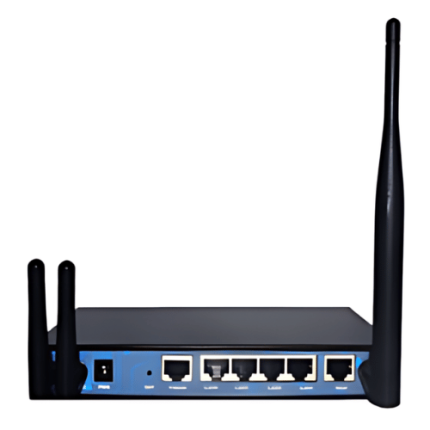
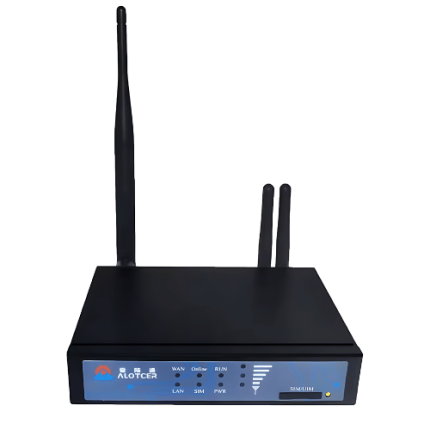
12V IoT Gateway VPN Router with Industrial CPU, WLAN, and Cellular – GAOTek


2.4 in WiFi 4G Wireless Smart Home Security System – GAOTek


3 Band GSM or 3G or 4G Signal Booster – GAOTek


300Mbps 4G LTE Portable Wifi Router with SIM Slot – GAOTek


4G Cellular Modem Router with External Antennas and Multiuser Support – GAOTek


4G Cellular Modem with Dual-Band Wi-Fi and Rotatable Antennas – GAOTek


4G Fixed Wireless Terminal VoLTE WiFi Hotspot HD Voice – GAOTek
Here are the LoRaWAN End Devices offered by GAO Tek:
12V IoT Gateway VPN Router with Industrial CPU, WLAN, and Cellular – GAOTek
2.4 in WiFi 4G Wireless Smart Home Security System – GAOTek
3 Band GSM or 3G or 4G Signal Booster – GAOTek
300Mbps 4G LTE Portable Wifi Router with SIM Slot – GAOTek
4G Cellular Modem Router with External Antennas and Multiuser Support – GAOTek
4G Cellular Modem with Dual-Band Wi-Fi and Rotatable Antennas – GAOTek