

Comprehensive Guide for LoRaWAN Enabled Smart Retail and Point of Sale
Overview
The Internet of Things (IoT) is transforming retail, offering innovative ways to optimize operations and improve customer experiences. LoRaWAN (Long Range Wide Area Network) has emerged as a pivotal technology in this transformation, providing secure, cost-effective, and scalable connectivity for smart retail solutions and Point of Sale (PoS) systems. With its ability to connect a vast array of devices over long distances while consuming minimal power, LoRaWAN is ideal for the unique challenges of retail environments.
This guide delves into the applications of LoRaWAN-enabled IoT in retail, covering how it supports inventory management, enhances customer personalization, and enables smarter PoS systems. It also explores technical aspects of LoRaWAN, including its advantages over competing technologies, deployment strategies, and approaches to ensuring security and privacy.
Challenges such as scalability, network interference, and compliance are addressed, with practical solutions to overcome them. The guide also highlights future trends, showcasing how LoRaWAN continues to evolve alongside other emerging technologies. Real-world case studies provide tangible insights into the benefits and practicalities of adopting these solutions.
Designed to be a comprehensive resource, this guide will equip decision-makers, IT specialists, and business leaders with the knowledge to harness LoRaWAN effectively. From implementation to innovation, this resource ensures you are prepared for the evolving landscape of IoT in retail.
Below are products and systems related to this webpage:
- LoRaWAN Gateways
- LoRaWAN End Devices
- Long Life LoRaWAN Gateways & Hubs
- ATEX LoRaWAN Gateways & Hubs
- LoRaWAN – Cloud, Server, PC & Mobile Systems
- Outdoor LoRaWAN End Devices
- Long Life LoRaWAN End Devices
Our products are in stock can be shipped to anywhere in continental U.S. or Canada from our local warehouse. To purchase or for any further information, please fill out this form or email us.
We are actively looking for partners who are like us located in the U.S. and Canada. For more information on partnering with GAO, please visit Partner with GAO Tek Inc. It lists various ways to partner with GAO, such as OEM Partnerships, Technology Integration, Distribution and Reselling Opportunities, Presenting at the Leading Event Tek Summit, Joint R&D Projects, Training and Consulting Services, Industry-Specific Collaborations, Research and Academic Partnerships.
1. Introduction to IoT in Retail
The Internet of Things (IoT) is reshaping the retail industry by enabling interconnected systems that streamline operations and deliver exceptional customer experiences. Through IoT, retailers can monitor and manage inventory, analyze customer behaviors in real-time, and optimize in-store processes with unprecedented precision. This digital transformation is vital for businesses aiming to stay competitive in a landscape that increasingly demands efficiency and personalization.
GAO Tek Inc., headquartered in New York City and Toronto, Canada, is at the forefront of this revolution, offering advanced IoT solutions tailored to retail environments. By leveraging our expertise, retailers can harness the full potential of IoT to drive business outcomes and enhance their technological infrastructure.
1.1 Role of LoRaWAN in the Retail Ecosystem
LoRaWAN (Long Range Wide Area Network) is a low-power, long-range communication protocol that has emerged as a game-changer in IoT implementations for retail. It facilitates the seamless connectivity of sensors, devices, and systems, even in complex and large-scale environments such as multi-location stores or warehouses. Unlike short-range wireless technologies, LoRaWAN excels in transmitting data over extended distances with minimal energy consumption, making it ideal for inventory tracking, asset monitoring, and environmental control in retail spaces.
At GAO Tek, we integrate LoRaWAN technology into our solutions to provide reliable, scalable, and cost-effective connectivity. This ensures that retailers can deploy robust IoT systems without being constrained by network limitations. Whether managing smart shelves or automating checkout systems, our LoRaWAN-enabled devices support operational excellence across the retail spectrum.
1.2 Benefits of LoRaWAN-Enabled Solutions for Retail and Point of Sale
LoRaWAN technology offers a host of advantages for modern retailers:
- Cost Efficiency: With its low power consumption, LoRaWAN reduces operational costs by extending battery life for sensors and devices, minimizing the need for frequent replacements.
- Scalability: Retailers can connect hundreds of devices across expansive areas without compromising network performance.
- Real-Time Data Collection: LoRaWAN-enabled sensors provide instant insights into inventory levels, store conditions, and customer preferences, empowering data-driven decisions.
- Enhanced Security: Built-in encryption protocols ensure data integrity and confidentiality, crucial for protecting customer and business information.
GAO Tek’s solutions are engineered to maximize these benefits, empowering retailers to enhance efficiency while delivering superior customer experiences. With a legacy of serving Fortune 500 companies, leading R&D firms, and government agencies, we bring unparalleled expertise to the deployment of LoRaWAN systems in retail and Point of Sale (PoS) environments.
2. Introduction to LoRaWAN Technology
2.1 What is LoRaWAN?
LoRaWAN (Long Range Wide Area Network) is a low-power, wide-area network protocol designed for IoT applications that require long-range communication with minimal power consumption. It operates on unlicensed sub-GHz radio frequencies, enabling devices to connect over distances of up to 15 kilometers in rural areas and 2-5 kilometers in urban environments. The technology is particularly well-suited for IoT networks with a large number of devices, such as those found in smart cities, agriculture, logistics, and, most importantly, retail.
At GAO Tek Inc., we specialize in providing cutting-edge LoRaWAN-based solutions that deliver reliable connectivity for IoT devices deployed across extensive retail environments. From inventory management to asset tracking and customer engagement, LoRaWAN enables efficient, real-time data transfer that empowers retailers to make informed decisions and automate processes.
2.2 Key Features and Advantages
LoRaWAN provides several key features and advantages that make it an attractive choice for IoT implementations, especially in the retail sector:
- Low Power Consumption: LoRaWAN devices are designed for low power operation, which results in extended battery life—often lasting years without requiring maintenance. This is ideal for deploying IoT sensors across large retail spaces or warehouses.
- Long Range: The protocol offers superior range capabilities compared to other wireless technologies, enabling devices to communicate over long distances. This characteristic is particularly beneficial for retailers with multi-location stores or large outdoor areas.
- Scalability: LoRaWAN networks can easily scale to support a growing number of IoT devices. Retailers can expand their network by simply adding more sensors without significant infrastructure changes, providing a future-proof solution.
- Cost Efficiency: Because LoRaWAN uses unlicensed frequency bands, there are no recurring costs for spectrum licenses. Additionally, its low power requirements and ability to support a high density of devices at minimal cost make it an ideal solution for IoT deployments in retail.
- Security: LoRaWAN incorporates end-to-end encryption at the network, application, and transport layers, ensuring that all data transmitted across the network remains secure and protected against unauthorized access.
GAO Tek’s LoRaWAN solutions are engineered to fully leverage these benefits, ensuring that retailers achieve robust and secure connectivity while keeping operational costs low.
2.3 Comparison with Other IoT Connectivity Solutions
When comparing LoRaWAN to other common IoT connectivity options, such as Wi-Fi, Bluetooth, Zigbee, and cellular networks, there are several distinct advantages that make it a preferred choice in certain retail scenarios.
- LoRaWAN vs. Wi-Fi: While Wi-Fi is ubiquitous and can deliver high data throughput, it has a limited range and consumes more power, making it less suitable for IoT applications requiring long-range communication. Wi-Fi networks also require more infrastructure and can become congested in environments with many connected devices, whereas LoRaWAN offers greater range with minimal power usage and lower network congestion.
- LoRaWAN vs. Bluetooth: Bluetooth is often used for short-range communication and is more suitable for applications like proximity tracking or device pairing. However, its range is typically limited to 100 meters or less, which is a significant constraint for large-scale retail applications. In contrast, LoRaWAN enables communication over several kilometers, making it ideal for managing large inventories across multiple locations.
- LoRaWAN vs. Zigbee: Zigbee operates in a similar range as Bluetooth but offers a more reliable mesh network structure. However, LoRaWAN stands out due to its ability to cover far greater distances, which is especially important for outdoor asset tracking and multi-location retail networks. Zigbee is often used in home automation, while LoRaWAN excels in larger, more complex retail and industrial IoT deployments.
- LoRaWAN vs. Cellular: Cellular networks, while offering high data throughput, can be expensive and less efficient in terms of energy consumption for IoT devices. LoRaWAN provides a more cost-effective and low-energy alternative for applications that don’t require high-bandwidth data transfer. For example, LoRaWAN is better suited for tracking inventory in real-time or monitoring environmental conditions in stores, while cellular networks are typically used for applications requiring more intensive data transmission.
LoRaWAN’s unique combination of low power, long-range, scalability, and security makes it an ideal solution for IoT applications in retail, particularly for applications where cost efficiency and wide coverage are essential. GAO Tek Inc. provides tailored LoRaWAN solutions to address these specific needs, helping retailers deploy efficient, scalable, and secure IoT networks that enhance operational efficiency and improve customer experience.
3. Smart Retail: Revolutionizing the Customer Experience
3.1 Use Cases of IoT in Smart Retail
The integration of IoT into retail operations has revolutionized the industry, allowing retailers to streamline processes, optimize inventory management, and provide personalized experiences. Some key use cases include:
- Real-Time Inventory Tracking: IoT-enabled devices can monitor stock levels in real-time, sending alerts when products are low or out of stock. This ensures that shelves are always stocked, reducing lost sales opportunities and improving customer satisfaction. At GAO Tek, we offer robust IoT solutions that enable retailers to implement real-time tracking systems, ensuring seamless inventory management across large stores or multiple locations.
- Smart Shelving and Automated Replenishment: IoT sensors embedded in shelves can detect when items are removed or misplaced and automatically trigger restocking processes. This reduces manual inventory checks and ensures products are always available when customers need them. GAO Tek’s LoRaWAN-enabled smart shelf systems are designed to provide long-range, low-power connectivity, ensuring efficient inventory management with minimal manual intervention.
- Temperature and Humidity Monitoring: For businesses dealing with perishable goods, maintaining the right environment is crucial. IoT sensors can monitor temperature and humidity levels in real-time, ensuring compliance with health and safety standards. For example, grocery and pharmaceutical retailers can ensure that refrigerated goods are stored at the correct temperature, reducing waste and increasing the shelf life of products.
- Smart Checkout: IoT-powered checkout systems leverage RFID and sensor technologies to enable faster and more efficient checkouts, reducing wait times for customers. This can include automated cashierless stores where customers can simply walk out with their purchases, and the system automatically processes payments.
At GAO Tek, we specialize in offering end-to-end IoT solutions that streamline these processes for retail businesses, helping them provide a more efficient and seamless experience for both staff and customers.
3.2 LoRaWAN for Inventory Management and Smart Shelving
LoRaWAN plays a pivotal role in modernizing inventory management and enhancing the functionality of smart shelving in retail. By utilizing LoRaWAN’s long-range and low-power capabilities, retailers can deploy an array of IoT sensors across large retail spaces or warehouses, enabling seamless communication with minimal maintenance.
- LoRaWAN-Enabled Inventory Monitoring: Retailers can equip products with RFID tags or IoT sensors that connect to a LoRaWAN network. This enables real-time inventory tracking over long distances, which is especially beneficial for large stores or warehouses with multiple floors or extensive outdoor areas. Retailers can track products as they move across various departments or between warehouses, ensuring accurate stock levels and improving replenishment processes.
- Smart Shelving with LoRaWAN: LoRaWAN supports the deployment of smart shelves equipped with weight sensors or RFID tags that detect when stock levels fall below predefined thresholds. These smart shelves can automatically trigger alerts to store managers, prompting them to restock the shelves or reorder products, reducing the risk of out-of-stock items and enhancing customer satisfaction. The low power consumption of LoRaWAN devices ensures long battery life for these sensors, making them cost-effective solutions for retail environments.
GAO Tek provides custom-built LoRaWAN solutions that integrate seamlessly with retail inventory systems, helping businesses maintain accurate stock data and automate replenishment processes, all while minimizing manual effort and reducing the risk of human error.
3.3 Enhancing Customer Engagement and Personalization
The ability to collect and analyze real-time data through IoT sensors allows retailers to understand their customers better and offer highly personalized experiences. IoT technology can enhance customer engagement in several ways:
- Personalized Recommendations: By tracking customer interactions and behaviors through IoT-enabled devices, retailers can offer personalized product recommendations in real-time. For instance, digital signage in stores can display tailored advertisements or product suggestions based on a customer’s past shopping history or preferences.
- Customer Location Tracking: Using IoT sensors and Bluetooth Low Energy (BLE) technology, retailers can track the location of customers within their stores. This information can be used to send personalized offers or discounts via mobile apps or to guide customers to specific products, enhancing the in-store experience. For example, if a customer enters a specific department, the system could send a special offer to their phone for items in that section.
- Smart Loyalty Programs: IoT-enabled systems can provide retailers with deeper insights into customer purchase patterns, which can be used to design smarter, more engaging loyalty programs. For example, by integrating IoT sensors with loyalty app systems, retailers can send targeted promotions to customers based on their browsing history, increasing the likelihood of repeat visits and purchases.
- In-Store Navigation: IoT technology can assist customers in navigating large retail spaces, and providing directions to specific products or departments. Using an app, customers can receive real-time navigation assistance, reducing frustration and enhancing the overall shopping experience.
GAO Tek’s IoT solutions empower retailers to take full advantage of data-driven insights to create personalized and engaging experiences for their customers. Our expertise in LoRaWAN-enabled solutions allows retailers to not only automate key operations like inventory management but also offer a deeper level of customization to their customers, driving loyalty and increasing sales.
4. IoT-Enabled Point of Sale (PoS) Systems
4.1 Features and Functions of LoRaWAN PoS Solutions
The integration of IoT with Point of Sale (PoS) systems, particularly through LoRaWAN connectivity, brings a host of advanced features designed to enhance efficiency, security, and data accuracy in retail operations. GAO Tek’s IoT-enabled PoS solutions leverage the benefits of LoRaWAN technology to deliver robust, scalable, and low-power connectivity for modern retail environments. Here are some of the key features and functions of these systems:
- Long-Range Connectivity: LoRaWAN’s long-range capabilities make it ideal for PoS systems deployed across large retail spaces. Whether in a sprawling retail store, shopping mall, or warehouse, LoRaWAN ensures seamless communication between PoS terminals and backend systems without relying on traditional Wi-Fi or cellular connections. This reduces network congestion and improves reliability in areas with weak signal reception.
- Low Power Consumption: IoT-enabled PoS devices powered by LoRaWAN have a much lower power consumption compared to traditional PoS systems. This feature ensures that devices can run for extended periods on a single battery, reducing maintenance needs and overall costs. This is especially beneficial in remote areas or locations with limited access to power outlets.
- Scalability and Flexibility: LoRaWAN networks support the integration of a variety of IoT devices, enabling retailers to scale their PoS systems effortlessly. From adding new payment terminals to incorporating additional inventory or security devices, LoRaWAN’s flexibility ensures that businesses can adapt and grow without significant infrastructure overhauls.
- Enhanced Security: IoT-based PoS systems provide additional layers of security with real-time data encryption and secure communication between devices. This is crucial for protecting sensitive customer data and financial transactions. LoRaWAN’s built-in security protocols ensure that data transmitted between PoS terminals and the central system remains private and protected from external threats.
GAO Tek’s PoS solutions utilize LoRaWAN to provide reliable, secure, and cost-effective point-of-sale capabilities, allowing retailers to streamline their operations and enhance the customer experience.
4.2 Streamlining Transactions and Data Management
One of the key advantages of integrating IoT and LoRaWAN into PoS systems is the ability to streamline both transactions and data management. These systems allow for real-time updates, seamless communication, and faster processing, ensuring a smooth operation throughout the retail environment.
- Real-Time Transaction Processing: IoT-enabled PoS systems with LoRaWAN connectivity ensure that transactions are processed in real time, reducing the time spent at checkout and improving overall customer satisfaction. The ability to instantly update product availability, inventory levels, and pricing data across multiple terminals helps eliminate errors and delays, contributing to a more efficient workflow.
- Automated Data Synchronization: With LoRaWAN, all PoS terminals in a network are connected, enabling automatic data synchronization between different locations. Inventory counts, sales reports, and customer data are instantly updated across all terminals, ensuring accurate and consistent records without manual intervention. This not only saves time but also helps prevent discrepancies between online and in-store data.
- Centralized Control and Management: LoRaWAN PoS systems provide centralized control over the entire network, enabling businesses to manage all terminals and devices remotely. Retailers can monitor transactions, update prices, and adjust settings across multiple stores from a single platform. This simplifies operations, especially for retailers with multiple locations, and allows for more efficient management of resources.
- Integration with Payment Gateways: LoRaWAN-enabled PoS systems can easily integrate with modern payment gateways to support a wide range of payment methods, including contactless cards, mobile payments, and digital wallets. This integration ensures that customers can complete their purchases securely and quickly, while retailers can reduce friction in the checkout process.
GAO Tek’s PoS solutions are designed to facilitate seamless and fast transactions while providing retailers with centralized control over their systems, reducing operational complexity, and improving efficiency.
4.3 Integration with Cloud and Analytics Platforms
The power of IoT-enabled PoS systems is amplified when combined with cloud computing and advanced analytics platforms. These integrations provide retailers with deep insights into their business operations, enabling data-driven decision-making and continuous process optimization.
- Cloud-Based Data Storage and Accessibility: IoT-enabled PoS systems, when integrated with cloud platforms, allow for the secure storage and easy access of transaction data, inventory information, and customer insights. Cloud solutions eliminate the need for on-site data storage, reducing hardware costs and making it easier for retailers to scale their operations. Retailers can access their data from anywhere, at any time, which supports flexibility and remote management.
- Advanced Analytics for Customer Insights: By connecting PoS systems with cloud-based analytics platforms, retailers gain valuable insights into customer behavior, purchasing patterns, and trends. Advanced analytics tools can process large volumes of transaction data to identify buying habits, allowing businesses to tailor marketing campaigns and promotional offers based on real-time customer behavior. This level of personalization drives customer engagement and helps build loyalty.
- Inventory and Sales Forecasting: The integration of PoS systems with cloud-based inventory management platforms allows retailers to track inventory in real-time and make accurate sales forecasts. Predictive analytics powered by AI and machine learning algorithms can help retailers anticipate demand, optimize stock levels, and reduce the risk of stock outs or overstocking.
- Seamless Integration with Other Business Systems: IoT-enabled PoS systems powered by LoRaWAN can easily integrate with other enterprise systems such as ERP (Enterprise Resource Planning), CRM (Customer Relationship Management), and financial management platforms. This creates a unified data ecosystem that supports end-to-end business processes, ensuring smooth operations and data consistency.
GAO Tek’s IoT-enabled PoS solutions are designed with seamless integration in mind. Our systems can be easily connected to cloud platforms and advanced analytics tools, providing retailers with actionable insights and the ability to manage their business more effectively and efficiently.
5. Implementation Strategies and Considerations
Implementing IoT-enabled solutions in retail, particularly using LoRaWAN technology for point-of-sale (PoS) systems, involves careful planning and strategic decision-making. A successful deployment requires selecting the right hardware and sensors, designing a robust network architecture, and addressing critical security and data privacy concerns. Below are key implementation strategies and considerations that can guide businesses in leveraging LoRaWAN technology for smart retail.
5.1 Choosing the Right Hardware and Sensors
The effectiveness of any IoT-enabled retail solution, including LoRaWAN-based PoS systems, largely depends on the choice of hardware and sensors. Retailers need to ensure that their devices meet both functional and operational requirements. The selection of hardware should be guided by the following factors:
- PoS Terminals and Payment Devices: The PoS terminals themselves must be compatible with LoRaWAN technology to enable long-range, low-power connectivity. GAO Tek offers advanced LoRaWAN-enabled PoS systems that integrate seamlessly with various payment solutions, such as NFC (Near Field Communication), RFID, and barcode scanning technologies. Choosing a device with built-in security features is also essential for protecting sensitive payment data.
- Sensors for Inventory and Shelf Management: Retail environments require sensors for real-time inventory tracking and smart shelving. These sensors, such as weight sensors, RFID tags, and proximity sensors, can communicate through LoRaWAN to provide insights into product availability, shelf conditions, and stock levels. Selecting the right sensor type depends on the specific needs of the store, such as product size, shelf layout, or environmental conditions.
- Environmental Sensors: Environmental factors like temperature and humidity can impact product quality, particularly for perishable goods. LoRaWAN-enabled environmental sensors can monitor these conditions and send alerts to store managers when thresholds are exceeded. GAO Tek provides solutions that integrate seamlessly into the retail environment, ensuring that your products are always stored under optimal conditions.
- Battery Life and Power Management: Given that LoRaWAN devices are often deployed in environments where access to power outlets is limited, selecting hardware with low power consumption and long battery life is crucial. GAO Tek’s IoT solutions are designed to be energy-efficient, reducing the need for frequent maintenance and extending the operational life of devices.
By choosing the right hardware and sensors, businesses can ensure that their LoRaWAN-enabled PoS systems deliver reliable performance, accurate data, and seamless integration with other systems.
5.2 Network Architecture and Deployment Models
Designing an effective network architecture is a critical step in deploying IoT solutions for retail. LoRaWAN’s low-power, long-range capabilities enable multiple deployment models depending on the retail environment and scale of operations.
- Private LoRaWAN Network: For retailers with large facilities, including multi-location chains, setting up a private LoRaWAN network can offer complete control over network performance, security, and scalability. In a private network, all devices (PoS terminals, sensors, etc.) communicate with an on-premises gateway connected to a local or cloud server, allowing for centralized management of data and devices. This model is particularly advantageous for businesses seeking to protect sensitive data and optimize network reliability.
- Public LoRaWAN Network: For smaller retailers or businesses with limited infrastructure, using a public LoRaWAN network can be a cost-effective solution. A public LoRaWAN network operates through a third-party provider that manages the infrastructure, allowing retailers to connect their devices without the need for a dedicated gateway or server. This model is ideal for businesses that don’t require a high degree of control over their network but still need to take advantage of LoRaWAN’s connectivity.
- Hybrid Network: A hybrid LoRaWAN network combines both private and public network elements. It can be used by businesses with multiple locations or regions to integrate both centralized control and the flexibility of public network coverage. This model provides scalability while ensuring network reliability in remote areas, making it a popular choice for retailers operating in a variety of geographical locations.
- Edge Computing Integration: To reduce latency and improve real-time decision-making, integrating edge computing with a LoRaWAN network is a valuable option. With edge computing, data is processed locally at the PoS terminal or nearby devices, reducing the reliance on cloud-based processing. This is particularly beneficial for applications such as real-time inventory tracking and customer behavior analysis.
GAO Tek helps retailers design and implement scalable, secure, and efficient LoRaWAN network architectures that are tailored to their specific business needs. Our solutions ensure reliable connectivity and data flow, regardless of network model, and provide centralized control and visibility for seamless operations.
5.3 Security and Data Privacy in IoT Retail Systems
Security and data privacy are paramount concerns for IoT implementations, especially when dealing with sensitive customer and transaction data. Retailers must adopt a comprehensive approach to protect their IoT systems, and LoRaWAN provides inherent advantages for securing retail environments.
- Data Encryption: LoRaWAN incorporates end-to-end encryption in its communication protocol to protect data as it travels between devices, gateways, and servers. Retailers can leverage this encryption to ensure that sensitive transaction and inventory data remain secure. GAO Tek’s PoS systems are equipped with robust security features, including encryption, to safeguard all customer and transaction data.
- Authentication and Access Control: LoRaWAN provides several layers of authentication to prevent unauthorized access to the network. Retailers should ensure that only authorized devices and users can access sensitive data or modify system settings. This can be managed through secure device pairing, secure network access points, and multi-factor authentication (MFA) for user access. GAO Tek’s solutions include advanced access control mechanisms to prevent unauthorized interference with retail systems.
- Compliance with Regulations: Retailers must comply with regulations such as GDPR (General Data Protection Regulation) and PCI-DSS (Payment Card Industry Data Security Standard) when handling customer and payment data. LoRaWAN-enabled PoS systems can be configured to meet these compliance standards by ensuring that all data is encrypted, stored securely, and processed by legal requirements. GAO Tek assists retailers in ensuring compliance through its secure, customizable IoT solutions.
- Network Monitoring and Intrusion Detection: Continuous monitoring of the network for unusual activity is essential for detecting potential security threats. IoT systems integrated with LoRaWAN can employ intrusion detection systems (IDS) to monitor traffic and identify anomalies in real-time. This proactive approach helps prevent data breaches or cyberattacks before they impact the retail business.
GAO Tek ensures that all our IoT solutions, including LoRaWAN-enabled PoS systems, are built with the highest security standards in mind. We work closely with retailers to implement secure and compliant solutions that protect sensitive data and maintain customer trust.
6. Challenges and Solutions
Deploying LoRaWAN-enabled smart retail and Point of Sale (PoS) systems comes with its own set of challenges. Retailers must address issues related to network performance, costs, maintenance, and compliance to fully leverage the benefits of IoT. GAO Tek Inc., headquartered in New York City and Toronto, Canada, is equipped to assist businesses in overcoming these hurdles through our advanced solutions and expert support.
6.1 Overcoming Network Interference and Scalability Issues
Challenges
- Network Interference: LoRaWAN networks operate in unlicensed frequency bands (e.g., 915 MHz in North America), which makes them susceptible to interference from other wireless devices, particularly in densely populated retail environments. Interference can degrade data transmission quality and reduce network reliability.
- Scalability: As the number of connected devices in a retail environment increases, maintaining consistent performance across the network becomes a challenge. High device density can lead to network congestion and collisions, impacting communication reliability.
Solutions
- Frequency Planning and Channel Management: GAO Tek implements frequency planning to minimize interference and optimize channel utilization. By carefully analyzing the deployment environment, we configure devices to operate in less congested frequency ranges.
- Adaptive Data Rates (ADR): LoRaWAN’s ADR feature dynamically adjusts data rates based on device distance and network conditions. This optimizes bandwidth usage and reduces the likelihood of interference. GAO Tek’s solutions leverage ADR for consistent performance across diverse retail setups.
- Scalable Network Architecture: To address scalability, GAO Tek designs multi-gateway deployments that distribute the network load efficiently. Gateways are strategically placed to ensure seamless communication even in large or multi-floor retail stores.
- Advanced Gateway Technology: Our gateways support high concurrent device connections and incorporate interference mitigation features, ensuring robust communication in high-density environments.
6.2 Addressing Cost and Maintenance Concerns
Challenges
- Initial Investment: The upfront costs of IoT hardware, LoRaWAN gateways, and deployment can be significant for retailers, particularly for small- and medium-sized enterprises.
- Ongoing Maintenance: Maintaining an IoT infrastructure, including replacing device batteries and updating firmware, adds operational complexity and expenses.
Solutions
- Cost-Effective Hardware Solutions: GAO Tek provides affordable LoRaWAN-enabled devices that do not compromise on quality or performance. Our product range includes long-lasting sensors and gateways designed for retail environments, ensuring a high return on investment.
- Energy-Efficient Devices: LoRaWAN devices are designed for low power consumption, with some devices offering battery lives of up to 10 years. This significantly reduces maintenance costs associated with frequent battery replacements.
- Remote Device Management: GAO Tek’s IoT solutions include remote monitoring and management tools, enabling businesses to perform firmware updates, diagnostics, and troubleshooting without the need for on-site intervention. This reduces operational overhead and ensures optimal device performance.
- Flexible Deployment Options: We offer tailored deployment models—ranging from on-premises installations to cloud-based systems—that fit the budget and operational needs of businesses of all sizes.
6.3 Ensuring Compliance with Industry Standards
Challenges
- Data Privacy Regulations: Retailers must comply with stringent data protection laws, such as the General Data Protection Regulation (GDPR) in Europe or the California Consumer Privacy Act (CCPA) in the U.S., when handling customer and transaction data.
- Industry-Specific Standards: Retailers using PoS systems must meet Payment Card Industry Data Security Standards (PCI-DSS) to protect sensitive payment information.
Solutions
- Built-In Compliance Features: GAO Tek’s LoRaWAN PoS systems are designed with compliance in mind, incorporating end-to-end encryption and secure authentication mechanisms. These features ensure data security and support adherence to privacy regulations.
- Data Encryption and Secure Communication: LoRaWAN technology inherently supports AES-128 encryption, providing a secure channel for transmitting sensitive information. GAO Tek enhances this with additional layers of security tailored to retail applications.
- Consultation and Support: We provide expert guidance on regulatory compliance, helping retailers implement IoT systems that align with industry standards and legal requirements. Our support services include compliance audits and system adjustments to ensure ongoing adherence to evolving regulations.
- Regular Updates and Patching: IoT systems require regular updates to address emerging security threats. GAO Tek provides timely firmware updates and security patches, ensuring that retail IoT networks remain compliant and protected against vulnerabilities.
At GAO Tek, we understand the unique challenges that retailers face when implementing LoRaWAN-enabled systems. By combining advanced technology, flexible deployment models, and expert support, we empower businesses to overcome these obstacles and achieve their IoT objectives.
7. Future Trends and Innovations
The retail industry is entering a transformative era driven by the convergence of LoRaWAN and other advanced technologies. These innovations are reshaping how businesses operate, engage customers, and address the challenges of modern commerce. As a global leader in advanced B2B technologies, GAO Tek Inc. provides cutting-edge solutions to help retailers leverage these emerging trends effectively.
7.1 Emerging Technologies Complementing LoRaWAN in Retail
- 5G Integration
While LoRaWAN excels in long-range, low-power connectivity, its integration with 5G can offer enhanced coverage and speed for applications requiring higher data throughput. This hybrid approach is particularly beneficial in urban retail environments where connectivity demands vary widely. - Artificial Intelligence (AI) and Machine Learning (ML)
The real-time data collected by LoRaWAN devices is invaluable when paired with AI and ML. These technologies enable predictive analytics, helping retailers optimize inventory management, detect anomalies, and personalize customer experiences. - Blockchain Technology
Blockchain enhances supply chain transparency and ensures the authenticity of product data. When combined with LoRaWAN, it provides a secure and tamper-proof system for tracking products from source to shelf. - Energy Harvesting IoT Devices
Innovations in energy harvesting are making IoT devices more sustainable. LoRaWAN-enabled devices that can power themselves through ambient energy sources, such as solar or kinetic energy, reduce maintenance costs and improve operational efficiency. - Robotics and Autonomous Systems
Autonomous robots equipped with LoRaWAN-enabled sensors are becoming integral to inventory management and in-store operations. These robots can perform tasks such as restocking and order picking with precision, reducing labor costs and errors.
GAO Tek supports retailers in integrating these technologies with tailored solutions that maximize efficiency, enhance customer experiences, and drive innovation.
7.2 Predictions for IoT and Retail Evolution
- Retail Automation
IoT is driving the automation of repetitive tasks such as inventory tracking, shelf stocking, and checkout processes. LoRaWAN’s ability to connect vast networks of sensors at low power makes it a key enabler of fully automated retail environments. - Omnichannel Synergy
The future of retail lies in seamlessly blending online and offline experiences. LoRaWAN enables real-time inventory visibility across channels, ensuring stock availability and a consistent customer experience. - Sustainability as a Core Focus
IoT will play a critical role in achieving sustainability goals. LoRaWAN sensors are already helping retailers monitor energy consumption and reduce waste, a trend that will accelerate as businesses strive to meet regulatory and consumer demands. - Enhanced Customer Personalization
LoRaWAN-enabled beacons and sensors will allow retailers to collect more granular customer data, enabling hyper-personalized offers and real-time recommendations based on shopper preferences and behaviors. - Resilience through Decentralization
The adoption of edge computing alongside LoRaWAN will make retail systems more resilient to outages and cyber threats by decentralizing data processing. This shift will enable faster, more secure decision-making in critical scenarios.
GAO Tek Inc. is dedicated to empowering retailers with advanced IoT solutions that align with these emerging trends. Our deep investment in R&D and robust quality assurance ensures our clients benefit from innovative, reliable, and future-ready technologies. By partnering with GAO Tek, retailers can confidently navigate the rapidly evolving landscape of IoT in retail.
8. Conclusion
8.1 Summary of Key Insights
The adoption of LoRaWAN technology in retail and Point of Sale (PoS) systems represents a monumental shift toward smarter, more efficient, and customer-centric operations. This guide has explored how LoRaWAN’s long-range, low-power connectivity transforms inventory management, enhances customer engagement, and reduces operational costs. Retailers leveraging this technology gain unprecedented visibility into their supply chains, ensuring data-driven decision-making and seamless omnichannel experiences.
Key takeaways include:
- Operational Efficiency: LoRaWAN-enabled IoT solutions simplify complex retail processes, automating tasks such as inventory monitoring and predictive maintenance.
- Cost-Effectiveness: The low power consumption and scalability of LoRaWAN networks make it an economical choice for large-scale retail environments.
- Enhanced Customer Experience: By integrating real-time data with smart PoS systems, retailers can offer personalized shopping experiences that drive customer loyalty.
- Future-Ready Technology: LoRaWAN is designed to complement emerging technologies such as AI, blockchain, and 5G, ensuring retailers stay competitive in a rapidly evolving market.
GAO Tek Inc. has been at the forefront of enabling these advancements for over four decades. Our expertise in IoT and advanced B2B technologies ensures that our clients—ranging from Fortune 500 companies to government agencies—benefit from cutting-edge solutions tailored to their unique needs.
8.2 Long-Term Benefits of LoRaWAN in Retail and PoS
LoRaWAN’s advantages extend far beyond immediate operational improvements, offering long-term benefits that align with the strategic goals of modern retailers.
- Sustainability Initiatives
The energy-efficient nature of LoRaWAN supports sustainable practices by reducing the carbon footprint of IoT devices. This aligns with the growing consumer and regulatory emphasis on eco-friendly business operations. - Scalability for Business Growth
LoRaWAN’s capacity to connect thousands of devices in a single network allows retailers to scale their operations without significant additional costs. This is crucial for businesses planning regional or global expansion. - Increased Resilience and Agility
The decentralization and redundancy of LoRaWAN networks enhance system resilience, ensuring business continuity even during disruptions. Retailers can adapt swiftly to changes in consumer behavior or supply chain dynamics. - Data-Driven Innovation
LoRaWAN facilitates continuous data collection, providing the foundation for advanced analytics and machine learning applications. This data empowers retailers to anticipate trends, optimize pricing strategies, and develop innovative customer engagement models.
GAO Tek is committed to helping businesses harness these long-term benefits through our comprehensive IoT solutions. With offices in New York City and Toronto, GAO Tek provides unmatched support, rigorous quality assurance, and innovative technologies that meet the demands of an ever-changing retail landscape. By partnering with GAO Tek, retailers can confidently invest in LoRaWAN and related technologies, ensuring sustainable growth and industry leadership.
9. Appendix
9.1 Glossary of Terms
- LoRaWAN (Long Range Wide Area Network):
A low-power, wide-area networking protocol designed for IoT devices, enabling long-range communication and extended battery life. - IoT (Internet of Things):
A network of interconnected devices that collect, exchange, and analyze data in real-time to provide actionable insights. - Gateway:
A device that acts as a bridge between LoRaWAN-enabled devices and centralized servers or the cloud. - End Node:
A sensor or device in the LoRaWAN network that collects and transmits data to gateways. - Adaptive Data Rate (ADR):
A feature in LoRaWAN that optimizes data transmission rates to improve efficiency and reduce power consumption. - Smart PoS (Point of Sale):
Advanced PoS systems integrated with IoT technology for seamless retail transactions and enhanced customer interactions. - Edge Computing:
Data processing is performed at or near the source of data generation rather than relying solely on centralized cloud computing. - LPWAN (Low Power Wide Area Network):
A type of wireless communication technology optimized for low-bandwidth, long-distance IoT applications.
GAO Tek Inc. provides expert support to help businesses understand and leverage these terms and technologies for maximum efficiency and innovation.
9.2 Technical Specifications of LoRaWAN
- Frequency Bands:
Operates on unlicensed ISM bands (e.g., 915 MHz in North America, 868 MHz in Europe) with customizable configurations for regional compliance. - Communication Range:
Up to 15 km in rural areas and 2–5 km in urban environments, depending on network topology and environmental factors. - Data Rates:
Supports multiple data rates from 0.3 kbps to 50 kbps, enabling adaptive communication based on application requirements. - Power Consumption:
Designed for ultra-low-power operations, allowing devices to function for years on a single battery. - Network Architecture:
Utilizes a star-of-stars topology, ensuring efficient data flow between end devices, gateways, and network servers. - Security Features:
Includes end-to-end encryption with AES-128, ensuring secure data transmission and device authentication.
GAO Tek Inc. ensures that all its LoRaWAN solutions are compliant with these technical standards, delivering robust and reliable performance.
9.3 Additional Resources and References
- LoRa Alliance:
A global organization promoting the LoRaWAN standard and interoperability across IoT ecosystems. Learn more at LoRa Alliance. - IEEE Internet of Things Journal:
A leading publication offering insights into IoT advancements and applications. Visit IEEE IoT Journal. - GAO Tek Knowledge Base:
Explore detailed guides and use cases on LoRaWAN and IoT technologies at GAO Tek. - NIST IoT Cybersecurity Guidelines:
Comprehensive standards for secure IoT implementation by the U.S. National Institute of Standards and Technology. Check NIST Guidelines.
GAO Tek Inc. actively collaborates with industry leaders and standards bodies to stay ahead of technology trends and ensure customers have access to cutting-edge solutions.
9.4 Long-Term Benefits of LoRaWAN in Retail and PoS
- Sustainability:
With its energy-efficient protocol, LoRaWAN reduces operational energy costs, supporting greener retail operations and sustainability goals. - Scalability:
The network’s ability to handle thousands of connected devices ensures seamless growth as businesses expand their operations. - Cost Efficiency:
By minimizing infrastructure and maintenance costs, LoRaWAN offers a high return on investment for retail businesses. - Improved Customer Engagement:
Real-time data collected by LoRaWAN-enabled systems enhances customer experience through tailored services and faster responses to needs.
GAO Tek Inc., with its decades of experience in IoT and retail technology, helps businesses unlock the long-term benefits of LoRaWAN. Whether you’re deploying a new system or upgrading an existing infrastructure, our team is ready to provide expert guidance and support.
Here are the LoRaWAN Gateways/Hubs offered by GAO Tek:

4G LoRaWAN Gateway with WiFi and PoE Support – GAOTek


4G LTE Profinet Edge IoT Gateway with RS232 and LoRaWAN 868/915 MHz – GAOTek


8 Channel LoRaWAN Indoor IoT Gateway With Wi-Fi – GAOTek


Advanced High Speed LoRaWAN Gateway and Hub for Reliable Networking – GAOTek
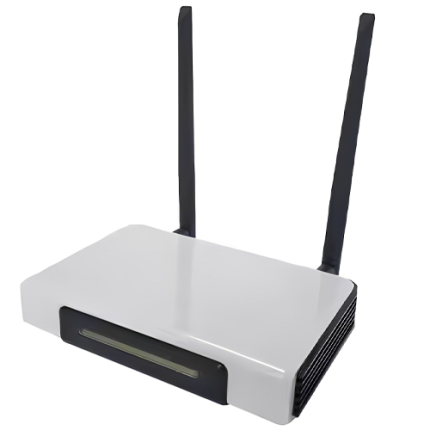
Advanced Indoor LoRaWAN Building Automation Gateway – GAOTek
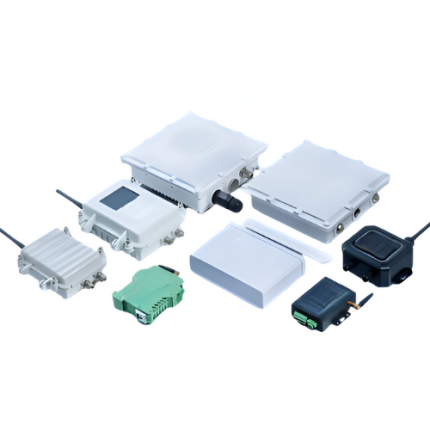

Advanced LoRaWAN Gateway for 4G, Ethernet, and Wi-Fi Wireless Data Transmission – GAOTek


Advanced LoRaWAN Gateway with Wi Fi and LTE Support – GAOTek

Bluetooth to LoRaWAN Gateway – GAOTek
Here are the LoRaWAN End Devices offered by GAO Tek:


8 Channel LoRaWAN Gateway with WiFi Ethernet US915 or EU868 – GAOTek

Advanced LoRa Communication Module and Power Protection – GAOTek


Advanced LoRaWAN Field Tester with GPS – GAOTek


Advanced LoRaWAN Ultrasonic Monitoring Sensor – GAOTek


Advanced LoRaWAN Wireless Pressure Temperature Sensor -GAOTek

Advanced Water Meter with TMR Technology – GAOTek


Agriculture Greenhouse IoT Sensor with LoRa Wireless – GAOTek
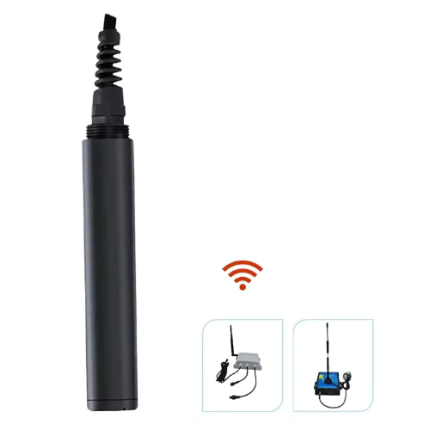
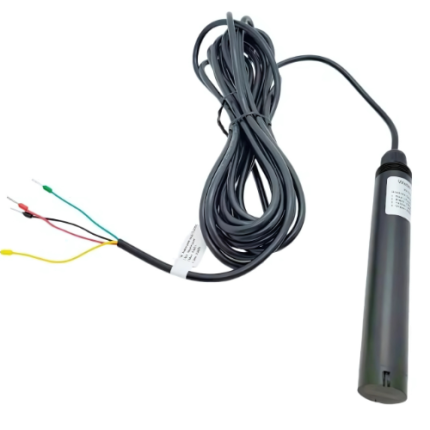
Aquaculture Water Turbidity Sensor with LoRaWAN – GAOTek
Navigation Menu for LoRaWAN
- LoRaWAN Gateways
- LoRaWAN End Devices
- LoRaWAN – Cloud, Server, PC & Mobile Systems
- LoRaWAN Accessories
- LoRaWAN Resources