


Comprehensive Guide for LoRaWAN Enabled Smart Stadiums and Entertainment Venues
Overview
The evolution of IoT has brought innovative solutions to the forefront of venue management, transforming traditional stadiums and entertainment venues into dynamic, smart spaces. These smart venues leverage IoT to enhance operational efficiency, improve safety, and provide an unparalleled experience for fans and visitors. Among the technologies driving this transformation, LoRaWAN (Long Range Wide Area Network) stands out for its ability to deliver secure, low-power, long-range connectivity, making it ideal for large-scale environments like stadiums and arenas.
LoRaWAN technology enables real-time data collection and communication across vast areas, even in complex environments. In the context of smart venues, it facilitates various applications, including smart ticketing, crowd management, environmental monitoring, and energy-efficient lighting systems. Additionally, LoRaWAN plays a pivotal role in ensuring seamless and secure integration with existing venue systems, creating a unified network that supports a wide array of IoT devices and applications.
This comprehensive guide explores the role of LoRaWAN in smart stadiums and entertainment venues, providing an in-depth understanding of the technology’s architecture, use cases, and implementation strategies. It discusses how LoRaWAN enhances venue operations, improves fan engagement, and delivers measurable business value through cost savings and increased revenue streams. The guide also addresses common challenges associated with deploying LoRaWAN in such environments and offers practical solutions to overcome them.
Below are products and systems related to this webpage:
- LoRaWAN Gateways
- LoRaWAN End Devices
- Long Life LoRaWAN Gateways & Hubs
- ATEX LoRaWAN Gateways & Hubs
- LoRaWAN – Cloud, Server, PC & Mobile Systems
- Outdoor LoRaWAN End Devices
- Long Life LoRaWAN End Devices
Our products are in stock can be shipped to anywhere in continental U.S. or Canada from our local warehouse. To purchase or for any further information, please fill out this form or email us.
We are actively looking for partners who are like us located in the U.S. and Canada. For more information on partnering with GAO, please visit Partner with GAO Tek Inc. It lists various ways to partner with GAO, such as OEM Partnerships, Technology Integration, Distribution and Reselling Opportunities, Presenting at the Leading Event Tek Summit, Joint R&D Projects, Training and Consulting Services, Industry-Specific Collaborations, Research and Academic Partnerships.
1. Introduction to Smart Stadiums and Entertainment Venues
The rapid evolution of technology has transformed the way people experience entertainment and sports. Smart stadiums and entertainment venues utilize advanced Internet of Things (IoT) technologies to enhance operational efficiency, improve fan engagement, and ensure safety. These venues integrate connected devices to offer real-time data, intelligent automation, and seamless experiences.
For businesses like GAO Tek Inc., headquartered in New York City and Toronto, Canada, providing state-of-the-art IoT solutions for smart venues is part of our commitment to innovation. With over four decades of expertise and extensive R&D investments, GAO Tek has supported customers, including Fortune 500 companies, government agencies, and leading universities, in leveraging IoT to meet the growing demands of the entertainment sector.
1.1 Introduction to LoRaWAN Technology
LoRaWAN (Long Range Wide Area Network) is a low-power, long-range wireless communication protocol designed specifically for IoT applications. It enables devices to transmit small amounts of data over large distances while consuming minimal energy, making it ideal for massive-scale deployments in smart stadiums and venues.
LoRaWAN operates in unlicensed radio spectrum bands and features excellent signal penetration, allowing connectivity even in dense environments. Its architecture, composed of end devices, gateways, and network servers, is scalable and secure, providing the infrastructure needed for reliable communication in complex environments like stadiums.
GAO Tek specializes in providing LoRaWAN-enabled solutions tailored to the unique needs of smart venues. With stringent quality assurance processes and expert support available onsite or remotely, we ensure seamless integration and optimized performance of LoRaWAN systems. Our technology empowers venue managers to implement innovative solutions while maintaining cost efficiency and robust security standards.
1.2 Why LoRaWAN for Smart Venues?
LoRaWAN stands out as a preferred IoT technology for smart stadiums and entertainment venues for several reasons:
- Scalability and Coverage: LoRaWAN’s extensive range and high device capacity make it ideal for connecting thousands of IoT devices across sprawling stadiums or entertainment complexes. Its ability to penetrate obstacles ensures uninterrupted connectivity in dense or underground areas, such as parking garages and concession stands.
- Low Power Consumption: IoT devices in smart venues, such as environmental sensors and ticketing systems, rely on battery power for extended periods. LoRaWAN’s energy efficiency minimizes maintenance costs and maximizes device uptime.
- Cost-Effectiveness: LoRaWAN operates on unlicensed spectrum bands, reducing operational costs for venue operators compared to cellular IoT technologies. This affordability allows venues to deploy extensive networks without compromising performance.
- Security and Reliability: With built-in encryption and secure data transmission protocols, LoRaWAN ensures the safety and privacy of user data, an essential requirement for entertainment venues managing high volumes of sensitive information.
GAO Tek’s expertise in LoRaWAN solutions enables us to address the complex needs of modern smart venues. We help our clients unlock the full potential of LoRaWAN by delivering customized solutions for fan experience enhancement, real-time operational insights, and environmental sustainability. Whether you are looking to implement crowd monitoring systems or optimize resource utilization, GAO Tek provides end-to-end support, ensuring your venue is future-ready.
2. Architecture of LoRaWAN in Smart Venues
2.1 Key Components of LoRaWAN
LoRaWAN architecture consists of several integral components that ensure efficient and secure communication across large venues like stadiums and entertainment complexes:
- End Devices: These are the IoT sensors or actuators deployed throughout the venue. Examples include environmental monitors, smart lighting controllers, and occupancy sensors. These devices use LoRa modulation to send data to gateways.
- Gateways: Acting as the bridge between end devices and the network server, gateways collect data from IoT devices and forward it to the LoRaWAN network server using backhaul connectivity (e.g., Ethernet or cellular networks). Strategically placed, gateways ensure comprehensive coverage across the venue, including areas with poor signal penetration.
- Network Server: The brain of the LoRaWAN architecture, the network server manages device authentication, routing, and data deduplication. It ensures that only valid devices communicate on the network while efficiently directing messages to the appropriate application servers.
- Application Server: This server processes data from end devices and provides actionable insights. For example, it can trigger an alert if a device detects unsafe crowd density in a specific zone of the stadium.
GAO Tek Inc., with its headquarters in New York City and Toronto, Canada, specializes in providing high-performance LoRaWAN components tailored for smart venues. We ensure seamless communication between these elements, backed by stringent quality assurance and R&D investments. Our solutions cater to diverse requirements, from large-scale deployments to advanced analytics.
2.2 System Integration in Stadiums and Venues
Integrating LoRaWAN technology into a smart venue involves thoughtful planning and execution to ensure full-scale connectivity and functionality.
- Network Design and Deployment: Stadiums are complex environments with high-density crowds and structural barriers. A thorough site survey is crucial to determining the optimal number and placement of gateways for maximum coverage.
- IoT Device Deployment: Devices are installed across various zones, such as seating areas, entry points, concession stands, and parking lots, to monitor parameters like occupancy, environmental conditions, and resource usage.
- Data Flow and Processing: Once deployed, devices transmit data to gateways, which forward it to the network server. The server authenticates, processes, and routes the data to application servers for actionable insights. For instance, real-time data on air quality can prompt automated adjustments to HVAC systems.
- Integration with Existing Systems: Modern venues often have pre-existing IT infrastructure, including ticketing, security, and lighting systems. LoRaWAN integrates seamlessly with these systems, enhancing their capabilities while reducing redundancy.
GAO Tek offers end-to-end solutions for system integration, ensuring that all components work cohesively. With four decades of expertise, we’ve served Fortune 500 companies, government agencies, and prestigious research institutions, equipping them with reliable and scalable IoT solutions.
2.3 Security Considerations
Security is paramount in smart venues, where large-scale data transmission occurs over IoT networks. LoRaWAN incorporates robust security features to safeguard data and prevent unauthorized access:
- End-to-End Encryption: LoRaWAN uses AES-128 encryption at the device, network, and application layers, ensuring that data remains secure during transmission.
- Device Authentication: Only authenticated devices are allowed to communicate on the network. This prevents rogue devices from infiltrating the system.
- Data Integrity: LoRaWAN protocols include mechanisms to detect and reject altered or corrupted data, maintaining the integrity of transmitted information.
- Network Isolation and Access Control: Segmented networks and controlled access policies further protect sensitive data and critical systems in smart venues.
At GAO Tek, we prioritize security in all our solutions. Our stringent quality assurance processes and expert support ensure secure deployment and operation of LoRaWAN systems. Additionally, our team provides tailored security recommendations for venue operators, enabling compliance with industry standards and regulations.
3. Applications and Use Cases
3.1 Smart Ticketing and Access Control
Smart ticketing and access control systems leverage LoRaWAN to enhance venue security and streamline the entry process. By using IoT-enabled smart tickets, venues can automate the admission process, reducing wait times and improving the overall fan experience. LoRaWAN-based solutions offer real-time monitoring of ticket validity, ensuring only authorized personnel and guests enter restricted areas. These systems can integrate seamlessly with other security technologies like facial recognition or RFID, enabling venues to have a robust, multi-layered security infrastructure.
GAO Tek Inc. specializes in providing advanced ticketing solutions that integrate LoRaWAN technology, offering a secure and scalable option for high-traffic venues. Our systems allow for the efficient deployment of access control mechanisms and ticket validation systems across large event spaces, ensuring smooth operations and reducing the chances of fraud.
3.2 Environmental Monitoring and Management
Environmental sustainability is a critical concern for modern stadiums and entertainment venues. LoRaWAN enables the real-time monitoring of key environmental parameters, such as temperature, humidity, air quality, and noise levels. IoT sensors deployed throughout the venue can continuously track these metrics, helping venue managers identify potential issues before they escalate.
Additionally, LoRaWAN-based solutions can trigger automated actions based on sensor readings, such as adjusting HVAC systems when temperature or humidity thresholds are exceeded. This leads to reduced energy consumption and greater operational efficiency.
GAO Tek provides end-to-end environmental monitoring solutions, enabling venues to ensure a safe and comfortable experience for visitors while optimizing energy usage. With our decades of experience in IoT technology, we ensure that environmental data is processed in real time, allowing quick decision-making and efficient resource management.
3.3 Crowd Management and Safety
Managing large crowds in stadiums or entertainment venues presents a significant challenge, especially during high-profile events. LoRaWAN-enabled systems help ensure the safety and security of attendees by monitoring crowd density and behavior in real-time. IoT sensors can track the movement of people throughout the venue, detecting bottlenecks or dangerous crowding in certain areas.
LoRaWAN technology also facilitates the monitoring of emergency exits and evacuation routes, ensuring that in the event of an emergency, crowds can be safely and efficiently guided to exits. Alerts can be sent to security personnel or event coordinators if dangerous situations arise.
GAO Tek’s IoT solutions integrate seamlessly with crowd management systems, offering real-time analytics and data-driven insights to enhance safety protocols. Our expertise in deploying large-scale, secure LoRaWAN networks ensures that every square foot of the venue is covered for crowd safety and emergency management.
3.4 Smart Lighting and Display Systems
Smart lighting systems powered by LoRaWAN technology enable venues to dynamically adjust lighting based on the time of day, occupancy, or event-specific needs. This can significantly enhance energy efficiency, as lights can be turned off or dimmed in areas that are not in use, saving energy without compromising the experience of visitors.
LoRaWAN also supports the management of large digital displays throughout a stadium or entertainment venue. These displays can show event-related information, advertisements, and emergency notifications in real time. LoRaWAN-enabled lighting and displays can be synchronized for coordinated, visually engaging experiences that enhance fan enjoyment and brand exposure.
GAO Tek helps smart venues deploy robust and scalable lighting and display systems that are both cost-effective and energy-efficient. Our solutions ensure that venues can create the desired atmosphere while reducing energy consumption and maintenance costs.
3.5 Enhanced Fan Experience
LoRaWAN plays a vital role in enhancing the overall fan experience at stadiums and entertainment venues. By using connected devices, fans can access real-time information about seating availability, restroom occupancy, food and beverage orders, and event schedules through their smartphones or venue-provided devices. Additionally, fans can receive personalized offers, notifications, and promotions based on their location within the venue, improving engagement.
For example, LoRaWAN-based systems can offer real-time updates on crowd density, helping fans find less crowded areas and reducing wait times. The ability to track and manage device interactions in real time enables event organizers to offer a more personalized, enjoyable experience for each fan.
GAO Tek’s LoRaWAN solutions are tailored to create a seamless, integrated fan experience, empowering venue operators to deliver a high-quality experience that keeps fans coming back. Our expertise in IoT technology ensures that every aspect of the fan experience is connected and optimized for maximum satisfaction.
3.6 Operational Efficiency
In large venues, operational efficiency is key to reducing costs, improving service delivery, and ensuring smooth operations. LoRaWAN-powered systems can automate many aspects of venue management, such as inventory control, facility maintenance, and waste management.
For instance, LoRaWAN-enabled sensors can track asset usage and condition, alerting staff to maintenance needs before equipment breaks down. Smart waste management solutions can monitor trash levels in real-time, optimizing waste collection routes and schedules.
GAO Tek provides comprehensive solutions for operational efficiency, including automated systems for asset tracking, resource optimization, and real-time data analytics. Our products help venues run more smoothly, with reduced labor costs and fewer operational disruptions.
3.7 GAO Case Studies
USA
- Chicago, Illinois
A large sports stadium in Chicago implemented LoRaWAN-based environmental monitoring systems to optimize energy consumption. The sensors tracked HVAC and lighting conditions in real-time, leading to significant savings in energy costs. - Los Angeles, California
In Los Angeles, a major entertainment venue integrated LoRaWAN-based crowd management tools to monitor attendee movement during concerts. The system helped avoid overcrowding in specific areas, enhancing safety and fan experience. - Dallas, Texas
A sports stadium in Dallas leveraged LoRaWAN-powered smart ticketing and access control systems. The solution sped up the entry process and improved security by ensuring only authorized individuals accessed restricted areas. - Miami, Florida
LoRaWAN-based smart lighting and display systems were deployed in a Miami-based venue to enhance visual experiences for concertgoers. Automated lighting adjustments created the perfect ambiance based on crowd size and event type. - Houston, Texas
LoRaWAN-enabled environmental sensors were used to monitor air quality and temperature in a large sports complex. The data helped adjust indoor climate control systems, creating a more comfortable environment for spectators. - Atlanta, Georgia
In Atlanta, a football stadium implemented LoRaWAN for crowd safety. The system tracked crowd density and provided real-time alerts to security personnel, ensuring smooth crowd flow during large events. - New York City, New York
A world-renowned sports venue in New York City utilized LoRaWAN-based environmental monitoring to track temperature and humidity levels across different zones, ensuring compliance with health and safety standards. - San Francisco, California
In San Francisco, a concert venue adopted LoRaWAN technology to provide enhanced fan experiences. Mobile app integration allowed fans to receive real-time updates on event schedules, food availability, and restroom occupancy. - Seattle, Washington
A major convention center in Seattle implemented LoRaWAN-powered smart ticketing systems. The venue improved crowd management and reduced entry delays by enabling contactless ticket validation and access control. - Washington, D.C.
A large-scale entertainment venue in Washington, D.C. used LoRaWAN for smart waste management. IoT sensors monitored trash levels throughout the venue, improving waste collection efficiency and reducing labor costs. - Boston, Massachusetts
LoRaWAN was used to monitor and control energy usage at a historic stadium in Boston. The system optimized HVAC operations, reducing energy consumption and costs while maintaining comfortable temperatures for attendees. - Las Vegas, Nevada
LoRaWAN sensors were installed in a Las Vegas venue to monitor air quality and noise levels during events. The data was used to adjust environmental controls and ensure an optimal atmosphere for guests. - Detroit, Michigan
In Detroit, a new arena utilized LoRaWAN for integrated access control. The system streamlined the guest entry process, reducing wait times and providing real-time crowd tracking for enhanced security. - Philadelphia, Pennsylvania
A sports stadium in Philadelphia implemented LoRaWAN-based environmental monitoring to ensure optimal conditions for both players and fans, including real-time adjustments to indoor climate systems based on sensor data. - Minneapolis, Minnesota
LoRaWAN sensors were used in a large entertainment complex in Minneapolis to track venue capacity and ensure social distancing during high-traffic events, improving overall safety and reducing overcrowding.
Canada
- Toronto, Ontario
In Toronto, a large multi-purpose venue used LoRaWAN technology for crowd management. The system enabled real-time tracking of attendee movements, improving safety and facilitating smoother crowd transitions. - Vancouver, British Columbia
A major stadium in Vancouver adopted LoRaWAN-powered environmental management tools to monitor and adjust lighting and temperature during events, reducing energy consumption and enhancing the fan experience.
4. Technical Implementation
4.1 Deployment Planning
Deploying a LoRaWAN network in a smart stadium or entertainment venue requires careful planning and analysis to ensure the system’s efficiency and scalability. The first step in the deployment process is to conduct a comprehensive site survey, evaluating the size of the venue, the areas that need coverage, and the specific use cases for the IoT devices.
Key considerations during deployment planning include:
- Coverage and Range: LoRaWAN networks can cover vast areas, making them ideal for large venues. However, factors like building material, interference, and crowd density can affect signal propagation. Proper placement of gateways is crucial to ensure robust connectivity.
- Device Density: In high-traffic areas, large numbers of devices may be deployed. The planning stage must ensure the system can handle these devices without data congestion or signal interference.
- Network Architecture: The design of the network’s architecture is pivotal for optimal performance. A star topology is typically used in LoRaWAN networks, where end devices communicate with gateways, which then relay data to a central server. Ensuring redundancy and fault tolerance in network design is essential for minimizing disruptions.
- Scalability: As stadiums and venues grow, so too will the number of devices and the amount of data generated. Planning for future scalability, both in terms of network expansion and data processing capabilities, is a key component of the deployment.
At GAO Tek, we work closely with our clients to create tailored deployment plans for LoRaWAN networks. With our deep expertise in the field, we ensure that every aspect of the network design – from coverage to scalability – aligns with the client’s long-term goals.
4.2 Installation and Configuration
Once the deployment plan is finalized, the installation and configuration process begins. This step involves setting up the hardware components (such as IoT devices, gateways, and servers) and ensuring they are properly configured to communicate with each other within the LoRaWAN network.
The installation and configuration process typically includes:
- IoT Device Installation: Devices, such as environmental sensors, ticketing systems, and crowd management tools, are installed across the venue. The location and positioning of each device are crucial for optimal performance and accurate data collection. This step also involves calibrating devices to ensure accurate readings.
- Gateway Setup: LoRaWAN gateways are strategically positioned to ensure comprehensive coverage. These gateways act as the communication bridges between end devices and the central network server. Configuring the gateways to handle multiple simultaneous connections and ensuring network security protocols are in place is vital.
- Network Server Configuration: The network server serves as the central hub for processing and managing the data sent by the LoRaWAN devices. It is essential to configure the server to handle incoming data efficiently, manage device lifecycles, and ensure data security. The server also integrates with existing venue management software and third-party systems.
- Security Protocols: Given the sensitive nature of data within smart venues, robust security measures are implemented at every layer of the network, from device encryption to secure communication between devices and servers. LoRaWAN features built-in end-to-end encryption, but additional security layers, such as firewalls and VPNs, are often used to further safeguard the system.
At GAO Tek, our expert team handles the entire installation and configuration process, ensuring that every device is properly installed and configured to meet the specific needs of the venue. We focus on optimizing the network for performance and security while also providing post-installation support.
4.3 Maintenance and Scalability
Once the LoRaWAN network is up and running ongoing maintenance and scalability planning are crucial to ensure the system remains operational and adaptable to future needs. LoRaWAN networks are designed for low-power consumption and long-range communication, but their performance and reliability must be regularly monitored.
Key aspects of maintenance and scalability include:
- Network Monitoring and Diagnostics: Continuous monitoring of the network ensures that any issues, such as communication failures or device malfunctions, are identified and addressed promptly. Tools that provide real-time diagnostics and alert system administrators of any issues are essential to minimizing downtime.
- Device Maintenance and Updates: Regular maintenance of IoT devices ensures that sensors and other devices continue to perform optimally. This includes firmware updates, battery replacements, and recalibration of sensors. A proactive approach to device lifecycle management reduces the risk of unexpected failures during high-traffic events.
- Scalability Considerations: As the venue grows and more devices are added, the network must be able to scale accordingly. LoRaWAN’s architecture is inherently scalable, allowing for the addition of more gateways and end devices without significant disruptions to the existing infrastructure. GAO Tek helps design and implement systems that grow with your venue, ensuring that future expansions or upgrades can be easily integrated into the existing network.
- Data Processing and Storage: As more devices generate data, the volume of data being processed and stored increases. Ensuring that data processing systems can handle the increased load, while maintaining fast and reliable access to the data, is critical for long-term network success. GAO Tek works with clients to implement cloud-based storage solutions or on-premises servers that can scale with the growing demands of the venue.
GAO Tek’s commitment to customer support extends beyond installation, providing clients with ongoing maintenance and scalability solutions. Our experienced team offers both remote and onsite support to ensure that your LoRaWAN network continues to operate smoothly, enabling you to focus on delivering a world-class experience for your guests.
5. Challenges and Solutions
5.1 Technical Challenges
LoRaWAN technology, while highly effective for large-scale IoT networks, does present a variety of technical challenges when implemented in smart stadiums and entertainment venues. These challenges need to be addressed with careful planning and a robust implementation strategy.
- Coverage and Signal Propagation
Large venues, such as stadiums, require expansive network coverage and signal propagation can be impacted by physical obstructions (e.g., walls, seating structures) and interference from other wireless systems. LoRaWAN is capable of long-range communication, but in dense environments, maintaining consistent signal strength can be a challenge.
Solution: Optimal placement of gateways and repeaters ensures better coverage. Using advanced radio planning tools and employing multi-tiered gateway configurations helps overcome issues related to signal obstruction and interference.
- Network Capacity and Device Density
In stadiums or large entertainment venues, the density of IoT devices can rapidly increase, particularly during major events. LoRaWAN networks can support millions of devices, but data congestion and interference may become an issue when device traffic spikes.
Solution: A well-designed network with strategically placed gateways, coupled with periodic data transmission (instead of continuous streaming), reduces congestion. GAO Tek assists in planning and deploying LoRaWAN networks to effectively manage high device density while ensuring optimal data throughput.
- Security Risks
Like any IoT network, LoRaWAN is susceptible to potential security breaches, including eavesdropping and unauthorized access to data. Ensuring the integrity and confidentiality of sensitive information is paramount, especially in public venues.
Solution: LoRaWAN’s built-in AES encryption ensures secure data transmission between devices and gateways. Additionally, incorporating firewalls, VPNs, and strong authentication protocols during network setup further enhances the security of smart venue deployments.
At GAO Tek, we provide comprehensive technical support and guidance to address these challenges, ensuring the deployment of a secure and reliable LoRaWAN network.
5.2 Operational Challenges
The operation of a LoRaWAN-based IoT network within a stadium or entertainment venue involves various logistical and operational hurdles. These can impact both day-to-day functions and the overall user experience.
- Device Maintenance and Lifecycle Management
Managing the lifecycle of numerous IoT devices within a venue can be daunting. Devices require regular maintenance, calibration, and battery replacement, which can lead to downtime if not efficiently handled.
Solution: Implementing a proactive maintenance schedule and using remote monitoring tools to track device status allows for quick identification of devices that need attention. GAO Tek provides IoT devices designed for ease of maintenance, and we help implement systems to streamline lifecycle management.
- System Integration
Integrating LoRaWAN-enabled IoT devices with existing systems, such as stadium management platforms, ticketing, and security infrastructure, can present significant operational challenges.
Solution: GAO Tek’s team of experts works closely with clients to ensure seamless integration between new and existing systems. We assist in developing customized solutions that streamline the flow of data across multiple platforms, reducing operational friction.
- Real-Time Data Processing
Handling the large volumes of data generated by IoT devices in real time is another major challenge. Timely analysis of this data is essential for effective decision-making, especially in a high-pressure environment like a stadium.
Solution: GAO Tek helps implement advanced data analytics platforms capable of processing large data streams in real-time. By leveraging cloud-based computing and edge processing, data can be quickly analyzed, leading to immediate insights that inform operational decisions.
5.3 Overcoming Challenges
Addressing the challenges in deploying and operating a LoRaWAN network in a smart stadium or entertainment venue requires a comprehensive approach that combines advanced technology, expertise, and strategic planning.
- Proactive Network Monitoring
Continuous monitoring of network health is critical to identify any technical or operational issues before they escalate. Automated monitoring tools can provide real-time diagnostics, allowing for quick troubleshooting.
Solution: GAO Tek integrates sophisticated monitoring systems to ensure the network is functioning optimally. Our solutions offer real-time alerts and diagnostics, enabling fast resolutions to potential problems, minimizing downtime, and maintaining a high-quality experience for users.
- Flexible and Scalable Solutions
As stadiums and entertainment venues evolve, so do their technology needs. Scalability becomes a significant challenge when the network must grow to accommodate more devices or handle higher data traffic during large events.
Solution: LoRaWAN’s inherent scalability allows for easy network expansion. GAO Tek works with venues to design flexible networks that can grow as needed. Whether through adding more gateways or expanding data processing capabilities, we ensure that the system remains adaptable to future demands.
- Collaborating with Industry Experts
Operational success often depends on collaborating with vendors, technology partners, and system integrators who have extensive experience with large-scale IoT deployments.
Solution: At GAO Tek, our team is dedicated to providing expert support throughout the entire deployment and operational lifecycle. We work closely with our clients to tailor solutions that meet their specific needs, ensuring a seamless experience.
6. Business and ROI Analysis
6.1 Economic Benefits of LoRaWAN Smart Venues
Integrating LoRaWAN technology into smart stadiums and entertainment venues can drive significant economic benefits for venue owners, operators, and stakeholders. From enhancing operational efficiency to creating new revenue streams, LoRaWAN offers substantial cost savings and improved service offerings. These economic advantages are essential to justify the initial investment in the technology.
- Cost Savings and Operational Efficiency
By utilizing LoRaWAN-enabled IoT devices, venues can optimize their resources, reduce operational overheads, and improve staff productivity. Smart ticketing systems, for example, eliminate the need for paper tickets and manual entry processes, reducing labor costs and minimizing human error. Automated environmental monitoring reduces the cost of utility management and ensures that energy resources like lighting and HVAC systems are only used when necessary, saving on energy bills.
GAO Tek’s LoRaWAN solutions, such as sensor networks for environmental management, can help reduce waste and lower utility costs, which can significantly reduce annual operational expenses. - Enhanced Customer Experience and Revenue Generation
LoRaWAN technology enhances the fan experience through services such as personalized content delivery, location-based promotions, and smart ticketing systems. This, in turn, can help drive increased engagement and revenue from concessions, merchandise, and premium services. For example, fans can receive real-time updates on their smartphones regarding seat availability, restroom locations, or in-venue promotions, improving their experience and increasing their spending.
GAO Tek can provide the technology stack necessary for seamless communication between IoT devices, enabling venues to offer these enhanced services. - Proactive Maintenance and Asset Management
LoRaWAN-powered asset tracking and condition monitoring provide real-time data on the state of various equipment and infrastructure in a venue. This enables proactive maintenance, reducing the likelihood of downtime and preventing costly repairs or replacements. By managing the lifecycle of assets more efficiently, venues can extend the life of their equipment and reduce the capital expenditure required for replacements.
GAO Tek’s asset management solutions can provide venues with the tools to continuously monitor critical assets and optimize their maintenance schedules, ensuring longevity and reducing costs. - Scalable Infrastructure for Future Growth
LoRaWAN’s scalable architecture allows smart venues to easily expand their systems as demand grows. Whether it’s adding more sensors for crowd management or incorporating new applications like smart lighting, the technology is flexible enough to grow alongside the venue’s evolving needs. This scalability ensures that the initial investment remains valuable over the long term without requiring significant reinvestments in infrastructure.
GAO Tek ensures that the LoRaWAN infrastructure we design for clients is future-proof, enabling seamless integration of new technologies and applications as they become available.
6.2 Calculating ROI for LoRaWAN Implementations
When implementing LoRaWAN technology in a smart stadium or entertainment venue, calculating the return on investment (ROI) is essential for evaluating the financial viability of the project. The ROI analysis should consider both tangible and intangible benefits that arise from LoRaWAN adoption.
- Direct Financial Benefits
The first step in calculating ROI is to assess the direct financial benefits derived from the implementation. These include:
- Operational Cost Savings: Reductions in energy, staffing, and maintenance costs, as discussed above.
- Increased Revenue: New revenue streams from enhanced fan experiences, targeted advertising, and premium services.
- Reduced Downtime: The cost savings from proactive maintenance and reduced system failures.
To calculate the direct financial benefits, you would subtract the annual operating costs (post-implementation) from the savings and additional revenue generated by LoRaWAN technology. For example, if a venue saves $100,000 annually on operational costs and generates $200,000 in additional revenue, the total direct benefit would be $300,000 per year.
- Indirect Financial Benefits
Indirect financial benefits may include:
- Brand Value: A venue that offers cutting-edge smart technology can attract more fans, increase its reputation, and partner with high-profile sponsors. This could translate to higher ticket prices, more lucrative sponsorship deals, and better marketing opportunities.
- Fan Loyalty: Enhanced customer satisfaction, which can lead to repeat visits and increased customer lifetime value. Loyal fans may be more likely to buy season passes, merchandise, and tickets to additional events.
While it is more challenging to quantify these benefits, they play an important role in the venue’s overall profitability. Estimating a reasonable increase in ticket sales or sponsorship revenue can help gauge the indirect ROI.
- Break-Even Point
The break-even point is the time it will take for the venue to recover its initial investment in LoRaWAN technology. For example, if the total investment required for LoRaWAN deployment is $1,000,000 and the venue expects to generate $300,000 in annual savings and additional revenue, the break-even point would be approximately 3.33 years.
GAO Tek can help streamline this calculation by assisting in the estimation of installation, operational, and maintenance costs, and also providing detailed projections based on real-world data from similar projects. - Long-Term ROI
Over time, the benefits from LoRaWAN deployments compound as the venue expands its IoT ecosystem. For example, the incremental addition of sensors or smart applications over time can further reduce operational costs, enhance the fan experience, and improve the overall profitability of the venue. This long-term perspective can show a far higher ROI as the network scales, compared to a short-term, one-time benefit calculation. - Risk Mitigation
ROI analysis also involves considering the risk of not adopting new technologies. In a competitive environment where fan engagement and operational efficiency are paramount, failing to modernize could lead to missed opportunities. By deploying LoRaWAN solutions, a venue can stay ahead of the curve, minimize operational risks, and avoid costly competitive disadvantages in the marketplace.
GAO Tek’s expertise in providing advanced IoT solutions and our experience with large-scale deployments ensure that venues can achieve optimal ROI. Our comprehensive support and guidance throughout the deployment process help to reduce risk and maximize the financial return on technology investments.
7. Future Trends and Innovations
7.1 Emerging Technologies in Smart Venues
As the demand for more immersive, efficient, and user-friendly experiences in stadiums and entertainment venues grows, a range of emerging technologies will shape the future of smart venues. These technologies promise to elevate the fan experience, optimize venue operations, and unlock new business opportunities for owners and operators.
- 5G Connectivity and Beyond
5G networks will play a pivotal role in transforming smart venues. With ultra-low latency and high bandwidth, 5G will enable real-time data sharing, seamless live streaming, and the deployment of advanced technologies like augmented reality (AR) and virtual reality (VR) in venues. This will not only improve fan engagement but also allow for more precise crowd control and management, as data can be transmitted and processed in real-time. GAO Tek can assist venues in integrating 5G-compatible devices and systems to ensure seamless connectivity and efficient data flow. - Augmented and Virtual Reality (AR/VR)
AR and VR are set to revolutionize how fans engage with live events. VR will enable fans to experience events from remote locations as if they were physically present, while AR will enhance the in-venue experience by overlaying real-time statistics, player information, and replays onto fans’ mobile devices. The integration of AR/VR with LoRaWAN can create a hyper-interactive experience by delivering personalized content based on fan location and behavior within the venue. GAO Tek’s advanced IoT systems can serve as a backbone for these immersive technologies, providing the necessary infrastructure to deliver real-time, high-quality experiences. - Artificial Intelligence (AI) and Machine Learning
AI and machine learning are becoming essential for optimizing operations within smart venues. AI-powered systems can predict crowd behavior, optimize energy consumption, automate security monitoring, and personalize fan experiences. Machine learning algorithms can analyze historical data to predict peak attendance times and adjust resources such as staffing, concessions, and restroom facilities. LoRaWAN-enabled sensors can collect the necessary data for AI algorithms to work efficiently. GAO Tek’s experience in developing IoT-based AI systems positions us to support the integration of these cutting-edge solutions. - Blockchain for Ticketing and Security
Block chain technology offers decentralized and secure solutions for ticketing systems. By using block chain, venues can prevent ticket fraud, manage resale transactions securely, and offer fans a transparent and reliable ticket purchasing experience. GAO Tek can assist in implementing block chain systems for ticketing, ensuring that smart venues benefit from enhanced security and operational transparency. - Smart Wearables and Devices
Smart wearables, such as wristbands or smart glasses, are increasingly being used to improve the fan experience. These devices can provide access control, location-based services, personalized content delivery, and payment options. The data collected by wearables can be integrated with the LoRaWAN network to provide valuable insights into fan behavior and preferences. GAO Tek provides the IoT infrastructure required to support the integration of smart wearables, ensuring they are seamlessly connected to venue systems.
7.2 Evolving Standards and Protocols
As IoT adoption in smart venues accelerates, the need for unified standards and protocols becomes crucial to ensure interoperability, security, and scalability. While LoRaWAN offers a solid foundation for long-range, low-power communication, evolving industry standards and protocols will shape the future of smart venue ecosystems.
- Integration with Other IoT Protocols
The future of smart venues will require the integration of multiple IoT protocols, such as Zigbee, Bluetooth Low Energy (BLE), and Wi-Fi, with LoRaWAN. While LoRaWAN excels in long-range communication, other protocols may be better suited for short-range or high-speed data transfer. As the IoT ecosystem evolves, standardization efforts will focus on ensuring these protocols can work together seamlessly, creating a unified and cohesive network. GAO Tek’s expertise in IoT architecture will help smart venues build systems that integrate various communication technologies while maintaining efficiency and reliability. - Interoperability Standards
The growth of IoT in smart venues means that a wide variety of devices and systems will need to communicate with each other. Emerging standards, such as the Open IoT Standards or the OCF (Open Connectivity Foundation) standards, aim to establish interoperability between devices, making it easier for vendors to offer compatible solutions. GAO Tek is well-positioned to help smart venue operators navigate this evolving landscape and ensure that all IoT devices, sensors, and systems are fully interoperable, regardless of the manufacturer. - Data Privacy and Security Standards
With the increase in data collection and sharing across various IoT devices, the importance of robust security and data privacy protocols cannot be overstated. The implementation of secure communication standards like the TLS (Transport Layer Security) protocol, as well as compliance with data privacy regulations such as GDPR (General Data Protection Regulation) and CCPA (California Consumer Privacy Act), will become paramount. GAO Tek’s solutions are designed with robust security features to help ensure that smart venues comply with these evolving privacy and security standards. - Edge Computing and Cloud Integration
Edge computing allows data to be processed closer to the source, reducing latency and bandwidth requirements. For real-time decision-making and performance analytics, integrating edge computing with cloud-based solutions will be essential. Smart venues will leverage both edge and cloud computing to process vast amounts of data from IoT devices efficiently. GAO Tek’s expertise in deploying scalable edge computing solutions, along with cloud integration, will enable venues to handle complex data needs while maintaining security and operational efficiency.
7.3 Vision for the Future of Entertainment Venues
The future of entertainment venues lies in creating immersive, connected, and intelligent environments that enhance the fan experience while optimizing operational efficiency. The vision for these venues is one of seamless integration between physical spaces and digital technology, resulting in an environment that adapts to the needs of attendees and staff alike.
- Hyper-Personalized Fan Experiences
By integrating IoT sensors, AI, and advanced analytics, venues will be able to offer hyper-personalized experiences for fans. This may include real-time recommendations for food, beverage, or merchandise based on personal preferences, location, and past purchasing behavior. Fans could receive tailored content, such as player statistics, replays, or live event updates, directly to their smartphones or wearables. GAO Tek’s advanced solutions will help venues provide the technology infrastructure necessary for delivering these highly personalized experiences. - Sustainable and Energy-Efficient Venues
Sustainability will be a core focus in the development of future smart venues. Advanced energy management systems, powered by IoT sensors and LoRaWAN networks, will enable venues to reduce their environmental footprint. Real-time monitoring of energy consumption, water usage, and waste generation will allow venues to make data-driven decisions that reduce energy costs and support sustainability goals. GAO Tek’s energy-efficient solutions are designed to optimize resource use and minimize waste, helping smart venues become more sustainable. - Autonomous Venue Operations
In the future, many operational processes within smart venues could be automated. AI, coupled with real-time data from IoT devices, will allow for automated crowd management, predictive maintenance, smart inventory management, and even autonomous delivery systems for food and beverages. This will not only reduce labor costs but also enhance the efficiency and speed of venue operations. GAO Tek’s expertise in IoT automation ensures that smart venues are prepared for this next stage of operational evolution. - Immersive Live Entertainment
With advancements in AR/VR, 5G connectivity, and immersive content, the future of live entertainment will blur the lines between physical and virtual spaces. Fans could attend events remotely using VR headsets, experiencing the event as though they were physically present, or interacting with holographic displays within the venue. LoRaWAN and IoT systems will be essential in delivering these experiences, ensuring seamless communication between devices and providing real-time data to personalize the experience for each fan. GAO Tek is ready to provide the technologies that will enable these futuristic experiences.
As the industry continues to evolve, GAO Tek will remain at the forefront of innovation, helping smart venues embrace these emerging technologies and create the entertainment environments of tomorrow.
8. Conclusion
8.1 Recap of Key Insights
In this guide, we have explored the transformative potential of LoRaWAN technology in smart stadiums and entertainment venues. As the world of sports, entertainment, and live events continues to evolve, LoRaWAN offers a robust, cost-effective, and scalable solution to meet the growing demands for connectivity, automation, and real-time data insights.
We began by discussing the architecture of LoRaWAN in smart venues, highlighting its long-range, low-power capabilities, and how it integrates seamlessly with other IoT technologies to create a connected, intelligent environment. LoRaWAN’s ability to handle vast amounts of sensor data and enable real-time decision-making is a game-changer for stadium and venue operations.
Through various applications and use cases, we examined how LoRaWAN is driving innovation in areas such as crowd management, predictive maintenance, smart ticketing, and personalized fan experiences. By facilitating efficient and seamless communication between devices, LoRaWAN ensures that both venue operators and attendees benefit from enhanced operational efficiency and user satisfaction.
The technical implementation of LoRaWAN networks in venues requires thoughtful planning, from selecting the right sensors to ensuring network coverage across large areas. While there are challenges to be addressed, including technical and operational hurdles, these can be mitigated with the right strategies and expert support. GAO Tek, with its extensive experience in IoT solutions, is well-positioned to assist with these implementations.
From a business perspective, LoRaWAN not only supports operational efficiency but also delivers measurable returns on investment. We discussed how the economic benefits and ROI of LoRaWAN implementations can be calculated, offering venues a clear picture of the value of their investment. From reducing costs through predictive maintenance and energy management to increasing revenue by improving fan engagement, LoRaWAN provides a foundation for growth and long-term profitability.
Looking forward, we also delved into the emerging technologies shaping the future of entertainment venues. The integration of 5G, AI, VR/AR, and blockchain with LoRaWAN will take the fan experience and venue operations to the next level. As these technologies evolve, standards and protocols will adapt, further enhancing the interoperability and security of smart venues.
8.2 The Transformative Impact of LoRaWAN in Entertainment Venues
LoRaWAN is poised to revolutionize how entertainment venues operate and how fans experience live events. By enabling a vast network of connected devices, LoRaWAN empowers venue operators to collect and analyze real-time data that drives operational efficiency, improves safety, and enhances the fan experience.
The impact of LoRaWAN in entertainment venues is already being felt in various areas. It is reshaping how venues manage crowds, monitor assets, maintain infrastructure, and engage with attendees. Real-time data collection, powered by LoRaWAN sensors, allows for smarter decision-making, whether it’s predicting crowd movement, optimizing the use of space, or ensuring that the right resources are in place at the right time.
For fans, LoRaWAN-enabled smart venues offer personalized, interactive, and immersive experiences. From personalized food and beverage recommendations to interactive game statistics and virtual replays, LoRaWAN enables a dynamic and engaging environment where the experience extends beyond the event itself.
Additionally, the seamless integration of LoRaWAN with other technologies like 5G and AI paves the way for future innovations, including virtual reality and autonomous systems. These advancements promise to create more flexible, adaptable, and sustainable venues that will continue to meet the evolving demands of fans and event organizers.
As a leader in providing advanced B2B technology solutions, GAO Tek is uniquely positioned to assist smart venues in navigating the complex landscape of LoRaWAN implementations. With our decades of expertise in IoT systems and a strong commitment to R&D, we offer the technical know-how and support necessary to ensure successful deployments.
9. Appendix
9.1 Glossary of Terms
To assist with understanding the terminology used throughout this guide, here is a glossary of common terms associated with LoRaWAN and its implementation in smart stadiums and entertainment venues:
- LoRaWAN (Long Range Wide Area Network): A low-power, wide-area network (LPWAN) protocol designed for the Internet of Things (IoT), enabling devices to communicate over long distances with minimal energy consumption.
- IoT (Internet of Things): A network of interconnected devices that communicate and exchange data over the Internet. IoT is integral to creating smart venues and enabling real-time insights.
- Smart Venue: A venue that uses IoT technologies like LoRaWAN to enhance operational efficiency, provide a more personalized experience for attendees, and optimize asset management.
- Sensors: Devices that collect data from the environment, such as temperature, humidity, motion, and occupancy. In a LoRaWAN network, these sensors communicate data to a central system for analysis.
- Gateway: A device that serves as the intermediary between the LoRaWAN network and the internet. It receives signals from LoRaWAN devices (sensors) and transmits them to the cloud or central server for processing.
- Network Server: The central management system that coordinates and controls the data flow within a LoRaWAN network, ensuring the smooth operation of connected devices.
- Edge Computing: A distributed computing model where data is processed closer to the source of generation (e.g., IoT devices) to reduce latency and improve response times.
- Asset Tracking: The process of monitoring and managing physical assets (e.g., equipment, inventory, or vehicles) using IoT sensors for real-time location data and status updates.
- Predictive Maintenance: A strategy for predicting when equipment will fail or require maintenance using data collected by sensors to optimize operational efficiency and reduce downtime.
9.2 Reference Materials
For further reading and research on LoRaWAN technology and its applications in smart venues, the following reference materials can provide in-depth knowledge:
- LoRa Alliance: An industry association that promotes and supports LoRaWAN technology. Their resources include white papers, case studies, and technical specifications. LoRa Alliance Website
- Internet of Things (IoT) Consortium: A professional association dedicated to fostering collaboration and education on IoT technologies, including LPWAN solutions like LoRaWAN. IoT Consortium Website
- “LoRaWAN for Smart Cities and IoT” – A research publication detailing how LoRaWAN can be applied in urban infrastructure and large-scale IoT networks. Available at reputable academic journals and publications like IEEE Xplore.
- GAO Tek Inc. Product Catalog: A comprehensive resource detailing the IoT and LoRaWAN products and solutions offered by GAO Tek, helping smart venues enhance their infrastructure. GAO Tek Inc. Products
9.3 Checklist for LoRaWAN Implementation
Implementing LoRaWAN in a smart venue requires careful planning to ensure the successful integration of IoT technology. Below is a checklist to guide the implementation process:
- Define Objectives:
Identify specific goals for integrating LoRaWAN in the venue, such as improving operational efficiency, enhancing fan engagement, or optimizing asset management. - Conduct a Site Survey:
Assess the venue’s layout to determine the best placement for LoRaWAN gateways and sensors, ensuring full coverage of the area. - Select IoT Devices and Sensors:
Choose appropriate sensors (e.g., temperature, motion, or crowd-density sensors) that align with the venue’s operational needs. - Install LoRaWAN Gateways:
Place LoRaWAN gateways in strategic locations to ensure a reliable connection across the venue, covering all intended sensor areas. - Network Configuration:
Set up the LoRaWAN network server, configure data transmission parameters, and ensure compatibility with the existing IT infrastructure. - Integrate Data Analytics Tools:
Implement software for analyzing the real-time data collected from LoRaWAN devices. This could include custom analytics platforms or integration with existing management systems. - Test and Optimize the Network:
Perform rigorous testing to ensure the network operates smoothly and reliably under various conditions (e.g., heavy crowd density, environmental variables). - Train Staff and End-Users:
Provide training for venue operators, event managers, and other stakeholders on how to use the LoRaWAN-based system effectively. - Continuous Monitoring and Maintenance:
Set up regular checks and monitoring processes to ensure the ongoing performance of the network and devices.
9.4 Tools and Platforms
A variety of tools and platforms can help streamline the process of implementing and managing a LoRaWAN network in smart venues. These include hardware for device management, data analytics platforms, and integration tools:
- LoRaWAN Network Server Platforms:
- The Things Network (TTN): A widely-used open-source platform that enables the deployment, management, and scaling of LoRaWAN networks. It offers tools for monitoring, device management, and data analytics. The Things Network
- LORIOT: A scalable IoT platform designed to support LoRaWAN network deployments. It offers seamless integration with a variety of devices and data analysis tools. Loriot IoT Platform
- IoT Device Management Platforms:
- GAO Tek’s IoT Solutions: GAO Tek provides comprehensive IoT devices and sensors optimized for LoRaWAN, offering seamless integration and support for smart venues. GAO Tek IoT Solutions
- Cayenne by myDevices: An IoT platform that supports LoRaWAN device management, offering real-time monitoring, analytics, and alerts for smart venue operations. Cayenne IoT Platform
- Data Analytics and Visualization Tools:
These tools and platforms are essential for the successful implementation of a LoRaWAN network in a smart venue, providing the necessary infrastructure to manage devices, analyze data, and optimize operations. GAO Tek can provide expert support for selecting and integrating these tools into a custom solution tailored to your venue’s needs.
Here are the LoRaWAN Gateways/Hubs offered by GAO Tek:

4G LoRaWAN Gateway with WiFi and PoE Support – GAOTek


4G LTE Profinet Edge IoT Gateway with RS232 and LoRaWAN 868/915 MHz – GAOTek


8 Channel LoRaWAN Indoor IoT Gateway With Wi-Fi – GAOTek


Advanced High Speed LoRaWAN Gateway and Hub for Reliable Networking – GAOTek
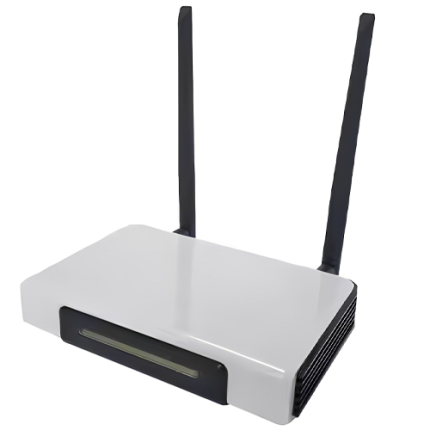
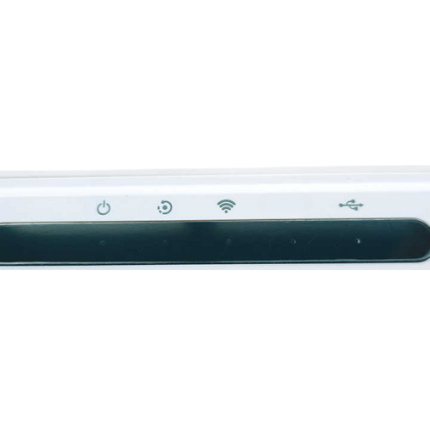
Advanced Indoor LoRaWAN Building Automation Gateway – GAOTek
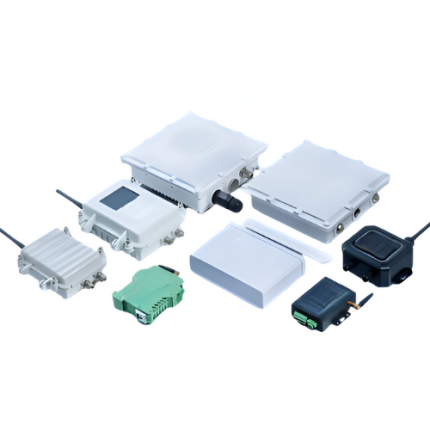

Advanced LoRaWAN Gateway for 4G, Ethernet, and Wi-Fi Wireless Data Transmission – GAOTek


Advanced LoRaWAN Gateway with Wi Fi and LTE Support – GAOTek

Bluetooth to LoRaWAN Gateway – GAOTek
Here are the LoRaWAN End Devices offered by GAO Tek:


8 Channel LoRaWAN Gateway with WiFi Ethernet US915 or EU868 – GAOTek

Advanced LoRa Communication Module and Power Protection – GAOTek


Advanced LoRaWAN Field Tester with GPS – GAOTek


Advanced LoRaWAN Ultrasonic Monitoring Sensor – GAOTek


Advanced LoRaWAN Wireless Pressure Temperature Sensor -GAOTek

Advanced Water Meter with TMR Technology – GAOTek


Agriculture Greenhouse IoT Sensor with LoRa Wireless – GAOTek
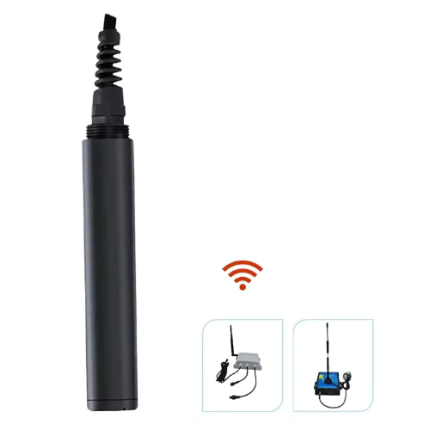
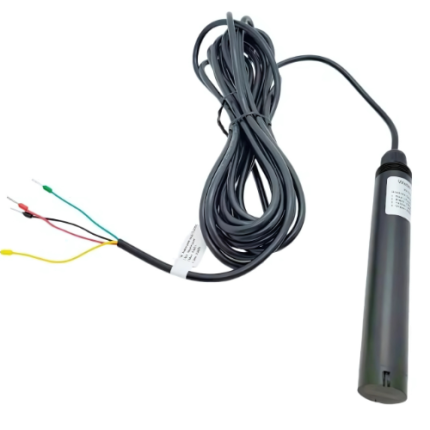
Aquaculture Water Turbidity Sensor with LoRaWAN – GAOTek
Navigation Menu for LoRaWAN
LoRaWAN Home Page
- LoRaWAN Gateways
- LoRaWAN End Devices
- LoRaWAN – Cloud, Server, PC & Mobile Systems
- LoRaWAN Accessories
- LoRaWAN Resources