Comprehensive Guide for LoRaWAN Enabled Smart Utilities
Overview
Smart utilities are transforming the way resources like water, gas, and electricity are managed, distributed, and consumed. With the advent of IoT technologies, utility providers can now access real-time data, streamline operations, and address inefficiencies more effectively. LoRaWAN (Long Range Wide Area Network) has emerged as a game-changing communication protocol, offering unmatched scalability, cost efficiency, and long-range connectivity for utility management applications.
This guide delves into the transformative potential of LoRaWAN in smart utilities, highlighting its ability to revolutionize traditional systems plagued by inefficiencies, high costs, and limited data insights. From smart metering and leak detection to renewable energy integration and environmental monitoring, LoRaWAN is enabling a new era of operational excellence in utilities.
Designed for technical professionals, utility managers, and IoT solution providers, this guide explores the core features, applications, and implementation strategies of LoRaWAN in utility management. It also examines the role of emerging technologies like AI, blockchain, and digital twins in enhancing utility operations.
The guide emphasizes the economic and environmental benefits of LoRaWAN, including cost reductions, sustainability, and regulatory compliance. With detailed case studies, technical insights, and future trends, this resource provides a comprehensive understanding of LoRaWAN’s pivotal role in advancing smart utilities globally.
Below are products and systems related to this webpage:
- Urban-Optimized LoRaWAN Gateways & Hubs
- LoRaWAN End Devices
- LoRaWAN – Cloud, Server, PC & Mobile Systems
- High-Speed LoRaWAN Gateways & Hubs
- Indoors Only LoRaWAN Gateways & Hubs
Our products are in stock can be shipped to anywhere in continental U.S. or Canada from our local warehouse. To purchase or for any further information, please fill out this form or email us.
We are actively looking for partners who are like us located in the U.S. and Canada.  For more information on partnering with GAO, please visit Partner with GAO Tek Inc. It lists various ways to partner with GAO, such as OEM Partnerships, Technology Integration, Distribution and Reselling Opportunities, Presenting at the Leading Event Tek Summit, Joint R&D Projects, Training and Consulting Services, Industry-Specific Collaborations, Research and Academic Partnerships.
1. Introduction to Smart Utilities and IoT
Smart utilities leverage IoT (Internet of Things) technologies to transform the way resources like water, gas, and electricity are managed, monitored, and distributed. Traditional utility systems often rely on outdated infrastructure, manual operations, and limited data visibility. IoT introduces automation, real-time monitoring, and advanced analytics, enabling utility providers to optimize resource usage, minimize losses, and improve service reliability. By connecting devices and systems, IoT fosters seamless data exchange across utility networks, laying the foundation for smarter operations.
The Role of LoRaWAN in Revolutionizing Utility Management
LoRaWAN (Long Range Wide Area Network) is a cutting-edge communication protocol tailored for IoT applications, particularly in utility management. Its long-range capabilities make it ideal for sprawling utility networks, while its low power consumption supports battery-operated devices with extended lifespans. LoRaWAN enables utility providers to monitor systems remotely, detect anomalies in real time, and gain actionable insights for decision-making. By addressing key limitations of traditional systems, LoRaWAN drives efficiency and innovation across utility operations.
Â
Benefits of LoRaWAN for Smart Utility Applications
- Cost Efficiency: Reduced operational costs through remote monitoring and predictive maintenance.
- Scalability: Supports expansive networks, making it ideal for large-scale utilities.
- Sustainability: Promotes efficient resource management, contributing to environmental conservation.
- Reliability: Ensures secure and dependable data transmission, even in remote areas.
- Flexibility: Easily integrates with existing utility infrastructure and supports diverse applications such as metering, leak detection, and environmental monitoring.
Â
Challenges in Traditional Utility Systems Addressed by LoRaWAN
Traditional utility systems are often plagued by inefficiencies, including manual meter reading, delayed fault detection, and high operational costs. LoRaWAN addresses these challenges by enabling:
- Real-time Monitoring: Continuous visibility into utility systems to detect issues promptly.
- Data-Driven Insights: Actionable analytics to enhance decision-making and performance.
- Automation: Reducing reliance on manual interventions, streamlining operations.
Â
Scope and Future Potential of LoRaWAN in Utility Management
The integration of LoRaWAN into utility management systems opens new avenues for innovation and growth. From smart metering and renewable energy integration to smart grid management and predictive analytics, the potential applications of LoRaWAN are vast. With advancements in AI, blockchain, and 5G, LoRaWAN is set to play a pivotal role in the evolution of smart utilities and their integration into broader smart city initiatives.
GAO Tek Inc. brings decades of expertise in IoT and smart utility solutions. With robust R&D and stringent quality assurance processes, we offer cutting-edge LoRaWAN devices and systems that empower utility providers to achieve operational excellence. Our comprehensive support ensures seamless integration and reliable performance tailored to your unique needs.
2. Understanding LoRaWAN Technology in Smart Utilities
Basics of LoRaWAN Technology
LoRaWAN (Long Range Wide Area Network) is a communication protocol designed for IoT applications requiring long-range, low-power, and cost-effective solutions. Operating on unlicensed spectrum bands such as ISM (Industrial, Scientific, and Medical), LoRaWAN enables utility providers to implement large-scale monitoring and control systems. Its unique ability to transmit small data packets over kilometers makes it a highly efficient choice for applications like smart metering, energy monitoring, and water management.
GAO Tek Inc. supports utility providers by offering advanced LoRaWAN-enabled devices and systems that ensure reliable performance and ease of integration into existing frameworks.
Â
How LoRaWAN Operates in IoT Networks
LoRaWAN uses a star-of-stars network topology where:
- End Devices: These include sensors and meters that collect and transmit data to nearby gateways.
- Gateways: Devices that act as bridges, forwarding data from end devices to a central network server.
- Network Server: The backbone of the system that processes data, manages communication protocols, and ensures security.
This architecture ensures minimal power consumption, with battery-powered devices functioning for several years. LoRaWAN also employs adaptive data rate (ADR) algorithms, optimizing network performance based on device location and signal strength.
Â
Components of a LoRaWAN Network for Utility Management
A typical LoRaWAN network in utility management consists of the following:
- End Devices: These include smart meters, leak detection sensors, and flow monitors.
- Gateways: Positioned at strategic locations to maximize data coverage, gateways connect devices to the network server.
- Network Servers: Manage routing, data integrity, and security protocols.
- Application Servers: Analyze and visualize data for actionable insights, allowing utility providers to make informed decisions.
GAO Tek provides end-to-end solutions, including LoRaWAN sensors, gateways, and servers, tailored for utility management needs.
Â
LoRaWAN vs. Other Communication Technologies in Utilities
LoRaWAN offers distinct advantages over competing communication technologies like Zigbee, Wi-Fi, and cellular networks:
- Range: LoRaWAN excels with coverage over several kilometers, outperforming Zigbee and Wi-Fi.
- Power Efficiency: Devices can run on batteries for years, unlike cellular technologies that demand frequent charging or replacements.
- Cost-Effectiveness: Operating on unlicensed spectrum eliminates subscription fees associated with cellular networks.
- Scalability: LoRaWAN networks can support thousands of connected devices, making it ideal for extensive utility networks.
GAO Tek’s LoRaWAN solutions ensure utility companies benefit from these features, helping them transition to modern, efficient, and sustainable operations. With our expertise, utility providers can overcome the limitations of traditional systems and embrace the future of smart utilities.
3. Key Features of LoRaWAN for Smart Utilities
Long-Range Communication for Wide Utility Networks
LoRaWAN’s long-range capabilities are its hallmark feature, enabling communication over distances of up to 15 kilometers in rural areas and several kilometers in urban environments. This makes it ideal for utility applications such as smart metering, leak detection, and pipeline monitoring, where infrastructure is spread over vast geographical areas. Its robust signal penetration allows it to reach underground utility installations and remote locations with minimal network infrastructure.
At GAO Tek Inc., we offer LoRaWAN-enabled solutions specifically designed for wide-area coverage, ensuring utilities can monitor and control assets seamlessly, regardless of their location.
Â
Low Power Consumption for Battery-Operated Utility Devices
LoRaWAN devices are engineered for ultra-low power consumption, allowing battery-powered sensors and meters to operate for years without maintenance. This is crucial for utility applications where devices are deployed in hard-to-reach areas or environments where power supply is unreliable. By reducing the need for frequent battery replacement or maintenance, LoRaWAN significantly lowers operational costs.
GAO Tek’s advanced sensors and devices leverage LoRaWAN’s energy-efficient protocols, making them ideal for long-term deployments in utility networks.
Â
Scalability to Cover Expanding Utility Networks
LoRaWAN networks are inherently scalable, capable of supporting thousands of devices in a single network. This makes them suitable for growing utility networks, whether in urban centers or regional operations. The ability to add new devices without overhauling the network infrastructure ensures that utility companies can scale operations cost-effectively.
GAO Tek’s scalable solutions help utility providers expand their networks to meet increasing demand, integrating seamlessly with existing systems.
Â
Data Security and Reliability for Critical Utility Data
LoRaWAN incorporates end-to-end encryption protocols, ensuring that data transmitted between devices, gateways, and network servers remains secure. With its robust authentication mechanisms, it protects against unauthorized access and tampering, which is critical for utility operations dealing with sensitive data.
GAO Tek ensures all our LoRaWAN solutions adhere to the highest security standards, offering peace of mind to utility providers handling critical infrastructure.
Â
Flexibility for Integration with Existing Systems
LoRaWAN’s flexible architecture allows it to integrate with legacy systems and modern IoT platforms alike. This makes it a versatile solution for utilities transitioning from traditional operations to IoT-enabled smart utilities. Its compatibility with various communication technologies ensures a seamless upgrade path.
GAO Tek specializes in providing integration services, helping utility providers bridge the gap between existing infrastructure and modern IoT solutions, ensuring a smooth transition to smarter operations.
By leveraging these key features, utility providers can modernize their systems, enhance efficiency, and meet the demands of today’s dynamic utility landscape. GAO Tek’s expertise ensures these benefits are fully realized.
4. Applications of LoRaWAN in Smart Utilities
Smart Metering for Water, Gas, and Electricity
LoRaWAN enables real-time monitoring and data collection for utility meters, transforming traditional manual readings into automated, precise, and frequent data capture. This enhances billing accuracy, detects irregularities, and supports dynamic pricing models. With low-power and long-range capabilities, LoRaWAN supports utility providers in deploying cost-effective smart metering infrastructure in urban and rural areas alike.
GAO Tek’s LoRaWAN-enabled metering solutions offer seamless integration with existing systems, improving operational efficiency and customer satisfaction.
Â
Leak Detection and Pipeline Monitoring
Using LoRaWAN-connected sensors, utility companies can monitor pipeline integrity and detect leaks early, preventing costly damages and environmental contamination. The long-range connectivity ensures monitoring in remote areas, and low power requirements extend the lifespan of deployed devices.
GAO Tek’s robust leak detection systems help utilities ensure safe, efficient operations and compliance with environmental regulations.
Â
Renewable Energy Integration and Monitoring
LoRaWAN facilitates the integration of renewable energy sources such as solar and wind into utility grids. By providing real-time data on energy production and consumption, utilities can optimize the use of renewable energy, reduce reliance on fossil fuels, and maintain grid stability.
GAO Tek provides tailored solutions for renewable energy monitoring, enabling utilities to meet sustainability goals efficiently.
Â
Wastewater and Sewage System Management
LoRaWAN sensors enable precise monitoring of water levels, flow rates, and contamination in wastewater systems. By integrating these insights into management systems, utilities can prevent overflows, maintain compliance with health standards, and optimize resource allocation.
GAO Tek’s LoRaWAN-enabled devices for wastewater monitoring enhance operational transparency and help utilities address public health concerns.
Â
Load Balancing and Demand Response in Grids
With LoRaWAN, utility companies can monitor and manage grid loads dynamically, ensuring efficient energy distribution and reducing the risk of outages. Real-time data supports demand response strategies, balancing energy consumption during peak and off-peak hours.
GAO Tek’s LoRaWAN solutions support utilities in building resilient and adaptive energy grids.
Â
Environmental Monitoring for Utility Operations
LoRaWAN supports environmental monitoring by connecting sensors that measure air quality, noise levels, and soil conditions around utility operations. This data aids in mitigating the environmental impact of utility projects and maintaining regulatory compliance.
GAO Tek offers advanced environmental monitoring solutions, helping utilities manage operations responsibly and sustainably.
Â
GAO Case Studies
United States
- Phoenix, Arizona
GAO Tek implemented a LoRaWAN-based smart water metering system, enabling the city to track water usage, identify leaks, and reduce wastage effectively. - Denver, Colorado
A comprehensive pipeline monitoring system was deployed, using LoRaWAN sensors to detect leaks and monitor pipeline pressure, ensuring safe operations. - Chicago, Illinois
GAO Tek supported renewable energy integration by installing LoRaWAN-enabled solar energy monitoring systems across a multi-site energy grid. - San Francisco, California
Wastewater management in urban infrastructure was optimized with LoRaWAN-connected flow sensors, reducing maintenance costs and improving efficiency. - Austin, Texas
LoRaWAN-enabled smart electricity meters were deployed, providing accurate real-time consumption data and supporting dynamic pricing models. - Orlando, Florida
Environmental monitoring systems were introduced, enabling the city to track air quality and noise pollution around power plants. - Seattle, Washington
An innovative grid load balancing system was implemented, using LoRaWAN for real-time energy demand monitoring. - Boston, Massachusetts
GAO Tek deployed sewage system management tools to monitor water flow and contamination in critical areas. - New York City, New York
Advanced utility analytics were enabled through LoRaWAN integration, supporting the city’s renewable energy initiatives. - Atlanta, Georgia
A robust smart gas metering network was established, reducing operational inefficiencies and improving customer billing accuracy. - Portland, Oregon
LoRaWAN sensors were used to monitor soil and water conditions around utility projects, ensuring environmental compliance. - Salt Lake City, Utah
GAO Tek deployed demand response solutions using LoRaWAN, helping utilities manage grid stability during extreme weather. - Las Vegas, Nevada
An automated smart lighting system for public spaces was implemented, reducing energy costs and improving sustainability. - Dallas, Texas
Pipeline integrity monitoring systems with LoRaWAN connectivity were installed, reducing pipeline failures. - Minneapolis, Minnesota
A LoRaWAN network was set up to monitor renewable energy systems, supporting the city’s sustainability goals.
Canada
- Toronto, Ontario
GAO Tek implemented LoRaWAN solutions for wastewater system management, reducing overflows and enhancing public health outcomes. - Vancouver, British Columbia
A comprehensive air quality monitoring system using LoRaWAN was deployed, aiding regulatory compliance and urban planning efforts.
5. Implementing LoRaWAN in Utility Systems
Site Surveys and Network Planning for Utilities
A successful LoRaWAN implementation begins with a comprehensive site survey and network planning. Utilities operate across diverse terrains, from dense urban areas to remote rural regions. During a site survey, factors such as physical obstructions, device density, and coverage requirements are assessed. Network planning involves designing a topology that optimizes gateway placement, ensures seamless communication, and minimizes signal interference.
GAO Tek Inc. provides expert guidance in conducting site surveys and network planning, ensuring optimal LoRaWAN deployment tailored to utility needs.
Â
Selecting LoRaWAN Devices for Utility Applications
Choosing the right devices is critical for achieving the desired functionality and efficiency. Utility-specific LoRaWAN devices include smart meters, leak detectors, environmental sensors, and grid monitors. These devices must be durable, energy-efficient, and compatible with existing infrastructure.
GAO Tek offers a wide range of high-quality LoRaWAN devices designed to meet the demanding requirements of utility management systems, backed by stringent quality assurance processes.
Â
Integration with Existing Utility Management Systems
Integrating LoRaWAN with existing utility management systems (UMS) ensures a seamless transition to smarter operations. This involves mapping the collected data to the UMS, setting up APIs for real-time data exchange, and ensuring compliance with industry standards for interoperability.
GAO Tek’s integration solutions simplify the process, allowing utilities to leverage their existing infrastructure while enhancing system capabilities.
Â
Gateway Setup and Configuration
Gateways serve as the central hub in a LoRaWAN network, connecting end devices to the cloud. Proper gateway setup and configuration are essential for reliable communication. This includes selecting gateway locations, configuring network servers, and ensuring secure data transfer protocols.
GAO Tek provides advanced LoRaWAN gateways and expertise in their deployment, ensuring robust and scalable connectivity for utility applications.
Â
Testing and Optimizing LoRaWAN Network Performance
Post-deployment, thorough testing ensures that the network performs as intended. This involves validating coverage, data transmission reliability, and device communication under various conditions. Optimization techniques, such as adjusting gateway placements or fine-tuning device parameters, can improve network efficiency and reduce operational costs.
GAO Tek assists utilities in testing and optimizing LoRaWAN networks, ensuring peak performance and addressing any challenges that arise during deployment.
6. LoRaWAN and Emerging Technologies in Utility Management
Integration with AI for Predictive Analytics in Utilities
Artificial Intelligence (AI) has revolutionized utility management by enabling predictive analytics that optimize resource usage, identify potential failures, and streamline operations. When integrated with LoRaWAN networks, AI algorithms can process vast amounts of data from sensors monitoring water flow, energy consumption, or gas pressure. This capability allows utility providers to anticipate issues such as pipeline leaks or grid overloads before they escalate.
GAO Tek Inc. facilitates the seamless integration of AI tools with LoRaWAN solutions, empowering utility operators to make data-driven decisions that enhance efficiency and reduce downtime.
Â
Machine Learning for Demand Forecasting
Machine learning (ML) algorithms leverage historical and real-time data to predict utility demand patterns. By analyzing data collected through LoRaWAN networks, ML models can provide accurate forecasts for electricity, water, and gas consumption. This enables utilities to balance supply with demand, optimize load distribution, and reduce energy waste.
GAO Tek’s IoT solutions, coupled with machine learning, help utilities achieve precise demand forecasting, improving service reliability and operational sustainability.
Â
Role of 5G in Enhancing Utility Monitoring with LoRaWAN
The integration of 5G with LoRaWAN strengthens connectivity, enabling faster data transmission and lower latency for critical applications. While LoRaWAN excels in low-power, long-range communication, 5G provides high-speed data capabilities for real-time monitoring and control. This dual-layer approach enhances the monitoring of dynamic systems like smart grids and renewable energy installations.
GAO Tek supports the convergence of LoRaWAN and 5G technologies, offering robust solutions tailored to the diverse needs of utility management.
Â
Blockchain for Transparency and Secure Transactions in Utilities
Blockchain technology provides a decentralized and tamper-proof ledger, ideal for tracking energy production, distribution, and consumption. When integrated with LoRaWAN, blockchain ensures data integrity for utility transactions, including billing, renewable energy credits, and peer-to-peer energy trading.
GAO Tek assists utilities in deploying blockchain-based solutions, ensuring transparency, security, and trust in utility operations.
Â
Digital Twins for Simulating Utility Operations
Digital twins—virtual replicas of physical systems—allow utilities to simulate and analyze their operations in real time. By leveraging LoRaWAN-collected data, digital twins provide insights into system performance, identify inefficiencies, and predict future scenarios. This technology is particularly valuable for managing complex infrastructures like water treatment plants or power grids.
GAO Tek delivers comprehensive solutions that combine LoRaWAN with digital twin technology, enabling utilities to achieve proactive management and operational excellence.
7. Economic and Environmental Benefits of LoRaWAN in Smart Utilities
Cost Efficiency in Utility Monitoring and Operations
LoRaWAN technology significantly reduces operational costs by enabling real-time monitoring and automated processes across utility systems. Smart meters, leak detectors, and load management tools powered by LoRaWAN eliminate the need for manual interventions and allow utilities to allocate resources efficiently.
By deploying GAO Tek’s LoRaWAN-enabled solutions, utility providers can cut down on labor-intensive tasks, reduce maintenance costs, and improve overall system reliability.
Â
Reducing Resource Wastage and Environmental Impact
Efficient resource management is a cornerstone of sustainable utility operations. LoRaWAN sensors provide accurate, real-time data on water, gas, and electricity usage, helping to identify leaks, prevent overconsumption, and minimize wastage. This data-driven approach supports conservation efforts and reduces the ecological footprint of utility systems.
GAO Tek offers advanced monitoring tools that enable utility operators to proactively address inefficiencies and achieve their environmental sustainability goals.
Supporting Renewable Energy Adoption
As renewable energy sources like solar and wind become integral to utility grids, LoRaWAN technology ensures seamless integration and monitoring of these systems. LoRaWAN’s ability to monitor distributed energy resources enhances grid stability and ensures optimal utilization of clean energy.
GAO Tek’s IoT solutions are tailored to support renewable energy initiatives, enabling utilities to transition towards a more sustainable and resilient grid.
Â
Enhancing Sustainability in Utility Operations
LoRaWAN’s low power consumption makes it an eco-friendly choice for large-scale utility networks. Battery-operated devices powered by LoRaWAN can operate for years without replacement, reducing electronic waste and minimizing environmental impact.
GAO Tek’s commitment to sustainability is reflected in our robust portfolio of LoRaWAN devices that align with the environmental objectives of modern utilities.
Â
Contribution to Regulatory Compliance and Certifications
Utility providers are increasingly required to meet stringent environmental regulations and sustainability certifications. LoRaWAN facilitates compliance by providing precise data for audits and reports, ensuring adherence to standards like LEED (Leadership in Energy and Environmental Design) and ISO 50001 for energy management systems.
With GAO Tek’s solutions, utilities can streamline their reporting processes, demonstrate compliance, and achieve certifications that validate their commitment to environmental responsibility.
8. Future Trends in LoRaWAN for Smart Utilities
Advances in LoRaWAN Standards for Utility Management
LoRaWAN technology continues to evolve with improved standards that enhance data throughput, reduce latency, and expand compatibility with diverse IoT devices. These advancements address the increasing complexity of utility management systems, enabling smarter operations and efficient resource management.
GAO Tek actively integrates these advancements into our utility-focused LoRaWAN solutions, ensuring that clients benefit from the latest technological innovations.
Â
Expansion of Private LoRaWAN Networks in Utility Sectors
Private LoRaWAN networks are gaining traction in the utility sector as they offer enhanced data security, reliability, and control over network infrastructure. These networks are especially useful for utilities managing distributed assets such as water distribution systems, energy grids, and pipeline networks.
GAO Tek provides customized private network solutions that cater to the unique needs of utility providers, ensuring optimal performance and scalability.
Â
Increasing Role of IoT in Smart City Utilities
The integration of IoT with smart city utilities is transforming urban infrastructure by enabling intelligent energy distribution, waste management, and water conservation. LoRaWAN plays a pivotal role in these applications due to its ability to connect devices over long distances with minimal energy consumption.
GAO Tek’s LoRaWAN solutions facilitate seamless connectivity for smart city utilities, contributing to sustainable urban development and enhanced quality of life.
Â
Integration with Smart Grids for Energy Optimization
LoRaWAN’s ability to provide real-time monitoring and control is revolutionizing smart grid applications, enabling efficient load balancing, demand response, and energy optimization. By integrating with renewable energy sources, LoRaWAN enhances grid stability and promotes cleaner energy solutions.
GAO Tek offers advanced IoT-enabled smart grid solutions, helping utilities achieve energy efficiency and meet regulatory targets.
Â
Leveraging AI and IoT for Autonomous Utility Management
The convergence of AI and IoT is paving the way for autonomous utility systems capable of predictive maintenance, anomaly detection, and efficient resource allocation. LoRaWAN’s data transmission capabilities enable AI algorithms to process and analyze utility data in real time, enhancing decision-making processes.
GAO Tek’s IoT and AI-enabled solutions empower utility operators to transition towards autonomous management, reducing costs and improving operational reliability.
9. Appendix
Glossary of Key Terms and Acronyms in Utility IoT
IoT (Internet of Things): A network of physical devices embedded with sensors and software to collect and exchange data.
LoRaWAN (Long Range Wide Area Network): A low-power, long-range networking protocol designed for IoT applications.
Smart Metering: The process of using advanced meters to collect and transmit utility data such as water, gas, and electricity consumption.
Private LoRaWAN Network: A dedicated and secure network that uses LoRaWAN technology for private utility operations, ensuring reliable communication.
Edge Computing: A distributed computing model that processes data closer to the source of data generation, reducing latency and bandwidth use.
Demand Response: A system that adjusts the demand for power instead of adjusting the supply, often used to balance electricity grids.
Digital Twins: Virtual representations of physical systems that allow real-time monitoring and simulation of utility infrastructure.
5G: The fifth generation of cellular network technology, offering faster speeds and improved connectivity for IoT devices.
Â
Technical Specifications of LoRaWAN for Utilities
- Frequency Bands: LoRaWAN operates in several frequency bands depending on the region, including 868 MHz (Europe), 915 MHz (North America), and 433 MHz (Asia).
- Range: LoRaWAN supports long-range communication, with coverage up to 15 km in rural areas and up to 5 km in urban settings.
- Data Rate: LoRaWAN supports data rates from 0.3 kbps to 50 kbps, offering flexibility for both high-throughput and low-power applications.
- Battery Life: LoRaWAN devices are optimized for low-power consumption, with devices typically lasting up to 10 years on a single battery, making it ideal for remote utility monitoring.
- Security: LoRaWAN ensures end-to-end encryption for data transmission and supports device authentication, providing robust security features.
- Scalability: LoRaWAN is highly scalable, supporting a large number of devices and networks, suitable for extensive utility systems.
Â
Recommended Tools, Devices, and Software for Smart Utilities
- LoRaWAN Gateways: Devices that provide connectivity between end devices (sensors, meters) and the LoRaWAN network. Recommended gateways offer high sensitivity, long range, and support for multiple frequencies.
- Smart Meters: Devices used for energy, water, and gas metering, often integrated with LoRaWAN for seamless data collection and transmission.
- Environmental Sensors: Sensors used to monitor environmental parameters like air quality, temperature, and humidity, crucial for utilities managing water or waste systems.
- Utility Management Software: Software solutions that integrate LoRaWAN data to monitor utility performance, optimize operations, and generate insights. Popular options include cloud-based platforms that support real-time data analysis and reporting.
- Data Analytics Tools: Tools that analyze IoT data to help with predictive maintenance, resource allocation, and decision-making. Examples include machine learning platforms and cloud analytics services.
Â
Contact Information for IoT Solution Providers
For IoT solutions tailored to smart utilities, GAO Tek offers industry-leading technology and services, including LoRaWAN devices, gateways, and integration solutions. Contact us directly at:
- Email: sales@gaotek.com
- Phone: +1 (800) 123-4567
- Website: www.gaotek.com
For additional inquiries, consultation, or to schedule a demo, our expert team is available to discuss how our smart utility solutions can optimize your operations.
Here are the LoRaWAN Gateways/Hubs offered by GAO Tek
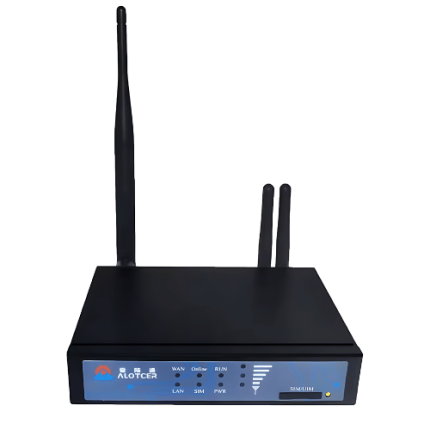
12V IoT Gateway VPN Router with Industrial CPU, WLAN, and Cellular – GAOTek
2.4 in WiFi 4G Wireless Smart Home Security System – GAOTek
3 Band GSM or 3G or 4G Signal Booster – GAOTek
300Mbps 4G LTE Portable Wifi Router with SIM Slot – GAOTek
4G Cellular Modem Router with External Antennas and Multiuser Support – GAOTek
4G Cellular Modem with Dual-Band Wi-Fi and Rotatable Antennas – GAOTek
4G Fixed Wireless Terminal VoLTE WiFi Hotspot HD Voice – GAOTek
Here are the LoRaWAN End Devices offered by GAO Tek
12V IoT Gateway VPN Router with Industrial CPU, WLAN, and Cellular – GAOTek
2.4 in WiFi 4G Wireless Smart Home Security System – GAOTek
3 Band GSM or 3G or 4G Signal Booster – GAOTek
300Mbps 4G LTE Portable Wifi Router with SIM Slot – GAOTek
4G Cellular Modem Router with External Antennas and Multiuser Support – GAOTek
4G Cellular Modem with Dual-Band Wi-Fi and Rotatable Antennas – GAOTek
4G Fixed Wireless Terminal VoLTE WiFi Hotspot HD Voice – GAOTek
Navigation Menu for LoRaWAN
- LoRaWAN Gateways
- LoRaWAN End Devices
- LoRaWAN – Cloud, Server, PC & Mobile Systems
- LoRaWAN Accessories
- LoRaWAN Resources
Â
Navigation Menu for IoTÂ Â Â Â
IOT Home Page  Â