

Comprehensive Guide on LoRaWAN Enabled Supply Chain and Logistics IoT
Overview
In the rapidly evolving supply chain and logistics sector, the integration of IoT has become a cornerstone for improving operational efficiency, visibility, and decision-making. LoRaWAN (Long Range Wide Area Network) has established itself as a game-changing technology in this domain, offering long-range, low-power connectivity for IoT applications that extend across vast geographies and diverse environments.
LoRaWAN provides unparalleled advantages for tracking shipments, monitoring environmental conditions, and enhancing fleet management. With its ability to support numerous connected devices, LoRaWAN enables real-time data collection and analysis throughout the supply chain. Applications such as geofencing for asset protection, predictive maintenance for vehicles, and automated inventory management become more accessible and cost-effective with LoRaWAN technology.
This guide explores how LoRaWAN transforms supply chain operations, from design and implementation strategies to integrating emerging technologies like AI, blockchain, and 5G. Businesses adopting LoRaWAN gain improved transparency, reduced operational costs, and a more sustainable approach to supply chain management.
GAO Tek Inc. offers advanced LoRaWAN-enabled IoT solutions tailored for supply chain and logistics. From real-time tracking systems to custom hardware and software solutions, GAO Tek supports businesses in streamlining their operations, enhancing visibility, and achieving greater efficiency across the logistics network.
Below are products and systems related to this webpage:
- Urban-Optimized LoRaWAN Gateways & Hubs
- LoRaWAN End Devices
- LoRaWAN – Cloud, Server, PC & Mobile Systems
- High-Speed LoRaWAN Gateways & Hubs
- Indoors Only LoRaWAN Gateways & Hubs
Our products are in stock can be shipped to anywhere in continental U.S. or Canada from our local warehouse. To purchase or for any further information, please fill out this form or email us.
We are actively looking for partners who are like us located in the U.S. and Canada. For more information on partnering with GAO, please visit Partner with GAO Tek Inc. It lists various ways to partner with GAO, such as OEM Partnerships, Technology Integration, Distribution and Reselling Opportunities, Presenting at the Leading Event Tek Summit, Joint R&D Projects, Training and Consulting Services, Industry-Specific Collaborations, Research and Academic Partnerships.
1. Introduction to Supply Chain and Logistics IoT
In today’s fast-paced global market, supply chains and logistics play a crucial role in ensuring goods are delivered efficiently and cost-effectively. The integration of Internet of Things (IoT) technologies into these sectors has revolutionized traditional processes, enabling real-time monitoring, data analytics, and automation. IoT-enabled supply chains leverage sensors, RFID tags, GPS devices, and connectivity protocols like LoRaWAN to provide businesses with actionable insights across their entire logistics network. From asset tracking and inventory management to fleet monitoring and route optimization, IoT systems empower businesses to respond quickly to changing conditions, improve operational efficiency, and deliver superior customer experiences.
At GAO Tek, we provide innovative LoRaWAN-based IoT solutions that are specifically designed to enhance supply chain and logistics management by enabling more intelligent, data-driven decisions and operations.
Importance of IoT in Modern Supply Chain and Logistics Management
The role of IoT in supply chain and logistics management has grown exponentially as businesses face increasing demand for efficiency, transparency, and reliability. IoT offers several transformative benefits:
- Real-Time Tracking and Visibility: With IoT sensors, supply chains can track products and assets in real-time, improving visibility throughout the entire process—from production to delivery.
- Enhanced Automation: IoT systems automate critical tasks such as inventory updates, asset location tracking, and condition monitoring, reducing the need for manual interventions and minimizing human error.
- Predictive Analytics and Maintenance: IoT-enabled sensors can collect data on the condition of equipment or vehicles, allowing for predictive maintenance and reducing downtime, ensuring smooth operations.
- Improved Communication: IoT facilitates continuous communication between various parts of the supply chain, improving coordination between manufacturers, warehouses, and transportation providers.
As the demand for greater transparency and agility grows, integrating IoT solutions has become essential for companies aiming to optimize their supply chain operations and meet customer expectations.
How LoRaWAN Fits into Supply Chain and Logistics IoT
LoRaWAN (Long Range Wide Area Network) is an ideal communication technology for supply chain and logistics IoT applications. LoRaWAN is a low-power, wide-area network protocol designed for long-range, low-bandwidth, and low-power devices, making it a perfect fit for logistics operations that require real-time tracking and monitoring over large distances.
- Long-Range Connectivity: LoRaWAN enables communication across vast distances, making it ideal for tracking assets across cities, regions, or even countries without relying on expensive cellular infrastructure.
- Low Power Consumption: LoRaWAN devices can operate for years on a single battery charge, which is essential for logistics operations where devices (like trackers or sensors) are often deployed in remote or hard-to-access locations.
- Scalable Network: LoRaWAN’s architecture supports the scaling of networks from small to large without significant infrastructure changes. This allows businesses to expand their supply chain monitoring capabilities as their operations grow.
At GAO Tek, we specialize in providing LoRaWAN-based solutions tailored to the unique needs of supply chain and logistics management, ensuring that businesses can effectively monitor assets, manage inventories, and optimize their transportation networks.
Key Benefits of Using LoRaWAN for Supply Chain and Logistics IoT
- Real-Time Tracking: LoRaWAN enables businesses to track shipments, containers, and assets in real time, providing critical insights into the location and status of goods at every stage of the supply chain. This visibility helps improve decision-making, customer satisfaction, and operational efficiency.
- Cost Efficiency: LoRaWAN’s low deployment and operational costs, combined with its long-range capabilities, make it a highly cost-effective solution for supply chain and logistics applications. Businesses can track and manage multiple assets with minimal infrastructure and maintenance costs.
- Scalability: As supply chains grow, the need for tracking an increasing number of items becomes more complex. LoRaWAN’s scalability makes it easy to expand networks without the need for significant infrastructure investments, allowing businesses to add devices and extend coverage as needed.
- Security: LoRaWAN offers end-to-end encryption and device authentication, ensuring that sensitive logistics and supply chain data is securely transmitted and protected from unauthorized access. This is critical in industries where data privacy and protection are top priorities.
- Enhanced Operational Efficiency: By providing real-time data on asset conditions, inventory levels, and delivery progress, LoRaWAN-enabled IoT systems allow businesses to make proactive adjustments, minimizing delays, reducing costs, and improving overall supply chain efficiency.
- Sustainability: LoRaWAN’s low power consumption not only extends battery life but also contributes to a more sustainable supply chain. By enabling more efficient tracking and management, businesses can reduce fuel consumption, minimize waste, and optimize energy use.
GAO Tek enables businesses to leverage the full benefits of LoRaWAN in supply chain and logistics management. Through our tailored IoT solutions, companies can improve asset visibility, streamline operations, reduce costs, and meet their sustainability goals.
2. Understanding LoRaWAN Technology in Supply Chain and Logistics IoT
Basics of LoRaWAN and its Role in IoT
LoRaWAN (Long Range Wide Area Network) is a low-power, long-range communication protocol that has become a foundational technology for Internet of Things (IoT) applications. Designed for devices that need to communicate over long distances while consuming minimal energy, LoRaWAN is ideal for remote and wide-area monitoring, which is essential in modern supply chain and logistics operations.
LoRaWAN operates by using LoRa (Long Range) modulation technology, which enables low data rate communication over large distances, even in urban or rural environments. This makes it especially well-suited for use in supply chain management, where assets such as goods, vehicles, and containers need to be monitored continuously across vast distances and diverse environments.
At GAO Tek, we help organizations implement LoRaWAN-enabled IoT solutions tailored for supply chain and logistics, providing enhanced visibility, control, and efficiency throughout the supply chain network.
Why LoRaWAN is Ideal for Supply Chain and Logistics Applications
LoRaWAN’s unique combination of long-range communication and low power consumption makes it an ideal technology for supply chain and logistics applications, where real-time tracking and data collection are critical for operations.
- Long-Range Connectivity: LoRaWAN can transmit data over distances up to 15 kilometers in rural areas and several kilometers in urban settings. This enables businesses to track assets across wide geographical areas without relying on costly and complex cellular infrastructure.
- Low Power Consumption: LoRaWAN devices are optimized for low energy use, allowing them to run for years on a single battery charge. This is particularly valuable for logistics applications, where devices (such as asset trackers or inventory sensors) may be deployed in remote areas or on moving assets like trucks and containers.
- Scalability: LoRaWAN can easily scale from small local networks to large global deployments, making it suitable for businesses that need to expand their IoT infrastructure as their supply chain operations grow.
- Cost Efficiency: Compared to traditional communication technologies like cellular networks, LoRaWAN is cost-effective both in terms of infrastructure and long-term operational costs. This is especially beneficial for businesses looking to reduce logistics and operational costs.
At GAO Tek, we provide customized LoRaWAN solutions that address the specific needs of the supply chain and logistics sectors, enhancing operational efficiency, improving asset tracking, and reducing costs.
Core Components of a LoRaWAN Network in Supply Chain Management
A typical LoRaWAN network consists of several key components that work together to enable seamless communication across the supply chain. These components include:
- End Nodes
End nodes are the devices that collect and transmit data. In the context of supply chain and logistics, these can include:
Asset trackers that monitor the location of goods in transit.
Environmental sensors that track temperature, humidity, or other conditions important for sensitive shipments (e.g., cold chain monitoring).
Smart tags that monitor inventory levels or the condition of containers.
These devices gather critical data and send it over the network to other system components for processing.
- Gateways
Gateways serve as the communication bridge between the end nodes and the rest of the network. They receive data from multiple end nodes and forward it to the network server. Depending on the setup, gateways are strategically placed in warehouses, transportation hubs, or along shipping routes to ensure continuous data coverage. - Network Servers
The network server manages the communication between end nodes and application servers. It is responsible for tasks such as data encryption, authentication, and ensuring the proper routing of data between gateways and the application. The network server processes incoming data, ensuring that it is securely transferred to the right location for further analysis. - Application Servers
Application servers collect and process data sent from the network server, providing the necessary tools for managing and analyzing the data. For supply chain and logistics, the application server integrates with logistics management platforms, providing insights such as real-time asset location tracking, inventory levels, and condition monitoring.
At GAO Tek, we offer fully integrated LoRaWAN network solutions that include all components, from end nodes to application servers, to support efficient supply chain and logistics management. Our solutions are scalable, customizable, and designed to meet the unique needs of your logistics operations.
Key Technical Features for Logistics: Low Power, Long Range, and Scalability
- Low Power
LoRaWAN is specifically designed to consume minimal energy, allowing devices to operate for several years on a single battery, even with frequent data transmission. This long-lasting power efficiency is essential for applications like asset tracking, where devices need to operate in remote areas or across large fleets without requiring regular maintenance or battery replacements. - Long Range
The long-range capability of LoRaWAN is crucial for logistics operations that span large areas, such as:
Fleet management, where vehicles may be spread out over vast distances.
Warehouses and distribution centers, where tracking goods in real time across a wide space is necessary.
Global supply chains, where LoRaWAN’s range enables seamless communication across cities, countries, or continents.
- Scalability
LoRaWAN’s infrastructure is highly scalable, supporting thousands of devices within a single network without compromising performance. This scalability is crucial for businesses managing large, complex supply chains. As businesses grow, they can expand their LoRaWAN network to include more devices and cover larger areas without needing to overhaul the entire system.
At GAO Tek, we help businesses leverage these technical features to optimize logistics and supply chain management. Our LoRaWAN solutions provide the flexibility to grow with your business, reduce costs, and improve operational efficiency across all aspects of your supply chain.
3. Key Features of LoRaWAN for Supply Chain and Logistics IoT
Long-Range Communication for Global Coverage
One of the most significant advantages of LoRaWAN (Long Range Wide Area Network) is its long-range communication capability, making it an ideal choice for global supply chain and logistics operations. LoRaWAN can provide reliable data transmission over distances of up to 15 kilometers in rural areas and several kilometers in urban environments, enabling widespread asset tracking across vast geographical regions.
For businesses with international supply chains or remote warehouses, LoRaWAN ensures seamless communication between devices, whether they are located in major metropolitan areas, rural shipping routes, or remote regions. The ability to provide global coverage without requiring extensive infrastructure is essential for monitoring assets, vehicles, and containers as they move across countries, continents, or even oceans.
At GAO Tek, we specialize in providing LoRaWAN-based tracking solutions that enable real-time monitoring of global supply chains, giving you full visibility of your assets no matter where they are.
Real-Time Data Collection and Monitoring
In the fast-moving world of logistics and supply chain management, real-time data collection and monitoring are crucial for making informed, timely decisions. LoRaWAN devices, such as asset trackers, environmental sensors, and smart meters, collect data continuously and transmit it to the cloud or centralized platforms for immediate analysis.
- Tracking Assets: LoRaWAN sensors can monitor the location of goods in transit, providing real-time updates on shipments, containers, and inventory.
- Condition Monitoring: Environmental sensors can track temperature, humidity, or vibration levels to ensure sensitive products, such as pharmaceuticals or perishable goods, are stored and transported under optimal conditions.
- Vehicle and Fleet Monitoring: LoRaWAN enables the tracking of delivery vehicles and fleet operations, helping businesses optimize routes, monitor fuel consumption, and improve overall efficiency.
At GAO Tek, we provide LoRaWAN-enabled devices that offer real-time tracking and condition monitoring for your entire supply chain, enhancing operational efficiency, reducing delays, and improving customer satisfaction.
Cost-Effectiveness and Energy Efficiency
LoRaWAN is known for its cost-effectiveness and energy efficiency, making it an attractive solution for logistics operations that need to scale and maintain low operational costs.
- Low-Cost Infrastructure: LoRaWAN networks use unlicensed radio spectrum, significantly reducing infrastructure costs compared to cellular or satellite communication technologies. With minimal hardware requirements and low maintenance costs, LoRaWAN offers a more affordable solution for logistics and supply chain companies.
- Long Battery Life: LoRaWAN devices are designed for low power consumption, enabling them to operate for years on a single battery. This is particularly beneficial for IoT devices deployed in remote or hard-to-reach locations where frequent battery replacements would be costly and impractical.
- Reduced Operational Costs: By automating asset tracking, fleet management, and inventory monitoring, LoRaWAN reduces manual intervention and labor costs, improving operational efficiency.
At GAO Tek, we offer energy-efficient, cost-effective LoRaWAN solutions that allow you to optimize logistics operations while keeping your bottom line in check. Our IoT solutions help businesses reduce infrastructure and operational costs, making them more competitive in a fast-paced market.
Scalability for Large-Scale Logistics Networks
As logistics networks grow, scalability becomes a key factor in maintaining efficient operations. LoRaWAN provides a highly scalable infrastructure, supporting the seamless addition of thousands of devices to a single network. This is particularly important for supply chain operations that need to expand or adapt to new requirements, such as opening new warehouses or adding more transportation routes.
- Flexible Network Growth: LoRaWAN’s star-of-stars topology allows businesses to scale their networks easily. Whether you need to deploy new gateways or integrate additional devices into the network, LoRaWAN’s architecture ensures that the system remains robust and efficient as it expands.
- Seamless Integration: New devices can be integrated into the existing LoRaWAN infrastructure without significant changes to the network, enabling companies to quickly adapt to changes in their logistics and supply chain operations.
- Capacity for Large-Scale Monitoring: LoRaWAN’s ability to support thousands of connected devices makes it well-suited for large logistics networks that require constant monitoring of assets, vehicles, inventory, and environmental conditions.
At GAO Tek, we specialize in scalable LoRaWAN-based solutions that can grow with your business. Whether you’re managing a few warehouses or coordinating a global supply chain, our solutions provide the flexibility and scalability needed to keep operations running smoothly.
Secure Data Transmission and Privacy Protection
With increasing concerns about data security, especially when dealing with sensitive supply chain information, LoRaWAN ensures secure data transmission and privacy protection through several built-in security features.
- End-to-End Encryption: LoRaWAN uses AES-128 encryption to secure data transmitted between IoT devices (end nodes), gateways, and network servers. This ensures that sensitive information, such as shipment details or inventory levels, is protected from unauthorized access.
- Device Authentication: Each LoRaWAN device is uniquely identified using device-specific keys for authentication, ensuring that only authorized devices can join the network. This helps prevent fraud and tampering within the logistics ecosystem.
- Data Integrity: LoRaWAN’s protocol ensures data integrity by using techniques like message deduplication and error detection during transmission, reducing the chances of corrupted or lost data.
At GAO Tek, we place a strong emphasis on security. Our LoRaWAN-based solutions are designed with advanced encryption and authentication protocols to protect your valuable supply chain data. You can trust us to help you implement secure IoT systems that safeguard your business and customers.
4. Applications of LoRaWAN in Supply Chain and Logistics IoT
Asset and Cargo Tracking: Real-Time Tracking of Goods, Vehicles, and Containers
LoRaWAN plays a critical role in enabling real-time tracking of assets and cargo throughout the supply chain. Using LoRaWAN-enabled tracking devices, companies can monitor the exact location of goods, vehicles, and containers as they move through various stages of the supply chain, whether in transit, at warehouses, or waiting for pickup.
- Global Visibility: LoRaWAN’s long-range communication capability ensures that assets can be tracked across long distances, regardless of geographic location, allowing for seamless tracking from the manufacturer to the end customer.
- Seamless Integration: Real-time tracking data can be integrated with existing logistics management platforms, providing centralized control and improved decision-making.
- Enhanced Efficiency: By tracking assets in real time, businesses can identify bottlenecks, delays, or diversions, allowing them to take proactive measures to mitigate risks and improve supply chain efficiency.
At GAO Tek, we provide LoRaWAN asset tracking solutions that allow businesses to gain full visibility of their assets, optimize routes, and improve delivery performance.
Warehouse Management: Automation and Real-Time Inventory Tracking
Effective warehouse management is essential for optimizing supply chain operations. LoRaWAN enables real-time inventory tracking and automation, reducing the need for manual processes and improving the accuracy of inventory data.
- Inventory Management: LoRaWAN-enabled sensors and smart tags track the movement of goods and materials in real-time within warehouses, providing accurate stock levels, locations, and conditions. This ensures businesses can optimize storage and reduce the chances of overstocking or stockouts.
- Automated Stocktaking: By automating stock-taking procedures, LoRaWAN reduces the need for manual inventory checks, saving time and minimizing human error.
- Efficient Space Utilization: LoRaWAN devices can help track the flow of inventory, optimizing warehouse space, and enabling efficient picking and packing processes.
GAO Tek provides LoRaWAN-based warehouse management solutions that enhance efficiency, reduce operational costs, and ensure real-time insights into inventory levels, helping businesses maintain streamlined operations and fast turnover.
Fleet Management: Monitoring and Optimizing Fleet Operations
Fleet management benefits greatly from LoRaWAN’s capabilities for real-time monitoring and data analysis. LoRaWAN’s long-range and low-power features make it an ideal solution for tracking vehicles, reducing operational costs, and improving fleet performance.
- Vehicle Tracking: LoRaWAN can be used to track the location and status of vehicles, offering fleet managers real-time updates on vehicle positions, fuel consumption, maintenance needs, and more.
- Route Optimization: By collecting and analyzing data on vehicle locations and routes, businesses can optimize delivery paths, reduce fuel consumption, and minimize delays.
- Condition Monitoring: LoRaWAN sensors can monitor the condition of vehicles in real time, providing alerts for issues like tire pressure, engine performance, or temperature, enabling proactive maintenance and reducing downtime.
At GAO Tek, we offer LoRaWAN fleet management solutions designed to improve vehicle efficiency, reduce fuel costs, and optimize fleet operations through real-time monitoring and predictive maintenance.
Cold Chain Monitoring: Tracking Temperature-Sensitive Goods
LoRaWAN plays a crucial role in cold chain monitoring, where the integrity of temperature-sensitive goods such as pharmaceuticals, food, and chemicals must be carefully maintained throughout the supply chain. With LoRaWAN’s low-power, long-range capabilities, businesses can monitor the temperature, humidity, and other environmental factors in real time to ensure that goods are kept within the required conditions.
- Temperature Alerts: LoRaWAN sensors continuously monitor the temperature of goods in transit or storage. If conditions fall outside the acceptable range, an immediate alert is sent to the system, enabling corrective action before goods are compromised.
- Real-Time Data: LoRaWAN enables real-time monitoring of cold chain conditions from the warehouse to the final delivery point, ensuring compliance with regulatory standards for temperature-sensitive shipments.
- End-to-End Traceability: LoRaWAN enables full traceability of temperature-sensitive goods, providing both businesses and customers with confidence that the products were stored and transported under optimal conditions.
At GAO Tek, we provide LoRaWAN-based cold chain monitoring solutions that ensure the safe transport and storage of sensitive products, reducing waste and improving regulatory compliance.
Last-Mile Delivery: Enhancing Delivery Tracking and Efficiency
The final step in the logistics process, last-mile delivery, often presents the greatest challenges in terms of efficiency, customer satisfaction, and cost. LoRaWAN provides a powerful solution for improving delivery tracking and ensuring timely and efficient deliveries.
- Tracking Deliveries: LoRaWAN sensors and smart tags can track deliveries in real-time, providing updates on the delivery status, location, and estimated arrival time.
- Route Optimization: By integrating real-time data on traffic, delivery locations, and vehicle status, LoRaWAN enables dynamic route optimization, improving delivery times and reducing operational costs.
- Customer Notifications: Customers can receive real-time updates on their deliveries, improving communication and enhancing customer satisfaction.
At GAO Tek, we offer LoRaWAN-enabled last-mile delivery solutions that help businesses improve delivery efficiency, reduce delays, and enhance the customer experience.
GAO Case Studies
United States – New York City, NY
A global logistics company implemented LoRaWAN technology in its warehouse management system to improve inventory tracking and reduce operational costs. By using LoRaWAN sensors and real-time monitoring, the company improved inventory accuracy by 30% and streamlined its fulfillment process, reducing delivery times.
United States – Chicago, IL
A pharmaceutical company adopted LoRaWAN-enabled cold chain monitoring to ensure the safe transportation of temperature-sensitive goods. The company implemented sensors on refrigerated trucks and storage units to track temperature and humidity levels in real time, leading to a 20% reduction in product spoilage during transit.
United States – Los Angeles, CA
A large retailer used LoRaWAN for fleet management to monitor and optimize its delivery vehicles. By integrating LoRaWAN sensors to track vehicle performance, fuel usage, and route efficiency, the company reduced fleet operating costs by 15% while improving on-time delivery rates.
United States – Atlanta, GA
A manufacturing company adopted LoRaWAN asset tracking to monitor the movement of components through its supply chain. Real-time tracking allowed the company to increase efficiency in its production process, decreasing downtime and improving overall supply chain visibility.
United States – Houston, TX
A logistics service provider implemented LoRaWAN for cargo tracking in its cross-country shipments. The system enabled real-time visibility of shipments, reducing delays by 10% and improving customer satisfaction through better communication and proactive updates.
Canada – Toronto, ON
A food distributor integrated LoRaWAN temperature sensors into its cold chain logistics to monitor perishable goods during transportation. This integration helped the company maintain strict temperature control and reduce food waste by 18%.
Canada – Vancouver, BC
A distribution company used LoRaWAN-enabled smart tags for inventory management in multiple warehouse locations. Real-time data provided a significant boost to operational efficiency, leading to a 25% reduction in labor costs for inventory management and a 20% increase in fulfillment accuracy.
At GAO Tek, we’re proud to support supply chain and logistics businesses with cutting-edge LoRaWAN solutions that improve asset visibility, optimize operations, and reduce costs. Reach out to us for custom IoT solutions tailored to your specific needs.
5. Implementing LoRaWAN in Supply Chain and Logistics Systems
Network Planning: Site Survey, Device Placement, and Gateway Distribution
Implementing LoRaWAN in supply chain and logistics systems begins with careful network planning. This ensures optimal performance, coverage, and efficient data transfer across vast areas. Several key steps must be followed:
- Site Survey:
Before deploying any IoT devices, it’s crucial to conduct a site survey to understand the geographical layout, building structures, and environmental conditions that may affect signal strength. Identifying potential obstacles—such as warehouses, tall buildings, and other physical barriers—is vital in ensuring reliable LoRaWAN coverage. The survey helps determine the ideal placement for devices and gateways, ensuring long-range communication with minimal interference. - Device Placement:
Strategic placement of LoRaWAN sensors, tags, and trackers is essential for ensuring continuous data collection across the supply chain. These devices must be placed on assets such as containers, vehicles, and inventory items. Placement near key control points such as entry and exit gates, loading docks, or conveyor systems ensures that assets are constantly monitored, providing valuable real-time data. - Gateway Distribution:
Gateways serve as the communication bridge between the end nodes (devices) and the network. Proper gateway distribution is necessary for ensuring coverage across the entire logistics network, whether it’s a single warehouse, a fleet of delivery vehicles, or a global supply chain. The number of gateways required depends on the area to be covered and the density of connected devices. A well-placed gateway ensures robust, uninterrupted data transmission over long distances.
At GAO Tek, we assist businesses with network planning, from site surveys to device placement and gateway distribution, ensuring a seamless LoRaWAN network that meets the needs of your logistics operations.
Choosing the Right Hardware: Sensors, Smart Tags, Gateways, and Edge Devices
When deploying LoRaWAN IoT solutions in logistics, choosing the right hardware is crucial for ensuring the accuracy, reliability, and longevity of the system. Here’s an overview of the essential components:
- Sensors:
Sensors are the core devices in LoRaWAN-based logistics systems. They capture real-time data on environmental conditions such as temperature, humidity, pressure, and vibration. For instance, temperature sensors are vital in monitoring the condition of cold chain shipments. Choosing sensors with a high level of accuracy, durability, and low power consumption ensures optimal operation in logistics environments. - Smart Tags:
Smart tags are used to track assets like vehicles, containers, and shipments. These tags communicate location data through GPS, and when integrated with LoRaWAN, they enable real-time tracking of goods, both in transit and at rest. Tags should be small, durable, and designed to withstand the environmental conditions they will be exposed to during the shipping or warehousing process. - Gateways:
LoRaWAN gateways facilitate communication between the sensors and the network server, forwarding data collected from remote devices to the cloud or local servers for processing. Selecting the right gateway is essential for ensuring sufficient range and data throughput for your application. Gateways should have the ability to support a large number of end nodes, ensuring reliability even with high traffic in large logistics operations. - Edge Devices:
Edge computing devices process data closer to the source rather than relying solely on cloud infrastructure. This reduces latency and enables faster decision-making, which is essential in logistics where time is of the essence. Edge devices can analyze sensor data in real-time and trigger alerts for issues like temperature fluctuations or equipment malfunctions, allowing for proactive management.
GAO Tek offers a range of LoRaWAN hardware—from smart sensors to edge devices—ensuring businesses have the tools they need for seamless supply chain management and logistics operations.
Software Integration: Connecting LoRaWAN Data with Supply Chain Management Platforms and Cloud Systems
The next step in implementing LoRaWAN in logistics is integrating the data collected by sensors, smart tags, and gateways into supply chain management (SCM) platforms and cloud-based systems. This integration enables seamless data flow across the entire logistics network.
- Supply Chain Management Platforms:
LoRaWAN-enabled devices provide real-time data, which can be integrated with SCM software to improve decision-making, inventory management, and route optimization. For instance, data from inventory sensors can be sent to the SCM platform to provide real-time updates on stock levels, facilitating automated replenishment and reducing stockouts or overstocking. - Cloud Systems:
Cloud integration allows logistics providers to access data remotely, enabling centralized management of all connected devices. Cloud-based systems provide businesses with the flexibility to access, store, and analyze vast amounts of data from anywhere. This is crucial for large-scale operations where real-time data visibility across multiple regions or countries is essential for decision-making. - Data Analytics and Reporting:
With the data collected from LoRaWAN devices, advanced analytics tools can be applied to generate actionable insights. These insights could include predictive maintenance alerts for vehicles or performance reports for supply chain networks, helping businesses optimize efficiency, reduce costs, and enhance customer service.
GAO Tek provides custom software integration services, ensuring that the data from your LoRaWAN-enabled devices is seamlessly connected to your supply chain management systems for efficient, real-time decision-making.
Overcoming Challenges: Interference, Scalability, and Integration with Existing Systems
Implementing LoRaWAN in supply chain and logistics systems can present challenges related to interference, scalability, and integration with existing technologies. However, with careful planning and the right tools, these challenges can be effectively overcome:
- Interference:
LoRaWAN operates in unlicensed radio frequency bands, which can sometimes lead to interference from other wireless communication systems. To mitigate this, careful site surveys should be conducted to assess potential sources of interference, and gateways should be strategically placed to optimize signal strength and reduce interference. - Scalability:
As supply chain networks grow, so does the need for more devices and more coverage. LoRaWAN’s architecture is inherently scalable, allowing businesses to expand their networks without major infrastructure changes. The LoRaWAN protocol is designed to support thousands of devices, making it suitable for large-scale logistics networks that span cities, regions, or even countries. - Integration with Existing Systems:
Integrating LoRaWAN with legacy systems, such as existing ERP (Enterprise Resource Planning) and TMS (Transportation Management Systems), can be complex. However, LoRaWAN’s flexibility allows it to be integrated with most existing technologies through APIs (Application Programming Interfaces) and custom middleware. Ensuring that the IoT infrastructure aligns with current systems is crucial for optimizing logistics operations.
At GAO Tek, we offer end-to-end support, from network planning and hardware selection to seamless integration of LoRaWAN technology with your existing systems. Our expert team ensures that your logistics operations are optimized for maximum efficiency, scalability, and reliability.
6. LoRaWAN and Emerging Technologies in Supply Chain and Logistics
Integration with AI and Machine Learning for Predictive Analytics and Automation
The integration of AI and machine learning (ML) with LoRaWAN in supply chain and logistics is transforming the industry by enabling predictive analytics and automation at an unprecedented scale. Here’s how these technologies work together:
- Predictive Analytics: LoRaWAN-enabled IoT devices collect vast amounts of data, including temperature, location, humidity, and vibration from assets and shipments. By feeding this data into AI and ML algorithms, businesses can predict potential disruptions, such as delayed deliveries, temperature fluctuations, or maintenance needs. This predictive capability allows for proactive measures that reduce downtime and increase efficiency.
- Automation: With AI-driven insights, supply chain processes can be automated based on real-time data. For example, inventory management can automatically adjust stock levels based on real-time demand or conditions, and fleet routing can be optimized dynamically to avoid traffic and delays.
- Operational Efficiency: The combination of LoRaWAN sensors and AI enables businesses to forecast demand, optimize inventory levels, and improve delivery schedules, all of which lead to lower operational costs and better customer service.
GAO Tek supports organizations in integrating AI and ML with LoRaWAN-based solutions, providing businesses with intelligent supply chain and logistics systems that anticipate challenges and automatically adapt to optimize performance.
Synergies with Blockchain for Secure and Transparent Tracking
Blockchain and LoRaWAN can work together to provide a secure and transparent tracking system for goods moving through the supply chain. Here’s how they complement each other:
- Data Integrity and Transparency: LoRaWAN devices gather data about asset locations, conditions, and movement, while blockchain records this information in an immutable, decentralized ledger. This combination ensures data integrity and transparency at every step of the supply chain, making it impossible for records to be tampered with or altered.
- Smart Contracts: Blockchain’s smart contracts enable automatic execution of predefined agreements based on real-time data. For example, a smart contract could automatically release payment when a shipment reaches its destination, ensuring timely transactions and reducing administrative overhead.
- End-to-End Traceability: Blockchain allows for full traceability of assets, enabling stakeholders to verify the entire journey of a product, from manufacturing to final delivery. This is particularly useful in industries requiring compliance with stringent regulations, such as pharmaceuticals and food safety.
At GAO Tek, we help businesses integrate blockchain technology with LoRaWAN devices to create secure, transparent, and efficient supply chain operations that enhance data authenticity and reduce fraud.
Integration with Edge Computing for Real-Time Decision-Making
Edge computing brings computing power closer to where data is generated, enabling faster decision-making and reducing latency. Here’s how LoRaWAN and edge computing work together in logistics:
- Data Processing at the Edge: LoRaWAN-enabled sensors and devices collect data, and instead of transmitting all the raw data to centralized servers or cloud systems, edge devices process the data locally. This results in faster decision-making, such as adjusting routes for delivery trucks or triggering maintenance alerts for equipment that’s about to fail.
- Reducing Latency: By processing data locally, edge computing reduces the latency often associated with cloud-based solutions, providing real-time insights that are crucial in supply chain management. For example, real-time condition monitoring of sensitive cargo, like pharmaceuticals or fresh food, requires fast data analysis to make immediate adjustments.
- Bandwidth Efficiency: Only essential data is sent to the cloud for long-term storage or deeper analysis, freeing up network bandwidth and reducing cloud storage costs. This is particularly valuable in large logistics operations where IoT devices generate vast amounts of data.
At GAO Tek, we offer LoRaWAN-based edge computing solutions that help businesses make real-time decisions, optimize operations, and ensure smooth logistics and supply chain management.
Role of Digital Twins in Optimizing Logistics and Supply Chain Operations
A digital twin is a virtual replica of a physical asset, system, or process that uses real-time data from LoRaWAN devices to simulate its behavior and performance. In supply chain and logistics, digital twins enable businesses to:
- Simulate and Optimize Supply Chain Operations: By creating digital twins of logistics networks, businesses can simulate different scenarios, such as delays, equipment breakdowns, or demand spikes, and assess the impact on their supply chain. This allows for better preparedness and more efficient resource allocation.
- Predictive Maintenance: By constantly monitoring the status of vehicles, machinery, or inventory, a digital twin can predict when maintenance is required, reducing unplanned downtime and extending the life of assets.
- Supply Chain Visibility: Digital twins provide a real-time digital representation of goods, vehicles, and warehouses, allowing businesses to optimize routes, manage stock levels, and ensure product quality across the entire supply chain.
At GAO Tek, we help organizations leverage LoRaWAN-powered digital twins to gain deeper insights into their logistics operations, improve efficiency, and reduce costs by simulating and optimizing processes before implementation.
Future Role in Autonomous Vehicles and Drones for Logistics
Autonomous vehicles (AVs) and drones are poised to revolutionize supply chain and logistics operations. LoRaWAN plays an essential role in enabling the communication and coordination of these advanced systems:
- Autonomous Vehicle Communication: LoRaWAN provides long-range connectivity for autonomous vehicles operating in urban or rural environments. It ensures that vehicles can communicate real-time location data, environmental conditions, and status updates with centralized systems, allowing for more efficient routing and navigation.
- Drone Deliveries: Drones are being explored for last-mile delivery, especially in areas where traditional delivery methods are inefficient or impractical. LoRaWAN enables drones to relay real-time data on package location, battery life, and environmental conditions, ensuring timely and accurate deliveries.
- Fleet Coordination and Optimization: LoRaWAN also supports fleet management for autonomous trucks and drones, enabling businesses to optimize their fleet by monitoring performance, tracking deliveries, and adjusting routes dynamically.
At GAO Tek, we are at the forefront of integrating LoRaWAN technology with autonomous vehicles and drone systems. We provide end-to-end solutions for businesses looking to optimize their logistics operations by adopting next-generation technologies for faster, more efficient deliveries.
7. Economic and Environmental Benefits
Cost Savings through Efficient Logistics Management
LoRaWAN-enabled supply chain and logistics systems bring substantial cost savings by streamlining operations, reducing manual processes, and optimizing resource allocation. Here’s how:
- Real-Time Asset Tracking: By providing continuous, real-time data on the location and condition of goods and assets, businesses can minimize the costs associated with lost or misplaced items, improving inventory management and reducing the need for excess stock. LoRaWAN helps in tracking goods, containers, and vehicles, which enhances operational efficiency, minimizes losses, and lowers replacement costs.
- Optimized Fleet Management: By utilizing LoRaWAN for fleet monitoring, businesses can gain insights into vehicle performance, fuel consumption, and route optimization. This data can help reduce unnecessary fuel consumption and vehicle wear, saving on fuel and maintenance costs. Additionally, optimized routing reduces delays and increases delivery efficiency.
- Automation and Reduced Labor Costs: LoRaWAN can automate key logistics functions, such as inventory tracking and warehouse management, which traditionally required manual input. This automation reduces labor costs, decreases human error, and speeds up processes, leading to better cost control.
At GAO Tek, we offer LoRaWAN-based logistics solutions that help businesses optimize their supply chains, improve tracking and fleet management, and reduce operational costs through automation and real-time monitoring.
Return on Investment (ROI) Analysis for LoRaWAN-Enabled Supply Chain Solutions
Investing in LoRaWAN-enabled solutions can result in a strong return on investment (ROI) due to several factors:
- Reduced Operational Expenses: The ability to track assets in real time, optimize routes, and monitor environmental conditions can lead to substantial cost savings. By avoiding delays, improving inventory management, and reducing waste, businesses can see a significant reduction in operational costs, ultimately contributing to higher profitability.
- Improved Decision-Making: LoRaWAN provides businesses with valuable insights into their supply chain, allowing for more informed decision-making. Whether optimizing routes or adjusting inventory levels, businesses can make strategic adjustments that enhance efficiency and profitability.
- Scalable Solutions: LoRaWAN solutions are scalable, meaning that businesses can start with smaller systems and expand them as needed without significant additional costs. The low cost of deployment and maintenance, coupled with the ability to scale, ensures a high ROI in the long term.
GAO Tek can help businesses evaluate the ROI of LoRaWAN implementations, ensuring that investments are aligned with strategic goals and deliver measurable results over time. Our solutions offer clear metrics for assessing performance and optimizing future investments.
Environmental Impact: Reducing Carbon Footprint through Optimized Logistics
Implementing LoRaWAN in supply chain and logistics operations can significantly contribute to sustainability efforts by reducing the environmental impact:
- Optimized Resource Utilization: LoRaWAN enables real-time monitoring of goods and vehicles, allowing businesses to reduce waste through better inventory control and more efficient routing. By optimizing delivery schedules and warehouse operations, companies can reduce fuel consumption, emissions, and overall resource usage.
- Fleet Optimization: With real-time data on fleet performance, businesses can reduce fuel consumption by optimizing routes and avoiding congestion. This not only lowers costs but also minimizes the carbon footprint associated with transportation.
- Energy-Efficient Supply Chains: The use of low-power LoRaWAN devices means that energy consumption is minimized across the supply chain. Devices such as asset trackers and sensors can operate for years on a single battery, reducing the need for frequent battery replacements and minimizing e-waste.
By integrating LoRaWAN-based solutions into logistics systems, businesses can meet sustainability goals, comply with environmental regulations, and contribute to a greener, more eco-friendly supply chain. GAO Tek provides solutions that help companies reduce their environmental impact while improving overall efficiency.
Promoting Sustainability and Operational Efficiency through IoT
The combination of LoRaWAN with other IoT technologies promotes sustainability and efficiency across the supply chain in several ways:
- Real-Time Monitoring for Sustainability: IoT devices powered by LoRaWAN can monitor a wide range of environmental factors, such as temperature, humidity, and vibration. By tracking the condition of temperature-sensitive goods (e.g., pharmaceuticals or food), businesses can ensure proper handling and transportation, reducing waste and promoting more sustainable practices.
- Energy Management: LoRaWAN sensors can be used to monitor energy consumption in warehouses, factories, and distribution centers. By collecting data on energy use and operating conditions, businesses can make data-driven decisions to reduce energy waste and enhance operational efficiency. This leads to both cost savings and a reduction in overall energy consumption.
- Smarter Logistics Networks: LoRaWAN enables businesses to automate logistics functions, reducing manual labor, human error, and delays. By improving asset visibility, inventory accuracy, and routing efficiency, businesses can operate more sustainably, reducing their environmental footprint.
At GAO Tek, we help organizations create smarter, more sustainable logistics networks using LoRaWAN-enabled IoT solutions. From energy-efficient warehouse management to optimized transportation, we empower businesses to meet sustainability goals while enhancing operational performance.
8. Future Trends in LoRaWAN for Supply Chain and Logistics IoT
Evolving LoRaWAN Standards and Protocols for Supply Chain Applications
The LoRaWAN protocol is continually evolving to meet the growing needs of supply chain and logistics industries. As IoT technologies advance, LoRaWAN’s capabilities are being enhanced with new standards and protocols to address the unique challenges faced by businesses:
- Improved Network Performance: Future updates to LoRaWAN standards aim to improve network performance in urban environments where interference and congestion are more prominent. These updates will ensure that LoRaWAN networks can handle more devices, provide better coverage, and maintain data integrity in dense urban areas.
- Support for Higher Data Rates: As the need for more data from asset tracking devices, sensors, and smart tags increases, LoRaWAN is evolving to support higher data rates while maintaining low power consumption. This will enable more robust and efficient communication for applications that require larger data payloads, such as real-time video streaming from drones or advanced sensor systems.
- Enhanced Security Features: With rising concerns about data privacy, the LoRaWAN Alliance is working on strengthening the encryption and authentication protocols to ensure the security of sensitive supply chain data, especially when integrating with cloud systems and third-party platforms.
At GAO Tek, we stay at the forefront of LoRaWAN technology development, ensuring that our solutions incorporate the latest standards and protocols to meet the growing demands of supply chain and logistics industries.
Growth of Private LoRaWAN Networks for Logistics
Private LoRaWAN networks are becoming increasingly popular in logistics and supply chain operations, providing businesses with more control over their data and infrastructure. The benefits of private LoRaWAN networks include:
- Network Ownership and Control: Companies can deploy and manage their own private LoRaWAN networks, ensuring that they have full control over network performance, security, and data access. This is especially critical for businesses that require custom configurations or sensitive information handling.
- Reduced Dependency on Third-Party Providers: By building their own private networks, businesses can reduce reliance on public network providers, which may have limitations in terms of coverage, bandwidth, or availability. This ensures uninterrupted data flow and reliable communication between assets and the network.
- Enhanced Security: Private networks offer better data security and privacy protection compared to public networks, as data remains within the organization’s infrastructure. This is particularly beneficial for industries with strict compliance and regulatory requirements, such as pharmaceuticals or high-value logistics.
At GAO Tek, we assist businesses in setting up and managing private LoRaWAN networks, offering tailored solutions that provide secure, reliable, and scalable IoT infrastructure for supply chain and logistics.
Expansion of LoRaWAN in Global Supply Chain Markets
As the adoption of LoRaWAN technology continues to grow, its reach is expanding across the global supply chain. The technology’s ability to support long-range communication, low power consumption, and scalability makes it well-suited for a wide range of logistics applications. Future trends include:
- Global Coverage: LoRaWAN is expanding its presence in global markets, enabling businesses to track assets across continents and optimize international shipping. The LoRaWAN network infrastructure is growing rapidly, with more gateways being deployed in cities, rural areas, and ports, ensuring global coverage for supply chain operations.
- Cross-Border Logistics: With the ability to seamlessly integrate data from various regions, LoRaWAN is enabling more efficient cross-border logistics. Companies can track goods, containers, and shipments globally, optimizing route planning and reducing delays caused by customs or regional barriers.
- Standardization Across Borders: As LoRaWAN expands into new regions, the focus on standardization is growing. Countries around the world are harmonizing their frequency regulations, ensuring that LoRaWAN can operate smoothly across borders without additional configuration or interference.
GAO Tek is actively involved in expanding LoRaWAN-enabled supply chain solutions, providing businesses with global visibility, real-time data access, and optimized operations across international markets.
The Role of 5G in Enhancing LoRaWAN for Logistics and Supply Chains
While LoRaWAN is optimized for low-power, long-range communications, 5G networks are poised to complement LoRaWAN’s capabilities in supply chain and logistics. The combination of both technologies will enable faster, more efficient logistics operations:
- Faster Data Transmission: While LoRaWAN is ideal for low-data-rate applications, 5G can handle high-speed data transmission, enabling applications that require fast processing, such as live tracking, real-time video feeds, or AI-driven logistics optimization.
- Enhanced Connectivity for Autonomous Vehicles and Drones: The 5G network will provide the ultra-low latency required for autonomous vehicles and drones that need to communicate in real time for navigation and decision-making. LoRaWAN will continue to provide long-range connectivity, while 5G will enable faster data exchange for more complex logistics operations.
- Seamless Integration: As 5G networks become more widespread, businesses can seamlessly integrate LoRaWAN devices into a broader IoT ecosystem. The coexistence of both technologies will enable businesses to choose the best communication solution for each aspect of their operations.
At GAO Tek, we are leveraging the combined power of LoRaWAN and 5G to offer integrated logistics solutions that enhance connectivity, improve speed, and drive more intelligent decision-making across supply chains.
The Rise of Smart Logistics Hubs and Warehouses
The future of logistics is increasingly centered around smart logistics hubs and warehouses that use IoT technologies to automate processes, improve operational efficiency, and create real-time visibility across the entire supply chain.
- Automation and Efficiency: LoRaWAN-based sensors can provide real-time inventory tracking and condition monitoring, enabling smart warehouses to automatically update stock levels, track products, and trigger reordering or dispatching processes. This automation reduces manual labor, enhances accuracy, and improves throughput.
- Predictive Maintenance and Asset Management: LoRaWAN devices integrated into smart warehouses can monitor the condition of machinery and equipment, sending data to centralized systems for predictive maintenance. This ensures that critical equipment is serviced before failure, minimizing downtime and operational interruptions.
- Data-Driven Decision-Making: Smart logistics hubs and warehouses generate vast amounts of data that can be analyzed to optimize processes such as warehouse layout, inventory management, and energy consumption. This data-driven approach allows for continuous improvement in logistics efficiency.
GAO Tek is helping businesses build smart logistics hubs using LoRaWAN-based IoT solutions, ensuring enhanced automation, predictive capabilities, and operational efficiency in warehouse and logistics environments.
9. Appendix
Glossary of Key Terms and Acronyms
- LoRaWAN (Long Range Wide Area Network) – A low-power, wide-area network protocol designed for long-range communication and efficient data transfer over large distances.
- IoT (Internet of Things) – A network of physical devices embedded with sensors, software, and other technologies to collect and exchange data.
- RFID (Radio Frequency Identification) – A technology that uses radio waves to identify objects or track assets.
- GPS (Global Positioning System) – A satellite-based navigation system used for real-time location tracking.
- Edge Computing – The practice of processing data near the source of data generation, instead of relying entirely on cloud-based systems.
- Smart Tags – IoT devices used to track and monitor the location and condition of assets in transit or storage.
- M2M (Machine to Machine) – Communication between devices without human intervention.
- API (Application Programming Interface) – A set of rules that allows different software applications to communicate with each other.
- 5G – The fifth generation of mobile network technology, offering faster data speeds, low latency, and improved connectivity for IoT devices.
- Blockchain – A decentralized ledger technology used for securing and validating transactions and ensuring data integrity across networks.
At GAO Tek, we provide LoRaWAN-based solutions that help businesses effectively leverage these technologies to enhance their supply chain operations.
Technical Specifications of LoRaWAN in Supply Chain and Logistics
LoRaWAN operates in different frequency bands depending on the region, and its technical specifications are tailored to the needs of supply chain applications. Here are some key technical features:
- Regional Frequency Bands:
EU: 868 MHz
US: 915 MHz
ASIA: 923 MHz
LoRaWAN’s frequency bands vary depending on regional regulations. This allows for optimal network coverage and minimizes interference in supply chain environments.
- Power Levels:
LoRaWAN devices use a class-based system for power levels:
Class A: Standard devices with low power consumption, suitable for most supply chain and logistics applications.
Class B and C: Used for more advanced applications where devices may need to maintain a more constant communication state (e.g., active fleet management systems).
- Communication Ranges:
Urban Areas: Up to 3 km
Rural Areas: Up to 15 km
Line-of-Sight (LoS): Can extend to over 50 km in open areas
LoRaWAN’s long-range communication ensures that assets can be tracked and monitored over large distances, even in remote or difficult-to-reach areas.
GAO Tek offers comprehensive LoRaWAN solutions, including sensors and gateways, that meet the technical requirements of your supply chain infrastructure.
Recommended Tools, Hardware, and Software Solutions
To implement LoRaWAN-enabled solutions in supply chain and logistics, several hardware and software components are essential for effective monitoring, tracking, and data analysis.
Hardware:
LoRaWAN Sensors: Used to monitor the condition of goods, assets, and vehicles, including temperature, humidity, vibration, and location.
Smart Tags: Small, durable devices that attach to goods or vehicles, providing real-time location tracking and environmental data.
LoRaWAN Gateways: These devices forward data from the sensors to the network server, ensuring seamless communication within the logistics system.
Edge Devices: Process data locally at the point of origin to reduce latency and improve decision-making efficiency.
Software:
Supply Chain Management (SCM) Software: Integrates with LoRaWAN devices to provide a centralized view of inventory, shipments, and real-time data.
Cloud-Based Platforms: Enable businesses to access data remotely, store large amounts of data, and utilize powerful analytics tools for decision-making.
Data Analytics Tools: Use machine learning and AI to optimize supply chain operations based on real-time data insights.
At GAO Tek, we offer a range of IoT hardware and software solutions, including LoRaWAN gateways and asset tracking systems, to help optimize your supply chain and logistics operations.
Further Reading and Resources from Trusted Organizations
To further enhance your understanding of LoRaWAN technology and its role in supply chain and logistics IoT, the following resources are highly recommended:
- The LoRa Alliance – A global association of companies backing the LoRaWAN standard, offering resources, case studies, and insights into network deployment and use cases. LoRa Alliance
- IEEE Internet of Things Journal – A reputable journal that publishes research papers on IoT technologies, including LoRaWAN, data analytics, and logistics applications. IEEE IoT Journal
- Gartner Research – Provides comprehensive reports on IoT market trends, emerging technologies, and their application in supply chain and logistics. Gartner
- GS1 Standards – An organization focused on improving supply chain operations through standards like RFID and IoT technologies. GS1 Standards
These resources provide a deeper dive into the evolving landscape of IoT technologies and LoRaWAN solutions.
Contact Information for Experts and Solution Providers
For further inquiries, consultations, or to discuss how LoRaWAN can optimize your supply chain and logistics, please get in touch with us:
GAO Tek Inc.
Headquartered in New York City, NY, and Toronto, Canada
Website: www.gaotek.com
Phone: +1 (877) 585-9555
Email: info@gaotek.com
Here are the LoRaWAN Gateways/Hubs offered by GAO Tek:
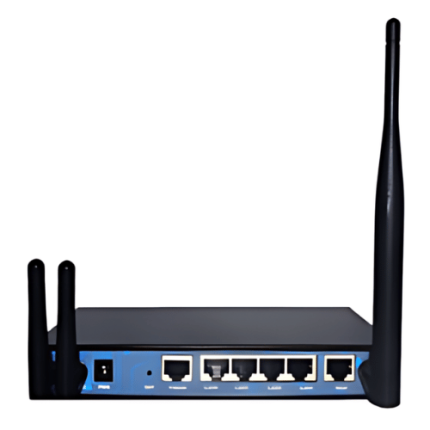
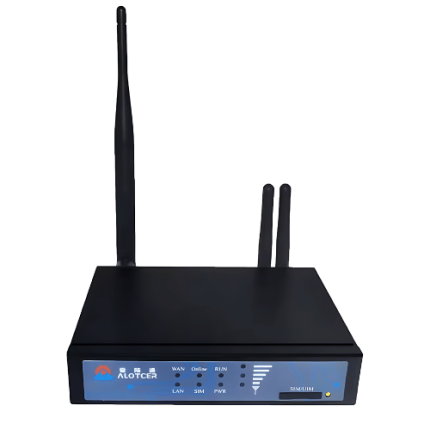
12V IoT Gateway VPN Router with Industrial CPU, WLAN, and Cellular – GAOTek


2.4 in WiFi 4G Wireless Smart Home Security System – GAOTek


3 Band GSM or 3G or 4G Signal Booster – GAOTek


300Mbps 4G LTE Portable Wifi Router with SIM Slot – GAOTek


4G Cellular Modem Router with External Antennas and Multiuser Support – GAOTek


4G Cellular Modem with Dual-Band Wi-Fi and Rotatable Antennas – GAOTek


4G Fixed Wireless Terminal VoLTE WiFi Hotspot HD Voice – GAOTek
Here are the LoRaWAN End Devices offered by GAO Tek:
12V IoT Gateway VPN Router with Industrial CPU, WLAN, and Cellular – GAOTek
2.4 in WiFi 4G Wireless Smart Home Security System – GAOTek
3 Band GSM or 3G or 4G Signal Booster – GAOTek
300Mbps 4G LTE Portable Wifi Router with SIM Slot – GAOTek
4G Cellular Modem Router with External Antennas and Multiuser Support – GAOTek
4G Cellular Modem with Dual-Band Wi-Fi and Rotatable Antennas – GAOTek
4G Fixed Wireless Terminal VoLTE WiFi Hotspot HD Voice – GAOTek
Navigation Menu for LoRaWAN
- LoRaWAN Gateways
- LoRaWAN End Devices
- LoRaWAN – Cloud, Server, PC & Mobile Systems
- LoRaWAN Accessories
- LoRaWAN Resources