Comprehensive Guide for LoRaWAN Enabled Telecommunications IoT
Overview
The telecommunications sector is experiencing rapid innovation, driven largely by the increasing demand for connectivity and the integration of Internet of Things (IoT) devices. As industries adopt more connected devices, managing the communication between these devices becomes increasingly challenging. This is where LoRaWAN (Long Range Wide Area Network) technology plays a pivotal role, offering a solution that enables long-range, low-power communication for a wide array of IoT applications in telecommunications networks.
LoRaWAN provides telecom operators with the ability to manage large-scale IoT deployments across vast geographical areas. Its low power consumption and long-range capabilities make it ideal for applications like smart city infrastructure, remote monitoring, and environmental sensing. With LoRaWAN, telecom companies can efficiently manage their networks, improve service delivery, and extend connectivity to rural or underserved areas, all while keeping operational costs low.
In this guide, we explore how LoRaWAN technology is revolutionizing the telecommunications industry by offering scalable, cost-effective, and secure connectivity. We will look at key features of LoRaWAN that make it suitable for telecom applications, from its energy-efficient sensors to its robust network coverage. Additionally, we will dive into the future trends that will shape the role of LoRaWAN in telecommunications, such as its integration with emerging technologies like 5G, edge computing, and artificial intelligence.
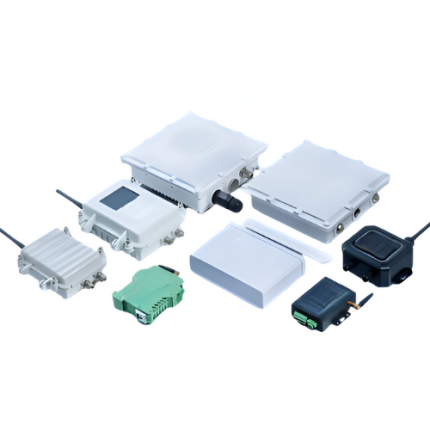
Below are products and systems related to this webpage:
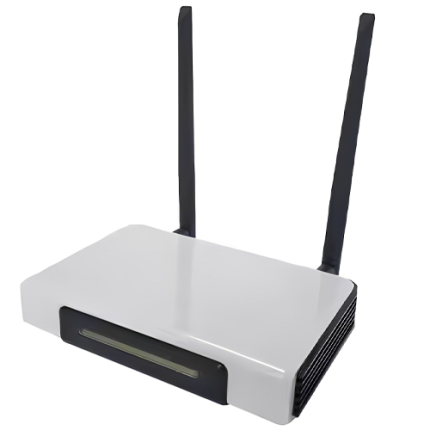
- Urban-Optimized LoRaWAN Gateways & Hubs
- LoRaWAN End Devices
- LoRaWAN – Cloud, Server, PC & Mobile Systems
- High-Speed LoRaWAN Gateways & Hubs
- Indoors Only LoRaWAN Gateways & Hubs
Our products are in stock can be shipped to anywhere in continental U.S. or Canada from our local warehouse. To purchase or for any further information, please fill out this form or email us.
We are actively looking for partners who are like us located in the U.S. and Canada.  For more information on partnering with GAO, please visit Partner with GAO Tek Inc. It lists various ways to partner with GAO, such as OEM Partnerships, Technology Integration, Distribution and Reselling Opportunities, Presenting at the Leading Event Tek Summit, Joint R&D Projects, Training and Consulting Services, Industry-Specific Collaborations, Research and Academic Partnerships.
1. Introduction to LoRaWAN and its Importance in Telecommunications
LoRaWAN (Long Range Wide Area Network) is a low-power, wide-area network protocol designed to support Internet of Things (IoT) devices. In telecommunications, LoRaWAN provides a reliable, long-range connectivity solution for various IoT applications, offering an effective way to transmit data over vast areas with minimal energy consumption. As telecommunications networks evolve to accommodate a growing number of connected devices, LoRaWAN’s capabilities are becoming increasingly crucial. Its low-power design and ability to cover long distances make it an ideal choice for various applications such as remote monitoring, environmental sensing, and asset tracking.
The Role of LoRaWAN in the Expanding IoT Ecosystem
The IoT ecosystem is expanding rapidly, with billions of connected devices generating vast amounts of data. LoRaWAN plays a pivotal role in this ecosystem by enabling wireless communication between low-power devices spread across extensive areas. With its ability to provide seamless connectivity for a variety of IoT applications, LoRaWAN is helping create smarter cities, more efficient industrial operations, and advanced telecommunication systems. This expanding ecosystem is supported by LoRaWAN’s capacity to integrate into existing infrastructures while providing long-range, low-energy, and scalable solutions to meet the diverse demands of modern telecommunications.
Benefits of LoRaWAN in Telecommunications IoT Networks
LoRaWAN provides several key benefits that make it a preferred choice for telecommunications IoT networks:
- Long-range Connectivity: LoRaWAN supports long-range communications, enabling devices to operate over several kilometers, making it ideal for remote and wide-area IoT deployments.
- Low Power Consumption: The protocol is designed for minimal power use, allowing devices to operate for years on small batteries. This makes LoRaWAN an energy-efficient choice for continuous monitoring and low-maintenance applications.
- Scalability: LoRaWAN networks are highly scalable, allowing telecom operators to expand their IoT infrastructure with ease. As demand for connected devices grows, LoRaWAN can be seamlessly integrated into existing networks without requiring major overhauls.
- Security: LoRaWAN includes robust security protocols, such as encryption at multiple layers, to ensure the safety and privacy of data transmitted across networks.
- Cost-effectiveness: The ability to deploy LoRaWAN networks with minimal infrastructure costs compared to traditional cellular networks makes it an economically viable option for large-scale IoT deployments in telecom environments.
By adopting LoRaWAN, telecommunications providers can build more efficient, scalable, and secure networks that can support a growing number of connected devices, all while reducing operational costs and enhancing overall network performance.
2. Understanding LoRaWAN Technology in Telecommunications IoT
Basic Principles of LoRaWAN Technology
LoRaWAN (Long Range Wide Area Network) is a low-power, wide-area network protocol designed for IoT applications, particularly in scenarios where large-scale deployments are required. The fundamental principle of LoRaWAN is to enable secure, bidirectional communication for devices over long distances with minimal power consumption. LoRaWAN operates on unlicensed frequencies and uses the spread spectrum modulation technique, allowing for long-range communication even in challenging environments, such as urban areas with heavy interference.
LoRaWAN utilizes the following basic principles:
- Long Range: LoRaWAN can achieve a range of 2-5 km in urban environments and up to 15 km in rural or suburban areas, depending on the application and topography.
- Low Power: Devices communicating via LoRaWAN are optimized to use very little power, allowing them to operate on small batteries for years without requiring frequent maintenance or recharging.
- Low Data Rate: LoRaWAN is designed for low data throughput applications, making it suitable for sending small packets of data, such as sensor readings or device status updates.
- Scalability: LoRaWAN networks can scale easily by adding more gateways or end-devices, supporting the rapid expansion of IoT deployments.
How LoRaWAN Operates in Telecommunications Networks
LoRaWAN is designed to be an efficient communication protocol that is particularly valuable in the telecommunications industry for supporting large IoT deployments. The protocol operates by allowing IoT devices (end devices) to communicate with central network servers via intermediate devices known as gateways.
In a telecommunications environment, the basic operational structure of LoRaWAN involves:
- End Devices: These are the IoT sensors or devices that generate data, such as smart meters, environmental sensors, or connected devices.
- Gateways: Gateways act as bridges, forwarding data packets from the end devices to the network server. They are strategically placed throughout the coverage area to ensure wide network coverage.
- Network Server: The network server manages communication between end devices and application servers. It handles routing, security, and network management, ensuring data is delivered reliably and efficiently.
- Application Server: This is where the application logic resides. The application server processes the received data and provides the necessary interface for monitoring, controlling, or analyzing the IoT devices.
LoRaWAN’s long-range and low-power communication make it ideal for telecom networks, enabling high-density IoT deployments, such as smart cities, environmental monitoring, and asset tracking, without burdening the infrastructure with high data throughput or energy consumption.
LoRaWAN Network Architecture for Telecom IoT
The architecture of a LoRaWAN network is designed to enable robust and scalable IoT communication over long distances. It consists of several key components working together to facilitate seamless data transfer and ensure system reliability.
Key elements of LoRaWAN network architecture include:
- End Devices: These are the IoT devices that gather or generate data. End devices are designed to be energy-efficient and have a long battery life, making them ideal for remote or hard-to-reach locations.
- Gateways: Gateways collect and forward data from multiple end devices to the network server. They support various communication protocols and can be deployed in different configurations to provide sufficient coverage across large geographical areas.
- Network Server: This is the backbone of a LoRaWAN network. It manages the overall network by routing data from gateways to application servers, ensuring efficient and secure data transmission. The server handles security features like encryption and network management.
- Application Server: This server receives data from the network server and processes it for further use. It may be used for displaying analytics, controlling devices remotely, or triggering alerts based on predefined thresholds.
By integrating LoRaWAN into telecommunications IoT networks, telecom providers can efficiently scale their operations, support millions of devices, and reduce infrastructure complexity. LoRaWAN’s ability to operate on unlicensed frequencies also helps reduce the cost of deploying large-scale IoT networks in telecommunications settings.
3. Key Features of LoRaWAN for Telecommunications IoT
Long-Range Connectivity for Telecom Networks
LoRaWAN’s most notable feature is its ability to provide long-range connectivity, a critical requirement in telecommunications networks. The protocol is capable of establishing communication over distances that can exceed 15 kilometers in rural areas and up to 5 kilometers in dense urban environments. This range is essential for deploying IoT networks across vast geographic areas such as cities, rural zones, and remote locations, enabling telecom providers to cover extensive regions with fewer gateways and infrastructure investments.
LoRaWAN’s low-frequency bands (such as 868 MHz in Europe and 915 MHz in North America) are less prone to interference, which allows for more stable connections in environments with challenging topologies. With its ability to connect devices over long distances, LoRaWAN is an ideal solution for large-scale telecom IoT deployments that require wide coverage and minimal latency.
The long-range capabilities of LoRaWAN also allow it to seamlessly integrate into existing telecommunications infrastructure, enhancing the effectiveness of networks that support smart cities, environmental monitoring, and other wide-area IoT applications.
Energy Efficiency for Sustainable Operations
One of the core advantages of LoRaWAN is its energy efficiency, making it highly suitable for large-scale telecommunications IoT deployments. The technology is specifically designed to minimize power consumption, enabling devices to operate for several years on small, cost-effective batteries. This power efficiency is achieved through LoRaWAN’s low-duty cycle, where devices only communicate when necessary, allowing them to conserve energy during idle periods.
For telecommunications companies, energy efficiency means reduced operating costs and a smaller environmental footprint. With devices needing less power, telecom providers can deploy more devices over a broader area without worrying about frequent maintenance or battery replacement. This makes LoRaWAN an ideal choice for long-term, large-scale deployments in remote or difficult-to-reach areas, where traditional power sources may not be available.
The energy efficiency of LoRaWAN also contributes to the sustainability of telecom networks, ensuring that the growth of IoT deployments does not come at the expense of the environment or operational costs.
Scalability for Large-Scale IoT Deployments
Scalability is another key strength of LoRaWAN, particularly when it comes to the deployment of IoT networks in telecommunications. LoRaWAN networks are designed to be easily expanded, accommodating millions of end devices without a significant increase in infrastructure complexity. The protocol’s architecture enables telecom providers to start with small networks and gradually scale them as needed to meet growing demands.
LoRaWAN’s decentralized nature allows network operators to add new gateways and end devices without disrupting the existing infrastructure. This flexibility is essential for telecom operators who need to support a growing number of IoT devices and applications, such as smart meters, environmental sensors, asset tracking, and more. Additionally, LoRaWAN’s open standards ensure interoperability with a wide range of IoT devices, facilitating smooth integration with existing systems.
As the demand for connected devices continues to rise, the scalability of LoRaWAN allows telecommunications companies to future-proof their networks, ensuring that they can support a diverse and expanding ecosystem of IoT devices.
Security and Reliability in Telecom IoT Applications
Security is a critical concern for IoT networks, especially in the telecommunications sector, where sensitive data and critical infrastructure are involved. LoRaWAN addresses this need with robust security features built into its protocol. These security measures include end-to-end encryption, network integrity checks, and secure authentication methods, ensuring that all communication between devices and the network remains private and protected from unauthorized access.
LoRaWAN uses AES-128 encryption at both the network and application layers, providing multiple layers of security to safeguard data as it moves across the network. Furthermore, each device has a unique identifier, which helps prevent unauthorized access or malicious activity within the network. This high level of security makes LoRaWAN particularly suitable for telecom IoT applications that deal with sensitive data, such as healthcare monitoring, financial transactions, and critical infrastructure management.
In addition to security, LoRaWAN also guarantees the reliability of data transmission, even in challenging environments. Its long-range capabilities and low-power consumption ensure that data is consistently transmitted with minimal interference, reducing the risk of connectivity issues that could impact telecom operations.
By combining strong security features with reliable performance, LoRaWAN ensures that telecom IoT applications remain secure, efficient, and dependable as they scale to meet the demands of modern communications networks.

4. Applications of LoRaWAN in Telecommunications IoT
Smart Cities and Infrastructure Management
LoRaWAN plays a pivotal role in enabling smart city initiatives by providing low-cost, long-range connectivity for urban infrastructure. Applications include real-time monitoring of streetlights, smart parking systems, traffic flow management, and waste management systems. LoRaWAN allows municipalities to collect data across vast urban areas, leading to more informed decision-making and resource optimization. Additionally, its low-power design supports thousands of devices running on batteries for years, minimizing maintenance needs and ensuring sustainable city operations.
Remote Monitoring and Asset Tracking
Telecom providers leverage LoRaWAN for tracking and monitoring assets such as cell tower equipment, cable networks, and remote facility installations. LoRaWAN sensors offer precise location data and status updates on critical infrastructure, even in remote or hard-to-reach areas. This improves operational efficiency by reducing manual inspection requirements and facilitating proactive maintenance. The protocol’s long-range capability ensures uninterrupted communication, even in geographically dispersed regions, making it ideal for telecom asset management.
Environmental Monitoring and Disaster Management
LoRaWAN is extensively used for environmental monitoring in telecom IoT networks. Sensors can measure air quality, temperature, humidity, and other environmental factors to ensure the optimal performance of network equipment. Moreover, LoRaWAN supports disaster management systems by enabling early warning sensors for floods, wildfires, and earthquakes. Its ability to transmit data over long distances with minimal power consumption ensures reliable performance during emergencies when network resilience is critical.
Connected Devices for Telecom Networks (e.g., Smart Meters, Sensors)
LoRaWAN supports a wide range of connected devices in telecom IoT ecosystems, including smart meters, utility sensors, and network monitoring devices. These devices collect valuable data, such as power usage, temperature variations, and equipment health, which is crucial for maintaining and optimizing telecom infrastructure. The protocol’s scalability enables telecom companies to deploy millions of such devices across their networks, ensuring seamless communication and operational continuity.
GAO Case Studies
USA
- Los Angeles, CA: Deployed LoRaWAN-enabled smart parking solutions across the city, reducing traffic congestion and optimizing parking space usage. Sensors provide real-time availability data, integrated with mobile applications for user convenience.
- New York City, NY: Installed LoRaWAN-based air quality sensors across telecom facilities to monitor environmental conditions, ensuring equipment operates under optimal parameters.
- Austin, TX: Implemented remote monitoring of telecom towers using LoRaWAN to minimize manual inspections and improve maintenance scheduling.
- Chicago, IL: Introduced LoRaWAN-powered flood sensors in urban infrastructure to provide early warnings, mitigating potential damages and ensuring public safety.
- Denver, CO: Utilized LoRaWAN for smart grid applications, integrating energy meters with telecom networks to monitor real-time electricity consumption.
- Seattle, WA: Launched smart lighting solutions using LoRaWAN to monitor and adjust streetlight brightness based on traffic flow, saving energy.
- Miami, FL: Implemented LoRaWAN for remote tracking of telecom assets in hurricane-prone areas, enhancing disaster preparedness.
- San Francisco, CA: Installed LoRaWAN-enabled sensors in underground telecom cabling systems to detect and prevent overheating issues.
- Boston, MA: Developed a LoRaWAN-based traffic flow monitoring system integrated with telecom IoT networks to enhance urban mobility.
- Phoenix, AZ: Introduced water usage monitoring in telecom facilities using LoRaWAN, improving resource efficiency.
- Dallas, TX: Deployed LoRaWAN-connected utility meters for monitoring energy use at telecom installations, contributing to energy savings.
- Atlanta, GA: Leveraged LoRaWAN for noise pollution monitoring in urban areas, using data to optimize telecom site locations.
- Portland, OR: Adopted LoRaWAN for real-time tracking of maintenance vehicles servicing telecom networks across the city.
- Las Vegas, NV: Installed LoRaWAN sensors for smart building management in telecom facilities, improving energy efficiency.
- Houston, TX: Established LoRaWAN-based asset tracking systems for telecom hardware in large-scale data centers.
Canada
- Toronto, ON: Implemented LoRaWAN-enabled environmental monitoring in telecom hubs, ensuring equipment operates within safe parameters.
- Vancouver, BC: Developed a LoRaWAN-powered disaster alert system for telecom facilities in earthquake-prone areas, ensuring network resilience.
5. Implementing LoRaWAN in Telecommunications IoT Networks
Planning a LoRaWAN Network for Telecommunications Applications
Effective deployment of a LoRaWAN network begins with meticulous planning. This includes evaluating the geographical coverage required, environmental factors, and the density of devices to be connected. Telecom providers must conduct site surveys to identify optimal locations for gateways to maximize coverage and minimize signal interference. Network planners should also define clear use cases, such as asset tracking or environmental monitoring, to tailor the network’s architecture to specific operational requirements.
GAO Tek Inc. provides advanced tools and services to assist telecom companies in network planning, leveraging decades of expertise in B2B telecommunications solutions.
Device and Sensor Selection for Telecom IoT
Choosing the right devices and sensors is critical to ensuring a LoRaWAN network’s success. Devices must be compatible with the LoRaWAN protocol and capable of operating under varying environmental conditions. For instance, sensors used in remote monitoring of telecom towers must be rugged and have low power consumption to minimize maintenance. Devices should also feature extended battery life and robust communication capabilities to support long-term, reliable operations.
GAO Tek offers a diverse range of LoRaWAN-compatible sensors and devices designed to meet the unique challenges of telecom IoT applications.
Deploying and Managing LoRaWAN Gateways
Gateways serve as the backbone of any LoRaWAN network, bridging the communication between devices and the network server. Deploying gateways involves selecting strategic locations that ensure maximum connectivity while reducing deployment costs. Regular maintenance, firmware updates, and network monitoring are essential to ensure uninterrupted service.
GAO Tek provides robust LoRaWAN gateways with advanced management features, allowing seamless integration into existing telecom infrastructures. These gateways are designed to support high device densities and offer exceptional reliability.
Integration with Existing Telecom Network Infrastructure
Integrating LoRaWAN into existing telecom networks requires seamless compatibility with current systems, including cloud platforms and data analytics tools. LoRaWAN networks should support interoperability, enabling the fusion of new IoT data streams with legacy systems. This ensures minimal disruption and maximizes the utility of existing resources.
GAO Tek specializes in integrating LoRaWAN solutions into diverse telecom infrastructures, ensuring compatibility and scalability. By leveraging our cutting-edge technologies, telecom providers can enhance their operational efficiency and deliver innovative IoT services.
6. LoRaWAN and Emerging Technologies in Telecommunications
Integration with 5G Networks for Enhanced Connectivity
The convergence of LoRaWAN and 5G networks creates a powerful synergy for telecommunications IoT. While LoRaWAN excels in long-range, low-power communication, 5G delivers ultra-fast speeds and low latency. Together, they provide robust connectivity for a wide range of use cases, such as real-time monitoring, autonomous devices, and large-scale IoT deployments. LoRaWAN complements 5G by enabling cost-effective solutions for applications requiring extensive coverage but lower bandwidth.
GAO Tek Inc. offers innovative integration tools and solutions that facilitate seamless collaboration between LoRaWAN and 5G networks, enabling telecom operators to enhance service capabilities and customer experience.
LoRaWAN in Edge Computing and Data Processing
Edge computing is transforming how IoT data is processed by reducing latency and improving efficiency. LoRaWAN plays a pivotal role in edge-enabled telecom networks by transmitting data from sensors to edge devices, where it is processed locally. This reduces the dependency on centralized cloud servers and enhances real-time decision-making in critical applications such as network monitoring and disaster management.
GAO Tek provides advanced LoRaWAN-enabled devices and gateways optimized for edge computing environments, ensuring reliable and efficient data processing for telecom networks.
Role of Artificial Intelligence (AI) and Machine Learning in Telecom IoT
AI and machine learning (ML) are redefining how telecom networks manage IoT data. By integrating AI with LoRaWAN, operators can analyze vast amounts of data to predict network issues, optimize performance, and automate complex tasks. ML algorithms applied to LoRaWAN data streams enable anomaly detection, predictive maintenance, and intelligent traffic management.
GAO Tek’s IoT solutions incorporate AI-driven analytics to help telecom operators harness actionable insights from LoRaWAN data, improving operational efficiency and customer satisfaction.
Blockchain for Secure Telecom IoT Data Transactions
Blockchain technology enhances data security in LoRaWAN-enabled telecom IoT networks by providing a decentralized and tamper-proof ledger for data transactions. This is crucial for ensuring the integrity and privacy of sensitive IoT data, especially in applications such as smart cities and connected infrastructures. Blockchain integration with LoRaWAN creates a secure framework for managing device authentication, data sharing, and financial transactions.
GAO Tek supports the implementation of blockchain solutions alongside LoRaWAN technologies, enabling telecom providers to establish secure and reliable IoT ecosystems.
7. Economic and Operational Benefits of LoRaWAN in Telecommunications IoT
Cost Savings and Reduced Operational Expenses
LoRaWAN enables cost-efficient telecommunications IoT networks by minimizing infrastructure expenses. Its long-range connectivity reduces the need for extensive base stations, cutting deployment and maintenance costs. Additionally, LoRaWAN’s use of unlicensed frequency bands eliminates spectrum licensing fees, making it an affordable solution for telecom operators.
GAO Tek Inc. delivers LoRaWAN-based solutions designed to reduce operational costs while maintaining optimal performance, helping telecom providers maximize their return on investment.
Improved Network Efficiency and Reliability
LoRaWAN enhances network efficiency by enabling reliable data transmission over long distances with minimal interference. Its ability to support millions of connected devices in a single network ensures scalability and robust connectivity. Features like adaptive data rates optimize network performance by dynamically adjusting transmission parameters based on environmental conditions.
GAO Tek provides advanced LoRaWAN devices and systems that boost network reliability, ensuring consistent performance even in challenging telecom environments.
Energy Savings and Sustainability in Telecom Networks
The low-power operation of LoRaWAN significantly reduces energy consumption in telecom IoT networks. Battery-powered sensors and devices can operate for years without requiring frequent replacements, contributing to sustainability goals. This energy efficiency is particularly advantageous in remote monitoring and large-scale IoT deployments.
GAO Tek offers energy-efficient LoRaWAN solutions tailored to telecom applications, enabling operators to achieve their sustainability targets while reducing operational expenses.
Data-Driven Insights for Telecom Operators
LoRaWAN facilitates the collection of vast amounts of real-timeRugged data from IoT devices, empowering telecom operators with actionable insights. By leveraging this data, operators can optimize network performance, predict potential issues, and make informed business decisions. These insights also enhance customer experience by enabling faster response times and personalized services.
GAO Tek’s IoT analytics platforms and LoRaWAN-enabled solutions help telecom operators transform raw data into meaningful insights, driving operational excellence and strategic growth.
8. Future Trends in LoRaWAN for Telecommunications
Evolution of LoRaWAN Standards and Protocols
LoRaWAN standards and protocols are continuously evolving to meet the demands of the expanding telecommunications IoT landscape. New enhancements, such as improved adaptive data rate algorithms and network scalability options, are being developed to optimize performance and ensure interoperability across diverse IoT ecosystems.
GAO Tek Inc. stays at the forefront of these advancements, offering solutions compatible with the latest LoRaWAN standards to help telecom operators implement future-proof networks.
Growth of Private LoRaWAN Networks for Telecom Operators
Private LoRaWAN networks are becoming a popular choice for telecom operators, enabling enhanced control, security, and customization. These networks allow operators to deploy tailored IoT applications without relying on public infrastructure, ensuring dedicated connectivity and higher reliability.
GAO Tek provides end-to-end support for designing and deploying private LoRaWAN networks, empowering telecom operators to meet their specific IoT requirements effectively.
IoT and the Role of LoRaWAN in the Transition to 5G
LoRaWAN plays a complementary role to 5G by addressing low-power, wide-area network (LPWAN) requirements for IoT applications. While 5G focuses on high-speed, low-latency communication, LoRaWAN excels in low-cost, energy-efficient connectivity over long distances. Together, these technologies enable comprehensive IoT ecosystems that serve diverse use cases, from smart cities to industrial automation.
GAO Tek’s expertise in integrating LoRaWAN with advanced telecommunications infrastructures ensures seamless connectivity as operators transition to 5G.
Integration with Global Telecommunications and IoT Ecosystems
The integration of LoRaWAN into global telecommunications and IoT ecosystems is accelerating, driven by standardization efforts and collaborative initiatives. LoRaWAN’s ability to interoperate with other IoT protocols and systems positions it as a vital component in unified global IoT networks.
GAO Tek delivers cutting-edge LoRaWAN solutions designed to integrate with global networks, ensuring compatibility and scalability for telecom operators operating across multiple regions.
9. Appendix
Glossary of Key Terms and Acronyms in Telecommunications IoT
- LoRaWAN (Long Range Wide Area Network): A protocol for low-power, wide-area networks (LPWAN) enabling long-range communications and energy efficiency.
- LPWAN (Low Power Wide Area Network): A type of wireless telecommunication network designed for long-distance communication at low bit rates.
- IoT (Internet of Things): A network of interconnected devices that communicate and share data over the internet.
- ADR (Adaptive Data Rate): A feature in LoRaWAN that optimizes data rates, transmission power, and energy consumption based on network conditions.
- Gateway: A network device that connects LoRaWAN end devices to the cloud or a central network server.
- Network Server: A component in LoRaWAN architecture responsible for managing gateways, data traffic, and network integrity.
- Edge Computing: Processing data near the source of generation rather than relying solely on centralized cloud computing.
Technical Specifications of LoRaWAN for Telecom Applications
- Frequency Bands: LoRaWAN operates in unlicensed ISM bands such as 868 MHz (Europe), 915 MHz (North America), and 433 MHz (Asia).
- Range: Supports communication distances up to 15 km in rural areas and up to 5 km in urban environments.
- Data Rates: Offers data rates ranging from 0.3 kbps to 50 kbps, optimized via ADR.
- Battery Life: Designed for ultra-low power consumption, enabling device battery lifespans of up to 10 years.
- Scalability: Handles up to millions of devices per network with minimal interference.
- Security Features: Utilizes AES-128 encryption for secure data transmission, ensuring end-to-end protection.
Recommended Tools, Devices, and Platforms for Telecom IoT
- LoRaWAN Gateways: Devices such as indoor and outdoor gateways designed for telecom-grade reliability and extensive coverage.
- IoT Platforms: Platforms for managing IoT devices and data, including integration with cloud services like AWS IoT Core and Microsoft Azure IoT.
- Sensors and Modules: LoRa-enabled sensors for environmental monitoring, smart metering, and asset tracking.
- Development Kits: LoRaWAN-compatible kits for prototyping and testing IoT applications.
- Network Servers: Centralized or decentralized servers to manage data traffic and maintain network integrity.
Contact Information for IoT Solution Providers and Network Operators
GAO Tek Inc. offers a comprehensive range of LoRaWAN-enabled telecommunications IoT solutions tailored to meet the demands of diverse applications. Our expert team provides consultation, deployment, and support services to optimize your network’s performance.
- Location: Headquarters in New York City and Toronto, Canada.
- Contact: GAO Tek Website for inquiries and support.
- Email: info@gaotek.com.
- Phone: +1 (877) 585-9555 (North America).
We also collaborate with leading network operators and IoT solution providers to ensure our clients receive the most reliable and cutting-edge technologies.
Here are the LoRaWAN Gateways/Hubs offered by GAO Tek
4G LoRaWAN Gateway with WiFi and PoE Support – GAOTek
4G LTE Profinet Edge IoT Gateway with RS232 and LoRaWAN 868/915 MHz – GAOTek
8 Channel LoRaWAN Indoor IoT Gateway With Wi-Fi – GAOTek
Advanced High Speed LoRaWAN Gateway and Hub for Reliable Networking – GAOTek
Advanced Indoor LoRaWAN Building Automation Gateway – GAOTek
Advanced LoRaWAN Gateway for 4G, Ethernet, and Wi-Fi Wireless Data Transmission – GAOTek
Advanced LoRaWAN Gateway with Wi Fi and LTE Support – GAOTek
Bluetooth to LoRaWAN Gateway – GAOTek
Here are the LoRaWAN End Devices offered by GAO Tek
8 Channel LoRaWAN Gateway with WiFi Ethernet US915 or EU868 – GAOTek
Advanced LoRa Communication Module and Power Protection – GAOTek
Advanced LoRaWAN Field Tester with GPS – GAOTek
Advanced LoRaWAN Ultrasonic Monitoring Sensor – GAOTek
Advanced LoRaWAN Wireless Pressure Temperature Sensor -GAOTek
Advanced Water Meter with TMR Technology – GAOTek
Agriculture Greenhouse IoT Sensor with LoRa Wireless – GAOTek
Aquaculture Water Turbidity Sensor with LoRaWAN – GAOTek
Navigation Menu for LoRaWAN
- LoRaWAN Gateways
- LoRaWAN End Devices
- LoRaWAN – Cloud, Server, PC & Mobile Systems
- LoRaWAN Accessories
- LoRaWAN Resources
Â
Navigation Menu for IoTÂ Â Â Â
IOT Home Page  Â