

Comprehensive Guide for LoRaWAN Enabled Transportation IoT
Overview
IoT has revolutionized the transportation sector by introducing data-driven insights and automation to optimize operations and infrastructure. LoRaWAN (Long Range Wide Area Network) plays a vital role in enabling smart, efficient, and sustainable transportation systems by providing reliable and low-power connectivity over long distances.
LoRaWAN’s unique capabilities, such as extended communication range and energy efficiency, make it ideal for a wide range of transportation applications. From fleet management and real-time vehicle tracking to smart traffic management and environmental monitoring, LoRaWAN empowers cities and enterprises to optimize mobility solutions. Its scalability allows for seamless integration into growing transportation networks, while its secure data transmission ensures the reliability and safety of critical systems.
This guide delves into how LoRaWAN is transforming transportation IoT, covering its implementation, benefits, and integration with emerging technologies like AI, blockchain, and 5G. It also highlights key economic and environmental benefits, such as cost savings, reduced emissions, and enhanced operational efficiency.
For businesses and governments aiming to modernize transportation systems, GAO Tek Inc. offers advanced LoRaWAN solutions tailored to transportation IoT. From network design to deployment and integration with existing management systems, GAO Tek supports the creation of smarter, more sustainable mobility solutions.
Below are products and systems related to this webpage:
- Urban-Optimized LoRaWAN Gateways & Hubs
- LoRaWAN End Devices
- LoRaWAN – Cloud, Server, PC & Mobile Systems
- High-Speed LoRaWAN Gateways & Hubs
- Indoors Only LoRaWAN Gateways & Hubs
Our products are in stock can be shipped to anywhere in continental U.S. or Canada from our local warehouse. To purchase or for any further information, please fill out this form or email us.
We are actively looking for partners who are like us located in the U.S. and Canada. For more information on partnering with GAO, please visit Partner with GAO Tek Inc. It lists various ways to partner with GAO, such as OEM Partnerships, Technology Integration, Distribution and Reselling Opportunities, Presenting at the Leading Event Tek Summit, Joint R&D Projects, Training and Consulting Services, Industry-Specific Collaborations, Research and Academic Partnerships.
1. Introduction to Transportation IoT
The Transportation Internet of Things (IoT) is reshaping how vehicles, fleets, and infrastructure operate, offering data-driven insights and enhancing overall efficiency. By connecting assets such as vehicles, logistics hubs, and traffic systems, IoT enables real-time monitoring and decision-making. From reducing operational costs to improving safety and sustainability, Transportation IoT is vital in modernizing the global transportation ecosystem.
At GAO Tek Inc., headquartered in New York City and Toronto, Canada, we offer cutting-edge IoT solutions that integrate seamlessly into transportation systems. As a leader in B2B technologies for over four decades, we have empowered industries with innovative IoT applications, delivering reliable systems backed by rigorous R&D and exceptional quality assurance processes.
The Role of LoRaWAN in Revolutionizing Transportation
LoRaWAN (Long Range Wide Area Network) has emerged as a game-changer in Transportation IoT, providing robust, energy-efficient connectivity for devices over vast distances. Unlike traditional wireless networks, LoRaWAN combines long-range capabilities with low-power requirements, making it ideal for use cases such as:
- Vehicle tracking across wide areas, including rural and urban landscapes.
- Monitoring structural integrity in transportation infrastructure, such as bridges and tunnels.
- Facilitating smart traffic systems by connecting sensors and traffic lights.
LoRaWAN’s adaptability allows it to work across diverse transportation scenarios, from urban logistics to railways and highways. Its scalability ensures it can support thousands of devices within a single network, while its low-power design extends the lifespan of IoT sensors and trackers.
At GAO Tek, we specialize in deploying LoRaWAN solutions tailored to the transportation sector. Our expertise in system integration ensures seamless interoperability with existing systems like GPS, ERP, and cloud platforms, helping our clients stay ahead in a competitive landscape.
Benefits of LoRaWAN in Transportation IoT
- Low Power Consumption
LoRaWAN devices are optimized for energy efficiency, allowing battery-powered sensors to last for several years. This reduces maintenance costs and ensures uninterrupted monitoring in remote or inaccessible areas, such as highways and rail tracks. - Long-Range Connectivity
LoRaWAN enables communication over distances of up to 15 kilometers in rural settings and several kilometers in dense urban areas. This capability is crucial for tracking assets across supply chains and monitoring transportation infrastructure. - Cost Efficiency
Operating on unlicensed ISM bands, LoRaWAN eliminates the need for expensive spectrum licenses, reducing overall deployment costs. Its ability to transmit small packets of data also lowers operational expenditures. - Scalability
LoRaWAN networks can accommodate thousands of connected devices, making them ideal for large-scale transportation IoT deployments, such as managing fleets or monitoring traffic systems. - Enhanced Data Security
LoRaWAN incorporates robust encryption protocols (e.g., AES-128), ensuring secure data transmission and safeguarding sensitive transportation data.
At GAO Tek Inc., we provide industry-leading LoRaWAN-enabled solutions designed to address these benefits. Whether you need fleet tracking, infrastructure monitoring, or smart city integrations, we ensure your transportation systems operate seamlessly and securely. Explore our offerings today to revolutionize your transportation IoT systems.
2. Understanding LoRaWAN Technology
Basics of LoRa and LoRaWAN
LoRa (Long Range) and LoRaWAN (Long Range Wide Area Network) are complementary technologies driving IoT innovation. LoRa is the physical layer technology, employing Chirp Spread Spectrum (CSS) modulation to enable robust and long-range communication. It forms the foundation for transmitting data over large distances while maintaining energy efficiency, even in environments with high interference.
LoRaWAN, on the other hand, is a media access control (MAC) protocol that operates on top of LoRa. It defines how devices communicate within a network, ensuring secure and scalable communication between IoT nodes and application servers. LoRaWAN’s architecture supports bidirectional communication, enabling remote monitoring and control of devices critical for transportation IoT applications, such as fleet tracking and infrastructure monitoring.
At GAO Tek Inc., we offer a comprehensive range of LoRaWAN-enabled devices that ensure seamless integration into transportation systems, enhancing operational efficiency and scalability.
Key Components of a LoRaWAN Network
- End Nodes
End nodes are the IoT devices, such as GPS trackers, environmental sensors, or actuators, that collect data or perform specific actions. These devices use LoRa modulation to communicate with gateways.- Example: A LoRaWAN-enabled GPS tracker continuously monitors vehicle locations within a fleet.
- Gateways
Gateways act as intermediaries between end nodes and the central network server. They receive data from IoT devices and forward it to the network server using backhaul technologies like Ethernet, cellular, or Wi-Fi.- Gateways ensure that transportation data, such as vehicle speeds and environmental conditions, reaches the cloud for analysis.
- Network Servers
Network servers process, decrypt, and route data collected by gateways. They handle essential tasks such as:- Device authentication and registration.
- Managing Adaptive Data Rates (ADR) to optimize communication efficiency.
- Application Servers
Application servers analyze and visualize the data for end-users, providing actionable insights. For example:- Monitoring dashboards display real-time fleet movement and maintenance alerts.
At GAO Tek, we supply and integrate all these components to ensure a robust and secure LoRaWAN network tailored to transportation IoT needs.
Frequencies and Regulations for Transportation IoT
LoRaWAN operates on unlicensed ISM (Industrial, Scientific, and Medical) frequency bands, which vary by region:
- North America: 902–928 MHz
- Europe: 863–870 MHz
- Asia-Pacific: 920–923 MHz (e.g., Japan)
These frequencies enable cost-efficient, interference-free communication for IoT applications. Regulatory compliance is crucial to avoid penalties and ensure network reliability.
At GAO Tek, we provide LoRaWAN devices certified to operate within regional regulatory requirements, ensuring seamless deployments for transportation IoT systems across the globe.
Comparison with Other IoT Technologies
- Zigbee
- Range: Limited to a few hundred meters.
- Power Consumption: Low, but LoRaWAN outperforms in terms of longevity.
- Best For: Short-range applications like smart homes.
- NB-IoT
- Range: Operates over cellular networks, offering nationwide coverage.
- Power Consumption: Higher than LoRaWAN due to reliance on cellular infrastructure.
- Cost: Requires subscription plans, making it less cost-effective for high-density deployments.
- Wi-Fi HaLow
- Range: Longer than traditional Wi-Fi but shorter than LoRaWAN.
- Power Consumption: Higher compared to LoRaWAN.
- Applications: Suitable for moderate-range, data-heavy use cases.
LoRaWAN excels in long-range, low-power, and cost-efficiency, making it the technology of choice for transportation IoT applications such as fleet management and infrastructure monitoring.
3. Key Features of LoRaWAN for Transportation IoT
Long-Range Communication and Scalability
LoRaWAN is specifically designed to provide long-range wireless communication, making it ideal for transportation IoT applications. In rural settings, it can connect devices up to 15 kilometers apart, while in dense urban environments, the range remains effective over several kilometers. This capability ensures reliable connectivity across expansive transport networks, including highways, railways, and urban transit systems.
The scalability of LoRaWAN networks is equally important. A single network can support thousands of connected devices, such as GPS trackers and environmental sensors, making it an excellent choice for large-scale deployments like fleet management or smart city applications.
GAO Tek Inc., headquartered in New York City and Toronto, Canada, provides robust LoRaWAN solutions that allow transportation systems to grow without sacrificing performance or reliability. Our scalable systems ensure seamless integration as your IoT needs expand.
Energy Efficiency for Battery-Powered Devices
Transportation IoT often involves devices deployed in remote or hard-to-reach locations where frequent maintenance is impractical. LoRaWAN’s energy-efficient design enables battery-powered sensors to operate for years, significantly reducing maintenance costs and operational disruptions.
The technology achieves this through Adaptive Data Rate (ADR), which optimizes communication settings based on the distance between devices and gateways. This mechanism minimizes power consumption while maintaining reliable data transmission.
At GAO Tek, we deliver energy-efficient IoT devices tailored to transportation needs, ensuring long operational lifespans without compromising performance. Whether it’s tracking vehicles or monitoring infrastructure, our solutions reduce maintenance overhead and enhance reliability.
Security Protocols and Data Integrity
Security is critical in transportation IoT, where data breaches can have severe consequences. LoRaWAN employs robust security mechanisms to safeguard data integrity and prevent unauthorized access:
- End-to-End Encryption: Data is encrypted using AES-128 at both the network and application layers, ensuring confidentiality throughout the transmission process.
- Device Authentication: Each IoT device is assigned unique keys, preventing tampering or cloning.
- Message Integrity Checks: LoRaWAN verifies that data packets remain unaltered during transmission.
These features make LoRaWAN a secure choice for applications like fleet tracking and traffic management, where data sensitivity is paramount. GAO Tek incorporates advanced security protocols into its LoRaWAN solutions, providing clients with peace of mind as they deploy IoT systems across transportation networks.
Support for Massive Device Connectivity
Transportation IoT systems often involve thousands of connected devices operating simultaneously, from vehicle trackers to roadside sensors. LoRaWAN is designed to handle this complexity with its capability to support massive device connectivity without compromising performance.
By employing a star-of-stars topology, LoRaWAN minimizes interference and optimizes data transmission, even in high-density environments. This architecture ensures that devices in fleets, logistics hubs, or smart city applications can communicate seamlessly.
GAO Tek’s LoRaWAN solutions are rigorously tested for high-density deployments, ensuring reliable performance across large-scale transportation networks. Our systems are built to manage extensive device connectivity while maintaining the accuracy and efficiency required for transportation operations.
4. Applications of LoRaWAN in Transportation IoT
Vehicle Tracking and Fleet Management
LoRaWAN enables precise and efficient fleet management by providing real-time tracking of vehicle locations, routes, and performance metrics. With long-range connectivity and low power consumption, LoRaWAN-based GPS trackers ensure constant communication, even in remote areas.
- Real-Time Location Tracking: Vehicles can be tracked across highways, cities, and rural regions, offering fleet managers comprehensive visibility.
- Route Optimization: Insights from real-time data help identify efficient routes, reducing fuel consumption and travel time.
- Operational Efficiency: Alerts on maintenance needs or unexpected delays ensure that fleets operate smoothly and cost-effectively.
At GAO Tek, we deliver LoRaWAN-enabled solutions that integrate seamlessly with existing fleet management platforms. These tools empower transportation companies to enhance logistics and improve overall performance.
Smart Infrastructure Monitoring
Maintaining infrastructure like bridges, roads, and tunnels is vital for safe and efficient transportation. LoRaWAN sensors provide constant monitoring of structural health, detecting issues such as cracks, vibrations, and wear.
- Bridges: Sensors monitor load-bearing stress and environmental factors, reducing the risk of failures.
- Roads: IoT devices track surface conditions, ensuring timely repairs and minimizing vehicle damage.
- Tunnels: Sensors detect environmental conditions like air quality and structural integrity, improving safety for users.
GAO Tek supplies LoRaWAN-based solutions tailored for infrastructure monitoring, providing real-time insights that allow proactive maintenance and extended service life of critical assets.
Environmental Monitoring
LoRaWAN sensors play a crucial role in monitoring environmental conditions that affect transportation systems and public safety.
- Air Quality: Sensors track pollutants to ensure compliance with environmental regulations.
- Weather Monitoring: Real-time data on temperature, humidity, and precipitation helps fleet managers plan routes and schedules.
- Emissions Tracking: IoT devices monitor vehicle emissions, supporting sustainability goals and regulatory adherence.
At GAO Tek, we offer robust environmental monitoring systems powered by LoRaWAN, enabling transportation businesses to align with global sustainability standards and improve operational safety.
Autonomous Transportation Support
As the transportation sector transitions to autonomous vehicles, LoRaWAN provides a reliable communication backbone for self-driving systems.
- Real-Time Connectivity: Autonomous vehicles rely on constant communication with sensors, infrastructure, and control centers. LoRaWAN ensures this connectivity with its long-range capabilities.
- Traffic Management: Integration with smart traffic systems allows autonomous vehicles to navigate efficiently.
- Redundancy: LoRaWAN serves as a low-cost backup network for critical communications, enhancing the safety and reliability of self-driving systems.
GAO Tek supports the development of autonomous transportation with LoRaWAN solutions that integrate seamlessly into intelligent systems, driving innovation in the sector.
GAO Case Studies
United States Case Studies
- Fleet Optimization – Dallas, TX
A logistics company implemented LoRaWAN-based fleet tracking, achieving a 25% reduction in fuel costs through optimized routing and improved vehicle utilization. - Bridge Monitoring – San Francisco, CA
LoRaWAN sensors were installed on a major bridge, detecting structural stress and providing real-time data to prevent failures and ensure safety. - Air Quality Monitoring – Denver, CO
A city deployed LoRaWAN devices to measure air pollution near transport hubs, enabling compliance with environmental standards and protecting public health. - Railway Monitoring – Atlanta, GA
LoRaWAN sensors tracked rail conditions and environmental factors, preventing disruptions and enhancing operational efficiency. - Highway Maintenance – Chicago, IL
Sensors monitored road wear and weather impact, allowing the state’s transportation department to plan timely maintenance and reduce repair costs. - Smart Traffic Control – Los Angeles, CA
LoRaWAN integrated with a city’s traffic lights, reducing congestion and improving traffic flow in key urban areas. - Cold Chain Monitoring – Phoenix, AZ
LoRaWAN devices ensured that temperature-sensitive goods were transported within specified conditions, preventing spoilage. - Tunnel Safety – Boston, MA
Sensors monitored air quality and structural integrity in tunnels, enhancing commuter safety and compliance with federal regulations. - Logistics Tracking – Houston, TX
A freight company used LoRaWAN to monitor shipment locations and conditions, improving delivery accuracy by 20%. - Vehicle Emissions – Detroit, MI
LoRaWAN systems monitored emissions from public transport vehicles, ensuring adherence to EPA guidelines. - Parking Management – Seattle, WA
IoT sensors enabled real-time parking availability tracking, reducing congestion and driver frustration. - Emergency Response – Miami, FL
LoRaWAN-connected devices facilitated faster emergency response by tracking incidents in real time. - Port Monitoring – New York, NY
LoRaWAN sensors tracked container movements, reducing processing times and improving port efficiency. - Weather Sensors – Orlando, FL
LoRaWAN devices provided weather updates for fleet managers, minimizing disruptions due to adverse conditions. - Bridge Load Management – Minneapolis, MN
Sensors installed on a busy bridge monitored load limits, ensuring safe operation and timely maintenance.
Canada Case Studies
- Smart Rail Monitoring – Toronto, ON
A railway system integrated LoRaWAN to track track-side conditions and rail integrity, reducing downtime and enhancing commuter safety.
- Urban Air Monitoring – Vancouver, BC
LoRaWAN sensors provided real-time air quality data near transportation corridors, supporting sustainability initiatives and improving urban living conditions.
5. Implementing LoRaWAN in Transportation Systems
Planning the Network: Site Survey, Node Placement, and Gateway Distribution
A successful LoRaWAN deployment for transportation IoT begins with meticulous planning. Ensuring robust coverage, minimal interference, and efficient communication requires:
- Site Survey
- Conduct a thorough analysis of the physical environment, including potential obstructions such as buildings, tunnels, and terrain.
- Evaluate the radio frequency (RF) environment to identify interference sources and ensure clear communication channels.
- Perform field tests to assess signal strength and connectivity in various locations across the transportation network.
- Node Placement
- Position IoT devices (e.g., GPS trackers, environmental sensors) at strategic locations to maximize data collection and coverage.
- Use simulation tools to optimize node placement based on expected signal strength and network load.
- Gateway Distribution
- Place gateways in areas with high device density, such as logistics hubs or transportation corridors, to ensure reliable connectivity.
- Overlap gateway coverage in critical areas to provide redundancy and avoid single points of failure.
At GAO Tek Inc., we assist clients in planning and deploying LoRaWAN networks tailored to transportation applications. Our tools and expertise ensure optimal network performance across diverse environments.
Choosing the Right Hardware and Software Solutions
Selecting the right components is crucial for the success of LoRaWAN-enabled transportation systems.
- Hardware Solutions
- IoT Nodes: Use robust, weather-resistant sensors for applications like vehicle tracking, infrastructure monitoring, and environmental data collection.
- Gateways: Choose industrial-grade gateways with high throughput and support for multiple frequency bands.
- Power Solutions: Opt for energy-efficient devices with extended battery life to minimize maintenance.
- Software Solutions
- Network Servers: Deploy servers capable of managing large-scale device connections and processing high volumes of data.
- Application Platforms: Integrate platforms for data visualization, reporting, and actionable insights. These platforms should support APIs for integration with existing transportation management systems.
GAO Tek offers a wide range of hardware and software solutions for LoRaWAN deployments. Our products are rigorously tested for reliability and compliance with industry standards, ensuring seamless integration into transportation IoT ecosystems.
Integrating LoRaWAN with Existing Systems (e.g., GPS, ERP, Cloud Platforms)
Integration with existing enterprise systems maximizes the value of LoRaWAN networks by enabling centralized data management and analytics.
- GPS Systems
- LoRaWAN enhances GPS tracking by providing long-range, energy-efficient communication for vehicles across large transportation networks.
- Integrated solutions allow real-time location tracking and geofencing capabilities.
- ERP Platforms
- By feeding data from LoRaWAN sensors into ERP systems, transportation companies can automate workflows, improve fleet utilization, and optimize resource management.
- Cloud Platforms
- LoRaWAN networks connect seamlessly to cloud platforms such as AWS IoT Core or Microsoft Azure IoT, enabling advanced analytics, remote monitoring, and predictive insights.
- Cloud-based integration supports scalable and secure data storage for future-proof transportation systems.
At GAO Tek, we specialize in developing integrated solutions that link LoRaWAN networks to existing GPS, ERP, and cloud platforms, streamlining operations and improving decision-making.
Overcoming Challenges: Interference, Scalability, and Data Security
- Interference
- Challenge: Urban environments and dense transportation networks may introduce RF interference, reducing signal quality.
- Solution: Perform RF spectrum analysis during the site survey and deploy Adaptive Data Rate (ADR) technology to optimize communication.
- Scalability
- Challenge: Expanding networks without compromising performance can be difficult as the number of connected devices grows.
- Solution: Use hierarchical network architectures with load-balancing capabilities to support large-scale device connections.
- Data Security
- Challenge: Transportation systems handle sensitive data, including vehicle locations and environmental metrics, which require robust protection.
- Solution: LoRaWAN employs AES-128 encryption for secure data transmission and unique keys for device authentication. Regular audits and updates further enhance network security.
At GAO Tek, we provide comprehensive solutions to address these challenges, leveraging our expertise in LoRaWAN deployments to ensure reliable, scalable, and secure transportation IoT systems.
6. LoRaWAN and Emerging Technologies
Integration with Edge Computing for Real-Time Processing
LoRaWAN’s low-power, long-range communication pairs seamlessly with edge computing, enabling real-time data processing at the network’s edge. Instead of sending all raw data to centralized servers, edge devices like gateways and edge nodes analyze critical information locally.
In transportation IoT, this reduces latency and enhances responsiveness, making real-time applications such as traffic management, vehicle tracking, and infrastructure monitoring more efficient. For example:
- Traffic Congestion Control: Edge nodes equipped with LoRaWAN can instantly process traffic density data and adjust signals to optimize flow.
- Predictive Maintenance: Infrastructure sensors detect anomalies like vibrations or stress in bridges and tunnels and alert maintenance teams before failures occur.
At GAO Tek Inc., we offer LoRaWAN-enabled edge computing solutions that integrate seamlessly into transportation networks. These systems enhance processing speed and reliability, reducing dependence on cloud resources.
Synergies with AI/ML for Predictive Analytics and Automation
The integration of LoRaWAN with Artificial Intelligence (AI) and Machine Learning (ML) algorithms unlocks advanced predictive capabilities for transportation IoT.
- Fleet Management: AI models analyze real-time LoRaWAN data to optimize routes, predict fuel consumption, and minimize downtime through predictive maintenance.
- Autonomous Transportation: ML-powered systems process LoRaWAN sensor data to improve decision-making in self-driving vehicles.
- Traffic Pattern Prediction: AI algorithms use historical and real-time LoRaWAN data to anticipate traffic bottlenecks and recommend alternative routes.
GAO Tek empowers transportation companies by deploying LoRaWAN systems that integrate with AI/ML platforms, offering advanced automation and actionable insights. Our solutions are built to handle high volumes of IoT data, transforming it into valuable intelligence.
Role of Digital Twins in Simulating Transportation Systems
A digital twin is a virtual replica of a physical system that simulates its behavior in real time. LoRaWAN sensors feed critical data into these models, allowing transportation professionals to analyze scenarios, optimize performance, and prevent failures.
Applications in Transportation IoT:
- Fleet Operations: Digital twins of fleets simulate various conditions (e.g., traffic, weather) to improve decision-making.
- Infrastructure Monitoring: Simulations predict wear and tear in bridges, roads, and tunnels, enabling proactive maintenance.
- Urban Planning: City planners use digital twins to simulate transportation systems and design efficient layouts for smart cities.
At GAO Tek, we provide IoT solutions designed to integrate with digital twin platforms, helping organizations optimize transportation networks with minimal risk and cost.
Potential Collaborations with 5G for Hybrid Connectivity
While LoRaWAN excels in low-power, long-range communication, 5G offers high-speed, low-latency connectivity. Combining the two technologies creates hybrid systems that capitalize on their strengths:
- IoT Device Coverage: LoRaWAN provides wide-area coverage for battery-powered devices, while 5G supports bandwidth-intensive applications like video streaming for autonomous vehicles.
- Dynamic Data Management: LoRaWAN handles periodic sensor updates, while 5G enables real-time data exchange in high-density urban areas.
- Enhanced Resilience: A hybrid LoRaWAN-5G network ensures reliable communication by offering multiple transmission paths.
GAO Tek specializes in designing hybrid IoT networks that leverage LoRaWAN and 5G. These systems enhance connectivity and scalability, ensuring robust and future-proof solutions for transportation IoT.
7. Economic and Environmental Benefits
Cost-Efficiency and ROI Analysis for Transportation IoT Deployments
One of the key advantages of deploying LoRaWAN in transportation IoT systems is the significant cost-efficiency it offers. By optimizing asset tracking, reducing downtime, and enabling real-time decision-making, LoRaWAN networks help transportation companies streamline operations and achieve a higher return on investment (ROI).
- Cost Reduction
- Infrastructure Costs: LoRaWAN’s long-range and low-power capabilities minimize the need for extensive infrastructure, such as costly cell towers or additional networking equipment.
- Maintenance: LoRaWAN’s energy-efficient devices have extended lifespans, reducing the frequency of maintenance and battery replacements.
- Operational Savings: Real-time monitoring and data-driven decision-making lead to more efficient use of resources, including fuel, workforce, and vehicle maintenance.
- ROI Analysis
Implementing LoRaWAN solutions in transportation can offer rapid payback through reduced operational costs and improved efficiency.- For example, fleet management systems integrated with LoRaWAN technology often lead to reduced fuel consumption and fewer vehicle repairs, delivering cost savings that quickly outweigh the initial investment.
- Case studies from leading global cities show a marked increase in ROI due to operational optimizations driven by IoT technologies, with ROI typically realized within 12-18 months of deployment.
At GAO Tek Inc., we help businesses understand the economic impact of IoT solutions by providing comprehensive ROI analysis and cost-benefit assessments tailored to transportation systems. Our expertise ensures that you make the most informed decisions for your transportation infrastructure.
Reduction in Carbon Footprint Through Optimized Resource Utilization
LoRaWAN-based transportation IoT solutions are instrumental in reducing environmental impacts by optimizing resource usage, cutting emissions, and improving fuel efficiency.
- Efficient Fleet Management
- Route Optimization: By providing real-time data on traffic conditions, weather, and vehicle health, LoRaWAN helps optimize routes and reduce unnecessary fuel consumption, leading to lower CO2 emissions.
- Idle Time Reduction: Monitoring vehicle performance and usage enables fleet managers to minimize idle times, ensuring vehicles only run when necessary, further reducing environmental impact.
- Sustainable Infrastructure
- Smart Infrastructure Monitoring: Sensors deployed on roads, bridges, and tunnels monitor wear and tear, triggering timely maintenance and preventing costly overhauls. This not only reduces repair emissions but also ensures transportation infrastructure operates at peak efficiency.
- Air Quality Monitoring: LoRaWAN devices deployed in transportation hubs and on-roadways provide real-time monitoring of air quality, helping cities and organizations comply with environmental regulations and work toward cleaner air.
At GAO Tek, we provide IoT solutions that empower transportation systems to meet sustainability targets. Our systems enable cities and transportation agencies to track and minimize their environmental footprint while ensuring the health and safety of commuters.
Energy-Efficient Solutions for Sustainable Transportation
LoRaWAN’s energy efficiency plays a crucial role in creating more sustainable transportation systems. With low power consumption, devices can operate for years on minimal battery power, reducing the need for frequent battery replacements and the associated environmental costs.
- Low-Power Devices for Long-Lasting Monitoring
- Battery-Powered Sensors: LoRaWAN devices, such as GPS trackers and environmental sensors, operate on low-power radio frequencies, providing years of service on a single battery. This is especially beneficial in remote areas or for long-term infrastructure monitoring.
- Energy-Harvesting Options: In addition to battery-powered devices, LoRaWAN systems can be coupled with energy-harvesting technologies (e.g., solar panels) to ensure continuous, sustainable operation without reliance on external power sources.
- Sustainable Fleet Operations
- Predictive Maintenance: Energy-efficient data collection and real-time monitoring allow transportation companies to detect maintenance issues early, preventing breakdowns that can lead to increased fuel consumption and environmental damage.
- Optimization Algorithms: LoRaWAN can integrate with AI-driven algorithms to optimize fleet performance, ensuring that vehicles operate at peak efficiency while consuming less fuel and energy.
GAO Tek’s solutions enable transportation organizations to implement sustainable practices that reduce both costs and environmental impacts. By combining LoRaWAN’s energy-efficient technologies with the latest in predictive analytics and operational optimization, we help our clients build greener, more sustainable transportation systems.
8. Future Trends in LoRaWAN for Transportation IoT
Evolution of LoRaWAN Standards and Protocols
LoRaWAN is continually evolving to meet the demands of an increasingly connected world. As the Internet of Things (IoT) expands, new standards and protocols are being developed to enhance the efficiency, security, and scalability of LoRaWAN networks.
- Enhanced Protocols for Faster Data Transmission
- New developments in LoRaWAN are focused on improving data throughput and network capacity, making the technology more suitable for high-density applications in urban environments.
- Advanced modulation schemes and more efficient protocols will ensure LoRaWAN can handle more devices and support higher data rates without compromising its core advantages of long-range and low power consumption.
- Interoperability with Other IoT Networks
- Future LoRaWAN iterations will aim for greater interoperability with other wireless networks like NB-IoT and 5G, enabling hybrid connectivity models. This is essential for transportation systems that rely on various communication technologies to operate seamlessly.
At GAO Tek, we stay at the forefront of LoRaWAN’s evolution, ensuring that our solutions are built on the latest standards, offering our customers scalable and cutting-edge technology for their transportation IoT needs.
Growth in Private LoRaWAN Networks for Transportation Use Cases
As the demand for more secure and dedicated IoT solutions increases, the growth of private LoRaWAN networks is becoming a key trend in transportation. These networks offer enhanced security, reliability, and customization for specific transportation applications, including logistics, fleet management, and smart city operations.
- Tailored to Specific Needs
- Private LoRaWAN networks allow companies and municipalities to create IoT ecosystems specifically suited to their unique transportation needs, such as tracking vehicles, managing traffic, and monitoring infrastructure.
- By using private networks, organizations gain full control over data privacy and security, minimizing the risks associated with public networks.
- Improved Performance
- With private networks, transportation operators can avoid congestion and network interference typical of public IoT networks. This guarantees consistent performance, even in busy urban areas.
At GAO Tek, we assist organizations in setting up and optimizing private LoRaWAN networks, ensuring they meet the specific requirements of transportation IoT deployments. Our expertise enables seamless, secure, and efficient solutions.
Expansion into New Applications, Such as Drone-Based Logistics and Smart Cities
LoRaWAN’s versatility continues to unlock new opportunities in emerging sectors, including drone-based logistics and smart cities. As transportation systems become more interconnected, LoRaWAN-enabled devices are helping to shape the future of these innovative applications.
- Drone-Based Logistics
- Drones are expected to play a significant role in last-mile delivery services, especially in urban areas where traffic congestion hampers traditional transport methods. LoRaWAN provides drones with reliable long-range communication, allowing them to transmit real-time data on their position, health, and environmental conditions.
- Integration with LoRaWAN ensures that drones can communicate with centralized platforms for fleet management, enabling more efficient operations and reducing delays.
- Smart Cities
- LoRaWAN is crucial to the development of smart cities by enabling the communication between various transportation systems and infrastructure, such as smart traffic lights, electric vehicle (EV) charging stations, and public transportation.
- Real-time monitoring and data-sharing capabilities provided by LoRaWAN sensors support urban planners in managing congestion, reducing emissions, and improving traffic flow.
At GAO Tek, we help clients deploy LoRaWAN solutions that facilitate the growth of drone-based logistics and smart city applications. Our expertise in cutting-edge IoT technologies ensures these systems operate efficiently, helping cities and logistics providers streamline operations and enhance service delivery.
Role in Global IoT Adoption for Intelligent Transportation Systems
The integration of LoRaWAN into intelligent transportation systems (ITS) is a pivotal factor in the global adoption of IoT. By providing low-power, long-range communication, LoRaWAN enables the widespread deployment of sensors and devices that support smart traffic management, autonomous vehicles, and real-time data exchange.
- Global Reach and Connectivity
- As cities and transportation hubs worldwide adopt LoRaWAN, the technology provides a unified communication standard, ensuring interoperability between different systems. This is particularly crucial in global supply chains and cross-border logistics.
- LoRaWAN’s scalability supports the rapid expansion of ITS, offering cities and municipalities a reliable infrastructure for deploying vast numbers of IoT devices across large areas.
- Support for Autonomous and Connected Vehicles
- LoRaWAN’s ability to provide low-latency communication over long distances makes it an ideal solution for autonomous vehicles, which require constant connectivity to ensure safety and efficiency.
- By enabling continuous data exchange between vehicles, infrastructure, and cloud platforms, LoRaWAN plays a crucial role in making intelligent transportation systems more reliable and safe.
GAO Tek is committed to advancing the global adoption of LoRaWAN in intelligent transportation systems. Our comprehensive suite of solutions helps governments, municipalities, and private organizations deploy scalable and secure IoT networks that drive the future of transportation.
9. Appendix
Glossary of Key Terms and Acronyms
- LoRa (Long Range): A physical layer technology used for long-range, low-power wireless communication, typically in IoT applications.
- LoRaWAN (Long Range Wide Area Network): A MAC protocol built on LoRa technology, enabling large-scale networks for IoT devices.
- IoT (Internet of Things): A network of physical devices connected to the internet, sharing data for analysis and improved decision-making.
- Gateway: A device that forwards data between IoT devices (end nodes) and a central network server.
- End Node: An IoT device that sends or receives data in a LoRaWAN network. Examples include GPS trackers and environmental sensors.
- Adaptive Data Rate (ADR): A feature of LoRaWAN that adjusts the data transmission rate of devices to optimize energy usage and network performance.
- Private LoRaWAN Network: A dedicated, self-managed network used by organizations for secure, reliable communication between IoT devices.
- RF (Radio Frequency): The frequency at which radio waves are transmitted, crucial in communication protocols like LoRaWAN.
- Cloud Platform: A digital platform that provides on-demand computing resources, such as storage and processing power, used for managing IoT data.
Technical Specifications of LoRaWAN
- Regional Frequency Bands
LoRaWAN operates in the unlicensed ISM (Industrial, Scientific, and Medical) frequency bands. The specific frequencies differ by region:- North America: 902–928 MHz
- Europe: 863–870 MHz
- Asia Pacific: 920–923 MHz
- Australia: 915–928 MHz
These regional bands allow for flexibility in deployment while ensuring minimal interference from other communications.
- Power Levels
LoRaWAN devices are designed to operate with low power, allowing for long battery life (up to 10 years for certain applications). The power output typically ranges from 14 dBm to 27 dBm, depending on the region’s regulations and the specific device. LoRaWAN’s low-power design ensures minimal energy consumption, which is essential for IoT applications like fleet management and infrastructure monitoring. - Range
The communication range for LoRaWAN can extend from 2-5 km in urban environments to 15+ km in rural areas, depending on environmental factors like terrain and obstructions. This long-range capability makes LoRaWAN a cost-effective choice for large-scale deployments, particularly in transportation networks. - Data Rate
LoRaWAN supports a wide range of data rates from 0.3 kbps to 27 kbps, depending on the configuration, with lower data rates providing longer ranges and better penetration in challenging environments.
Recommended Tools, Hardware, and Platforms for Transportation IoT
- LoRaWAN Gateways
- GAO Tek LoRaWAN Gateways: These industrial-grade gateways provide reliable communication between LoRaWAN devices and the central network server. They support multiple frequency bands and can be installed in various transportation environments.
- Recommended Features: High throughput, multiple input/output channels, weather-resistant housing for outdoor deployment, and compatibility with cloud-based management platforms.
- Sensors and End Devices
- GPS Trackers: LoRaWAN-enabled GPS trackers for real-time vehicle location tracking in fleet management.
- Environmental Sensors: LoRaWAN sensors to measure air quality, temperature, humidity, and emissions, ensuring compliance with environmental standards.
- Infrastructure Monitoring Sensors: Devices for monitoring the condition of bridges, roads, and tunnels, capable of detecting structural changes in real time.
- Software Platforms
- GAO Tek IoT Platforms: Our platforms provide data visualization, reporting, and analytics, allowing transportation companies to monitor, control, and optimize operations. These platforms integrate seamlessly with cloud services like AWS IoT Core or Microsoft Azure IoT for further data processing.
- IoT Data Management Systems: Software that integrates LoRaWAN data streams with existing fleet management and ERP systems to create a unified view of transportation operations.
Further Reading and Resources from Trusted Organizations
- LoRa Alliance: The LoRa Alliance is a global association that promotes LoRaWAN technology and provides a wealth of resources on standards, case studies, and best practices in deploying LoRaWAN networks. LoRa Alliance
- IEEE Internet of Things Journal: Published by the IEEE, this journal covers the latest research and innovations in IoT, including LoRaWAN and its role in transportation. IEEE IoT Journal
- GSMA (Global System for Mobile Communications): The GSMA provides insights into the integration of LoRaWAN with other mobile and IoT technologies, such as 5G. GSMA IoT
- U.S. Department of Transportation: A trusted source of information on the future of intelligent transportation systems, including the adoption of IoT and wireless technologies. U.S. Department of Transportation
- MIT’s Senseable City Lab: An academic research lab that explores the role of IoT in urban planning, transportation systems, and smart city developments. MIT Senseable City Lab
Contact Information for Experts and Solution Providers
For expert advice on implementing LoRaWAN in your transportation systems or for tailored IoT solutions, contact GAO Tek Inc. at:
- Phone: +1-877-585-9555
- Email: info@gaotek.com
- Headquarters: New York City, USA & Toronto, Canada
Our team of IoT experts is ready to assist you in selecting, deploying, and managing LoRaWAN-enabled solutions for your transportation needs. Whether you are implementing fleet tracking, infrastructure monitoring, or smart city applications, GAO Tek provides the expertise and support you need for a seamless deployment.
Here are the LoRaWAN Gateways/Hubs offered by GAO Tek:
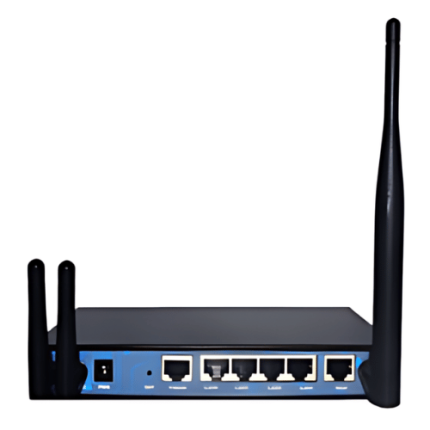
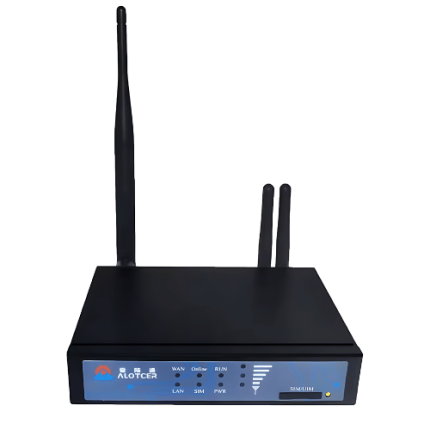
12V IoT Gateway VPN Router with Industrial CPU, WLAN, and Cellular – GAOTek


2.4 in WiFi 4G Wireless Smart Home Security System – GAOTek


3 Band GSM or 3G or 4G Signal Booster – GAOTek


300Mbps 4G LTE Portable Wifi Router with SIM Slot – GAOTek


4G Cellular Modem Router with External Antennas and Multiuser Support – GAOTek


4G Cellular Modem with Dual-Band Wi-Fi and Rotatable Antennas – GAOTek


4G Fixed Wireless Terminal VoLTE WiFi Hotspot HD Voice – GAOTek
Here are the LoRaWAN End Devices offered by GAO Tek:
12V IoT Gateway VPN Router with Industrial CPU, WLAN, and Cellular – GAOTek
2.4 in WiFi 4G Wireless Smart Home Security System – GAOTek
3 Band GSM or 3G or 4G Signal Booster – GAOTek
300Mbps 4G LTE Portable Wifi Router with SIM Slot – GAOTek
4G Cellular Modem Router with External Antennas and Multiuser Support – GAOTek
4G Cellular Modem with Dual-Band Wi-Fi and Rotatable Antennas – GAOTek
4G Fixed Wireless Terminal VoLTE WiFi Hotspot HD Voice – GAOTek
Navigation Menu for LoRaWAN
- LoRaWAN Gateways
- LoRaWAN End Devices
- LoRaWAN – Cloud, Server, PC & Mobile Systems
- LoRaWAN Accessories
- LoRaWAN Resources