

Comprehensive Guide for LoRaWAN Enabled Wearables IoT
Overview
The rapid evolution of wearable technology, combined with the Internet of Things (IoT), is reshaping how we interact with the world. Wearable IoT devices—ranging from fitness trackers and health monitors to workplace safety tools—enable seamless data collection, real-time insights, and improved quality of life. A critical factor in the success of these devices is reliable, efficient connectivity that supports their mobility and power constraints. LoRaWAN (Long Range Wide Area Network) offers a robust solution for wearable IoT, delivering long-range, low-power communication ideally suited to the needs of wearables.
LoRaWAN is a low-power, wide-area networking protocol that connects IoT devices across long distances with minimal energy consumption. This makes it a game-changing technology for wearable IoT, where battery life and consistent connectivity are key. By leveraging LoRaWAN, wearable devices can transmit data securely and reliably, even in areas where traditional networks might struggle. Its scalability and cost-effectiveness further enhance its appeal for applications spanning personal health monitoring, fitness tracking, and industrial safety.
This guide provides a detailed exploration of LoRaWAN-enabled wearables in IoT. It starts with an introduction to IoT and wearable technology, followed by an overview of LoRaWAN’s features and benefits. Subsequent sections delve into the technical fundamentals of LoRaWAN, design considerations for wearable devices, and practical network deployment strategies. The guide also highlights diverse use cases, including healthcare, lifestyle, workplace safety, and smart city applications, showcasing how LoRaWAN transforms wearable IoT.
Below are products and systems related to this webpage:
- LoRaWAN Gateways
- LoRaWAN End Devices
- Long Life LoRaWAN Gateways & Hubs
- ATEX LoRaWAN Gateways & Hubs
- LoRaWAN – Cloud, Server, PC & Mobile Systems
- Outdoor LoRaWAN End Devices
- Long Life LoRaWAN End Devices
Our products are in stock can be shipped to anywhere in continental U.S. or Canada from our local warehouse. To purchase or for any further information, please fill out this form or email us.
We are actively looking for partners who are like us located in the U.S. and Canada. For more information on partnering with GAO, please visit Partner with GAO Tek Inc. It lists various ways to partner with GAO, such as OEM Partnerships, Technology Integration, Distribution and Reselling Opportunities, Presenting at the Leading Event Tek Summit, Joint R&D Projects, Training and Consulting Services, Industry-Specific Collaborations, Research and Academic Partnerships.
1. Introduction to IoT and Wearable Technology
The Internet of Things (IoT) has revolutionized how devices connect, communicate, and collaborate to enhance efficiency and decision-making across industries. IoT encompasses an ecosystem of connected devices—ranging from industrial sensors to home appliances—that gather, transmit, and process data over the internet. Among these innovations, wearable technology has emerged as a transformative application of IoT, bridging the gap between humans and machines.
Wearable devices, such as smartwatches, fitness trackers, and industrial safety monitors, play a crucial role in real-time data collection, enabling users to monitor health, productivity, and safety seamlessly. Their portability and ability to provide actionable insights make them indispensable tools in healthcare, manufacturing, and lifestyle domains.
At GAO Tek Inc., headquartered in New York City and Toronto, Canada, we understand the critical role IoT wearables play in modern industry. With over four decades of experience delivering advanced B2B technologies to Fortune 500 companies, leading R&D firms, and government agencies, we are uniquely positioned to support the development and deployment of IoT-enabled wearables. Our commitment to stringent quality assurance and expert support ensures our clients can achieve unparalleled success with their IoT initiatives.
1.1 What is LoRaWAN?
LoRaWAN (Long Range Wide Area Network) is a low-power, long-range communication protocol designed specifically for IoT applications. Built on LoRa (Long Range) modulation technology, LoRaWAN enables secure bi-directional communication between devices and networks, making it ideal for IoT solutions that prioritize battery efficiency, scalability, and cost-effectiveness.
Unlike traditional wireless protocols such as Wi-Fi or Bluetooth, LoRaWAN offers an extended range of up to several kilometers in urban areas and even greater distances in rural settings. It operates on unlicensed radio spectrum bands, ensuring wide accessibility and reduced operational costs. Key features of LoRaWAN include:
- Low Power Consumption: Extending battery life to years, critical for wearable devices.
- Scalability: Supporting thousands of devices in a single network.
- Security: Implementing AES-128 encryption for robust data protection.
These features make LoRaWAN an excellent choice for wearables that need to operate in remote or constrained environments, such as industrial zones or rural healthcare settings. The technology’s ability to transmit small packets of data reliably over long distances is particularly advantageous for wearable devices with limited battery capacity.
At GAO Tek, we leverage LoRaWAN’s capabilities to create scalable and efficient solutions tailored to diverse industries. Our expertise ensures seamless integration of LoRaWAN-enabled wearables into existing IoT ecosystems, maximizing both reliability and operational efficiency. Whether you’re enhancing worker safety or improving patient monitoring systems, our solutions are designed to deliver measurable results.
2. Fundamentals of LoRaWAN Technology
2.1 Key Concepts
LoRaWAN , short for Long Range Wide Area Network, is a leading communication protocol specifically tailored for IoT applications. It operates on a star-of-stars network architecture, facilitating efficient communication between numerous devices and a central network server through gateways. This structure is particularly well-suited for IoT environments, including wearable technology, where reliable and energy-efficient data transmission is paramount.
Key components of LoRaWAN include:
- End Devices: These are sensors or devices—such as wearables—that collect data and transmit it over the network.
- Gateways: Acting as intermediaries, gateways receive transmissions from end devices and forward them to the network server via IP-based backhaul (e.g., Ethernet, cellular, or Wi-Fi).
- Network Server: The central hub responsible for managing the network, including data routing, security validation, and device communication.
LoRaWAN’s open standard, maintained by the LoRa Alliance, ensures global interoperability and scalability for IoT deployments. At GAO Tek Inc., we harness this protocol’s capabilities to create robust, scalable solutions tailored to the unique requirements of wearables and IoT ecosystems.
2.2 Technical Specifications
LoRaWAN’s technical specifications are designed to meet the diverse needs of IoT applications, ensuring both operational efficiency and flexibility:
- Frequency Bands:
LoRaWAN operates on unlicensed ISM bands such as 868 MHz in Europe, 915 MHz in North America, and 433 MHz in Asia. These frequencies enable long-range communication while minimizing interference. - Communication Range:
- Urban Areas: Up to 5 km (3 miles)
- Rural Areas: Up to 15 km (9 miles)
This extensive range is ideal for wearables operating in industrial or remote environments.
- Data Rates:
LoRaWAN uses adaptive data rates (ADR) ranging from 0.3 kbps to 50 kbps, allowing devices to optimize power consumption and signal strength. - Power Efficiency:
LoRaWAN is inherently low-power, enabling wearables to operate on small batteries for years. This efficiency is crucial for wearable devices with limited charging opportunities. - Security Protocols:
LoRaWAN employs AES-128 encryption at both the network and application layers, ensuring secure data transmission and device authentication.
At GAO Tek, we incorporate these technical advantages into our IoT solutions for wearables. Our commitment to quality and precision ensures that devices meet the highest standards of reliability and performance, making them suitable for use in industries such as healthcare, logistics, and smart cities.
2.3 Advantages and Limitations
Advantages of LoRaWAN:
- Long-Range Communication: Its capability to cover large areas with minimal infrastructure makes it cost-effective and practical for both urban and rural deployments.
- Energy Efficiency: Optimized for low-power operations, LoRaWAN is ideal for wearable devices that require extended battery life.
- Scalability: LoRaWAN networks can support thousands of devices, making it suitable for large-scale IoT applications.
- Robust Security: With built-in encryption, LoRaWAN ensures data privacy and device authentication.
Limitations of LoRaWAN:
- Low Data Throughput: The protocol is optimized for transmitting small packets of data, making it unsuitable for high-bandwidth applications like video streaming.
- Latency: While sufficient for most IoT applications, LoRaWAN’s latency can be a constraint for real-time systems requiring instantaneous responses.
- Interference in High-Density Areas: Operating in unlicensed bands can result in signal interference in densely populated areas.
GAO Tek mitigates these limitations by designing solutions that balance LoRaWAN’s strengths with complementary technologies. For example, we integrate LoRaWAN with other connectivity protocols to address bandwidth or latency challenges. Our expertise ensures that wearable IoT devices powered by LoRaWAN deliver exceptional performance, even in demanding environments.
3. Wearable IoT Design Considerations
3.1 Hardware Components
Designing wearable IoT devices requires meticulous attention to hardware selection. Each component plays a pivotal role in ensuring the device is efficient, durable, and optimized for long-range communication using LoRaWAN.
Key hardware components include:
- Sensors: Sensors are the heart of any wearable IoT device. Common options include accelerometers, gyroscopes, temperature sensors, heart rate monitors, and SpO2 sensors. Selecting highly sensitive and energy-efficient sensors is crucial for accurate data collection.
- Microcontroller Unit (MCU): The MCU processes sensor data and manages communication protocols like LoRaWAN. A low-power MCU, such as those from STM32 or Nordic Semiconductor, ensures that wearable devices maintain extended battery life without compromising processing power.
- LoRaWAN Modules: LoRaWAN connectivity requires a specialized module, such as those from Semtech. These modules provide long-range communication capabilities essential for wearables in remote areas or large industrial sites.
- Power Management Integrated Circuits (PMICs): PMICs regulate power consumption, manage charging cycles, and improve overall energy efficiency, which is critical for compact wearable devices.
- Battery: Lightweight lithium-ion or lithium-polymer batteries are commonly used. Designers must balance capacity, weight, and size to align with the wearer’s comfort and the device’s energy requirements.
At GAO Tek Inc., we assist our clients in selecting and integrating these components into their wearable IoT projects. Our stringent quality assurance ensures that all components meet industry standards and are optimized for LoRaWAN-enabled wearables.
3.2 Form Factor and Durability
The form factor and durability of wearable IoT devices directly impact user adoption and device longevity. Wearables must balance functionality with comfort and robustness, especially for applications in healthcare, fitness, and industrial environments.
Form Factor:
- Devices must be compact, lightweight, and ergonomic to ensure user comfort.
- Aesthetics often play a role in consumer-focused wearables, such as fitness trackers, where users prefer sleek designs.
- For industrial applications, rugged designs with intuitive interfaces are prioritized.
Durability:
- Material Selection: Wearables require durable, hypoallergenic materials such as silicone, polycarbonate, or medical-grade stainless steel.
- Waterproofing and Dust Resistance: Devices must comply with standards like IP67 or IP68 to ensure resilience against environmental factors.
- Shock Resistance: Industrial wearables should withstand physical impacts and harsh conditions.
At GAO Tek, we leverage our four decades of experience to help clients design wearables that meet these criteria. Our solutions are tailored to diverse industries, ensuring that devices deliver both durability and user-friendly designs.
3.3 Power Management
Power management is a critical consideration in wearable IoT design. The compact nature of wearables limits battery size, making energy efficiency essential to ensuring extended operation without frequent recharging.
Key strategies for power management include:
- Low-Power Components: Selecting ultra-low-power MCUs, sensors, and LoRaWAN modules minimizes energy consumption.
- Efficient Power Profiles: Implementing sleep and standby modes when the device is inactive conserves battery life.
- Energy Harvesting: Incorporating technologies such as solar panels or kinetic energy harvesters can provide supplementary power, especially for outdoor applications.
- Battery Optimization: Using advanced battery technologies with high energy density and fast-charging capabilities ensures devices are reliable and user-friendly.
Our team at GAO Tek specializes in optimizing power solutions for wearable IoT devices. From selecting the right batteries to designing efficient power architectures, we enable our clients to create wearables that meet the demands of their users and environments.
4. Network Deployment for Wearables
4.1 Setting Up a LoRaWAN Network
Deploying a LoRaWAN network for wearable IoT devices requires careful planning and execution to ensure optimal coverage, performance, and scalability.
Key Steps in Network Deployment:
- Identify Network Requirements:
- Define the coverage area (urban, suburban, or rural).
- Estimate the number of wearable devices and their data transmission frequency.
- Assess environmental conditions, such as potential interference or obstacles.
- Gateway Placement:
Gateways are critical for connecting wearable devices to the LoRaWAN server. To maximize coverage and minimize signal loss:- Place gateways at elevated locations, such as rooftops or towers.
- Use network planning tools to simulate coverage and identify optimal locations.
- Integrate Backhaul Connectivity:
Gateways must be connected to the network server via reliable backhaul options such as Ethernet, cellular, or Wi-Fi. The choice depends on the deployment environment and available infrastructure. - Configure the Network Server:
- The LoRaWAN network server manages device registrations, data routing, and security.
- Use professional-grade software to monitor network health and performance.
- Integrate application servers to process data from wearable devices.
- Test and Optimize:
- Perform field tests to validate network coverage and signal strength.
- Adjust gateway placement or power levels to address weak signal areas.
GAO Tek Inc. offers advanced network planning tools and deployment expertise to help organizations set up LoRaWAN networks tailored to wearable IoT applications. Our solutions ensure seamless connectivity, robust performance, and scalability for any project.
4.2 Challenges in Wearable Deployment
Deploying wearable IoT devices presents unique challenges that must be addressed to ensure reliable operation:
- Signal Interference:
Wearables often operate in environments with obstacles such as walls, metal structures, or urban clutter, which can degrade LoRaWAN signals. Mitigation strategies include deploying additional gateways and optimizing device transmission power. - Device Density:
High concentrations of wearables in certain areas, such as hospitals or sports facilities, can strain network capacity. LoRaWAN’s adaptive data rate (ADR) and frequency hopping features help manage such scenarios. - Environmental Factors:
Wearables designed for outdoor or industrial use must operate reliably in varying temperatures, humidity, and weather conditions. Ensuring device and network durability is critical. - Integration with Existing Systems:
Wearables often need to communicate with enterprise systems, cloud platforms, or mobile apps. Ensuring compatibility and seamless integration can be complex.
At GAO Tek, we address these challenges by providing end-to-end deployment support, from environmental analysis to system integration. Our team ensures that wearable IoT solutions are not only functional but also resilient and scalable.
4.3 Security and Privacy
Security and privacy are critical in wearable IoT deployments, where sensitive personal or operational data is transmitted over wireless networks. LoRaWAN provides robust security features, but additional measures are necessary to meet the stringent requirements of wearable applications.
LoRaWAN Security Features:
- AES-128 Encryption: Encrypts data between devices and the network server, ensuring confidentiality.
- Two-Layer Security: LoRaWAN secures both the network and application layers, protecting against unauthorized access.
- Unique Keys per Device: Each wearable device is assigned unique keys, preventing large-scale breaches.
Additional Best Practices for Wearables:
- Secure Device Onboarding:
- Implement strong authentication methods during device provisioning to prevent rogue device access.
- Regular Firmware Updates:
- Ensure wearables and gateways are updated with the latest security patches to mitigate vulnerabilities.
- Data Privacy Compliance:
- Adhere to regulations like GDPR or HIPAA for applications involving personal health data.
- Anonymize or encrypt sensitive user information during data transmission and storage.
- Intrusion Detection Systems (IDS):
- Deploy IDS tools to monitor network traffic for suspicious activity, ensuring rapid response to potential breaches.
GAO Tek is committed to delivering secure and privacy-conscious solutions for wearable IoT deployments. With decades of experience working with Fortune 500 companies and government agencies, we design systems that prioritize data integrity and compliance. Learn more about our secure IoT solutions on our website.
5. Use Cases and Applications
5.1 Healthcare Monitoring
Wearable IoT devices equipped with LoRaWAN connectivity have transformed healthcare monitoring by enabling real-time data collection and remote patient management. These devices are particularly effective for chronic disease management, elderly care, and post-operative monitoring.
Key Applications:
- Chronic Disease Management: Devices monitor vitals such as heart rate, blood pressure, and glucose levels, transmitting data securely to healthcare providers for timely interventions.
- Elderly Assistance: Fall detection sensors and panic buttons help caregivers respond quickly to emergencies.
- Telehealth Integration: LoRaWAN wearables seamlessly integrate with telemedicine platforms, allowing clinicians to assess patients remotely.
At GAO Tek, we supply cutting-edge LoRaWAN-enabled healthcare solutions, offering unmatched reliability and support. Our systems are designed to meet stringent data privacy regulations such as HIPAA.
5.2 Fitness and Lifestyle
Fitness and lifestyle wearables have gained immense popularity, with LoRaWAN enabling long-range, low-power connectivity to enhance functionality and user experience.
Key Applications:
- Activity Tracking: Devices measure steps, calories, and sleep patterns, providing users with insights to achieve their fitness goals.
- Connected Communities: Fitness wearables linked via LoRaWAN enable community challenges and shared progress tracking.
- Outdoor Sports: Long-range connectivity supports GPS tracking and live metrics in remote areas, making it ideal for hiking and cycling enthusiasts.
GAO Tek’s IoT solutions empower developers to create fitness wearables with enhanced battery life and reliable connectivity, even in challenging environments.
5.3 Workplace Safety
In industrial and hazardous work environments, LoRaWAN-enabled wearables play a vital role in ensuring worker safety and operational efficiency.
Key Applications:
- Environmental Monitoring: Wearables equipped with gas, temperature, and radiation sensors alert workers to unsafe conditions in real-time.
- Location Tracking: Devices provide live tracking of personnel in large industrial sites, aiding in evacuation and rescue operations.
- Fatigue Detection: Sensors monitor physical activity and biometrics to detect signs of worker fatigue or stress, helping prevent accidents.
GAO Tek offers tailored solutions for workplace safety, including wearables that comply with occupational health and safety standards. We assist organizations in integrating these devices with their existing safety protocols.
5.4 Smart Cities and Public Safety
LoRaWAN-enabled wearables are integral to smart city initiatives, enhancing public safety and urban efficiency.
Key Applications:
- Emergency Response: Devices notify emergency services in case of accidents, natural disasters, or health crises.
- Crowd Monitoring: Wearables track crowd density and movement patterns, helping authorities manage large events and prevent overcrowding.
- Law Enforcement: Officers use connected wearables for real-time communication, location tracking, and monitoring critical biometric parameters.
GAO Tek works with municipalities to develop and deploy scalable wearable IoT solutions that align with smart city goals, improving public safety and quality of life.
5.5 GAO Case Studies
United States
- Healthcare Monitoring in Miami, Florida: Deployed LoRaWAN-enabled devices for remote monitoring of chronic disease patients, improving early detection and reducing hospital visits.
- Fitness Trackers in Boulder, Colorado: Enhanced outdoor fitness with wearables offering live activity tracking and health metrics, popular among athletes and hikers.
- Workplace Safety in Houston, Texas: Introduced wearables with gas detection sensors for oil and gas workers, ensuring compliance with safety regulations.
- Smart City Pilot in Chicago, Illinois: Utilized connected wearables to monitor crowd density during public festivals, enhancing safety protocols.
- Elderly Care in San Diego, California: Implemented fall detection devices in assisted living facilities, leading to quicker emergency responses.
- Industrial Monitoring in Detroit, Michigan: Equipped automotive workers with fatigue sensors, reducing workplace injuries.
- Disaster Management in New Orleans, Louisiana: Leveraged wearables for real-time tracking during hurricane evacuations.
- Fitness Community in Austin, Texas: Enabled community-based fitness challenges with LoRaWAN-enabled devices for seamless data sharing.
- Public Safety in New York City, New York: Provided wearable trackers for first responders, improving coordination during emergencies.
- Outdoor Sports in Denver, Colorado: Integrated GPS-enabled wearables for cyclists, enhancing safety and performance tracking.
- Healthcare Research in Boston, Massachusetts: Supported research institutions with wearables for remote monitoring in clinical trials.
- Smart City Expansion in Atlanta, Georgia: Deployed connected wearables to assist in traffic management and pedestrian safety studies.
- School Safety in Los Angeles, California: Introduced wearables to track student locations during school hours, improving security.
- Environmental Safety in Phoenix, Arizona: Monitored hazardous air conditions for construction workers using wearable sensors.
- Sports Event Management in Tampa, Florida: Provided tracking wearables for marathon participants, enhancing event organization and safety.
Canada
- Industrial Safety in Calgary, Alberta: Implemented wearables with temperature sensors for outdoor workers in extreme climates, preventing heat-related incidents.
- Elderly Care in Toronto, Ontario: Introduced panic button wearables in nursing homes, reducing emergency response times.
GAO Tek’s extensive expertise ensures successful deployment of wearable IoT solutions across diverse industries and geographies. For detailed consultation and deployment services, contact us through our website.
6. Development and Implementation
6.1 Prototyping Wearable Devices
Prototyping is a critical phase in the development of LoRaWAN-enabled wearable IoT devices, focusing on functionality, usability, and performance validation before large-scale production.
Steps in Prototyping:
- Conceptualization: Define user requirements and core functionalities, such as sensor types, connectivity range, and data processing capabilities.
- Component Selection: Choose hardware components like microcontrollers, LoRaWAN modules, and power management circuits that align with device specifications.
- PCB Design and Fabrication: Develop compact and efficient printed circuit boards (PCBs) tailored for wearable form factors.
- Prototype Assembly: Integrate sensors, communication modules, and batteries into a cohesive prototype.
- Testing and Iteration: Conduct rigorous functional and environmental tests to evaluate reliability, accuracy, and durability, refining designs as necessary.
At GAO Tek Inc., we provide advanced LoRaWAN modules and development kits tailored for wearable IoT prototyping. Our engineering team offers expertise in designing and testing custom solutions to accelerate the prototyping phase.
6.2 Integration with IoT Ecosystems
Seamless integration with IoT ecosystems is essential for wearable devices to deliver their full potential. This includes connectivity, interoperability, and integration with cloud platforms and analytics systems.
Key Considerations:
- LoRaWAN Network Integration: Ensure compatibility with existing LoRaWAN infrastructure, including gateways and network servers, for reliable data transmission over long distances.
- Cloud Connectivity: Leverage IoT platforms like AWS IoT Core, Microsoft Azure IoT, or Google Cloud IoT to store, process, and analyze wearable device data.
- Interoperability: Implement standard communication protocols such as MQTT or CoAP for seamless interaction with other IoT devices and platforms.
- Data Security: Employ end-to-end encryption and secure access mechanisms to safeguard sensitive user data during transmission and storage.
- Edge Processing: Incorporate edge computing capabilities to process data locally on the wearable device, reducing latency and reliance on cloud resources.
GAO Tek excels in providing customizable LoRaWAN devices and integrated IoT solutions that align with modern ecosystems. With a focus on interoperability and security, we help organizations deploy wearable IoT solutions that are robust, scalable, and compliant with industry standards.
7. Challenges and Future Trends
7.1 Current Challenges
The adoption and deployment of LoRaWAN-enabled wearable IoT devices face several technical and operational challenges:
- Battery Life and Energy Consumption: Despite the low-power capabilities of LoRaWAN, wearable devices often require extended operation without frequent recharging. Balancing functionality with energy efficiency remains a significant hurdle.
- Network Congestion: In dense IoT environments, the scalability of LoRaWAN networks can be tested, leading to potential data loss or delays. Wearable devices demand robust performance even under high traffic loads.
- Data Security and Privacy: Wearables collect sensitive personal information, including health and location data. Ensuring secure transmission, storage, and compliance with regulations such as GDPR and HIPAA is crucial.
- Interoperability Issues: The integration of wearables with existing IoT ecosystems is hindered by variations in communication protocols, hardware standards, and software platforms.
- Environmental and Wearability Concerns: Designing devices that are lightweight, durable, and resistant to extreme environmental conditions is a persistent challenge for manufacturers.
GAO Tek Inc. addresses these challenges by offering advanced LoRaWAN solutions and expert consultancy. Our stringent R&D processes ensure optimized battery usage, enhanced network performance, and adherence to global security standards.
7.2 Emerging Trends
The wearable IoT landscape is rapidly evolving, driven by innovative advancements in technology and user demand:
- Hybrid Connectivity: Wearables are beginning to incorporate multiple communication technologies, such as LoRaWAN combined with Bluetooth or Wi-Fi, to enhance functionality and coverage.
- AI and Edge Computing: AI-powered wearables that process data locally (on-device) are becoming prevalent, reducing dependency on cloud resources and improving response times.
- Healthcare Dominance: The medical wearables market is expanding, with devices offering real-time monitoring of vitals, predictive diagnostics, and integration with telemedicine platforms.
- Advanced Materials: Flexible and bio-compatible materials enable wearables to blend seamlessly into clothing or even directly adhere to the skin.
- Sustainability: Eco-friendly wearables, powered by solar or kinetic energy, are gaining traction as sustainability becomes a priority for manufacturers and consumers alike.
GAO Tek leverages these trends to provide cutting-edge wearable IoT devices that integrate seamlessly with advanced ecosystems. Our solutions enable enterprises to remain at the forefront of innovation while addressing market demands.
7.3 Potential Innovations
The future of LoRaWAN-enabled wearables is brimming with transformative possibilities:
- Energy Harvesting: Wearables may incorporate energy harvesting technologies, such as piezoelectric or thermoelectric systems, to extend battery life indefinitely.
- Context-Aware Devices: Wearables with context-aware algorithms can adapt functionalities based on user behavior, environment, or activity patterns.
- Enhanced Security Protocols: Innovations in blockchain technology could enable decentralized security frameworks, ensuring tamper-proof data handling for wearables.
- Real-Time Analytics: Integration with powerful cloud analytics platforms will provide instantaneous insights, particularly valuable in healthcare and emergency response applications.
- Miniaturization: Advancements in nanotechnology and chip design will allow for the creation of ultra-compact yet highly functional wearables, revolutionizing fields like fitness, military, and consumer electronics.
GAO Tek remains committed to driving innovation in wearable IoT technology. By investing heavily in R&D and collaborating with industry leaders, we are well-positioned to deliver next-generation solutions tailored to the specific needs of our clients. Visit GAO Tek to explore how our expertise can elevate your IoT projects.
8. Conclusion
8.1 Summary of Key Takeaways
LoRaWAN-enabled wearable IoT devices represent a significant advancement in the realm of the Internet of Things (IoT), combining long-range communication capabilities with low power consumption. These wearables are transforming industries, particularly in healthcare, fitness, workplace safety, and public safety. Key takeaways from this guide include:
- LoRaWAN Technology: LoRaWAN provides a robust, long-range, low-power solution for connecting wearables, making them ideal for applications requiring real-time data transmission over large distances.
- Wearable IoT Design Considerations: Factors such as hardware components, form factor, durability, and power management are crucial when designing wearables to ensure optimal functionality and user experience.
- Network Deployment: Deploying a successful LoRaWAN network for wearables requires strategic planning, addressing challenges like network congestion, data security, and the integration of wearable devices into existing ecosystems.
- Use Cases: LoRaWAN-enabled wearables are enhancing healthcare monitoring, personal fitness tracking, workplace safety, and smart city applications, making real-time data collection and analysis more efficient.
- Development and Implementation: Prototyping and integrating wearables into larger IoT ecosystems is critical for successful deployment, requiring collaboration between device manufacturers, network providers, and software developers.
- Challenges and Trends: Ongoing challenges include battery life, security concerns, and interoperability issues while emerging trends like AI-powered wearables, hybrid connectivity, and energy harvesting are shaping the future of wearable IoT.
At GAO Tek Inc., we remain at the forefront of LoRaWAN technology and IoT development, offering solutions and expertise that help businesses overcome these challenges and take advantage of new opportunities in the wearable IoT market.
8.2 Impact of LoRaWAN Wearables on IoT
LoRaWAN wearables are helping to revolutionize IoT by introducing a new paradigm for wireless communication. Their long-range, low-power capabilities make them an ideal choice for large-scale IoT deployments where devices need to be connected over extended areas with minimal energy consumption. This has profound implications for industries such as healthcare, logistics, and agriculture, where continuous, real-time monitoring is essential.
The ability to transmit small data packets over long distances without compromising power efficiency opens up new avenues for wearable devices in environments where traditional communication networks fall short. For instance, remote patient monitoring, disaster recovery efforts, and environmental monitoring can now rely on wearables powered by LoRaWAN to provide critical data without the need for constant charging or complex infrastructure.
At GAO Tek, we enable businesses to harness the full potential of LoRaWAN-enabled wearables, providing access to cutting-edge technology and reliable connectivity solutions that empower organizations to make data-driven decisions faster and more effectively.
8.3 Future Outlook
The future of LoRaWAN-enabled wearables is bright, with several innovations on the horizon that will further expand their capabilities and applications. Here are a few trends and innovations to look out for:
- Increased Integration with AI and Edge Computing: As wearables evolve, the integration of artificial intelligence (AI) and edge computing will enhance the capabilities of these devices, allowing them to process data locally and make real-time decisions without relying heavily on cloud-based systems. This shift will improve response times, reduce latency, and decrease the overall reliance on centralized cloud infrastructure.
- More Advanced Energy Solutions: We anticipate the development of new energy harvesting technologies, such as solar, kinetic, and thermoelectric systems, to further extend the battery life of wearables. This will minimize the need for frequent recharging, making wearables more practical and environmentally friendly.
- Wider Adoption Across Industries: From healthcare to smart cities, wearables will continue to play a central role in improving efficiency, safety, and quality of life. With the continued proliferation of 5G networks and advances in sensor technology, the adoption of LoRaWAN-enabled wearables is expected to grow exponentially.
- Personalized Healthcare Solutions: The healthcare industry, in particular, will see a surge in personalized care, with wearables enabling continuous monitoring of health metrics, allowing for early intervention and preventative care. LoRaWAN’s long-range capabilities will be key to enabling remote healthcare in underserved or rural areas.
At GAO Tek, we are committed to advancing the future of wearable IoT technology. As leaders in the industry, we continuously innovate to meet the evolving needs of our clients, providing advanced solutions and expert support to help businesses stay ahead of the curve. As the wearable IoT landscape continues to evolve, we look forward to helping our clients navigate these exciting changes with confidence.
9. Appendix
9.1 Glossary of Terms
This section defines key terms commonly used in the context of LoRaWAN-enabled wearable IoT devices to help you better understand the technology and its application:
- LoRaWAN (Long Range Wide Area Network): A protocol for low-power, long-range communication designed to connect battery-operated devices with minimal power consumption. LoRaWAN is primarily used for IoT applications, offering scalable connectivity.
- LPWAN (Low Power Wide Area Network): A category of wireless communication technologies designed for long-range, low-power devices. LoRaWAN is one of the most popular LPWAN protocols.
- IoT (Internet of Things): A network of interconnected devices that can exchange data and perform tasks without human intervention. IoT enables smart homes, healthcare, transportation, and other applications.
- Sensor Node: A small, battery-powered device that senses physical conditions (e.g., temperature, humidity, motion) and transmits data through a network like LoRaWAN.
- Gateway: A device that acts as an intermediary between IoT devices (e.g., wearables, sensors) and the internet or other network systems. It relays data from sensors to cloud services or local servers.
- Data Packet: A unit of data transmitted over the network. It includes both the payload (the actual data) and metadata (information like the source, destination, or error-checking).
- Bandwidth: The data transfer capacity of a network or connection, typically measured in kilobits per second (Kbps) or megabits per second (Mbps).
- Modulation: The process of encoding data onto a carrier signal for transmission over a network. LoRa uses Chirp Spread Spectrum (CSS) modulation for long-range, low-power communication.
- Frequency Band: A specific range of radio frequencies within which LoRaWAN devices can operate, regulated by local authorities to avoid interference.
At GAO Tek, we provide a variety of LoRaWAN solutions and technical support to help businesses seamlessly integrate these technologies into their wearable IoT devices.
9.2 List of LoRaWAN Modules and Development Kits
GAO Tek offers an array of LoRaWAN modules and development kits that cater to different IoT use cases, particularly in wearable devices. These modules and kits ensure seamless integration with LoRaWAN networks and simplify the development process:
- GAO LoRaWAN Module: A compact module that enables long-range connectivity for IoT devices. It features low power consumption and easy integration with sensors, making it an ideal choice for wearable applications.
- LoRaWAN Development Kit for Wearables: This comprehensive kit includes everything needed for prototyping wearable IoT devices, including LoRaWAN-enabled modules, sensors, and supporting software for easy deployment.
- LoRaWAN Gateway: A gateway designed for connecting multiple wearable devices to the cloud or a local network. This device ensures reliable data transmission across long distances while maintaining low power usage.
- LoRaWAN Environmental Sensor Kit: This development kit allows for the integration of various environmental sensors (e.g., temperature, humidity, air quality) into wearables. Ideal for monitoring conditions in healthcare or logistics.
- LoRaWAN GPS Tracking Kit: A specialized kit designed for real-time GPS tracking of wearables, perfect for applications in outdoor sports, asset tracking, or logistics.
At GAO Tek, we can help you select the right module or kit tailored to your project, providing expert support for all stages of your wearable IoT deployment.
9.3 Regulatory Guidelines for LoRaWAN Frequencies
Different countries regulate the frequency bands used for LoRaWAN communication. Adhering to these regulations ensures devices comply with local laws and avoid interference with other communication systems. Here are the key frequency bands used worldwide:
- EU 868 MHz Band: In Europe, LoRaWAN operates in the 868 MHz band. This frequency is governed by the European Telecommunications Standards Institute (ETSI) and is typically used for both public and private LoRaWAN networks.
- US 915 MHz Band: In the United States, LoRaWAN operates in the 915 MHz band, regulated by the Federal Communications Commission (FCC). Devices operating in this frequency range must comply with specific transmission power limits and duty cycles.
- Asia 433 MHz and 920 MHz Bands: In countries such as Japan, China, and India, LoRaWAN devices use the 433 MHz or 920 MHz bands. The local regulatory bodies (e.g., the Ministry of Industry and Information Technology in China) manage these frequencies.
- Australia 915 MHz Band: In Australia, the 915 MHz band is used for LoRaWAN networks, with specific transmission limits and power rules set by the Australian Communications and Media Authority (ACMA).
Understanding these regulatory requirements is essential for deploying LoRaWAN devices globally. GAO Tek can provide the necessary guidance to ensure your devices are compliant with the local laws of each region.
9.4 Additional Resources and References
To further expand your knowledge of LoRaWAN technology, IoT development, and wearable applications, here are some valuable resources and references:
- LoRa Alliance: The global industry association for LoRaWAN technology. The LoRa Alliance provides comprehensive documentation, best practices, and standards for LoRaWAN development.
LoRa Alliance Website - IEEE Internet of Things Standards: A set of globally recognized standards for IoT technologies, including LoRaWAN. IEEE offers a wealth of resources on network architectures, protocols, and security for IoT devices.
IEEE IoT Standards - GAO Tek Blog: A resource for in-depth articles, case studies, and updates on LoRaWAN technology, wearable IoT devices, and more.
GAO Tek Blog - LoRaWAN Specification: Official technical specifications for LoRaWAN, available from the LoRa Alliance. This is the go-to resource for understanding the protocol’s technical details.
LoRaWAN Specification - IoT World Today: An online publication offering news, insights, and technical articles about IoT, including the use of LoRaWAN in various industries.
IoT World Today
These resources provide essential insights into the evolving world of LoRaWAN technology, from basic principles to advanced implementation strategies.
9.5 Troubleshooting Tips
To ensure smooth operation of LoRaWAN-enabled wearable IoT devices, here are some common troubleshooting tips:
- Signal Issues: If the device is not transmitting data or experiencing low signal quality, consider repositioning the sensor or gateway to reduce physical obstructions. Also, check the antenna orientation and ensure it meets the necessary specifications.
- Battery Life: If the wearable is draining power too quickly, check the transmission interval and adjust the settings to reduce the frequency of data transmission. Using deep sleep modes during idle periods can also extend battery life.
- Packet Loss: Missing data packets can occur due to network congestion or poor signal quality. Increasing the data retransmission count and ensuring proper channel selection can help mitigate this issue.
- Network Configuration: Ensure that the device and gateway are configured with the correct frequency band, network keys, and other necessary settings. Double-check all communication settings and verify that the device is registered within the correct LoRaWAN network.
- Security: To prevent security breaches, ensure that all devices are updated with the latest firmware and utilize robust encryption methods. Regularly audit network security protocols and update device keys.
For more specific troubleshooting, GAO Tek offers expert assistance, helping you resolve technical issues and optimize the performance of your wearable IoT solutions. Visit our Support Page for detailed guides and to get in touch with our technical support team.
Here are the LoRaWAN Gateways/Hubs offered by GAO Tek:

4G LoRaWAN Gateway with WiFi and PoE Support – GAOTek


4G LTE Profinet Edge IoT Gateway with RS232 and LoRaWAN 868/915 MHz – GAOTek


8 Channel LoRaWAN Indoor IoT Gateway With Wi-Fi – GAOTek


Advanced High Speed LoRaWAN Gateway and Hub for Reliable Networking – GAOTek
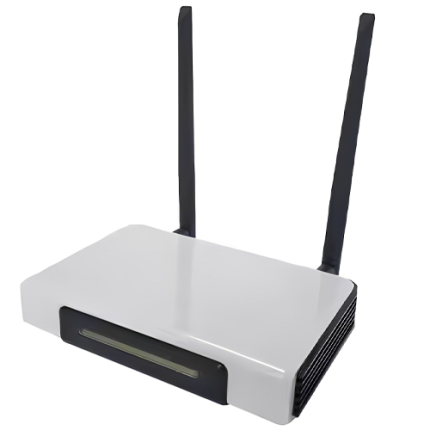
Advanced Indoor LoRaWAN Building Automation Gateway – GAOTek
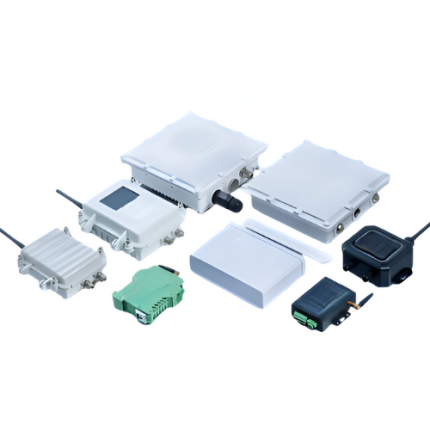

Advanced LoRaWAN Gateway for 4G, Ethernet, and Wi-Fi Wireless Data Transmission – GAOTek


Advanced LoRaWAN Gateway with Wi Fi and LTE Support – GAOTek

Bluetooth to LoRaWAN Gateway – GAOTek
Here are the LoRaWAN End Devices offered by GAO Tek:


8 Channel LoRaWAN Gateway with WiFi Ethernet US915 or EU868 – GAOTek

Advanced LoRa Communication Module and Power Protection – GAOTek


Advanced LoRaWAN Field Tester with GPS – GAOTek


Advanced LoRaWAN Ultrasonic Monitoring Sensor – GAOTek


Advanced LoRaWAN Wireless Pressure Temperature Sensor -GAOTek

Advanced Water Meter with TMR Technology – GAOTek


Agriculture Greenhouse IoT Sensor with LoRa Wireless – GAOTek
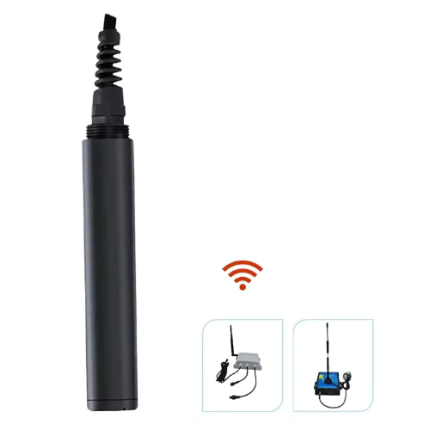
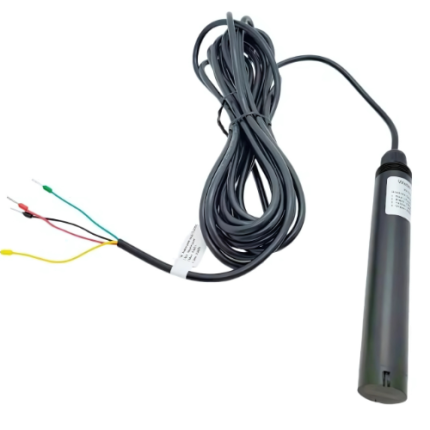
Aquaculture Water Turbidity Sensor with LoRaWAN – GAOTek
Navigation Menu for LoRaWAN
LoRaWAN Home Page
- LoRaWAN Gateways
- LoRaWAN End Devices
- LoRaWAN – Cloud, Server, PC & Mobile Systems
- LoRaWAN Accessories
- LoRaWAN Resources